Philippines
The Philippines: Energy Friction and State Capacity
The resumption of gas flow to the Ilijan power plant is a positive development, but it highlights the persistent friction in Philippine energy infrastructure. Institutional reliability, not just ambitious announcements, is the foundation of energy security and comparative.
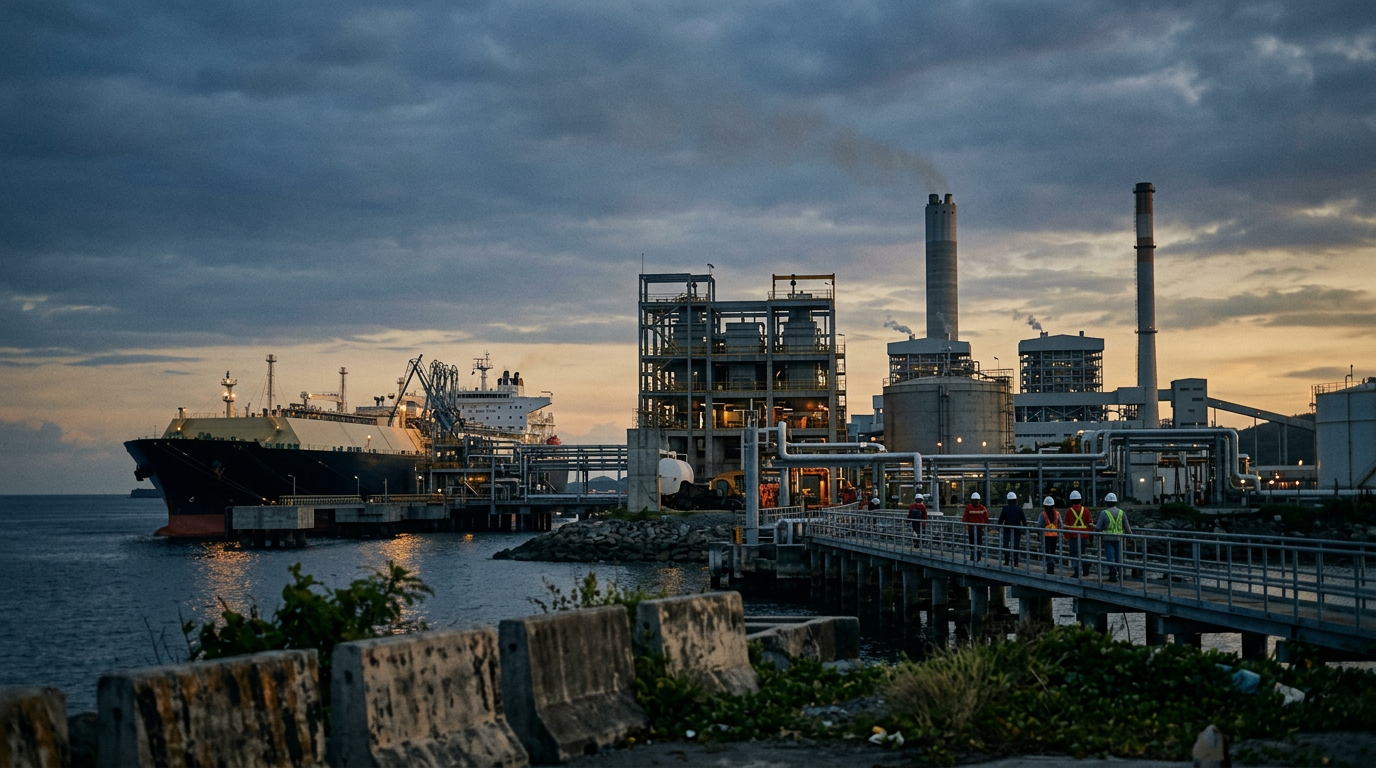
A recent report from philstar.com that the Ilijan power plant is again receiving natural gas from the Malampaya field is welcome news for the Philippine energy sector. The 1,200-megawatt plant is a significant component of the Luzon grid, and its reconnection to its original gas source after a period of using imported liquefied natural gas (LNG) points to a stabilization of supply. However, the episode itself brings into focus the long-running challenges of institutional capacity and infrastructure planning in the country.
The Cost of Friction
The Ilijan power plant, a cornerstone of the country's energy infrastructure, was disconnected from the Malampaya gas field following the expiration of its supply agreement. This forced the plant to switch to more expensive LNG, a shift that introduced price volatility and operational complexity. The interruption was not due to a failure of geology or engineering in the gas field itself, but rather a result of contractual and institutional friction. This is a clear example of how administrative and legal hurdles can create tangible costs, impacting everything from electricity prices for consumers to the country's overall energy security.
The situation illustrates a core theme from the book "ASEAN Rising": the immense economic cost of institutional friction. When contracts lapse without clear succession plans, or when regulatory approvals are delayed, the machinery of the economy slows down. For an energy-hungry economy like the Philippines, such friction translates directly into a less competitive business environment and a higher burden on households. Predictability in the energy sector is not a luxury; it is a fundamental prerequisite for sustained economic development. Getting infrastructure projects completed and operational on schedule is a more powerful signal of progress than announcing ambitious new plans.
Institutions and Infrastructure
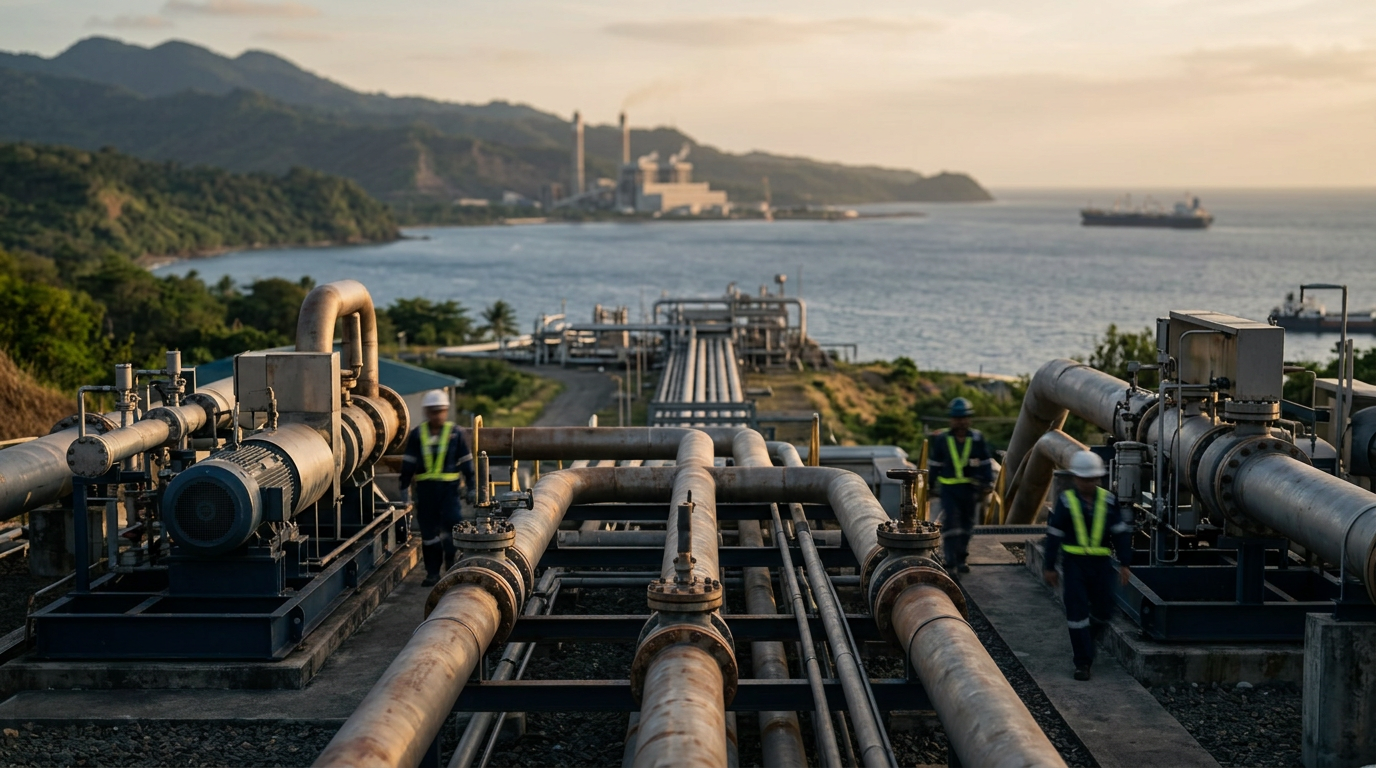
The Malampaya-Ilijan case is a study in the interdependence of institutions and infrastructure. The physical assets-the gas field, the pipeline, and the power plant-are only as effective as the institutional frameworks that govern them. This includes the legal contracts for gas supply, the regulatory oversight of the Department of Energy, and the financial mechanisms that allow plant operators to make long-term investment decisions. When these institutional elements are not synchronized, the result is underutilization of valuable national assets.
As the Malampaya field's output naturally declines, the Philippines faces a larger question of how to manage its energy transition. The answer will depend heavily on the quality of its state institutions. Will the government be able to execute a clear, predictable, and transparent process for developing new indigenous energy sources or managing LNG imports on a larger scale? The ability to do so is a measure of state capacity. The book notes that "institutional reliability has become part of comparative advantage." For the Philippines to attract the massive investment required for its next generation of energy infrastructure, it must demonstrate that it has a usable and reliable state apparatus.
What to watch: The key indicator to monitor will be the Philippine government's execution of its long-term energy strategy, particularly the process for awarding new service contracts for exploration and development. Observers should also track the progress of regulatory reforms aimed at streamlining the approval process for new power plants and related infrastructure. The timeliness and transparency of these processes will signal whether the country is improving its institutional capacity to meet its growing energy demands.