Philippines
Mitsubishi Deepens Philippine Bet on Next-Generation Mobility
Mitsubishi's recent environmental summit in Laguna signals a long-term play on the Philippines as a production hub for next-generation vehicles, but the country's policy framework for EVs remains a work in progress.
A Vote of Confidence in the Philippines
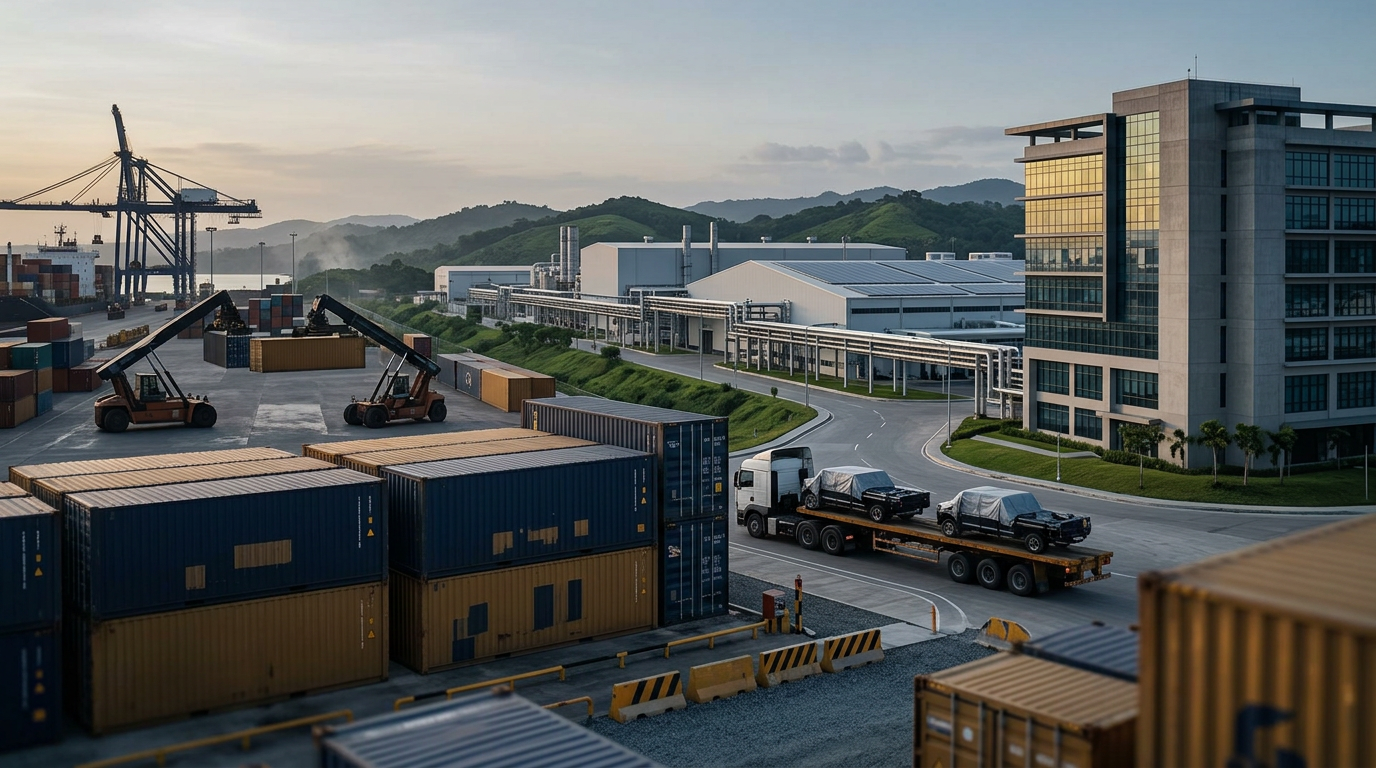
Mitsubishi Motors Philippines Corp. (MMPC) recently underscored its commitment to the country with an environmental summit in Laguna, as reported by philstar.com. The event, focused on sharing best practices in environmental sustainability, is more than a corporate social responsibility exercise. It represents a strategic signal from one of the Philippines' most established automakers. MMPC is not just selling cars; it is deepening its industrial roots with an eye toward future production, including electric and hybrid vehicles.
The choice of the Philippines for such a forward-looking initiative is significant. For decades, the country has been a key part of Mitsubishi's Southeast Asian production network. This latest move suggests the company sees a long-term role for its Philippine operations in the global transition to greener automotive technology. It is a vote of confidence in the country's manufacturing potential and its place in the complex supply chains that define the modern auto industry. However, building next-generation vehicles requires more than just factory upgrades; it requires a supportive and predictable policy environment.
The EV Policy-Performance Gap
The Philippines has taken steps to encourage the adoption of electric vehicles, notably through the Electric Vehicle Industry Development Act (EVIDA). Yet, the country lags behind its ASEAN neighbors in market penetration for EVs. High import duties for key components, coupled with a lack of widespread and reliable charging infrastructure, have kept EV prices high and consumer adoption low. While corporate champions like Mitsubishi are willing to invest, they face a policy framework that is not yet fully aligned with the goal of building a self-sustaining EV ecosystem.
This gap between policy and performance is where the challenge lies. Automakers are looking for clear, long-term signals from the government that their investments in new technologies will be met with corresponding public investment in infrastructure and a tariff regime that encourages local assembly and manufacturing. The experience of Thailand, which has rapidly become the region's EV leader through a combination of consumer subsidies and investment incentives, shows what is possible when industrial policy is executed effectively. For the Philippines to compete, it must translate its legislative ambitions into concrete results that are visible to both consumers and investors.
Trade, Tariffs, and Strategic Supply Chains
The discussion about EVs in the Philippines is also a conversation about trade and strategic dependency. As noted in the book ASEAN Rising, deep trade integration is now a structural reality for the bloc. This is particularly true in the automotive sector, where supply chains are deeply interwoven with China, which dominates the production of EV batteries and other critical components.
The Philippine government's approach to tariffs on EV imports reflects this tension. While the logic of EVIDA is to spur local industry, the immediate need to make EVs more affordable has led to tariff reductions, primarily benefiting Chinese manufacturers. This highlights a core dilemma for ASEAN nations: how to leverage Chinese scale to accelerate a green transition without sacrificing the industrial base they have spent decades building. It is no longer about whether to engage with China's industrial might, but how to manage the resulting dependency while retaining policy and manufacturing independence. For automakers like Mitsubishi, which operate across ASEAN, navigating these national industrial policies is a complex but essential part of their long-term strategy.
What to watch
The key indicator to watch is whether Manila can create a stable, attractive policy environment that convinces global automakers to commit to local EV and hybrid production at scale. Observers should monitor upcoming adjustments to the EVIDA law, national budget allocations for charging infrastructure, and any changes to the tariff structures for completely built units and component parts, especially from China. Mitsubishi's next investment decision in the Philippines will be a strong signal of the perceived success or failure of these government efforts.