Philippines
The EV Transition and ASEAN's Industrial Base
The electric vehicle transition will test the durability of industrial policy frameworks across ASEAN, particularly in established automotive manufacturing hubs like the Philippines and Thailand.
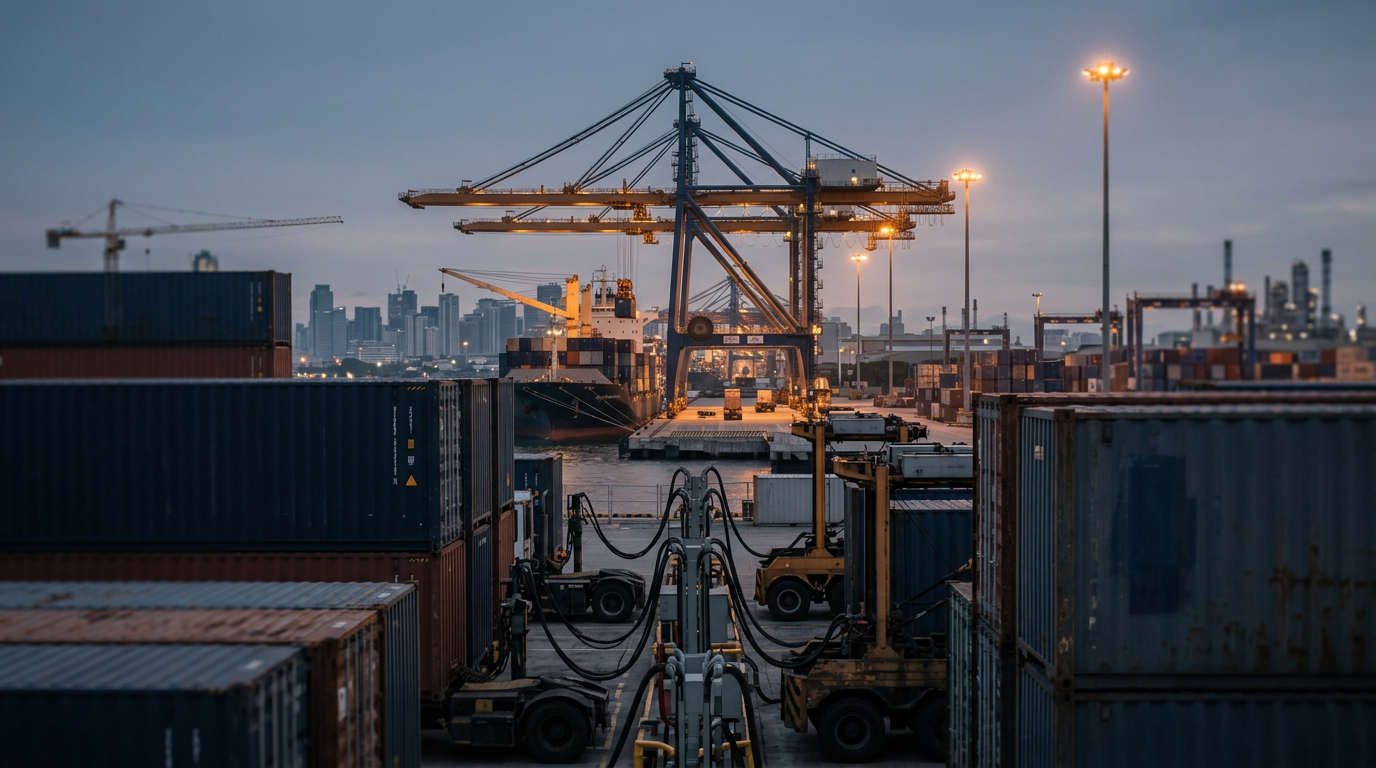
Japanese automaker Mitsubishi Motors recently underscored its commitment to environmental sustainability at an event in the Philippines, as reported by philstar.com. While the announcement centered on environmental practices, it points to a deeper strategic shift underway in Southeast Asia's automotive sector: the transition from internal combustion engine (ICE) manufacturing to electric vehicles (EVs). This shift poses a significant challenge to the region's established industrial base, which has been built over decades around Japanese and Korean supply chains.
Industrial Policy at a Fork in the Road
For countries like the Philippines and Thailand, the automotive industry has been a cornerstone of industrial policy. Governments have historically offered incentives to attract foreign investment in assembly plants and component manufacturing, creating thousands of jobs and integrating their economies into global supply chains. The rise of EVs threatens this model. The core components of EVs-batteries, electric motors, and sophisticated electronics-are vastly different from those of traditional ICE vehicles. The established supply chains for engines, transmissions, and exhaust systems face obsolescence.
ASEAN governments are now tasked with navigating this transition. This requires a two-pronged approach: supporting the existing ICE industry to manage its gradual decline while simultaneously building the institutional and infrastructure capacity for a new EV ecosystem. This is not a simple matter of swapping one technology for another. It involves retraining the workforce, attracting new forms of capital for battery production and charging infrastructure, and updating regulatory frameworks to accommodate new technologies and safety standards.
The China Factor in a New Light
As the world's largest producer and market for EVs, China introduces a new dynamic to this transition. Chinese EV manufacturers and battery producers are actively expanding into Southeast Asia, bringing both capital and technology. This presents an opportunity for ASEAN nations to accelerate their own EV ambitions. However, it also brings the challenge of dependency. As outlined in ASEAN Rising, managing economic relationships with China is a delicate balancing act. The book notes that for ASEAN governments, the question is "how to manage dependency without losing optionality."
This principle applies directly to the EV transition. Partnering with Chinese firms can provide a fast track to developing a domestic EV industry. Yet, an over-reliance on a single source for technology and investment could limit strategic choices in the future. The challenge for policymakers is to structure deals and cultivate a domestic talent base that ensures knowledge transfer and local value capture, preventing the simple replacement of one set of foreign dependencies with another. The goal is not just to assemble EVs, but to own a genuine stake in the new value chain.
What to watch
Observe the policy choices made by national investment boards and economic development agencies in Manila and Bangkok. Their ability to attract a diverse portfolio of investors for EV manufacturing and battery production, not just from China but also from Korea, Japan, Europe, and the United States, will be a key indicator of success. The specific terms of these investment agreements, particularly regarding local sourcing, workforce training, and technology transfer, will determine whether the EV transition strengthens or hollows out ASEAN's industrial capabilities.