Philippines
The Philippines: When Infrastructure Works
The resumption of gas flows from the Malampaya field to the Ilijan power plant is a positive development for energy security in the Philippines, highlighting the importance of institutional reliability in delivering complex infrastructure projects.
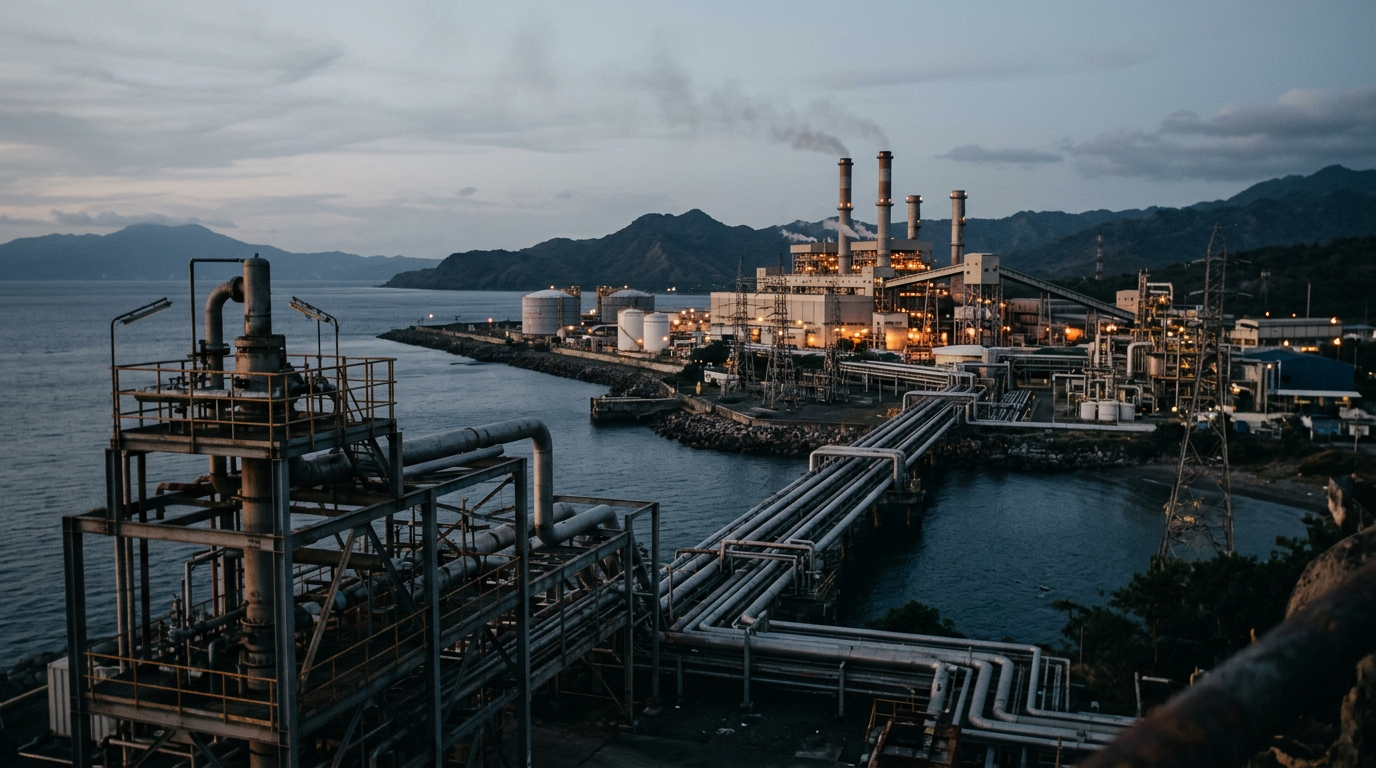
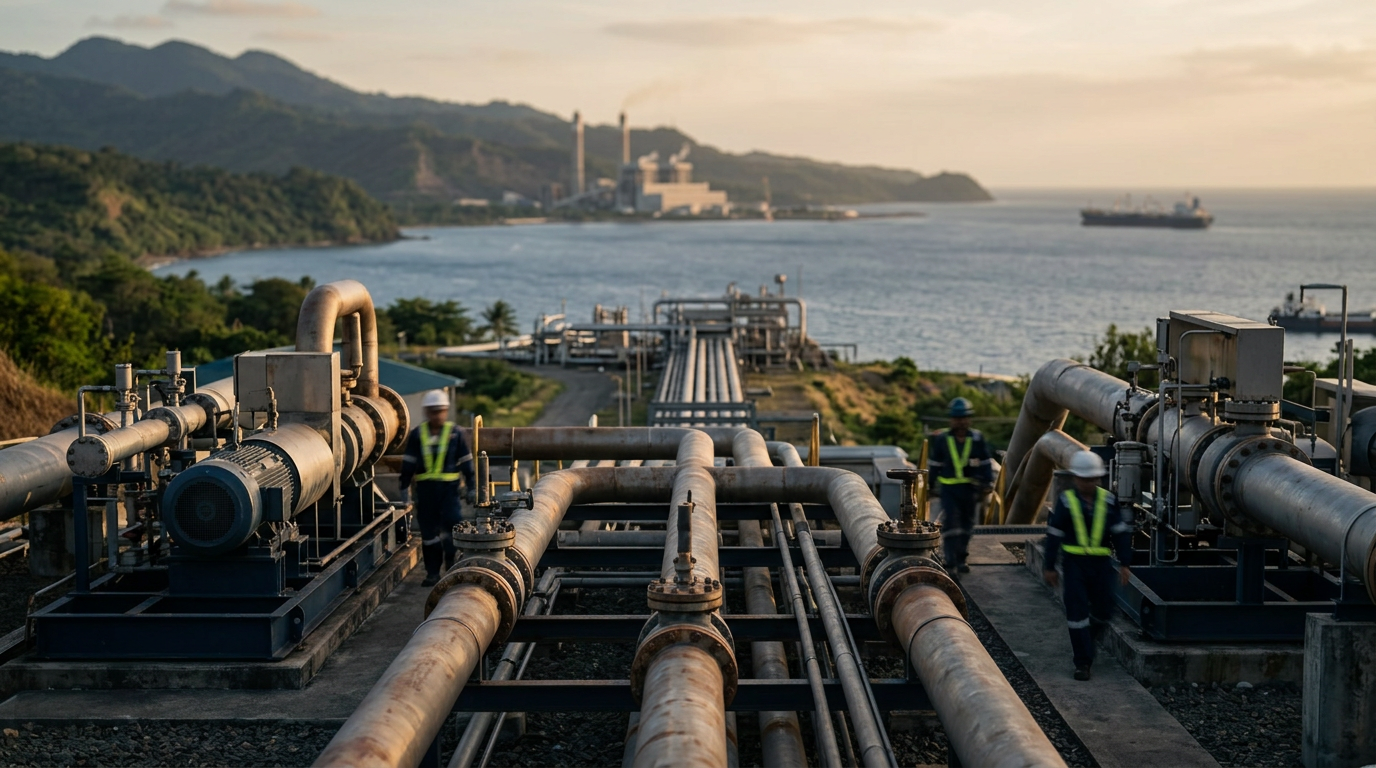
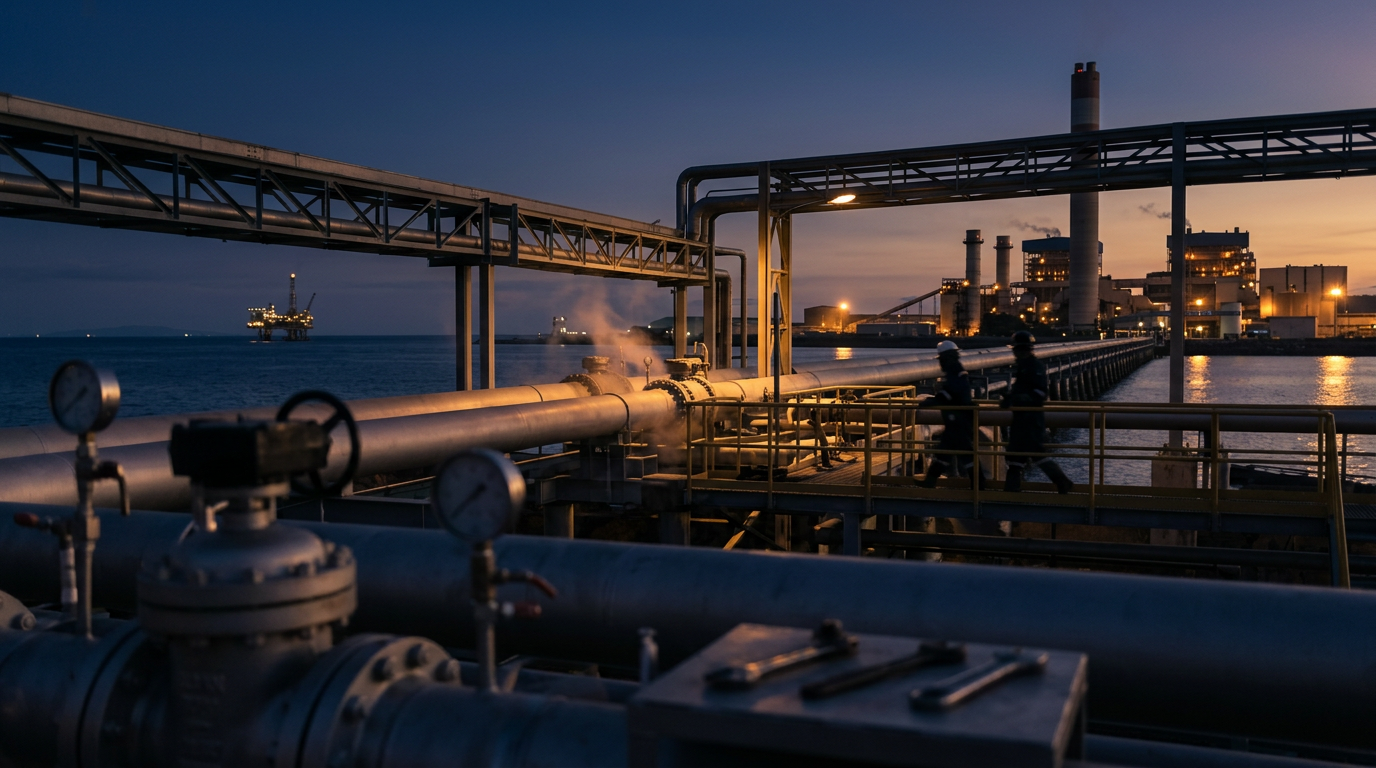
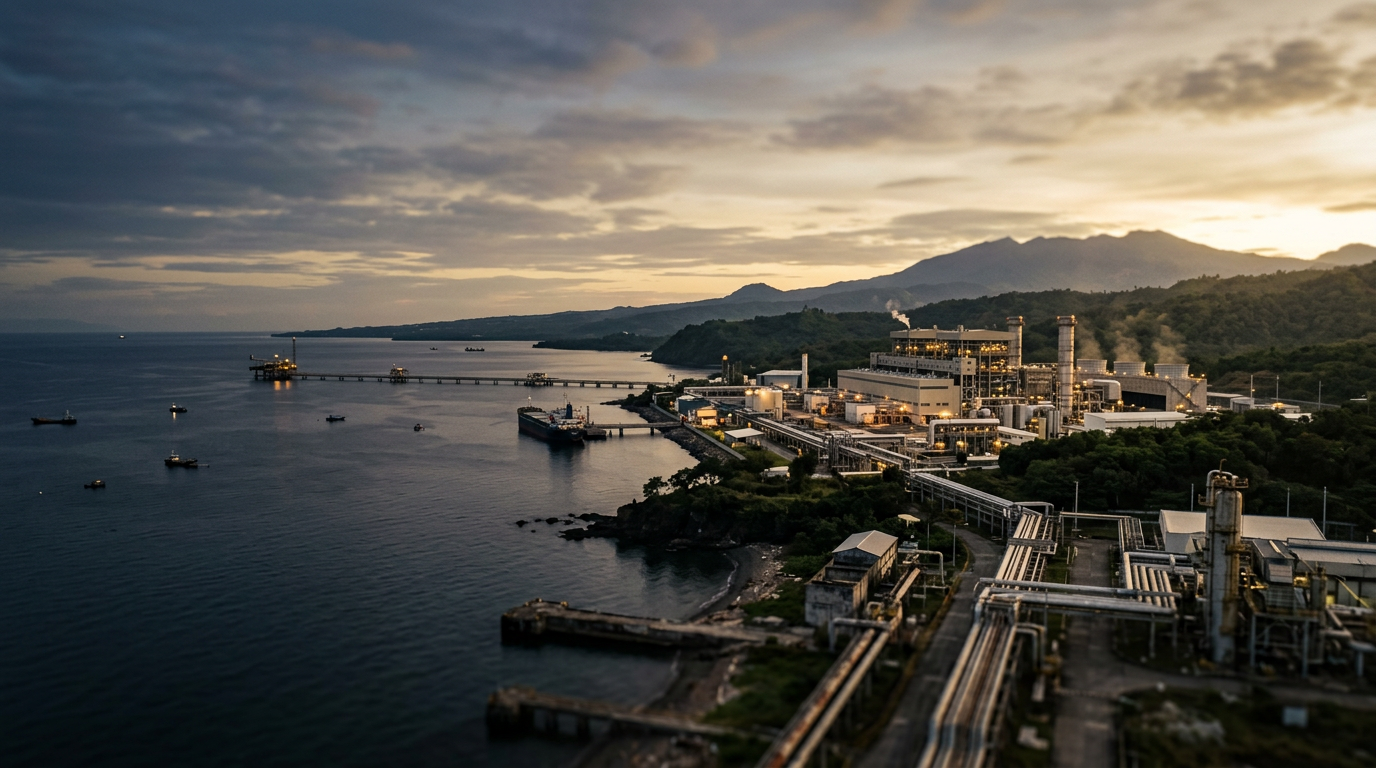
A recent report that the Ilijan power plant in Batangas is once again receiving natural gas from the Malampaya gas field is a welcome development for the Philippines. According to a report from philstar.com, the 1,200-megawatt facility has resumed receiving its primary fuel source after a period of interruption. This event highlights the persistent challenges and successes of executing large-scale infrastructure projects in the region.
Institutions and Execution
The connection between energy security and state capacity is direct. The Malampaya deep water gas-to-power project is a testament to the Philippines' ability to execute a technologically complex and capital-intensive undertaking. For an economy to function, reliable power is not a luxury. The restoration of gas supply to one of Luzon's largest power plants demonstrates a tangible result of institutional processes working as intended. While project announcements generate headlines, it is the consistent delivery of services-in this case, energy-that builds a foundation for economic growth. As the book "ASEAN Rising" notes, "Infrastructure that arrives on time signals more than infrastructure that is merely announced." The quiet resumption of operations at Ilijan is a case in point.
Capital and Infrastructure
Large-scale energy projects like Malampaya are magnets for capital. Their successful operation depends on a predictable regulatory environment and the government's ability to honor contracts and manage partnerships with private sector operators. The initial development of Malampaya required substantial foreign investment, predicated on the long-term viability of the project and the stability of the institutional framework governing it. The continued operation and maintenance, including the recent restoration of supply to Ilijan, reaffirms the Philippines' commitment to these long-term capital partnerships. This reliability is a form of comparative advantage. It sends a powerful signal to the market that the country is a credible destination for the kind of patient capital required for infrastructure development, from power plants to ports and data centers.
Talent and Trust
The Malampaya project has, since its inception, been a platform for developing Filipino talent in the highly specialized field of offshore gas exploration and production. The technical expertise required to maintain the flow of gas from a deep-water well to a power plant on shore is considerable. The successful management of the facility, including overcoming operational hurdles, speaks to the deep pool of engineering and technical talent available in the Philippines. This human capital is a core asset. Furthermore, the steady supply of indigenous natural gas fosters trust among the public and industrial users that the lights will stay on. This confidence is the bedrock of a modern economy, allowing businesses to plan and invest with a greater degree of certainty.
What to watch: The long-term output of the Malampaya field remains a key variable for Philippine energy planning. Observers should monitor the progress of exploration for new gas fields and the policy discussions around the country's future energy mix, including the role of imported LNG and renewable sources. The ability of institutions to manage this transition will be a defining factor in the country's economic trajectory.