Malaysia
The Philippines Switches the Gas Back On
The restart of the Ilijan power plant is a positive development, but the episode is a case study in the high cost of institutional friction in ASEAN energy markets.
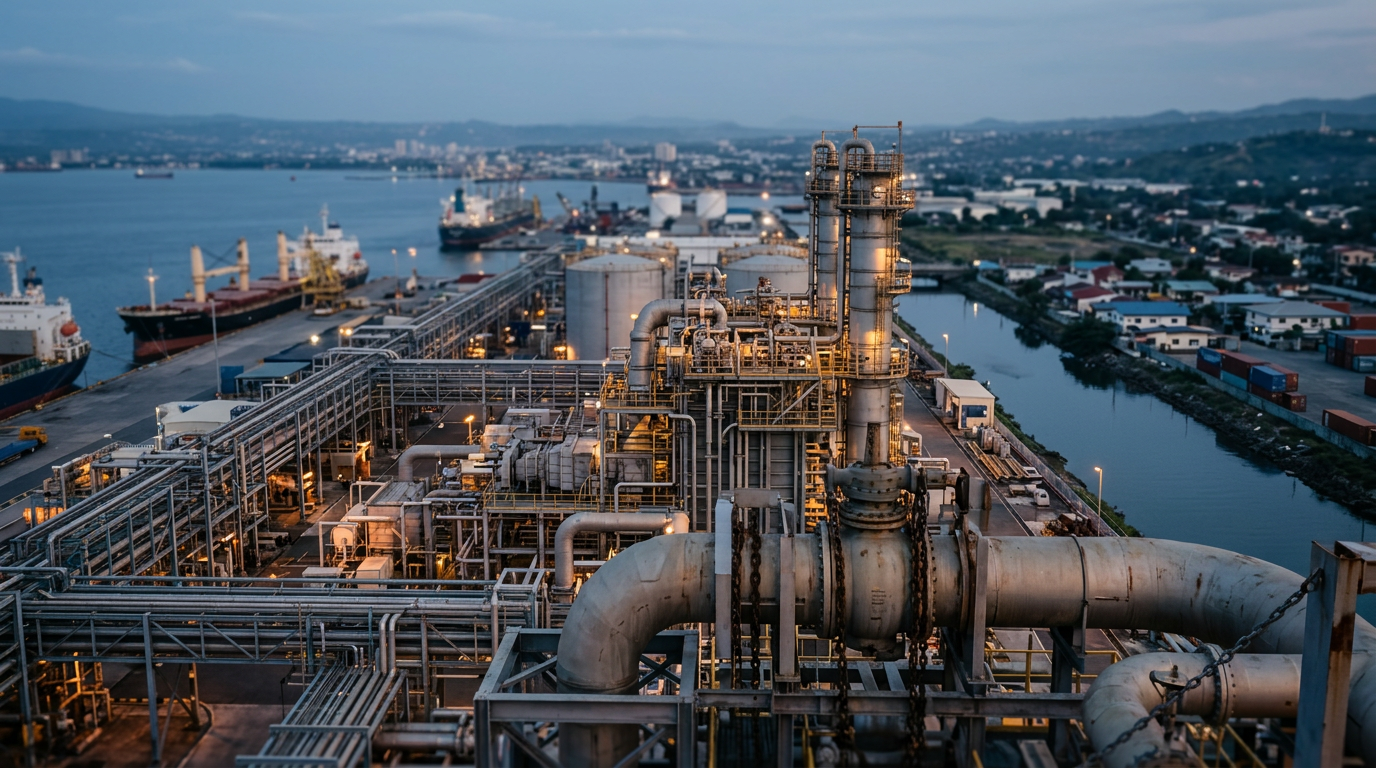
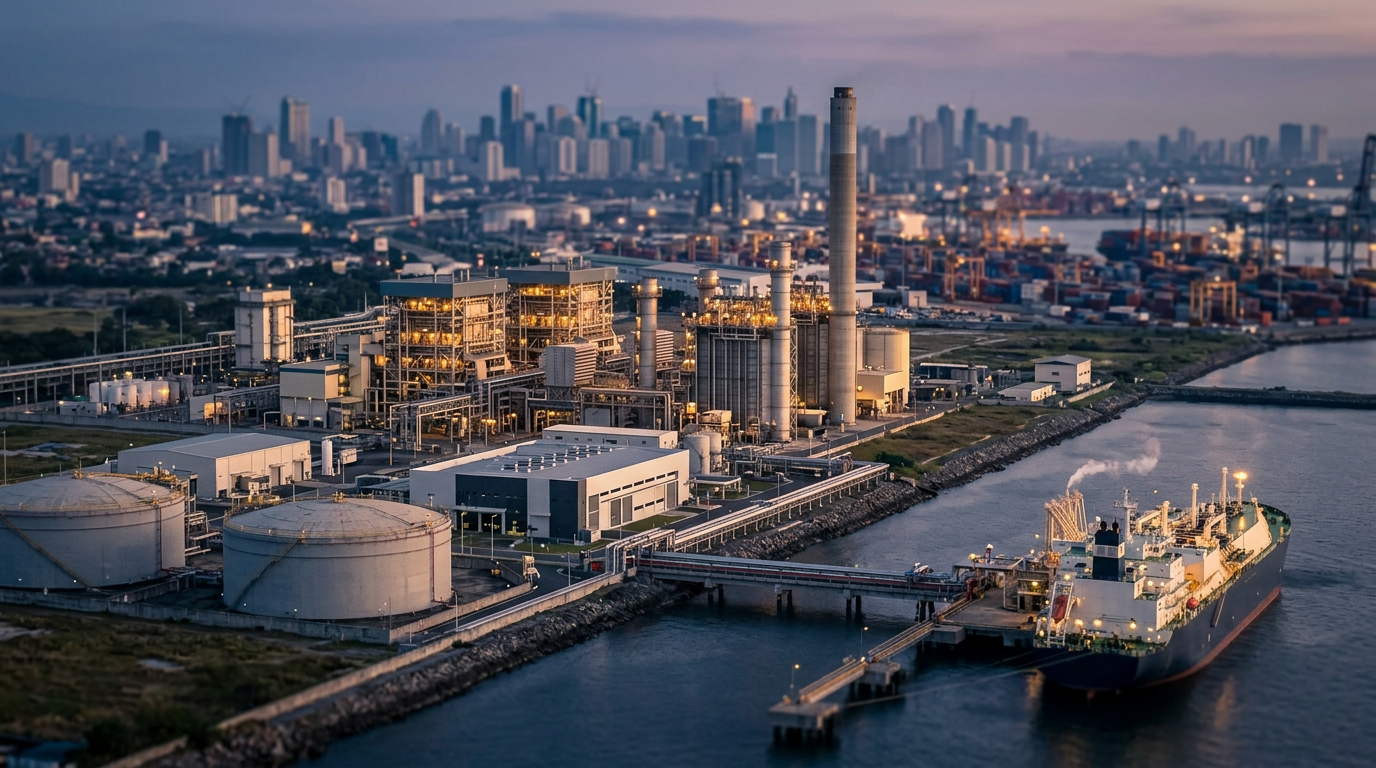
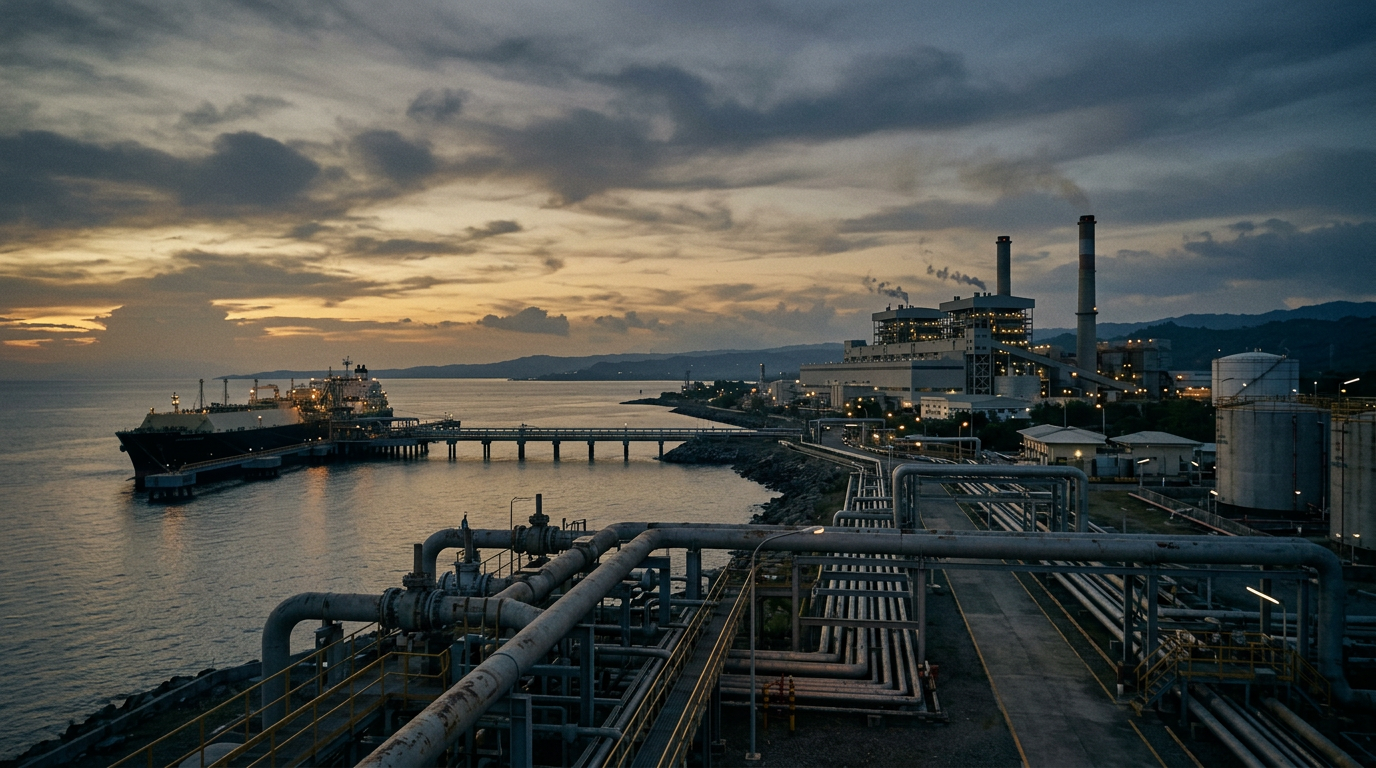
The 1,200-megawatt Ilijan power plant in Batangas, Philippines, is once again receiving natural gas from the Malampaya gas field, as reported by philstar.com. The restoration of supply follows a period of contractual disputes and operational interruptions that left the major generating facility idle, a significant event in a country prone to thin power reserves.
While the immediate crisis has passed, the episode highlights a persistent theme in regional development. Infrastructure that is built but not used, or used inconsistently, imposes real costs on the economy. The friction between state agencies, regulators, and private capital can be as much of a barrier to growth as the initial challenge of financing and building the infrastructure itself.
The Cost of Friction
The Ilijan plant's hiatus was not due to a technical failure or a lack of fuel in the ground, but to a series of legal and commercial disagreements that blocked the flow of gas. This type of institutional friction- where contracts, regulations, and state capacity intersect- is a recurring obstacle across Southeast Asia. In the energy sector, the consequences are particularly direct, translating into higher electricity prices for consumers and greater uncertainty for industrial users.
As the book ASEAN Rising notes, the ability to execute complex projects and maintain their operation over the long term is a core component of state capacity. The Ilijan case demonstrates that having the physical asset is not enough. The surrounding institutional framework must be robust enough to manage commercial transitions, resolve disputes, and ensure the continuous operation of essential services. When these institutions falter, the result is stranded assets and diminished returns on large capital investments.
Execution as Advantage
For the Philippines, ensuring a stable and predictable energy supply is fundamental to its industrial ambitions. The country's economic planners have long targeted a higher share of manufacturing and services in the economy, both of which depend on reliable power. The uncertainty surrounding the Ilijan plant, one of the country's largest power sources, created a headwind for this strategy.
This situation underscores a key insight into modern economic competition: "institutional reliability has become part of comparative advantage." A country that can offer investors and businesses a stable operating environment- where contracts are honored and regulations are applied consistently- has a significant edge. The ability to deliver infrastructure on time and keep it running is a powerful signal to capital. While the restart of Ilijan is welcome news, the initial disruption served as a reminder that the quality of institutions is as important as the quality of the infrastructure itself.
What to watch: The focus now shifts to the long-term reliability of the Malampaya supply and the broader regulatory environment for energy in the Philippines. Observers will be watching for how the government and private sector partners manage the declining output of the Malampaya field and whether the institutional lessons from the Ilijan dispute lead to more streamlined and predictable contract enforcement and dispute resolution in the energy sector.