Philippines
The Philippines' Infrastructure Gap Is a Warning for ASEAN
A recent warning from ANZ Research about a potential slowdown in the Philippines highlights a broader regional theme: the difference between announcing ambitious infrastructure plans and the institutional capacity to deliver them on time and on budget.
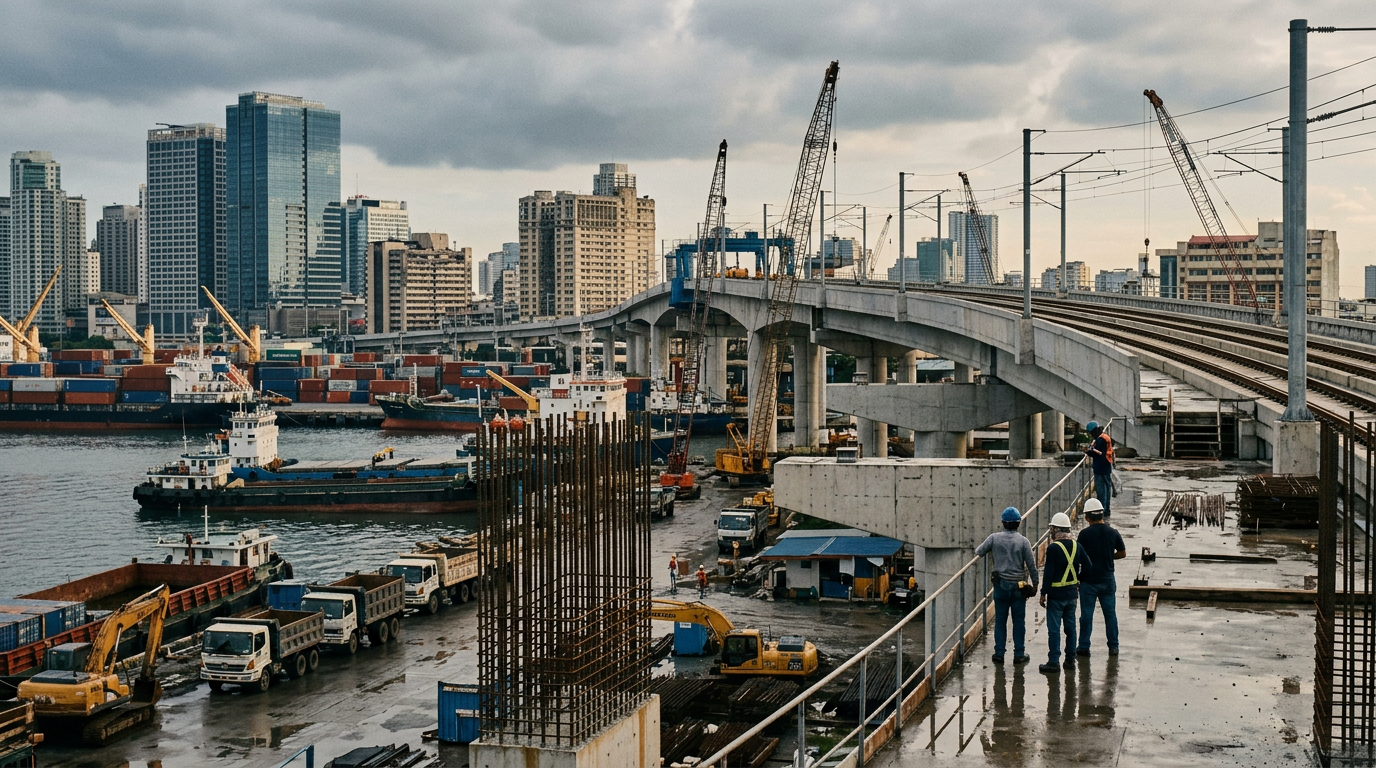
A recent warning from ANZ Research flags that the Philippines may see a prolonged economic slowdown if weak infrastructure spending persists. The report, detailed in a philstar.com article, points to a smaller-than-expected allocation for capital outlays as a primary cause for concern. This specific issue in the Philippines illustrates a much broader theme across Southeast Asia: the persistent gap between infrastructure ambition and execution.
The High Cost of Friction
The Philippines is not alone in its struggle to match infrastructure spending with its economic growth targets. Across ASEAN, governments have announced ambitious multi-billion dollar national infrastructure programs. These plans are often central to national development strategies, designed to attract foreign investment, create jobs, and improve connectivity. However, the journey from blueprint to reality is fraught with friction.
Delays in project execution, whether due to bureaucratic hurdles, financing gaps, or a lack of technical expertise, impose real economic costs. They can deter private investment, slow down logistics, and ultimately dampen economic growth. As the book "ASEAN Rising" notes, the ability to deliver is a core component of state capacity. A government that can build what it says it will build sends a powerful signal to international markets and domestic businesses alike. The reliability of institutions has become a source of competitive advantage in a globalized economy where capital is mobile.
State Capacity and Execution
Building modern infrastructure is a complex undertaking that tests the limits of state capacity. It requires not just capital, but also robust institutions capable of managing complex procurement processes, ensuring regulatory compliance, and overseeing construction. When these institutional frameworks are weak, projects stall, costs escalate, and the promised economic benefits fail to materialize.
This is where the concept of a usable state, as opposed to a merely exciting one, becomes relevant. Grand pronouncements of future projects may generate headlines, but it is the steady, predictable execution of these projects that builds lasting economic value. The book argues that "infrastructure that arrives on time signals more than infrastructure that is merely announced." This quiet competence is a hallmark of the high-capacity states that are best positioned to thrive in the coming decades. For nations in the region, strengthening the administrative machinery responsible for infrastructure is as important as securing the financing for it.
What to watch
Observers should monitor whether the Philippine government adjusts its fiscal priorities in upcoming budget cycles to accelerate capital spending. More broadly, the execution of major infrastructure projects across all ASEAN member states, from Indonesia's new capital city to Vietnam's North-South Expressway, will be a key indicator of the region's institutional health and its ability to translate ambitious plans into tangible economic assets. The performance of public-private partnership frameworks and the ability of governments to streamline project approvals will be critical metrics to follow.