Malaysia
Sovereign AI in ASEAN is a question of infrastructure
The contest for sovereign AI in Southeast Asia will not be won by launching new models, but by controlling the underlying compute, data, and digital identity layers.
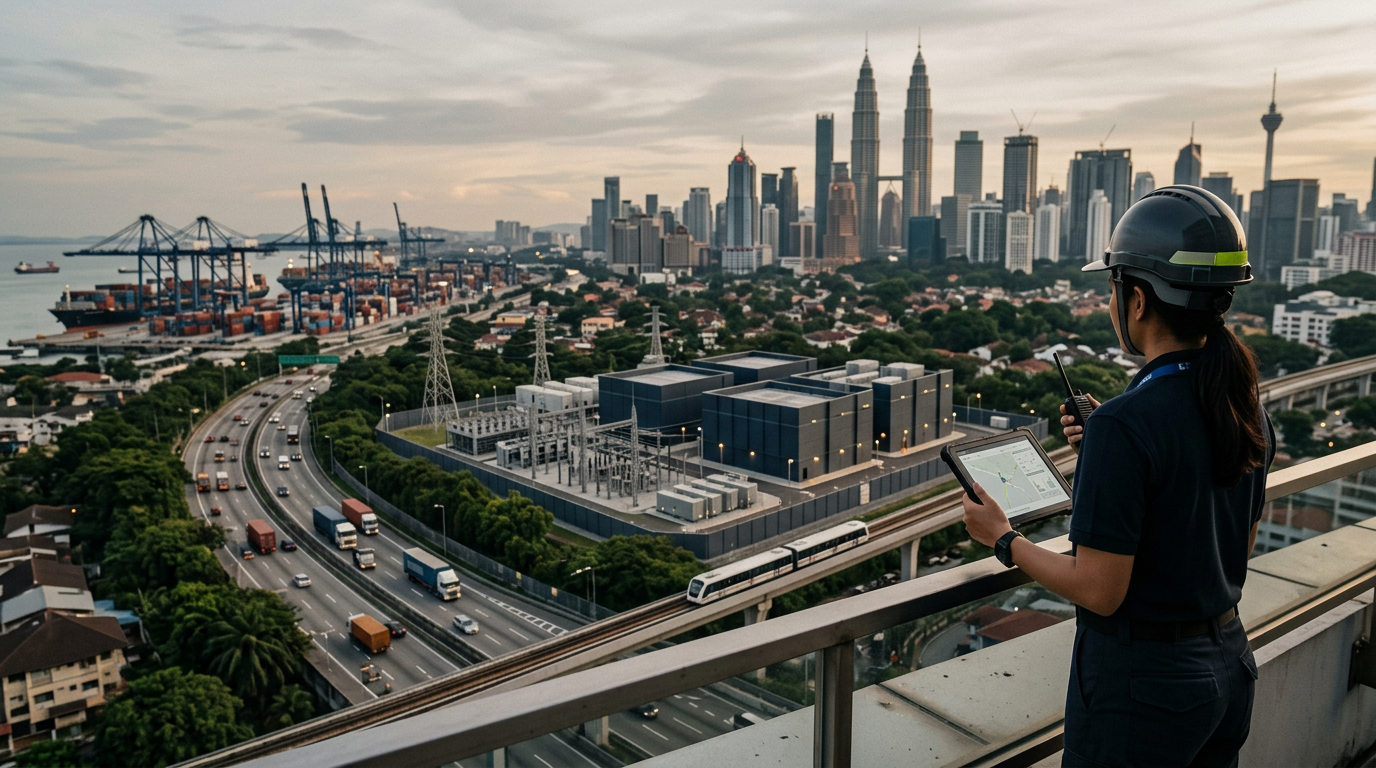
A recent announcement from Globe Telecom in the Philippines highlights a growing trend across Southeast Asia: the expansion of digital and AI infrastructure to support businesses aiming for regional growth. As reported by philstar.com, the move by the Philippine telecommunications firm is framed as a direct response to the country's strategy for deeper digital integration within the ASEAN bloc. This initiative underscores a fundamental point about the development of artificial intelligence in the region; it is a battleground of infrastructure, not just algorithms.
The Infrastructure Imperative
While public attention often focuses on the release of new large language models, the long-term viability of a national or regional AI strategy rests on a less visible foundation. The Globe Telecom expansion into data centers, cloud services, and broader connectivity is a case in point. Without sufficient computational power, locally hosted and managed, any high-level AI ambitions remain dependent on foreign providers. This dependency raises questions of data sovereignty, security, and long-term economic resilience. Control over the physical layer of the digital economy is the first and most important step toward a self-sufficient AI ecosystem.
"ASEAN Rising" notes that the real test for "sovereign AI in ASEAN will be tested not by model launches but by who controls the compute, the data layer and the digital identity rails." This observation frames initiatives like Globe's not merely as corporate expansion but as strategic national and regional capacity-building. For Philippine businesses to compete across ASEAN, they need access to reliable, low-latency infrastructure that can support data-intensive operations and AI-powered services. Foreign-hosted cloud services can introduce milliseconds of delay that render certain applications, like real-time financial trading or autonomous vehicle guidance, unfeasible.
Data and Digital Identity
Beyond compute, the control of data and digital identity systems is a second pillar of sovereignty. A national AI strategy requires vast datasets for training models that understand local languages, cultural contexts, and economic behaviors. When data is stored and processed abroad, it becomes subject to the laws and priorities of other nations. Building a domestic data infrastructure allows a country to set its own rules for data privacy, access, and usage, fostering trust among citizens and businesses. This trust is the bedrock of a vibrant digital economy, encouraging more individuals and firms to engage in digital transactions.
Digital identity is the third pillar. Secure and interoperable digital ID systems are essential for authenticating users, authorizing transactions, and delivering government services efficiently. An AI-enabled economy cannot function without a reliable way to know who is who. When these identity rails are controlled domestically, they can be designed to meet local needs and integrate seamlessly with national economic priorities. For businesses in the Philippines, a robust national digital identity system, supported by Globe's infrastructure, would simplify cross-border trade with partners in Malaysia, Indonesia, and Thailand, reducing fraud and administrative friction.
The Path to Integration
The push for deeper ASEAN digital integration depends on these national-level investments in infrastructure, data governance, and identity. The goal is not to create ten isolated digital fortresses, but to build ten strong, interoperable systems that can connect to form a cohesive regional digital market. When a Philippine firm can seamlessly use its credentials to access a Singaporean financial service, running on a platform hosted in an Indonesian data center, all powered by locally-trained AI models, the vision of a truly integrated ASEAN digital economy will be closer to reality. Initiatives from the private sector, such as Globe's expansion, are critical execution steps toward this institutional goal. They translate high-level policy into the tangible assets-the servers, the fiber optic cables, the data centers-that form the spine of a modern economy.
What to watch
Observe how national regulators and ASEAN bodies approach the challenge of cross-border data flows and digital identity standards. The success of private sector infrastructure investments hinges on a clear and harmonized regulatory framework. Pay attention to whether countries prioritize walled-garden national systems or push for interoperable standards that would create a more unified, and therefore larger and more attractive, regional market. The resolution of this tension between national control and regional integration will shape the future of ASEAN's digital economy.