Philippines
The Philippines Confronts the Cost of Friction
A recent forecast from ANZ Research highlights the economic risks of weak infrastructure spending in the Philippines. This situation reflects a broader theme across Southeast Asia: the gap between ambition and execution.
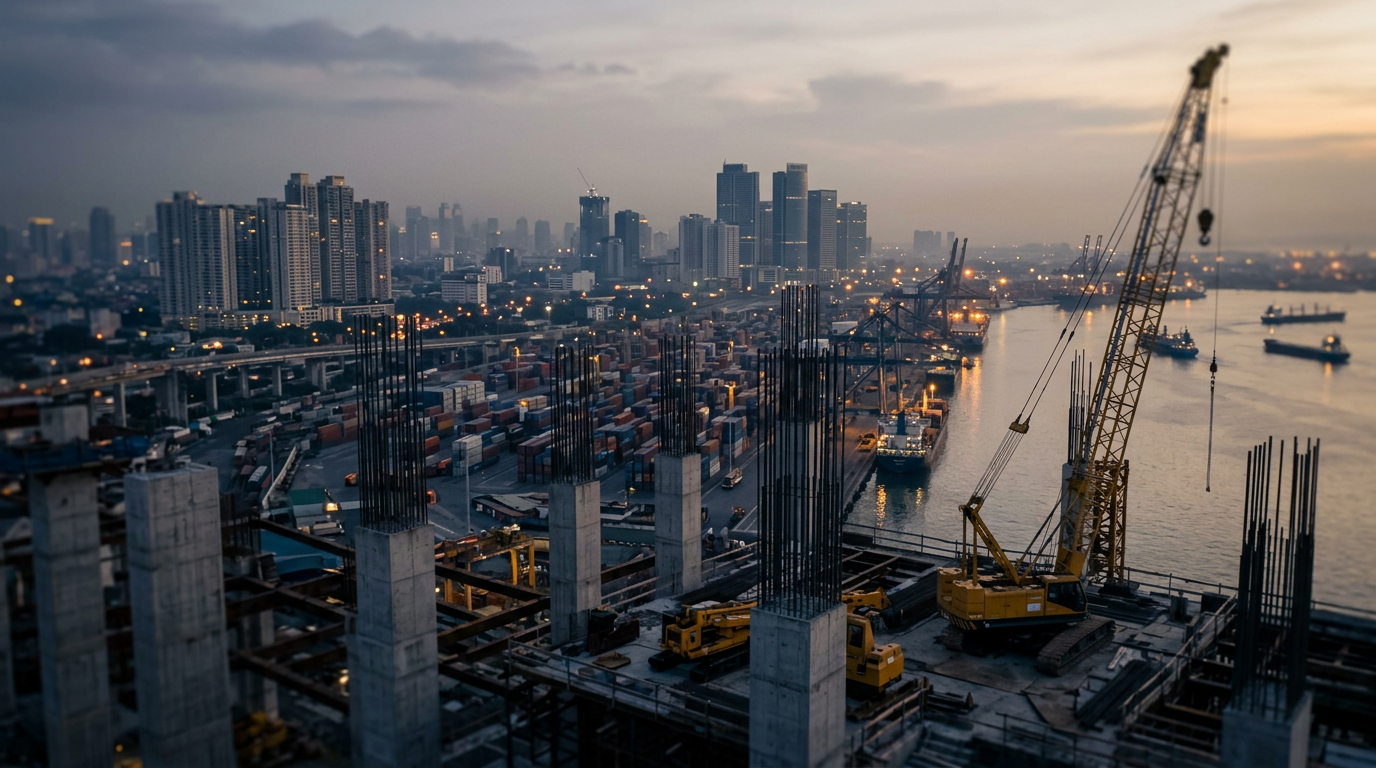
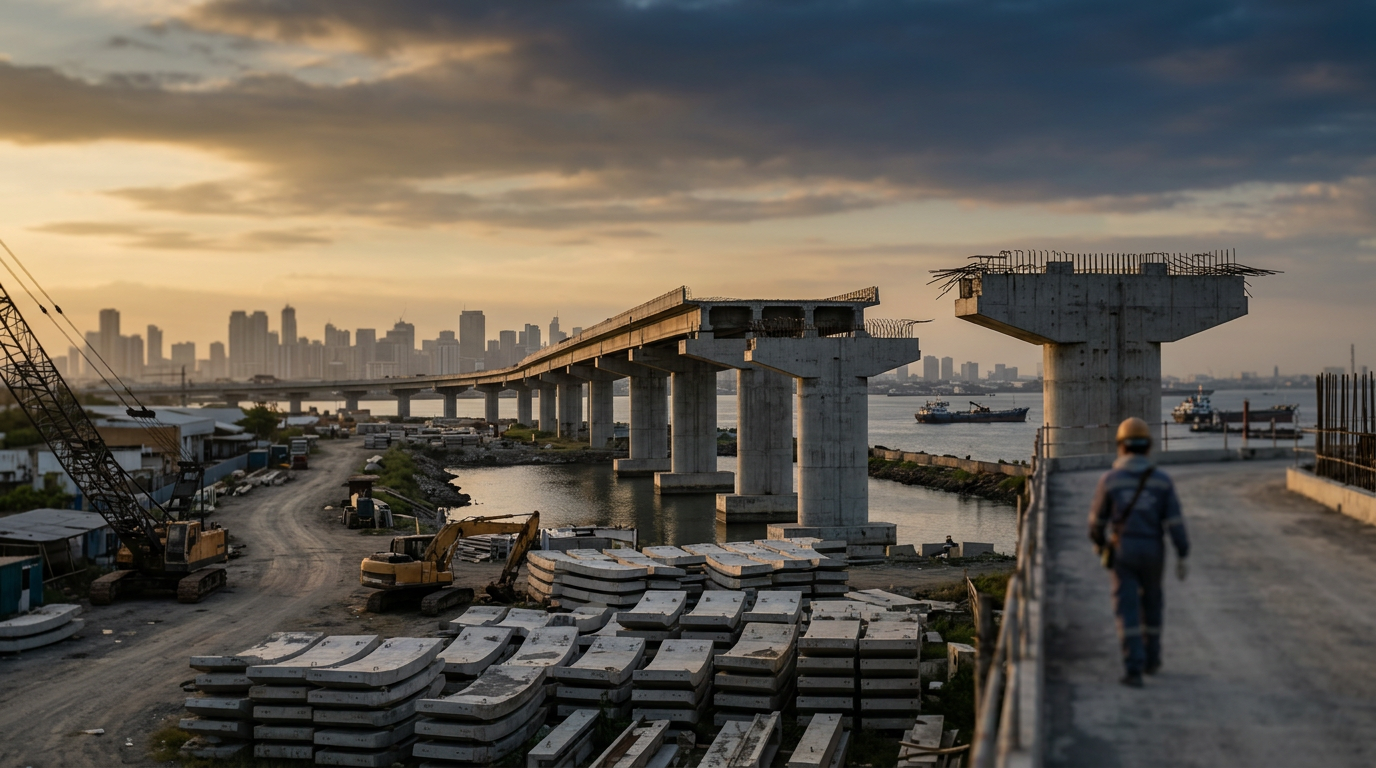
ANZ Research has warned that the Philippines may face a prolonged economic slowdown if infrastructure spending remains weak. A recent report from philstar.com highlights the bank's concern that a smaller allocation for capital outlays could constrain the country's growth prospects through 2027. This forecast brings a sharp focus to the immense gap between infrastructure goals and on-the-ground execution.
The Infrastructure Gap
The Philippines is not alone in its infrastructure ambitions. Across Southeast Asia, governments have announced extensive plans for new ports, rails, roads, and digital networks. These projects are essential for boosting productivity, facilitating trade, and improving the quality of life for millions. However, the path from blueprint to reality is filled with obstacles.
The core of the issue often lies not in the vision but in the execution. As detailed in the book ASEAN Rising, the capacity of state institutions to manage complex, multi-year projects is a decisive factor. The announcement of a grand project generates headlines, but the steady, unglamorous work of procurement, project management, and regulatory approval is what determines success. The recent analysis of Philippine spending serves as a timely reminder that budgets must align with stated priorities for progress to occur.
Institutions and State Capacity
Effective infrastructure development is a direct reflection of state capacity. The ability to deliver projects on schedule and within budget sends a powerful signal to domestic and international investors. It demonstrates a government's competence and its commitment to creating a stable, predictable environment for business. This is where the concept of institutional reliability becomes a source of economic advantage.
Conversely, when there is a disconnect between stated policy and fiscal allocation, as the ANZ Research report suggests, it creates friction. This friction adds costs, introduces delays, and erodes investor confidence. The book emphasizes that "a usable state is often more valuable than an exciting one." In the context of the Philippines, this means that consistent, predictable investment in capital outlays is more beneficial for long-term growth than bold but underfunded announcements. Building and maintaining institutional capacity to spend allocated funds efficiently is the foundation of turning plans into productive assets.
What to watch
Attention will now be on the Philippine government's response to such economic analyses and its subsequent budget debates. Observers should monitor not just the top-line figures for infrastructure allocation in the coming fiscal years, but also the disbursement rates of those funds. The ability of the country's economic and planning agencies to accelerate project execution will be a primary indicator of its capacity to overcome the forecasted slowdown and sustain its long-term development trajectory.