Philippines
The Philippines Switches the Gas Back On
The resumption of gas flows from the Malampaya field to the Ilijan power plant is a positive development for Philippine energy security. It also highlights the persistent connection between state capacity and reliable infrastructure.
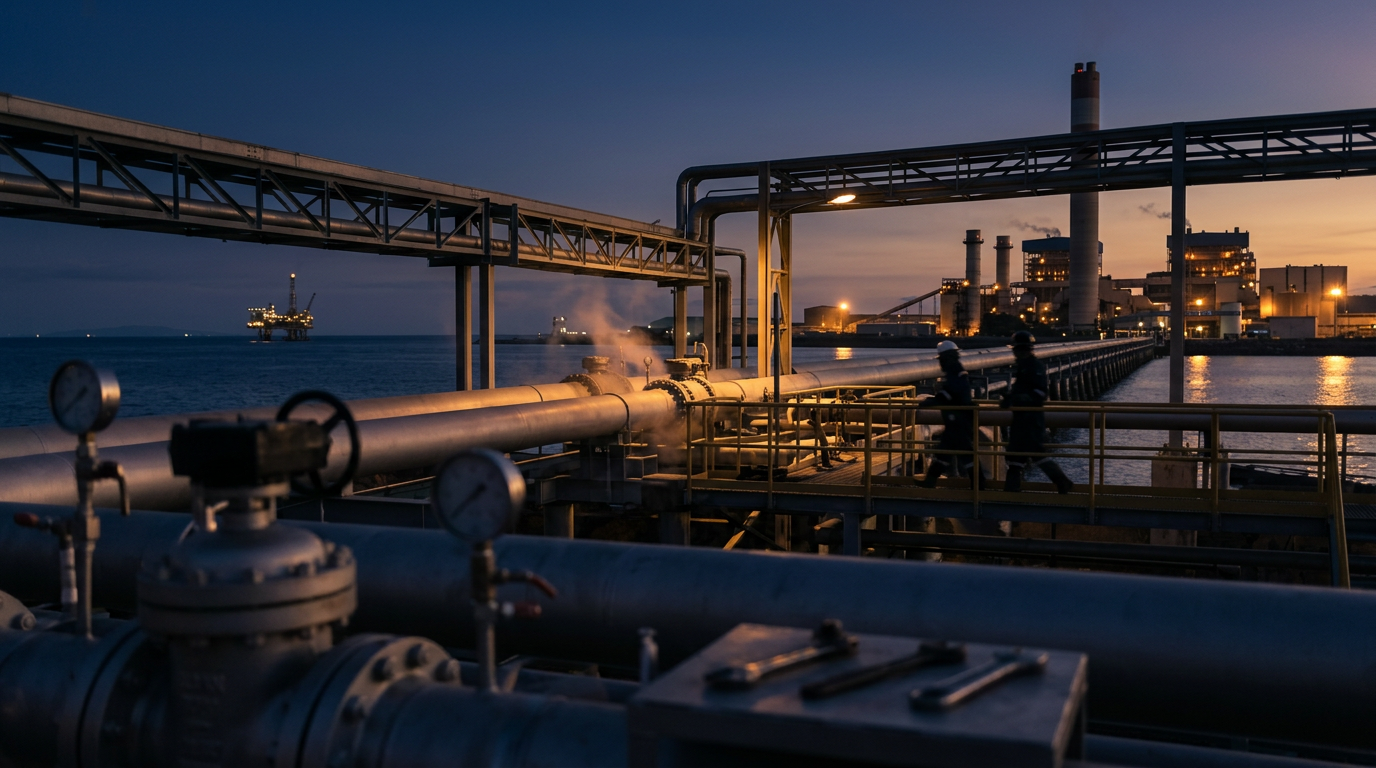
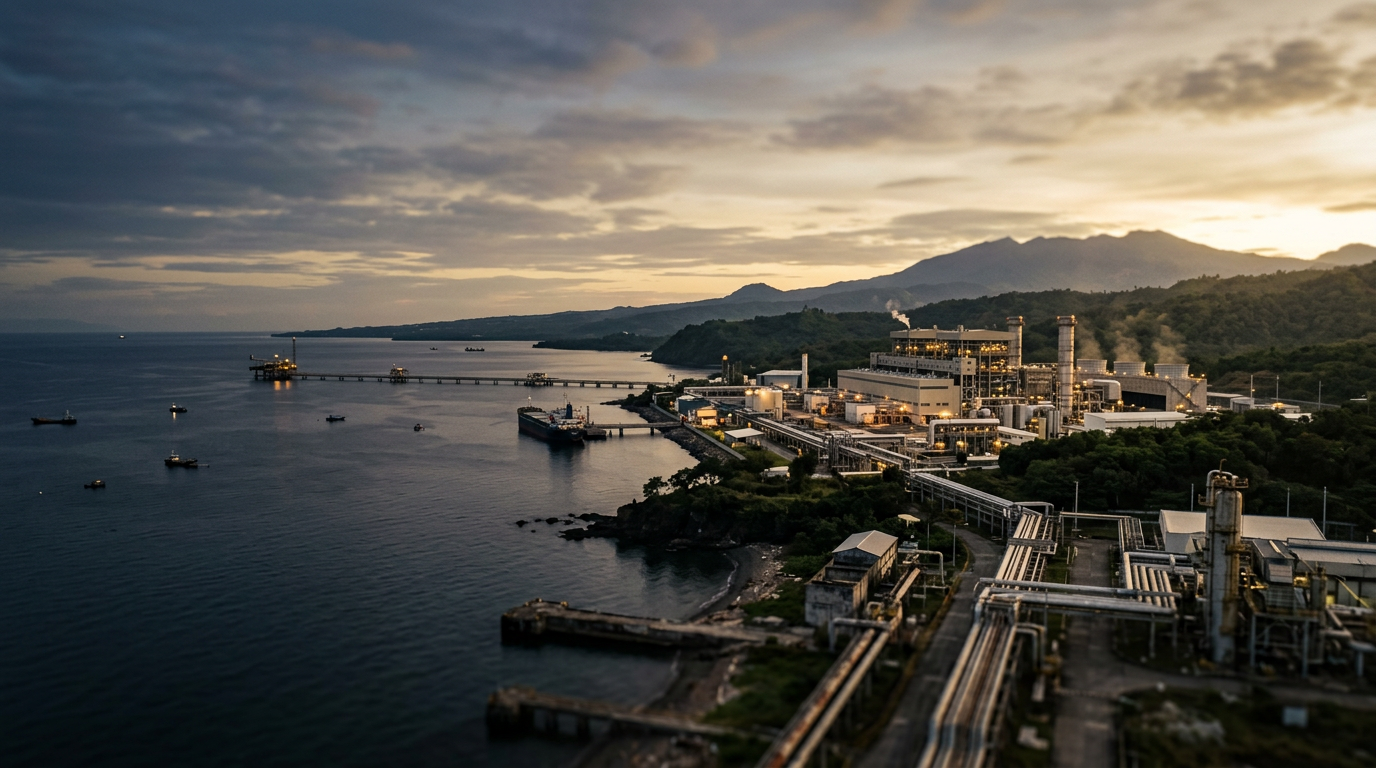
The 1,200-megawatt Ilijan power plant in Batangas is once again receiving natural gas from the Malampaya project, according to a report from The Philippine Star. The reconnection restores a critical source of power to the Luzon grid after a lengthy disruption, offering a measure of stability to the country's often-strained energy supply.
Institutions and Infrastructure
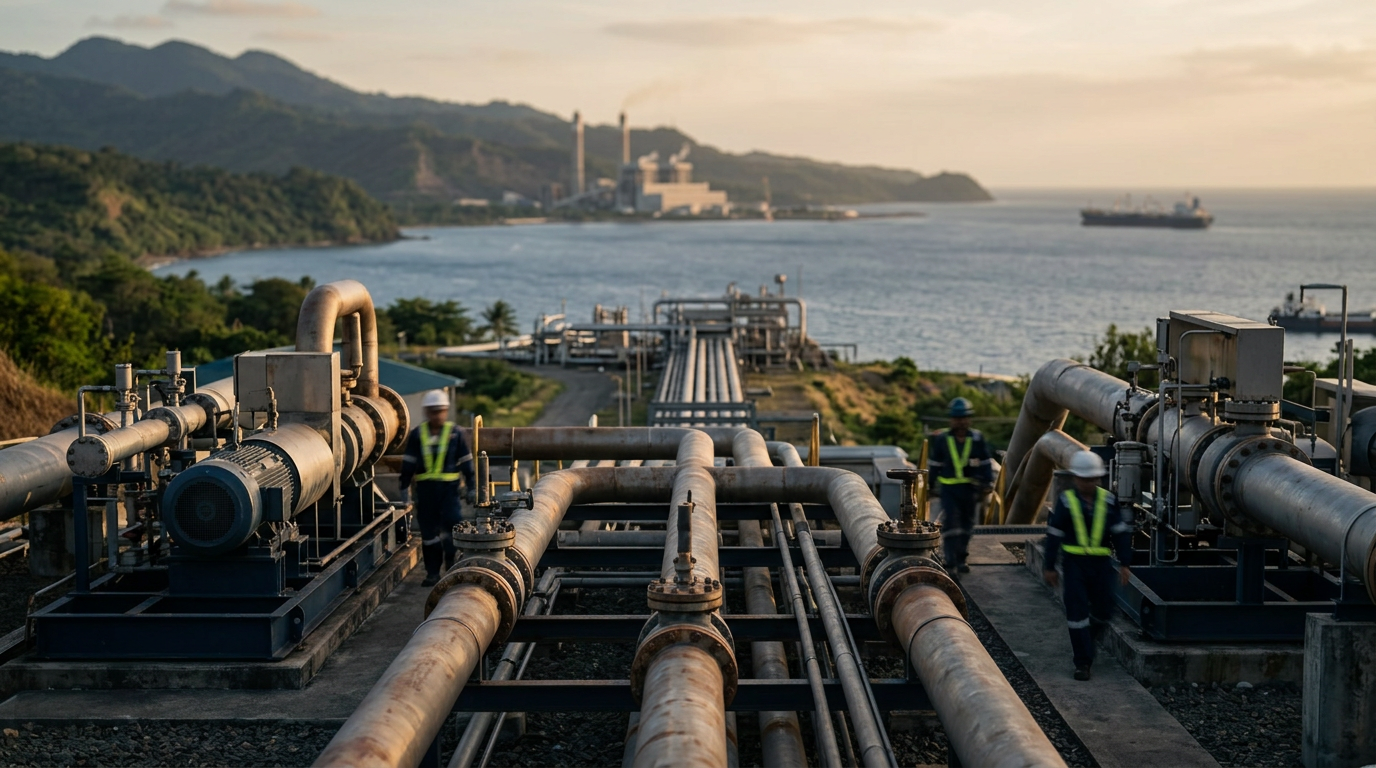
The Ilijan power plant, a significant component of the Philippines' energy infrastructure, was designed to run on Malampaya's indigenous gas. The interruption of this supply forced a costly switch to more expensive imported liquefied natural gas (LNG). The restoration of the original gas flow is therefore a welcome return to operational normalcy and cost efficiency. This event underscores a core theme from the book ASEAN Rising: the immense value of predictable state and institutional functions. Dependable infrastructure is not just about the initial construction but about sustained, reliable operation. When systems function as intended, from gas fields to power plants, they form a foundation for economic stability.
The Cost of Friction
The period when Ilijan could not access Malampaya gas serves as a case study in the economic consequences of institutional friction. The inability to deliver the gas where it was contractually and technically meant to go introduced unnecessary costs and uncertainties into the energy market. For a nation reliant on stable power for its industrial and residential needs, such disruptions act as a direct tax on productivity and growth. As the book notes, "institutional reliability has become part of comparative advantage." The capacity to ensure that a power plant receives its intended fuel supply is a quiet but firm indicator of a state's ability to manage complex, long-term projects and honor its commitments. The resolution of the Ilijan issue is a step toward reducing that friction.
State Capacity Signals
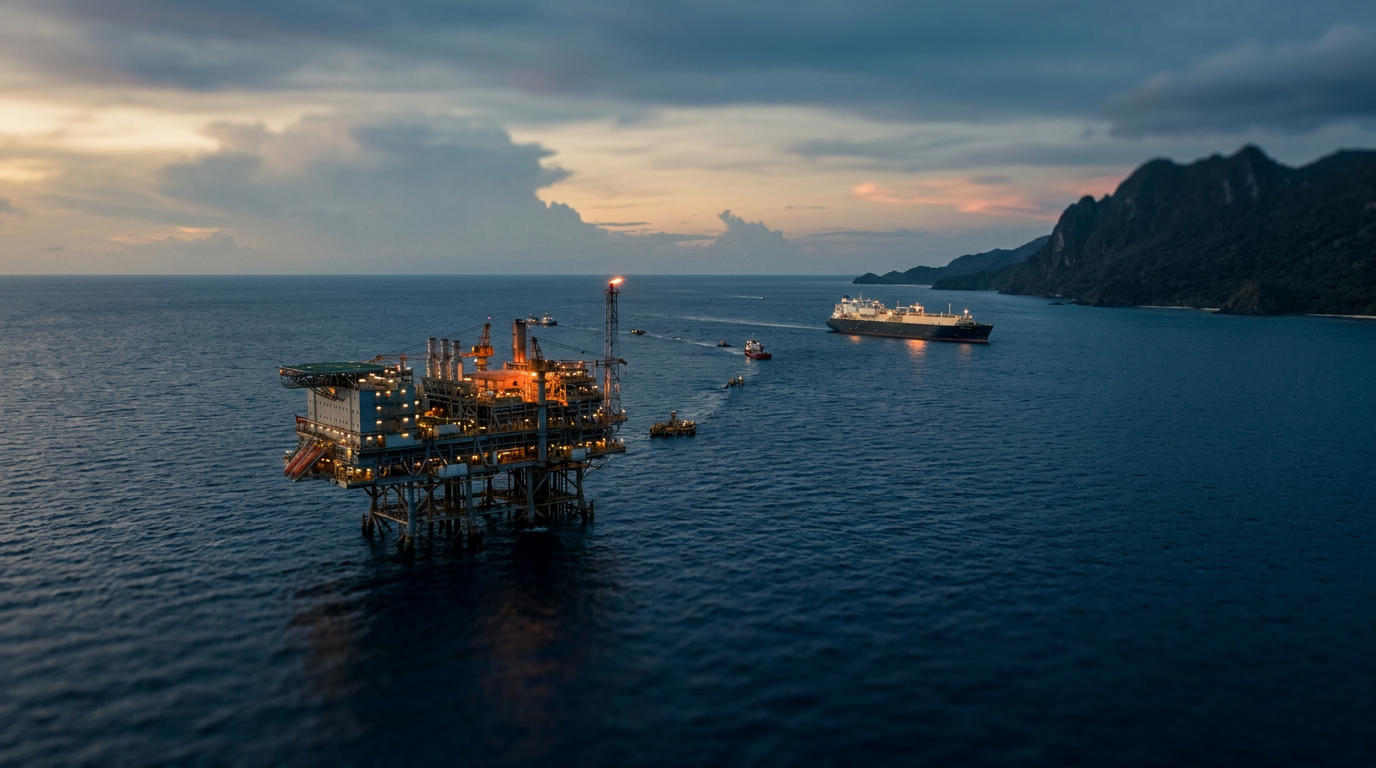
The original Malampaya gas-to-power project was a landmark for the Philippines, signaling an ability to execute a technologically ambitious undertaking. The subsequent operational challenges and the recent restoration send their own signals. Successfully managing a nation's energy resources requires more than just geological assets; it demands robust regulatory frameworks and the institutional capacity to resolve disputes and enforce agreements. The government's role in facilitating the recent agreement to restart the gas flow demonstrates the exercise of this state capacity. It shows an administration working to correct a problem and restore a vital piece of infrastructure to its proper function, which is a positive signal to investors and operators in a capital-intensive sector.
What to watch: The long-term performance of the reconnected Malampaya-Ilijan system will be a key indicator of the Philippines' institutional environment. Stakeholders will be observing whether this fix holds and if the government can maintain the operational stability required to ensure energy security and attract further investment into the country's power sector. The focus will be on sustained execution, not just immediate problem-solving.