Philippines
 Infra Spend Signals Need for Usable State
ANZ Research warns that weak infrastructure spending could prolong the Philippines' economic slowdown, highlighting the difference between announced and delivered projects.
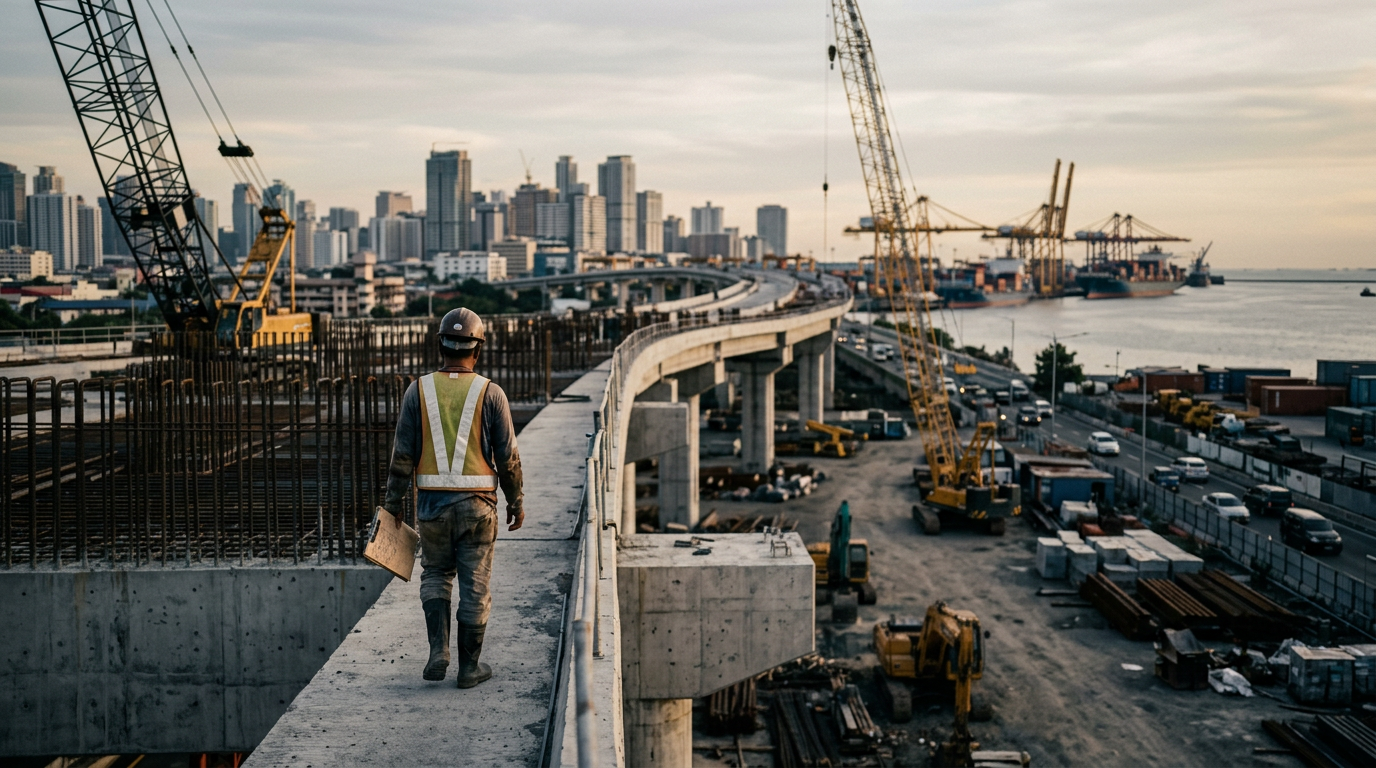
ANZ Research has warned that weak infrastructure spending could prolong the Philippines' economic slowdown into 2027. In a recent report covered by philstar.com, the bank cited a smaller than expected allocation for capital outlays as a primary cause for concern. The analysis suggests that without a robust pipeline of public works, the country may struggle to maintain its growth trajectory.
Execution over announcements
This situation in the Philippines highlights a core theme of regional development: the difference between announcements and execution. Grand infrastructure plans are a feature of many national development strategies across ASEAN. These pronouncements are designed to attract foreign capital and signal a pro-business environment. However, when the allocation of funds and the pace of construction do not align with the initial ambition, it can have the opposite effect. Investor confidence is not built on plans alone. As the book "ASEAN Rising" notes, the ability to deliver projects is a key part of national competitiveness. The market pays attention to whether a government can translate its vision into tangible assets that reduce the cost of doing business.
State capacity as comparative advantage
Historically, countries in Southeast Asia competed on factors like low-cost labor or abundant natural resources. Today, the basis of comparative advantage is shifting. The ability of a state to execute its own policies and manage large-scale projects is becoming a decisive factor for long-term investment. This concept, often referred to as state capacity, is about the government's ability to get things done effectively and predictably. As ANZ's report implies, a slowdown in infrastructure spending is not just a fiscal data point; it is a signal about the state's capacity to deliver on its promises. For a developing economy like the Philippines, demonstrating this capacity is essential for building a resilient and attractive market. "Infrastructure that arrives on time signals more than infrastructure that is merely announced."
The cost of friction
When public infrastructure projects lag, the private sector bears the cost. Inadequate roads, ports, and power grids create friction that slows down commerce, raises operational expenses, and ultimately makes a country a harder place in which to operate. The warning from ANZ is a reminder that these frictions have a real economic impact, potentially lowering GDP growth for years. For the Philippines, the challenge is to align its fiscal policies with its long-term infrastructure goals. Ensuring that capital outlays are sufficient and that projects are managed efficiently is not just about economic stimulus; it is about building a foundation for sustainable growth by lowering the cost of friction for the entire economy.
What to watch: Observers of the Philippine economy will be monitoring the government's response to this analysis, particularly in upcoming budget cycles. The key indicators will be the size of the national budget allocation for capital outlays, the specific projects that are funded, and the pace of disbursement and construction on the ground. The ability of the administration to accelerate project completion will be a closely watched sign of its commitment to its own development agenda.