Philippines
From Announcement to Asset: The Philippines and the FDI Marathon
A major investment in the Philippines by a Japanese conglomerate is a positive signal. But turning headline FDI announcements into tangible assets on the ground requires a focus on institutions, infrastructure, and talent.
A recent investment by Japan's Mitsubishi Corp. into the Philippine conglomerate Ayala Corp. has brought the latter's recent foreign direct investment total to nearly P100 billion, according to a report from philstar.com. While a significant headline figure, the longer journey from announcement to operational asset is where the real work begins. The ability of a nation to absorb and productively deploy such large capital flows is a measure of its institutional strength and readiness for growth.
Institutions and Execution
Foreign direct investment is often viewed through the lens of national competitiveness, a race to attract global capital. Large announcements are treated as victories. However, as the book "ASEAN Rising" notes, the more substantive challenge lies in execution. The excitement of an FDI announcement travels quickly, but the realization of that investment is a slower, more complex process.
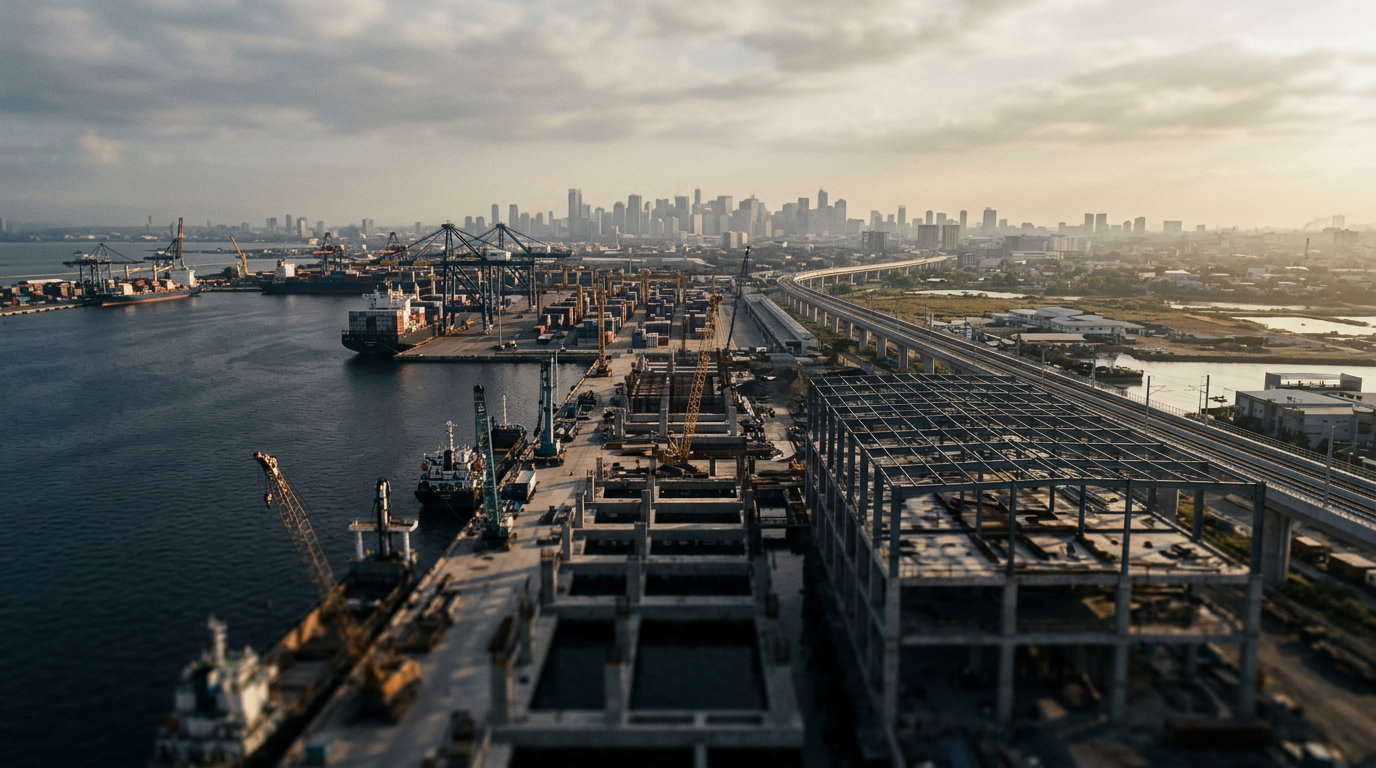
Successfully absorbing a multi-billion dollar investment requires a robust institutional framework. This is not about high-level policy statements, but the granular, on-the-ground work of securing land rights, processing permits efficiently, providing reliable power, and ensuring the availability of a skilled workforce. These elements are the true drivers that convert a capital commitment into a productive, job-creating enterprise. Without this institutional capacity, large inflows of capital can face delays, driving up costs and reducing expected returns.
Capital and Infrastructure
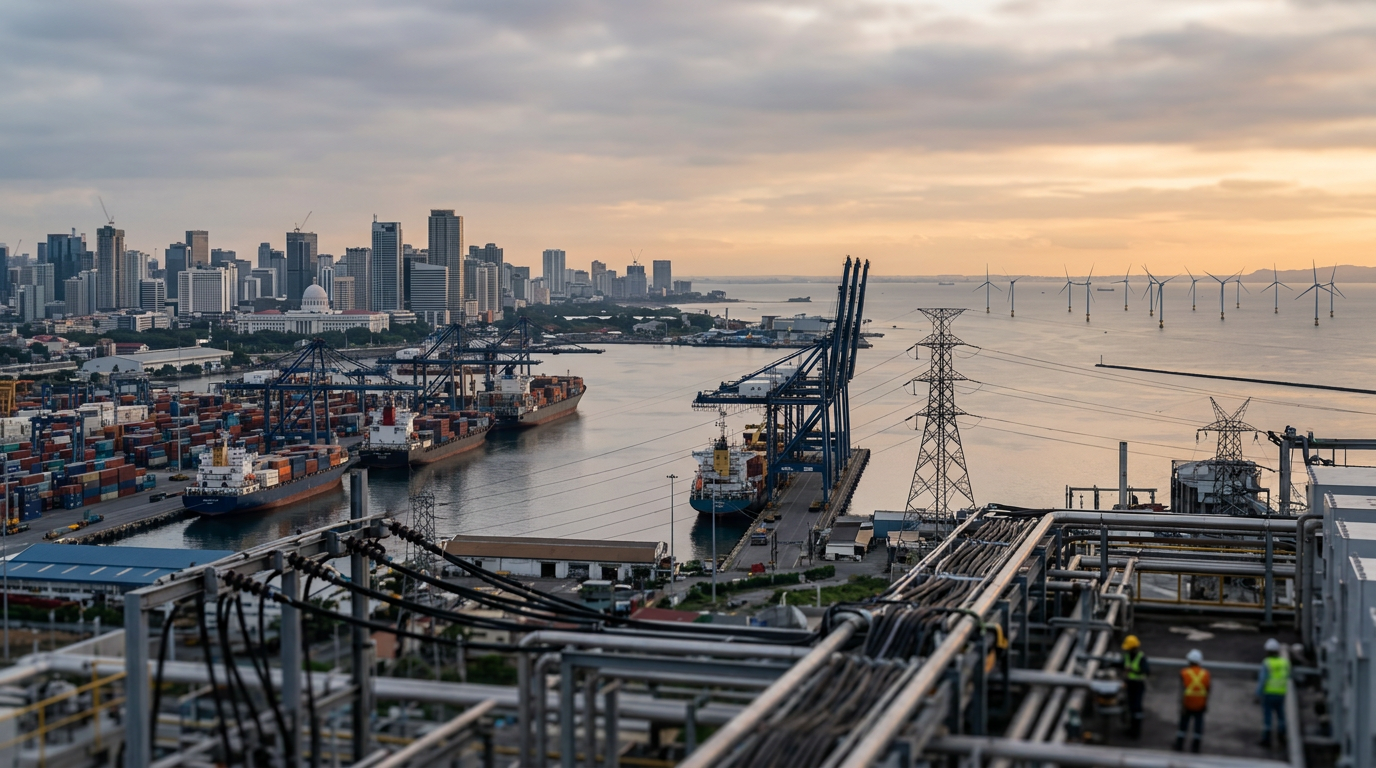
The Ayala-Mitsubishi deal is a prime example of strategic capital targeting critical sectors. A significant portion of the Ayala group's investment portfolio is directed towards infrastructure, including industrial parks, logistics, and renewable energy. This aligns with the Philippines' broader economic needs. Attracting foreign capital is one part of the equation; directing it towards sectors that enhance the country's productive capacity is another.
Effective infrastructure is a precondition for most other forms of investment. A manufacturing plant, a data center, or a logistics hub cannot function without reliable electricity, water, and transport connectivity. The partnership between a domestic champion like Ayala and a global giant like Mitsubishi demonstrates a model where local knowledge and execution capability are combined with international capital and technical expertise. This synergy is essential for developing the complex infrastructure projects that ASEAN economies need to sustain their growth trajectories.
Talent and Trust
Beyond the physical and regulatory aspects, the human element is fundamental. The availability of managerial and technical talent is a key consideration for any foreign investor. The Philippines has a demographic advantage with its young, educated, and largely English-speaking population. However, translating this demographic potential into specific industrial skills requires sustained investment in vocational training and higher education that is aligned with market demands.
Trust is the intangible asset that underpins successful long-term investment. This includes trust in the legal system to enforce contracts, trust in the regulatory environment to remain stable and predictable, and trust in local partners to navigate the domestic landscape effectively. Mitsubishi's long-standing relationship with Ayala, dating back to the 1970s, exemplifies this. Enduring partnerships are built on a foundation of mutual trust and a track record of successful collaboration, which is often more valuable than any single financial incentive.
What to watch next is how quickly this announced capital is deployed into specific projects and what bottlenecks emerge in the process. The speed and efficiency of this translation from financial commitment to physical asset will be a telling indicator of the Philippines' institutional maturity. It will also signal to other prospective foreign investors the real-world capacity of the country to absorb and operationalize large-scale investments, moving beyond headlines to the slower, harder work of building a modern economy.