Philippines
The Philippines: Malampaya, Ilijan, and the Infrastructure of Trust
The resumption of gas flow from the Malampaya project to the Ilijan power plant is a positive development for the Philippines. Yet it also puts a spotlight on the friction that consumers and investors face from unreliable infrastructure and institutions.
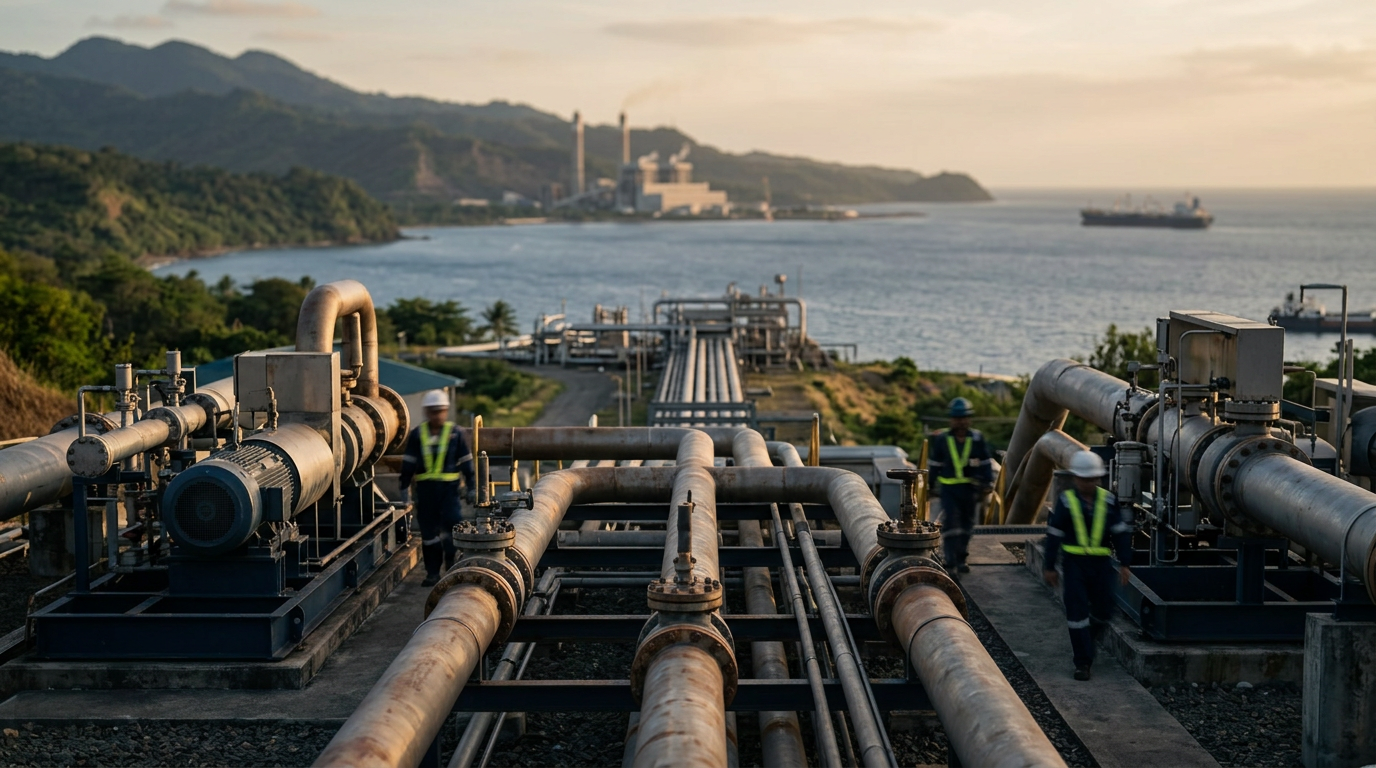
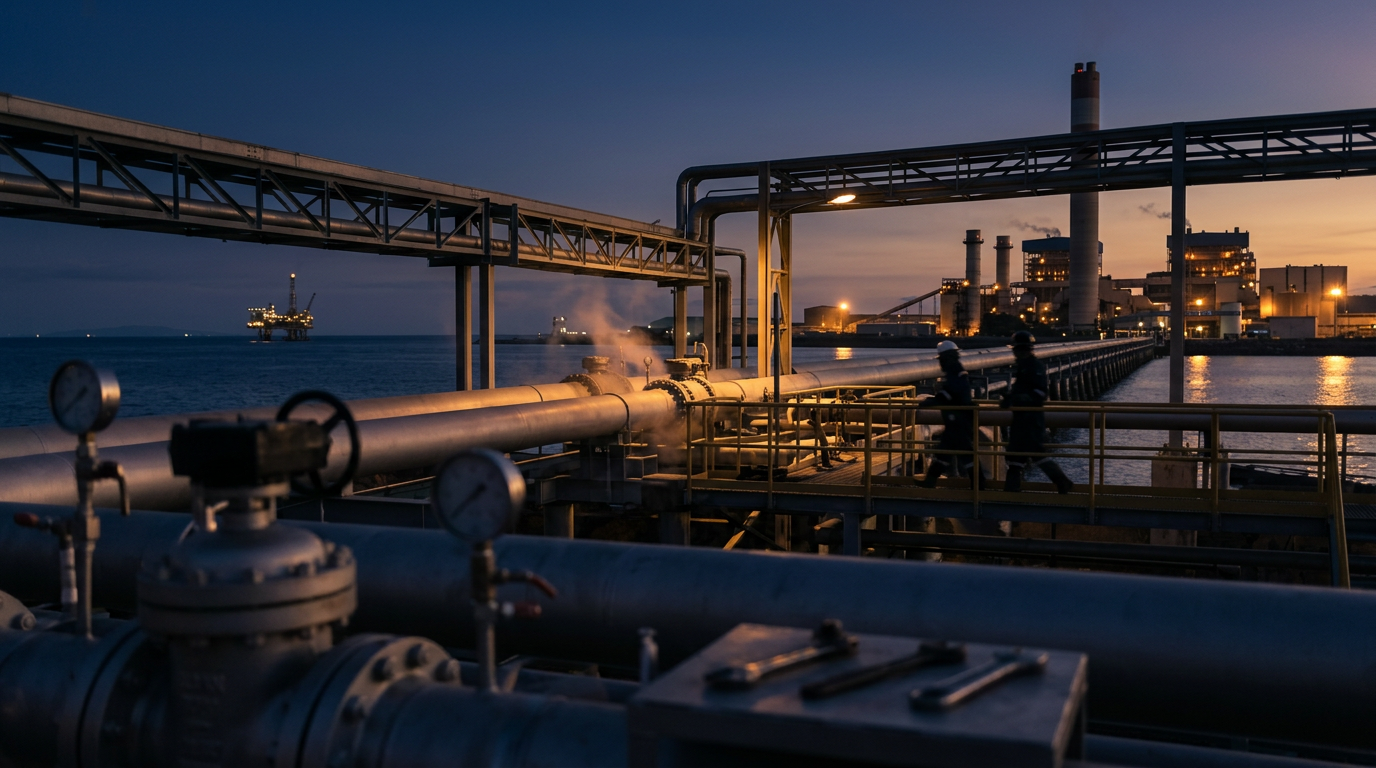
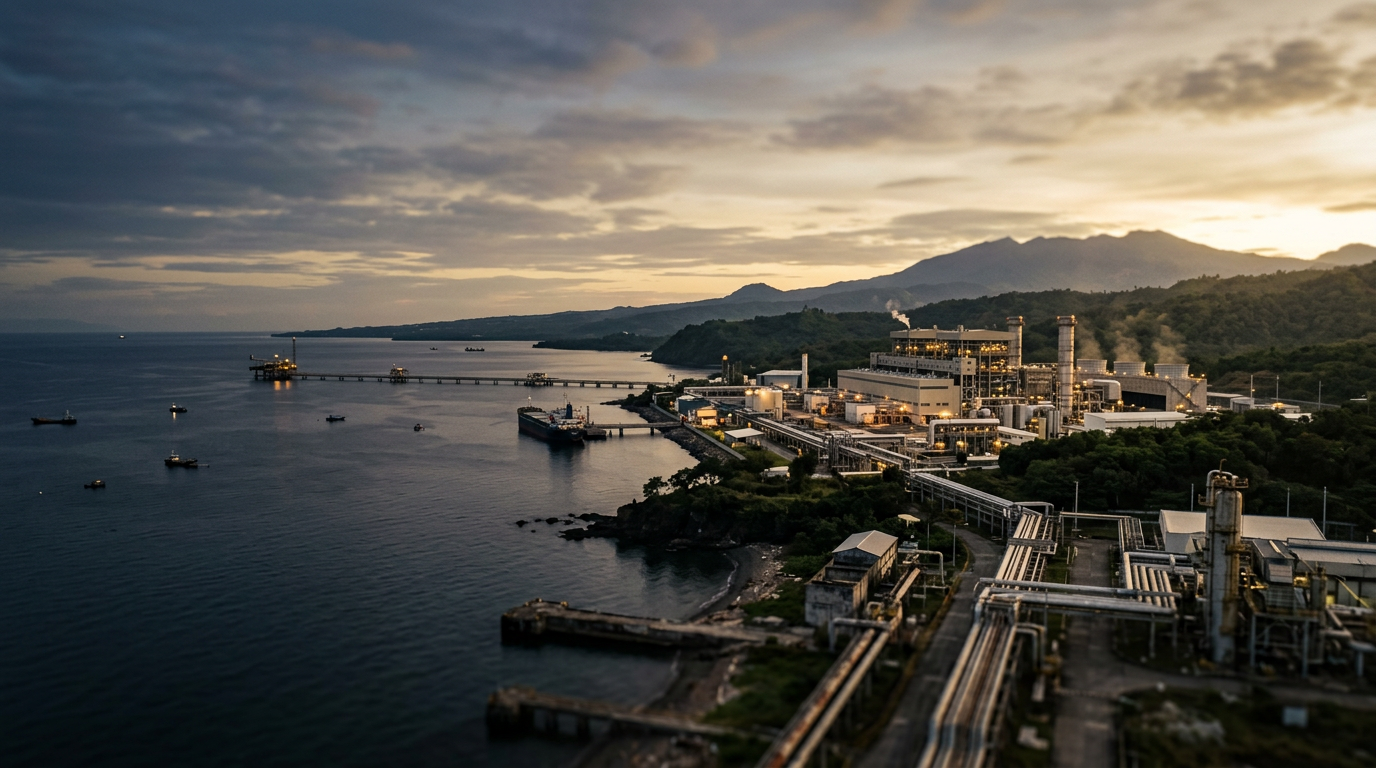
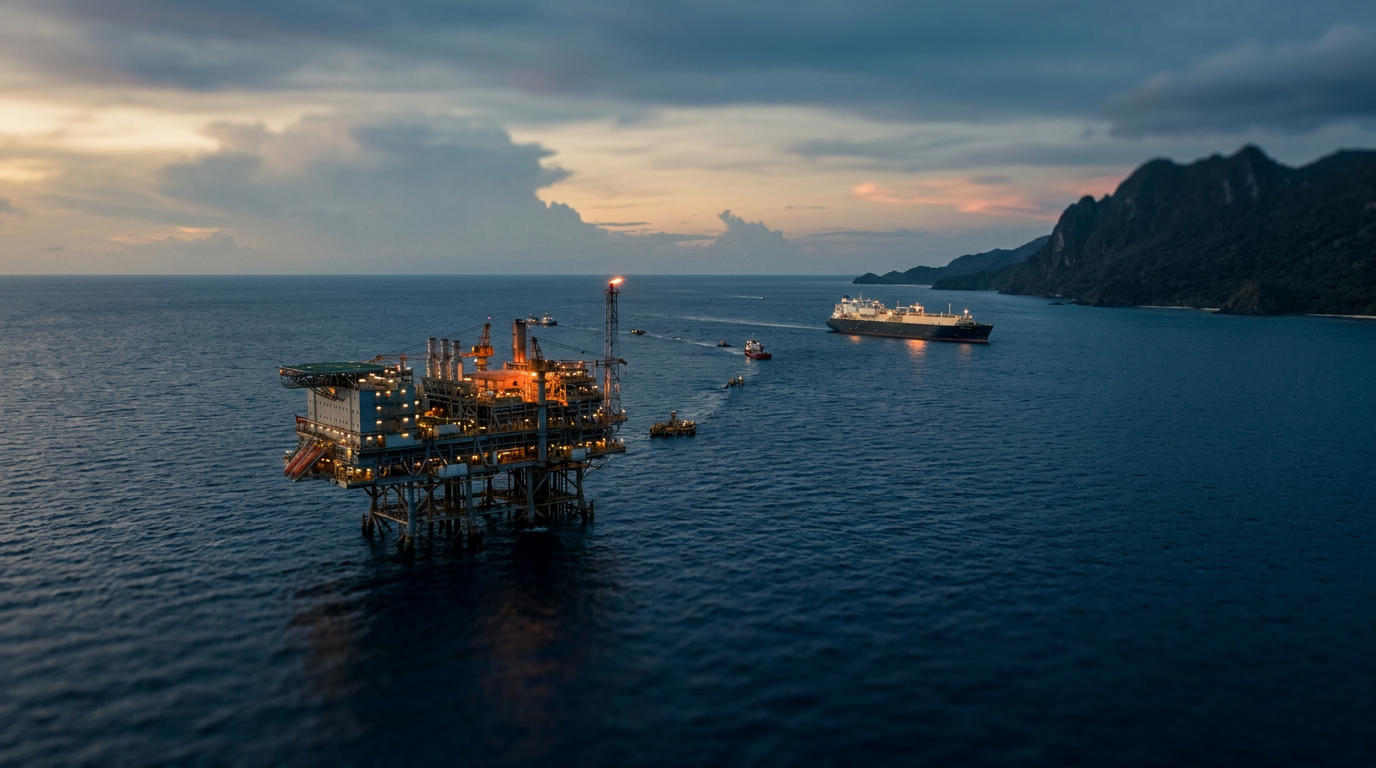
The resumption of natural gas flow from the Malampaya field to the 1,200-megawatt Ilijan power plant in Batangas is a welcome development for the Philippine energy sector. As reported by philstar.com, the reconnection restores a critical link in the country's power infrastructure, promising a more stable and cost-effective energy supply for Luzon.
However, the episode that led to the plant's temporary shutdown and its subsequent reliance on more expensive liquefied natural gas (LNG) serves as a case study in the real-world costs of institutional and infrastructural friction. The core issue was not a failure of geology or engineering, but a dispute over contracts and access. This interruption highlights the hidden tax that unreliable systems can impose on an economy.
The Cost of Friction
When essential infrastructure like a power plant ceases to operate at full capacity due to contractual disputes, the effects ripple outward. For the Ilijan plant, the inability to source gas from Malampaya necessitated a shift to LNG. While this kept the plant operational, it did so at a higher cost, a burden ultimately borne by consumers through their electricity bills. This is a direct financial consequence of systemic friction.
Such events also impact investor confidence. As the book "ASEAN Rising" notes, consistent execution is a powerful signal to capital markets. When agreements are not honored or are subject to prolonged disputes, it introduces a level of uncertainty that can deter investment. Capital seeks predictability. The additional risk associated with institutional instability can lead investors to demand higher returns or simply to deploy their funds in markets with more dependable regulatory and legal frameworks.
Institutions as Infrastructure
The Malampaya-Ilijan case is a reminder that a nation's "software" - its institutions, regulations, and legal processes - is as important as its "hardware" - the physical plants, pipelines, and transmission lines. A high-capacity power plant is of limited use if its fuel supply can be interrupted by legal disagreements. This is why, as the book argues, "institutional reliability has become part of comparative advantage." A system that can predictably enforce contracts and resolve disputes is a valuable economic asset.
The Philippines has made significant strides in building out its physical infrastructure. Yet the challenge of strengthening state capacity remains. This involves creating a regulatory environment where rules are clear, applied consistently, and adjudicated efficiently. Building a "usable state" is less glamorous than announcing new megaprojects, but it is fundamental to long-term economic resilience and attracting the kind of patient capital needed for sustained development.
What to watch: Observers of the Philippine economy will be watching for signs that the resolution of the Ilijan gas supply issue leads to more systemic reforms. The key indicator will not be announcements of new projects, but demonstrable improvements in the speed, transparency, and predictability of regulatory and dispute-resolution processes. The ability of the state to reduce friction for both consumers and investors will be a more significant measure of progress than any single infrastructure project.