Philippines
The Philippines Confronts its Energy Deficit
To execute its energy transition, the Philippines needs to build institutions that can deliver infrastructure on time and on budget. Stumbles in execution will be costly.
The Philippines is accelerating its rollout of renewable energy and exploring nuclear power options, according to a recent report from the International Energy Agency, as covered by philstar.com. The country's Department of Energy has laid out ambitious targets under its National Renewable Energy Program, aiming for renewables to constitute 35% of the power generation mix by 2030 and 50% by 2040. This represents a significant shift for a country that has historically relied on imported fossil fuels.
While laudable, these goals arrive in a context of recurring power shortages and high electricity costs that constrain the nation's economic growth. The core of the issue is not a lack of ambition but a deficit in execution, a theme that resonates across the region. As the book "ASEAN Rising" notes, the capacity to deliver projects is a critical component of state effectiveness and a source of competitive advantage.
Institutions and Infrastructure
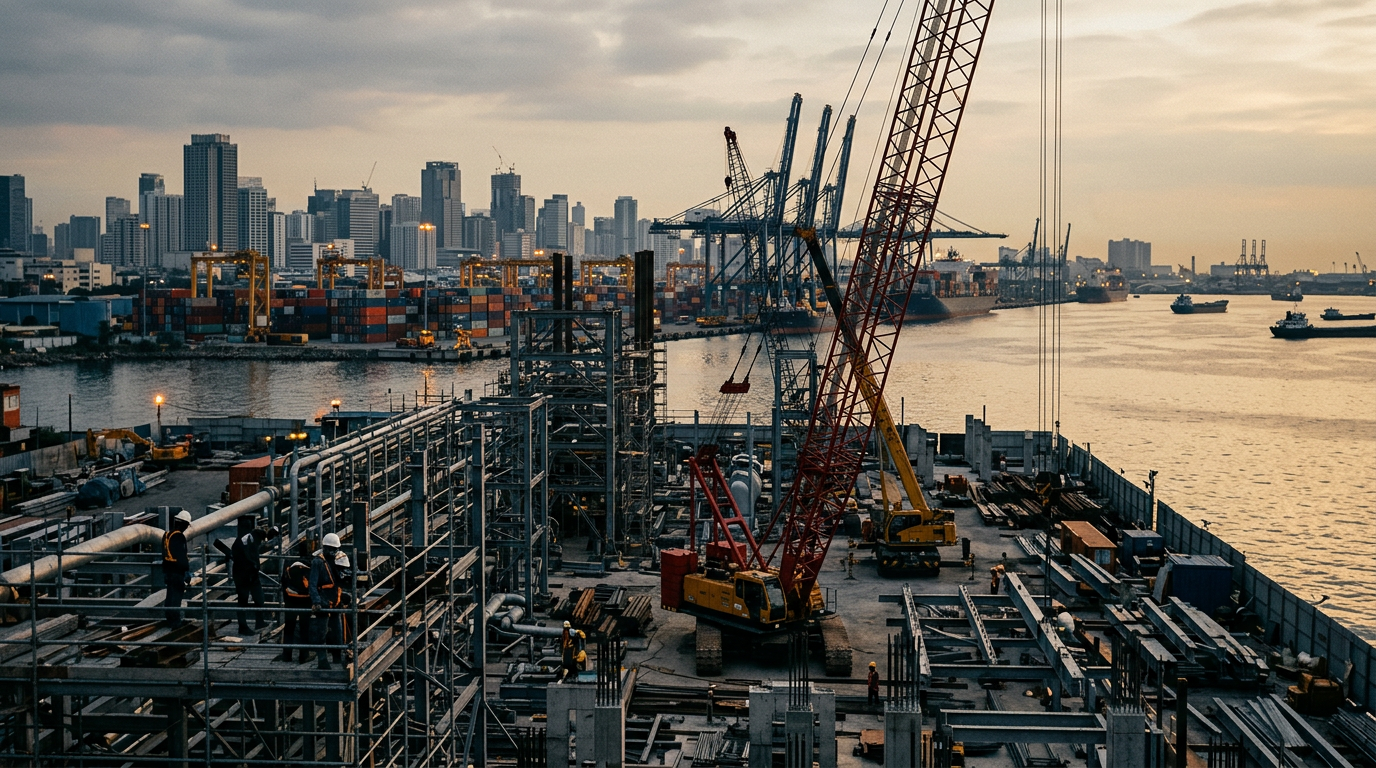
The energy transition is fundamentally an infrastructure challenge. It requires not just the construction of solar farms, wind turbines, and potentially nuclear plants, but also the modernization of the national grid to handle intermittent power sources. This is a capital-intensive, multi-decade undertaking that tests the capabilities of state institutions.
Success depends on the government's ability to manage complex procurement processes, ensure regulatory certainty, and foster a stable investment climate. The Philippines has a mixed record on this front. While the Renewable Energy Act of 2008 provided an early framework, bureaucratic hurdles and policy inconsistencies have often slowed progress. For international investors and domestic conglomerates alike, the primary concern is predictability. They need to trust that the rules will not change mid-project and that contracts will be honored.
The Cost of Friction
Every delay and every unexpected obstacle adds to the cost of a project, and these costs are ultimately borne by consumers and taxpayers. In the energy sector, this friction can mean the difference between a project that is viable and one that is not. It can also mean the difference between energy security and a continued reliance on volatile global fuel markets.
Building "a usable state," as ASEAN Rising describes it, is about reducing this friction. It means creating institutions that are reliable, transparent, and capable of executing complex, long-term plans. The report notes that "infrastructure that arrives on time signals more than infrastructure that is merely announced." The Philippine government's ability to translate its energy ambitions into operational power plants will be a clear indicator of its institutional capacity. The auction system for renewable energy capacity, for instance, is a positive step toward a more transparent and predictable allocation of resources, but its long-term success will depend on consistent and fair implementation.
What to watch: Observers should monitor the results of the country's renewable energy auctions and the progress of initial efforts to build a regulatory framework for nuclear power. These are not just technical exercises. They are tests of the state's ability to build investor trust, manage large-scale projects, and deliver the infrastructure necessary for its economic future. The pace and predictability of these rollouts will signal whether the country can overcome its execution deficit.