
 Philippines
ASEAN Economic Ministers Meet Amid Deepening China Trade
This week's ASEAN Economic Ministers' meeting in Manila occurs as the bloc's members manage their deep and structural trade dependency on China, a core theme of regional economic strategy.
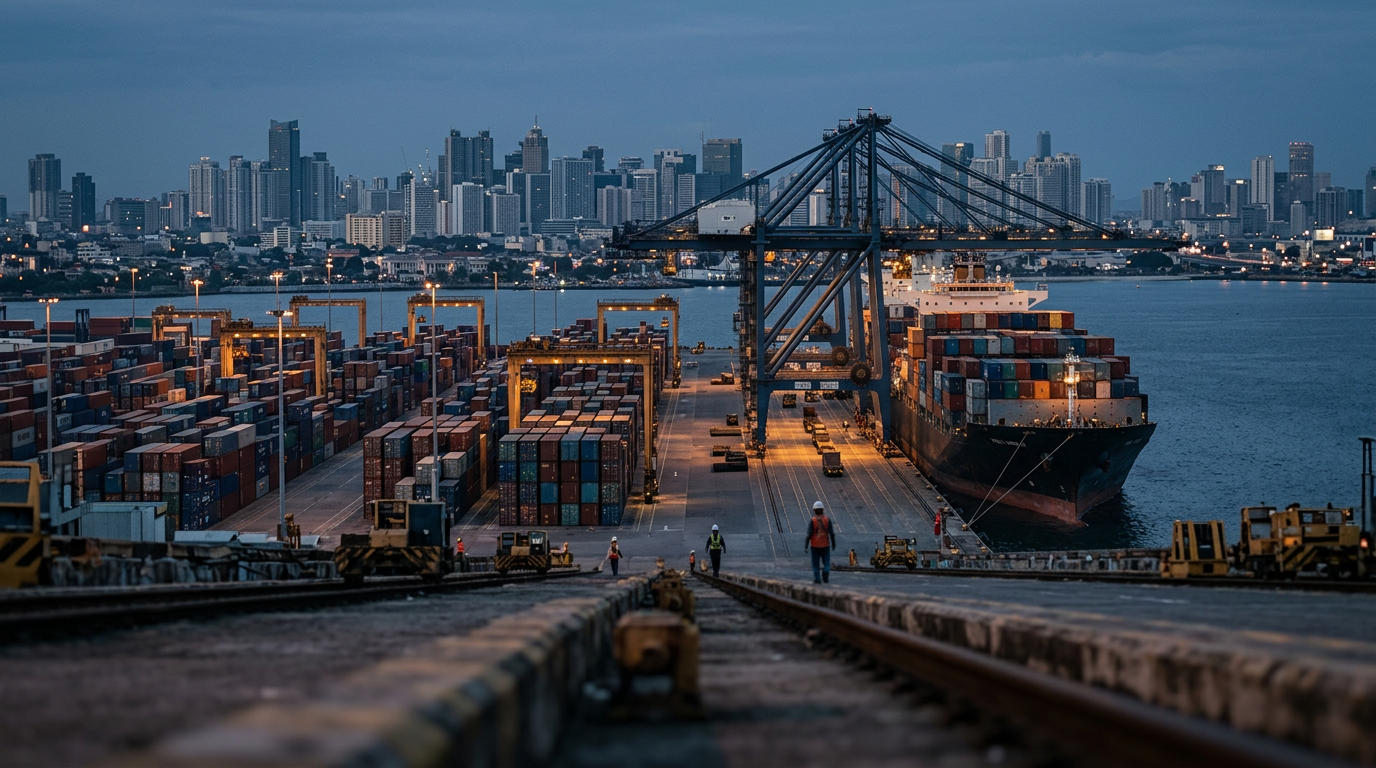
This week, ASEAN economic ministers are gathering in Manila for their 58th meeting, as announced by the ASEAN Secretariat. The meeting, chaired by the Philippines' Secretary of Trade and Industry, occurs at a time when the region is navigating its complex economic relationship with China. The depth of this trade is a structural reality for ASEAN, presenting a long-term management challenge for member state governments.
The Gravity of Integration
The economic integration between ASEAN and China has accelerated significantly over the past two decades. Driven by production networks, infrastructure investment, and growing consumer markets, this relationship has become a primary driver of regional growth. As detailed in the book ASEAN Rising, this trade concentration is not a temporary or cyclical trend but a permanent feature of the region's economic architecture. China is the largest trading partner for nearly every ASEAN member state, a status solidified through accords like the ASEAN-China Free Trade Area (ACFTA) and the Regional Comprehensive Economic Partnership (RCEP).
This integration provides ASEAN members with access to a massive market and supply chain efficiencies. However, it also creates a dependency that requires careful navigation. The core issue for ASEAN governments is no longer about choosing whether to engage with China but about how to structure that engagement to maintain economic and strategic flexibility. The goal is to benefit from the proximity and scale of China's economy without sacrificing national interests or policy independence.
Managing Dependency
For ASEAN, managing the economic relationship with China involves several institutional and strategic layers. The bloc relies on its frameworks-based approach, using agreements to establish rules and norms for trade and investment. These platforms provide a collective voice and a more balanced negotiating position than any single member could achieve alone. The ongoing discussions in Manila are part of this institutional process, where ministers align their positions on trade policies, dispute resolution, and economic cooperation.
The challenge is one of execution. While agreements exist, their effectiveness depends on consistent implementation and the willingness of all parties to adhere to the terms. For ASEAN, this means ensuring that trade is fair, that investments align with national development goals, and that economic leverage is not used to exert undue influence. The book notes that the central task is "how to manage dependency without losing optionality." This involves diversifying trade relationships where possible, strengthening domestic industries, and enhancing the bloc's internal market to reduce over-reliance on any single partner.
What to watch: Observers should monitor the joint statements from the AEM meeting for language regarding trade diversification, the strengthening of ASEAN-based supply chains, and updates to the ACFTA. The degree to which the ministers' agenda addresses the structural risks of trade concentration with China, even implicitly, will indicate the bloc's strategic direction in managing its most significant economic partnership.


