Philippines
The Infrastructure Deficit and State Capacity in the Philippines
ANZ Research warns that a slowdown in Philippine infrastructure spending could hamper economic growth, a risk that highlights the importance of institutional execution and state capacity in realizing national ambitions.
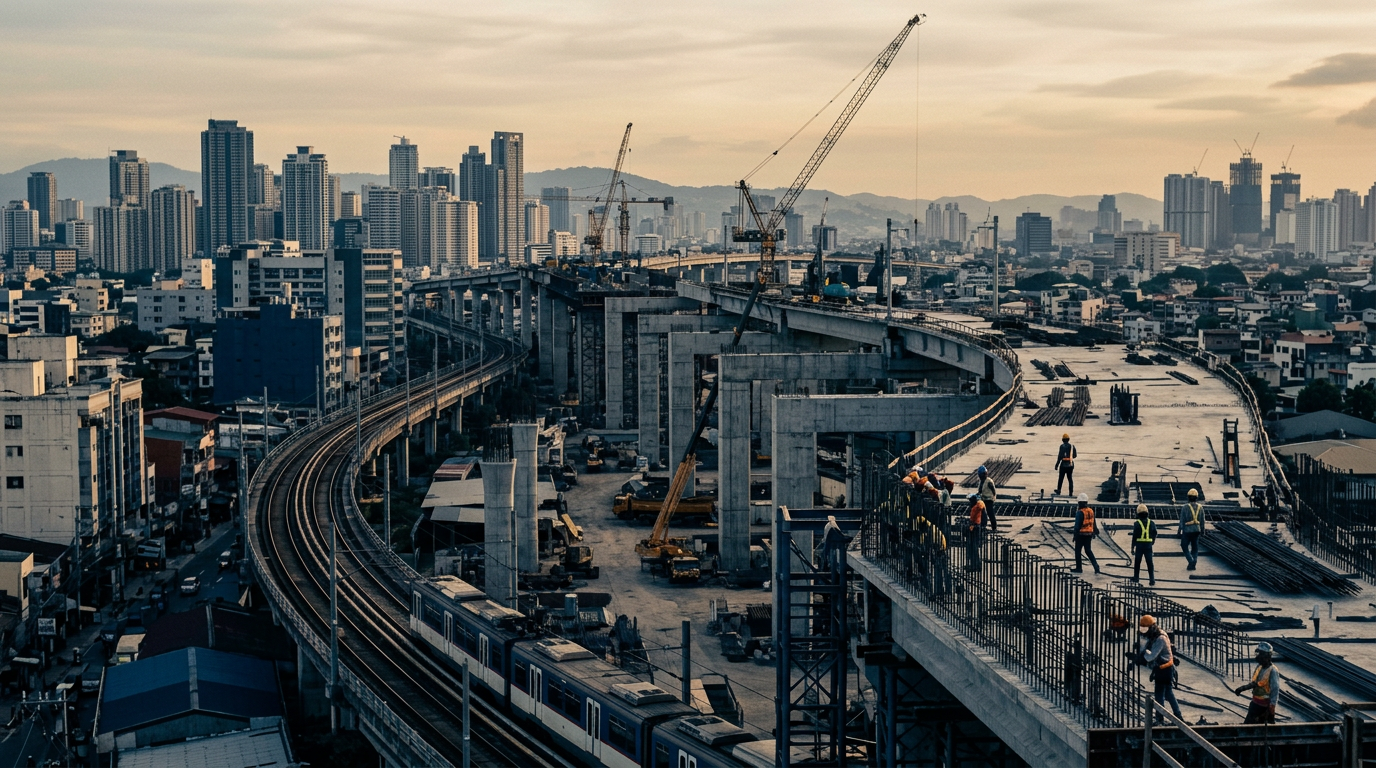
A recent analysis from ANZ Research warns that the Philippines risks a prolonged economic slowdown if infrastructure spending continues to weaken. The report, covered by philstar.com, points to a smaller-than-expected allocation for capital outlays as a primary cause for concern, suggesting that the country's growth prospects could be dampened into 2027. This development puts a spotlight on the gap between stated ambition and the tangible realities of budget allocation and project execution, a core theme of development in Southeast Asia.
The Cost of Friction
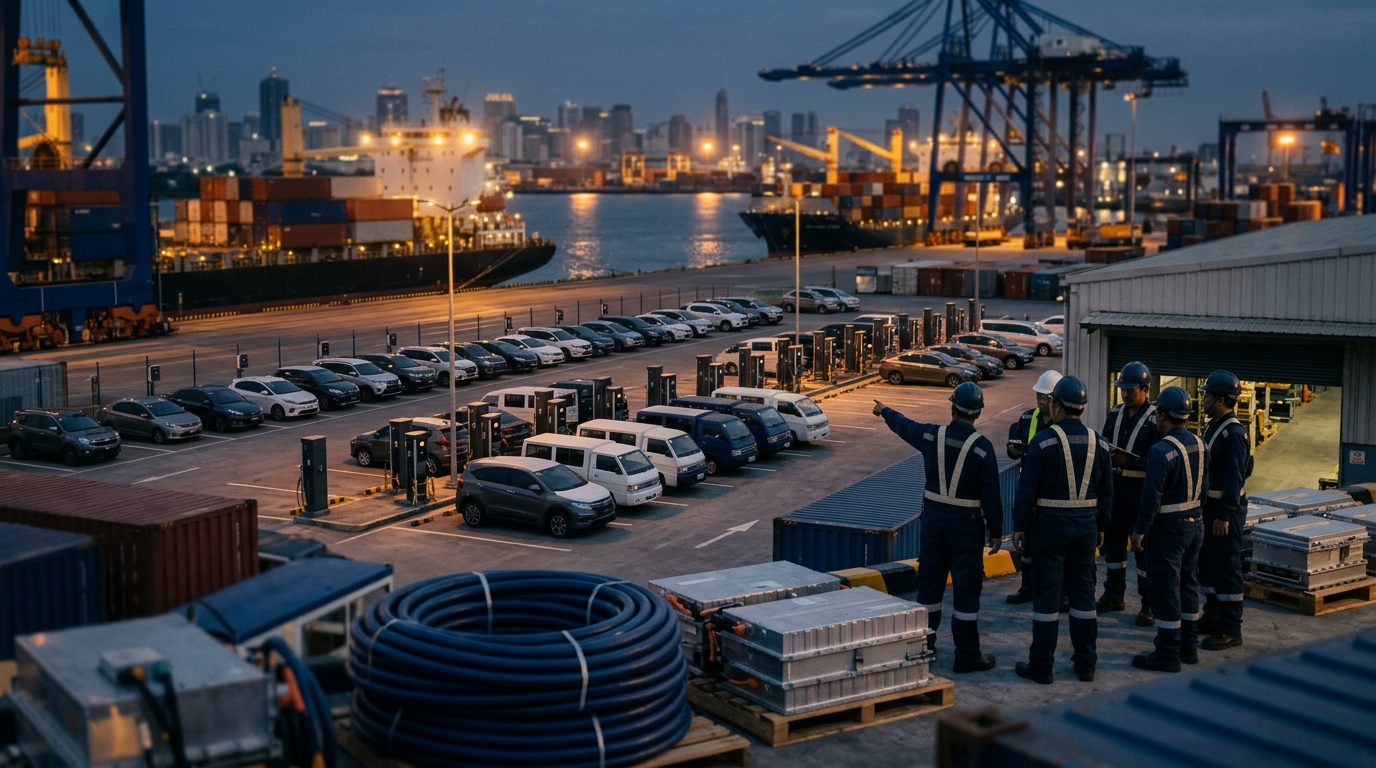
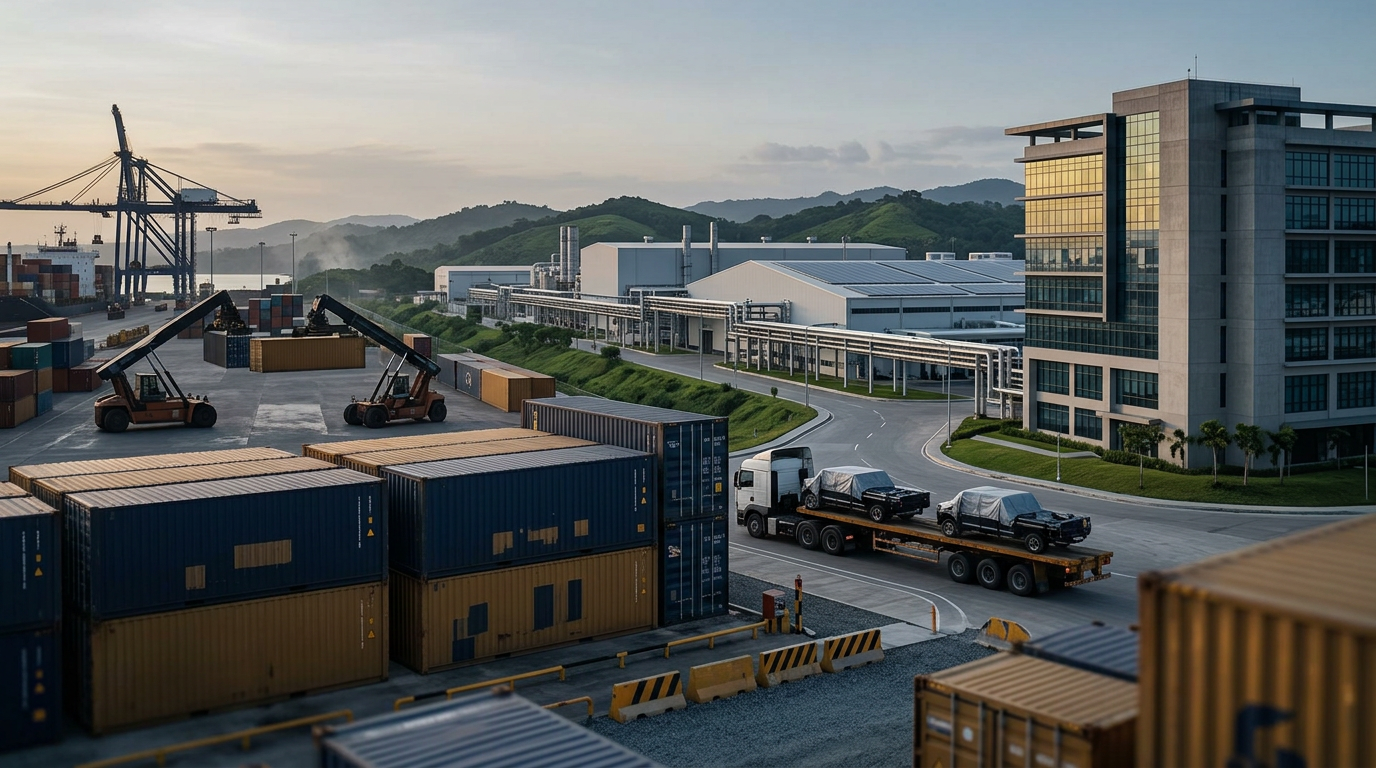
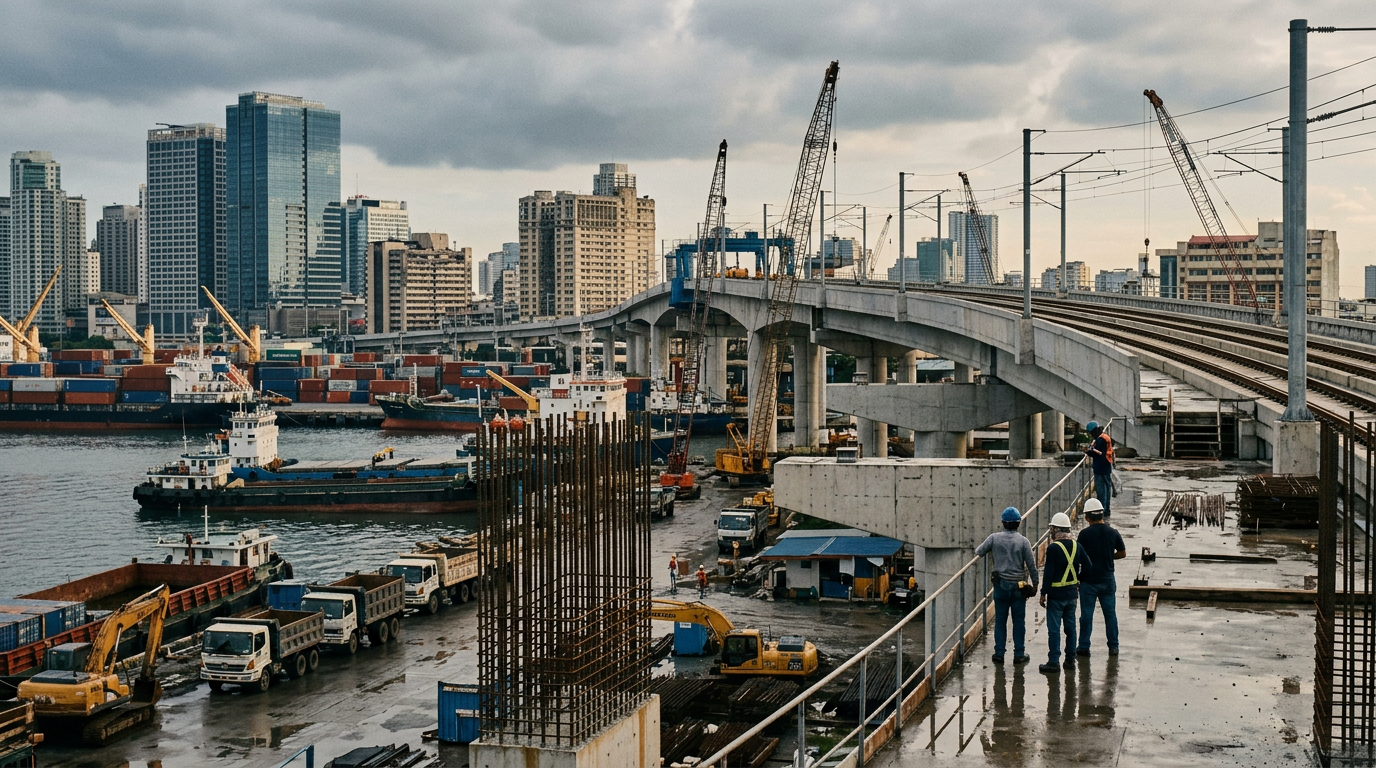
Ambitious infrastructure programs are a hallmark of development strategies across ASEAN. In the Philippines, the "Build, Better, More" program signals a clear intent to upgrade the nation's logistical backbone. However, the journey from announcement to completion is fraught with friction. The core issue is often not the vision, but the institutional capacity to execute it. As detailed in the book ASEAN Rising, development is less about grand pronouncements and more about the steady, reliable work of institutions. A reduction in planned spending, as the ANZ report suggests, is a clear signal that fiscal or administrative constraints are hindering progress. This friction-be it in the form of budget shortfalls, regulatory hurdles, or bureaucratic delays-translates directly into economic cost, felt through slower growth and deferred opportunities.
State Capacity as Comparative Advantage
Governments that can deliver on their promises create a stable and predictable environment for private investment. When public-sector projects are completed on schedule, it builds confidence in the state's ability to manage complex undertakings and honor its commitments. This reliability is a form of competitive advantage. The book notes that "infrastructure that arrives on time signals more than infrastructure that is merely announced." The concern raised by ANZ Research is that a deceleration in public spending will not only slow down government-led projects but also deter the private capital needed to fuel the next wave of growth. Foreign and domestic investors alike look for signs of a capable state, and consistent investment in infrastructure is one of the most visible indicators. When spending falters, it raises questions about the government's ability to deliver, which can have a chilling effect on investment decisions far beyond the immediate construction sector.
From Ambition to Execution
The economic trajectory of the Philippines, like that of its neighbors, depends heavily on its ability to close the infrastructure gap. The warning from ANZ Research serves as a timely reminder that ambition requires a commensurate level of execution. Building a modern economy requires more than just blueprints; it requires the fiscal space, political will, and institutional machinery to turn those plans into concrete, steel, and operational assets. A state that can consistently manage this process demonstrates a high degree of capacity. It shows it can manage its finances, regulate effectively, and coordinate the complex series of actions needed for large-scale development. This is the essence of a usable state-one that provides a dependable platform for economic activity.
What to watch: Observers should monitor the Philippine government's actual capital outlays in the coming quarters against its revised targets. Any further divergence between planned and actual spending will indicate persistent institutional and fiscal headwinds. The response from private investors, particularly in sectors reliant on public infrastructure, will also be a key indicator of confidence in the state's long-term execution capability.