Philippines
The Philippines Switches the Gas Back On
The resumption of gas flows from the Malampaya field to the Ilijan power plant is a positive development for the Philippines' energy security. It also offers a case study in the friction that can arise between the state and the private sector when critical infrastructure is at.
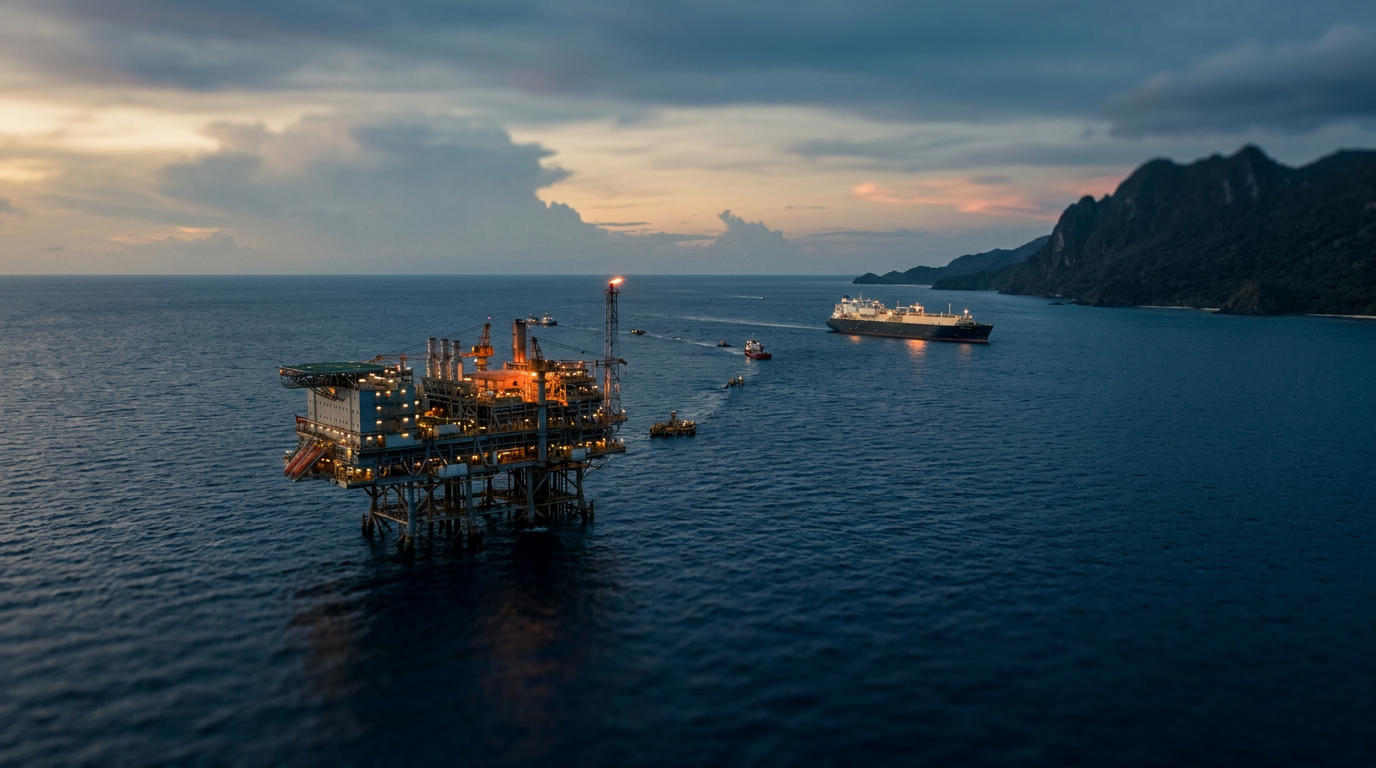
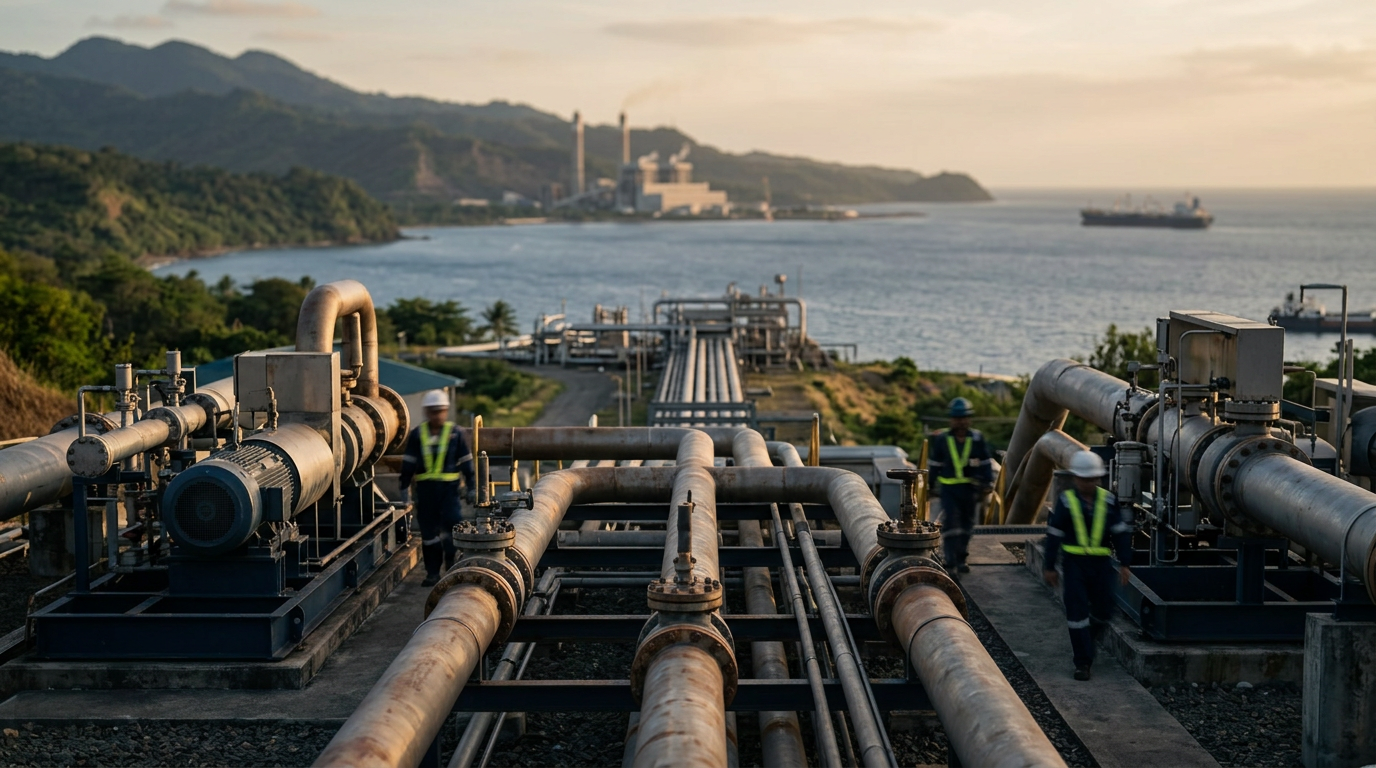
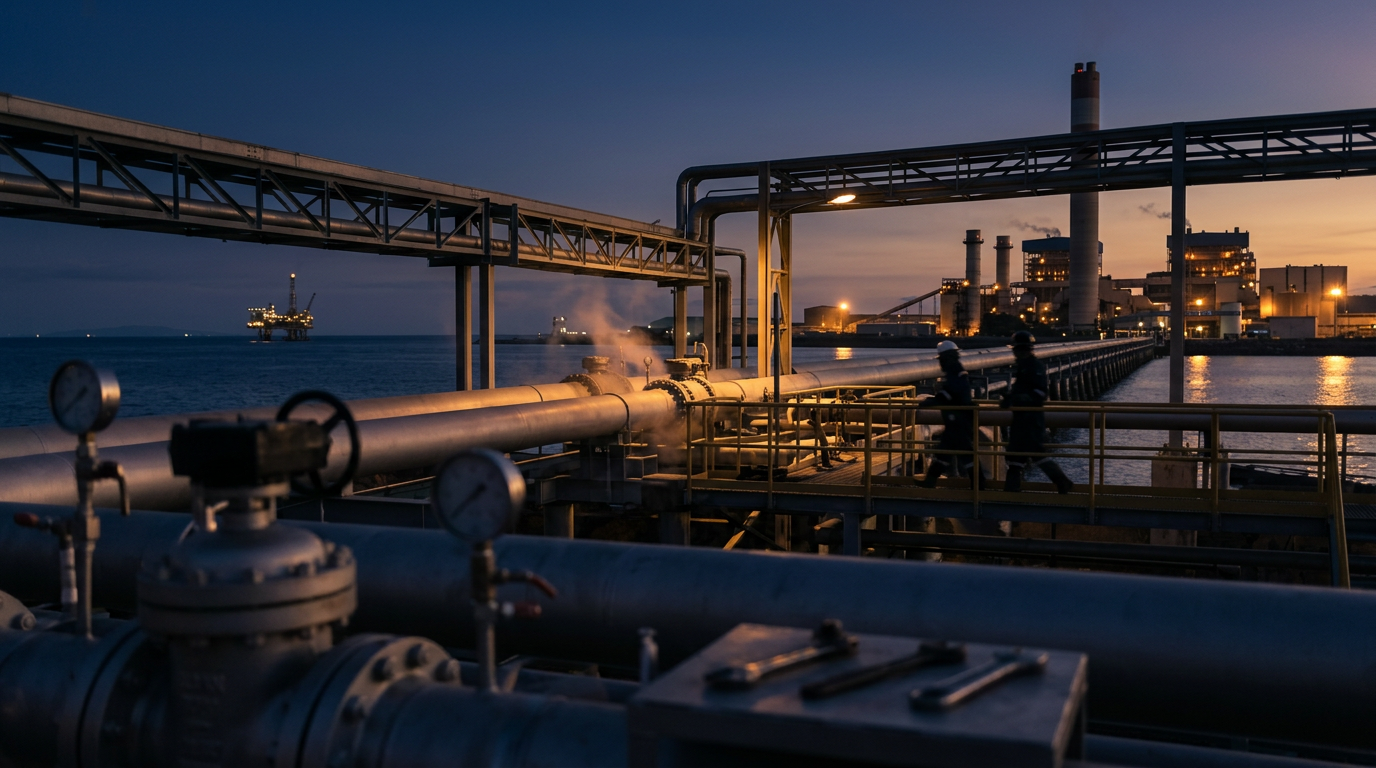
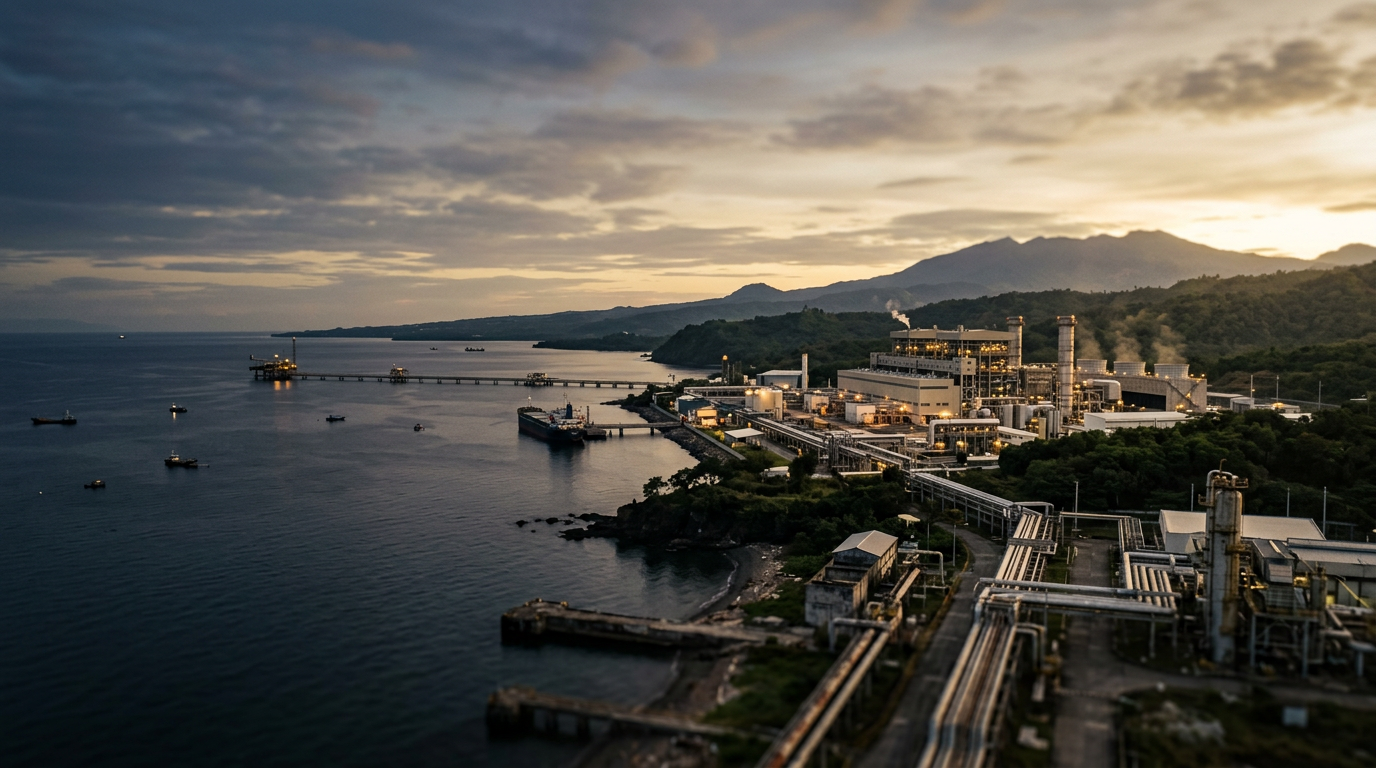
A recent announcement that the Ilijan power plant in Batangas, Philippines, will once again receive natural gas from the Malampayaproject is a positive, if overdue, development for the country's energy security. As reported by philstar.com, the 1,200-megawatt facility had been running on more expensive liquid fuels while commercial negotiations and technical questions were resolved. The return to domestically-produced natural gas is a welcome step toward stabilizing a core component of the Luzon grid.
Infrastructure and Institutions
The episode, however, is a case study in the friction that can arise between the state and the private sector when critical infrastructure is at stake. The Ilijan power plant and the Malampaya gas field are not new. They have been pillars of the Philippines' energy system for decades. The interruption in gas supply was not primarily a geological or engineering problem, but a commercial and institutional one. Disagreements over pricing, the terms of the gas supply agreement, and the roles of the state-owned Philippine National Oil Company and the plant's private operators created uncertainty that ultimately manifested in higher electricity costs and reliance on imported fuels. This highlights a central theme of ASEAN's development journey. As "ASEAN Rising" argues, the existence of infrastructure is only one part of the equation. The institutions that govern it are just as important. A predictable regulatory environment and clear commercial frameworks are essential to keeping the lights on.
The Cost of Friction
When institutions are unreliable or the rules of engagement between the public and private sectors are unclear, friction is the result. This friction has a real cost. In the case of Ilijan, it was the higher price of running the plant on alternative fuels, a cost likely passed on to consumers and businesses. It also represents a cost in terms of investor confidence. Projects of this scale require long-term capital commitments, and investors need to trust that contracts will be honored and that regulatory processes will be transparent and timely. The Philippines has made significant strides in attracting private capital to its infrastructure sector, but episodes like this can be a setback. Predictability is paramount. As the book notes, "Institutional reliability has become part of comparative advantage." A system that works is better than one that is perpetually debated.
What to watch
Looking ahead, the key indicator to watch will be the finalization of a long-term gas sales and purchase agreement for the Ilijan plant. The current resumption of supply is a positive step, but it is based on an interim arrangement. A durable, multi-year agreement would signal that the institutional friction has been overcome and that a stable framework for this piece of national infrastructure is in place. It would also serve as a broader signal to investors that the Philippines is committed to improving the predictability and reliability of its institutional environment for critical infrastructure projects.