Philippines
From Ambition to Execution in the Philippines
Headlines on foreign investment are easy to announce. The real work is in the execution: land, permits, power, and talent. Can the Philippines turn its investment pipeline into reality?
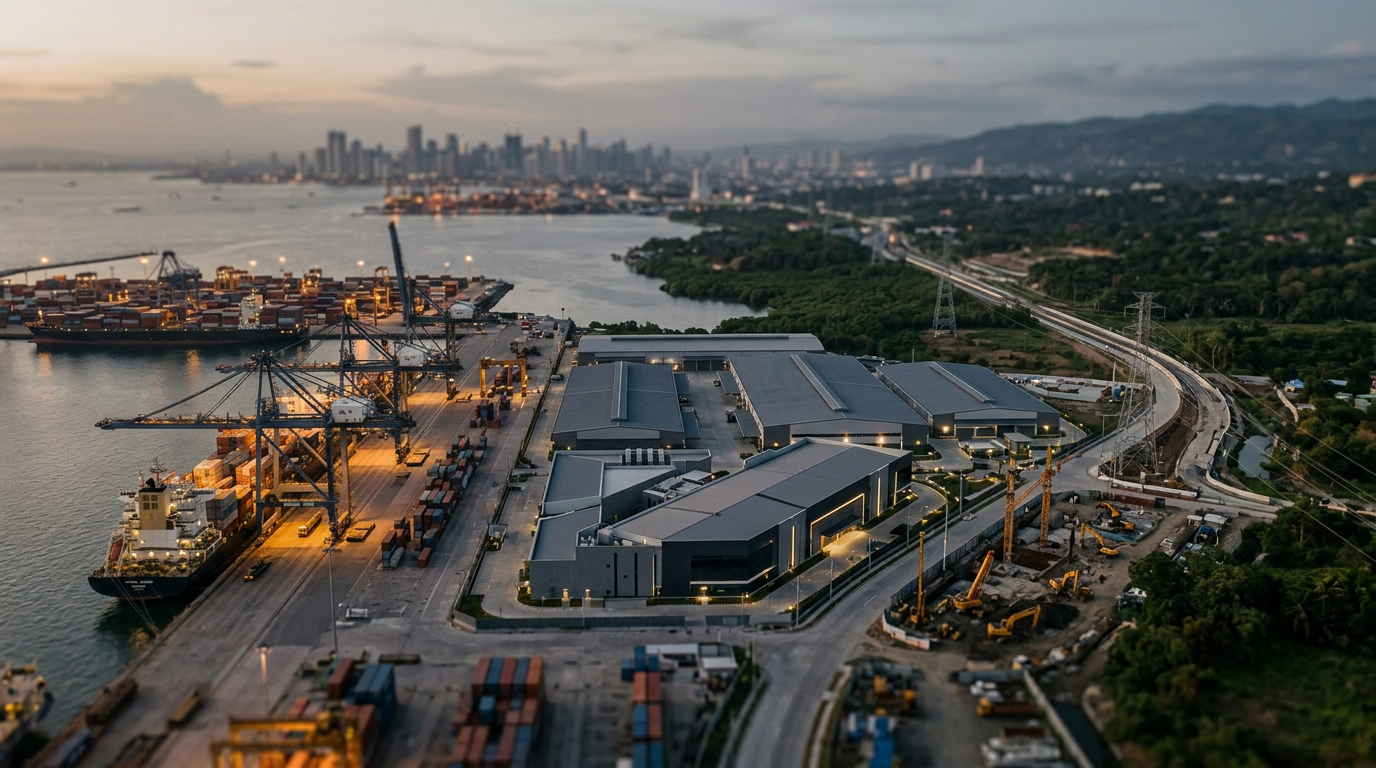
The Philippine Economic Zone Authority (PEZA) is optimistic it will exceed its PHP 300 billion investment approval target for the year, citing a strong project pipeline. As reported by philstar.com, this positive outlook builds on a significant increase in commitments recorded in the first eight months of the year, signaling sustained investor interest in the country's economic zones.
While impressive, these headline figures represent the beginning, not the end, of the investment process. The real measure of success is the conversion of these approved commitments into tangible operations that create jobs and contribute to economic growth. This is the slower, more challenging work that happens after the announcements are made.
The Execution Challenge
Attracting foreign direct investment (FDI) is a competitive endeavor, and the Philippines has clearly generated interest. However, the journey from an approved investment to a fully operational facility is fraught with administrative and logistical hurdles. As the book "ASEAN Rising" notes in its analysis of similar challenges in Indonesia, the ability to translate scale into genuine economic substance is paramount. For the Philippines, this means ensuring that the groundwork is as compelling as the initial pitch.
Investors, having made their initial commitment, must navigate the practicalities of setting up a business. This involves securing land, obtaining the necessary permits, ensuring reliable and cost-effective power supply, and accessing a skilled workforce. Each of these steps is a critical dependency. Delays or difficulties in any one area can stall a project, deferring its economic benefits and potentially damaging the country's reputation as an investment destination.
Institutions and Investable Depth
This is where the quality of institutions becomes the decisive factor. PEZA's role extends beyond simply attracting investors; it must also facilitate their success. The core idea of an economic zone is to provide a streamlined, efficient, and predictable operating environment that insulates businesses from wider bureaucratic friction.
The challenge for PEZA and other government agencies is to ensure this institutional framework is robust. As the book observes, "realised flows depend on the slower work of land, permits, power and talent reaching the ground." This requires close coordination between national and local government units, utility providers, and educational institutions. It is this behind-the-scenes institutional capacity that creates what can be called investable depth, turning a promising headline number into a thriving industrial park.
Successfully converting the current pipeline of investment pledges will depend on the effectiveness of these institutional processes. A smooth implementation path not only brings immediate projects online but also builds confidence among future investors, creating a virtuous cycle of sustained FDI. The goal is not just to win the announcement but to ensure the investment is realized on the ground.
What to watch
Observers should monitor the progress of these committed investments over the next 12 to 24 months. Key indicators will include the rate at which projects break ground, the speed of utility connections, and hiring rates for skilled positions within the new ecozones. The government's ability to address bottlenecks in these areas will determine if the Philippines can transform its current investment pipeline into lasting economic development.