
ASEAN Analysis & Commentary
Every analysis published on ASEAN Rising is sourced, datestamped and signed. We're more interested in being right in 12 months than first in 12 minutes.
Foundation pieces
Start here. The three pieces below set out the lens ASEAN Rising uses to read every story.
ASEAN Rising's core lens. Execution Economics is the study of whether countries, companies and institutions can convert obvious potential into delivered outcomes - and which six pillars decide the answer.
The region has capital, demographics, location and policy ambition. None of that has ever been the binding constraint. The next decade is an execution test, not a potential test - and it is already being scored.
Malaysia is the test case for whether ASEAN's middle powers can turn FDI, semiconductors and data centres into compounding domestic capability. Read the live coverage and execution scorecard.
Analysis tagged #FDI
 Malaysia
Green Pledges and Ground Realities in ASEAN
Ambitious goals for a green transition are running up against the slower work of turning promises into projects on the ground.
 Malaysia
Green Transition: From FDI Pledges to Investable Depth
ASEAN's green transition requires more than just ambitious FDI pledges. It needs the institutional capacity to translate those commitments into realised projects on the ground.
 Malaysia
's Data Centre Boom Tests Its Foundations
Malaysia's data centre boom is attracting global tech giants, but turning these announcements into reality requires a focus on infrastructure, talent, and regulatory execution.
 Singapore
Foreign Capital and Local Execution in ASEAN
A high-profile Singapore property deal is a useful reminder that foreign investment depends on the slower work of land, permits, power, and talent.
 Malaysia
's Data Centre Boom Demands Foundational Strength
Malaysia is attracting substantial FDI for data centres, but realising this investment depends on the slower, harder work of improving institutions, infrastructure, and talent.
 Singapore
, ASEAN, and the Architecture of Capital
Big ticket FDI is a good headline, but the real test is how investment flows through the region. Singapore remains a key hub, but its success rests on the health of the entire ASEAN bloc.
 Malaysia
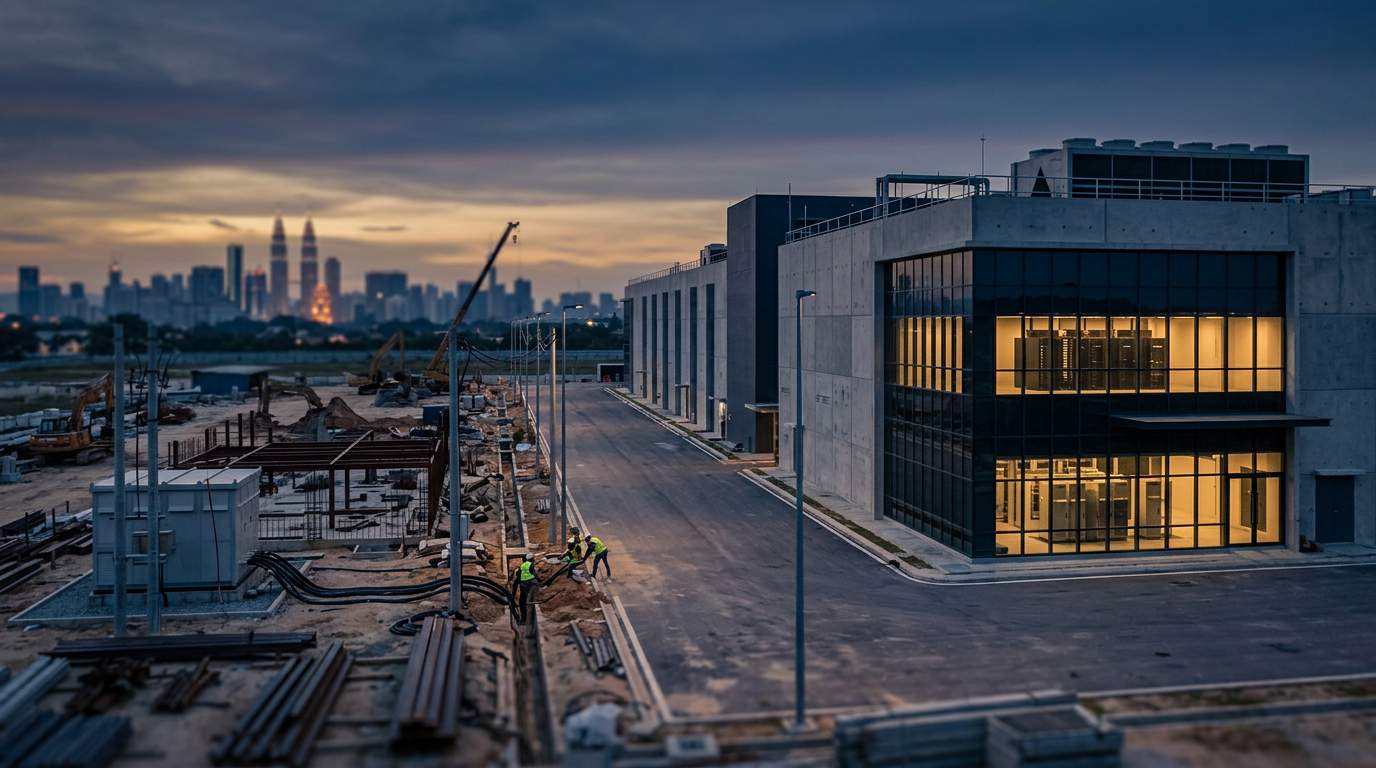
's Data Centre Boom is a Test of Execution
Malaysia has attracted significant foreign investment into its data centre sector. Now comes the slower work of execution - turning announcements into operational assets through land, power, and talent.
 Malaysia
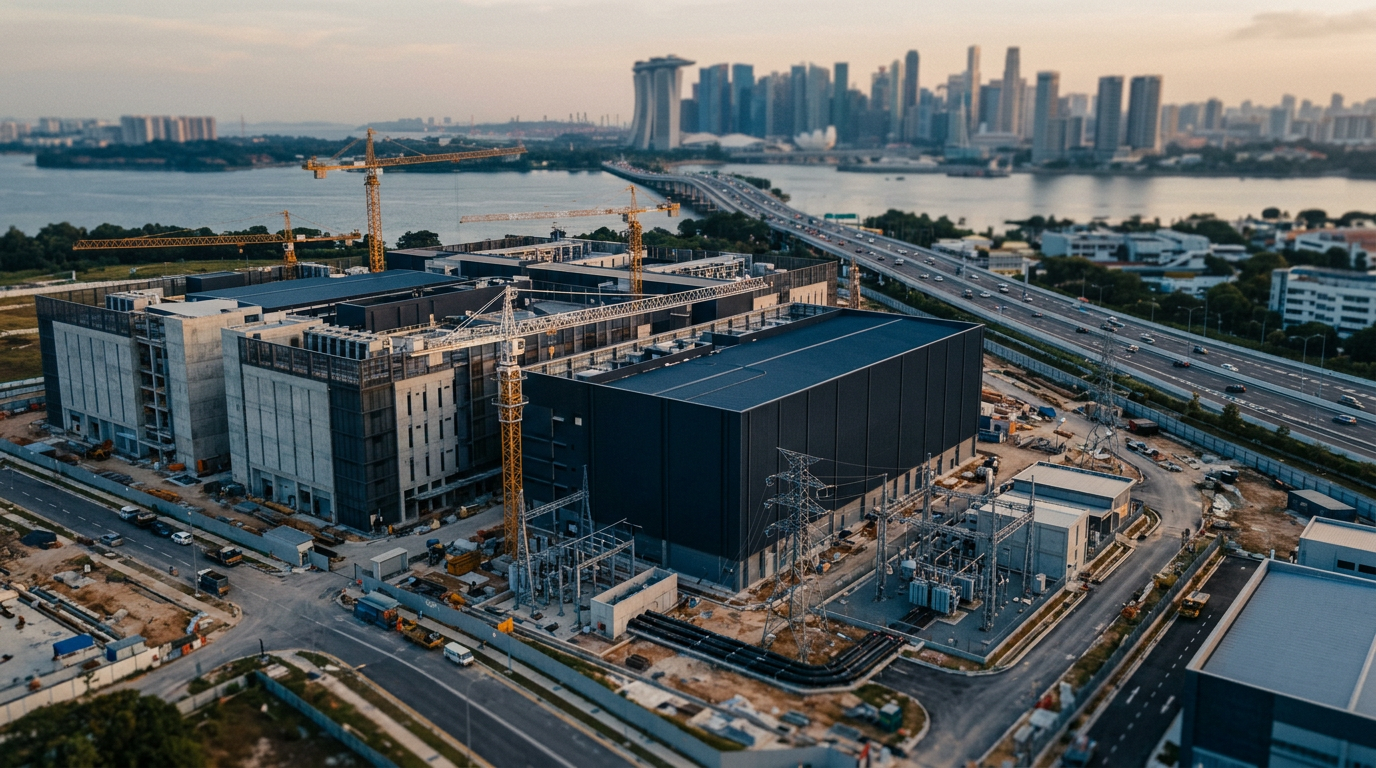
's Data Centre Boom Tests Its Infrastructure
S&P's resilient economic outlook for Malaysia hinges on manufacturing, infrastructure, and a booming data centre sector. Yet the slow work of permits, power, and talent will determine if announced FDI translates to realised growth.
 Singapore
, the Enduring Hub for ASEAN Capital
Foreign investment announcements travel fast. Realised projects depend on the slower work of execution. A new luxury development on the Singapore River shows how the city-state still leads the region in turning plans into reality.
 Malaysia
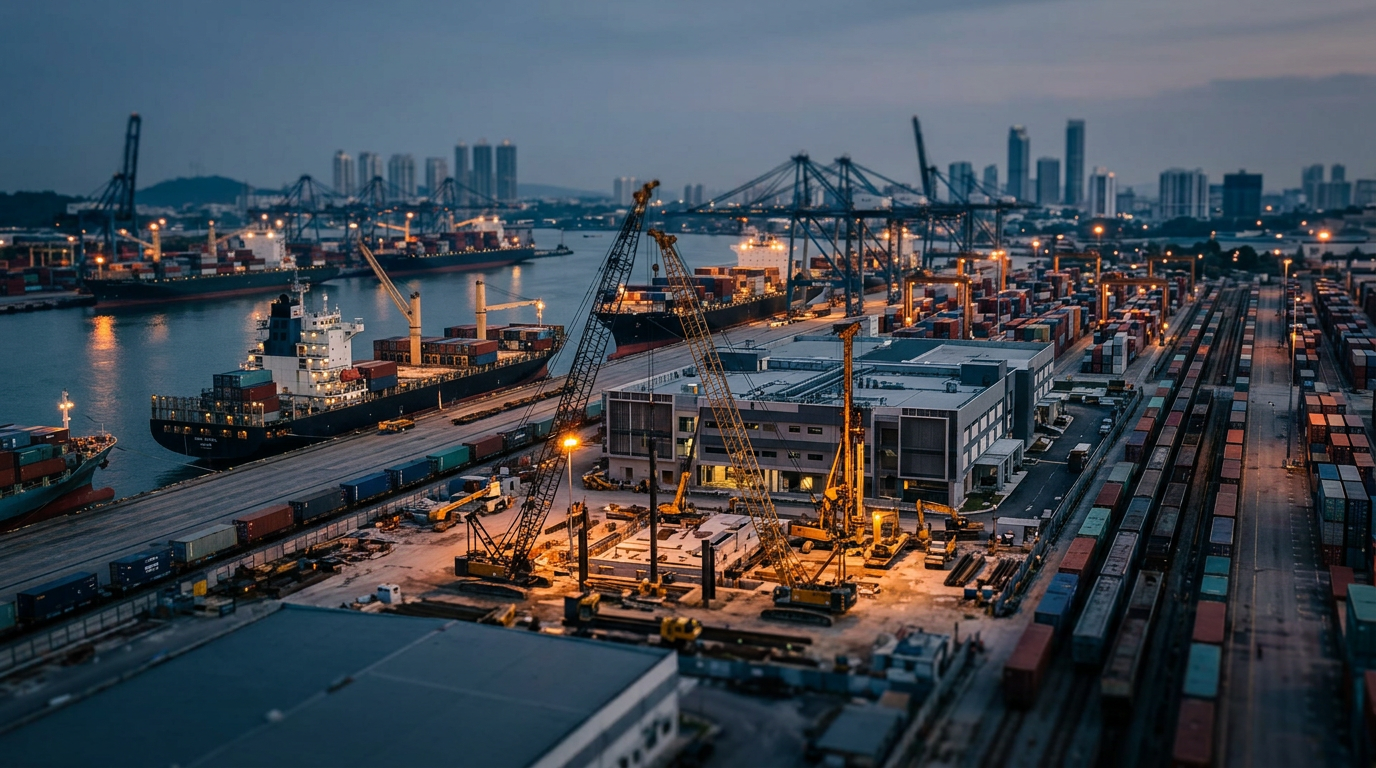
's FDI Ambitions Face an Execution Test
Foreign investment announcements are one thing, but converting them into realised flows depends on the slower, harder work of improving institutions and infrastructure on the ground.
 Malaysia
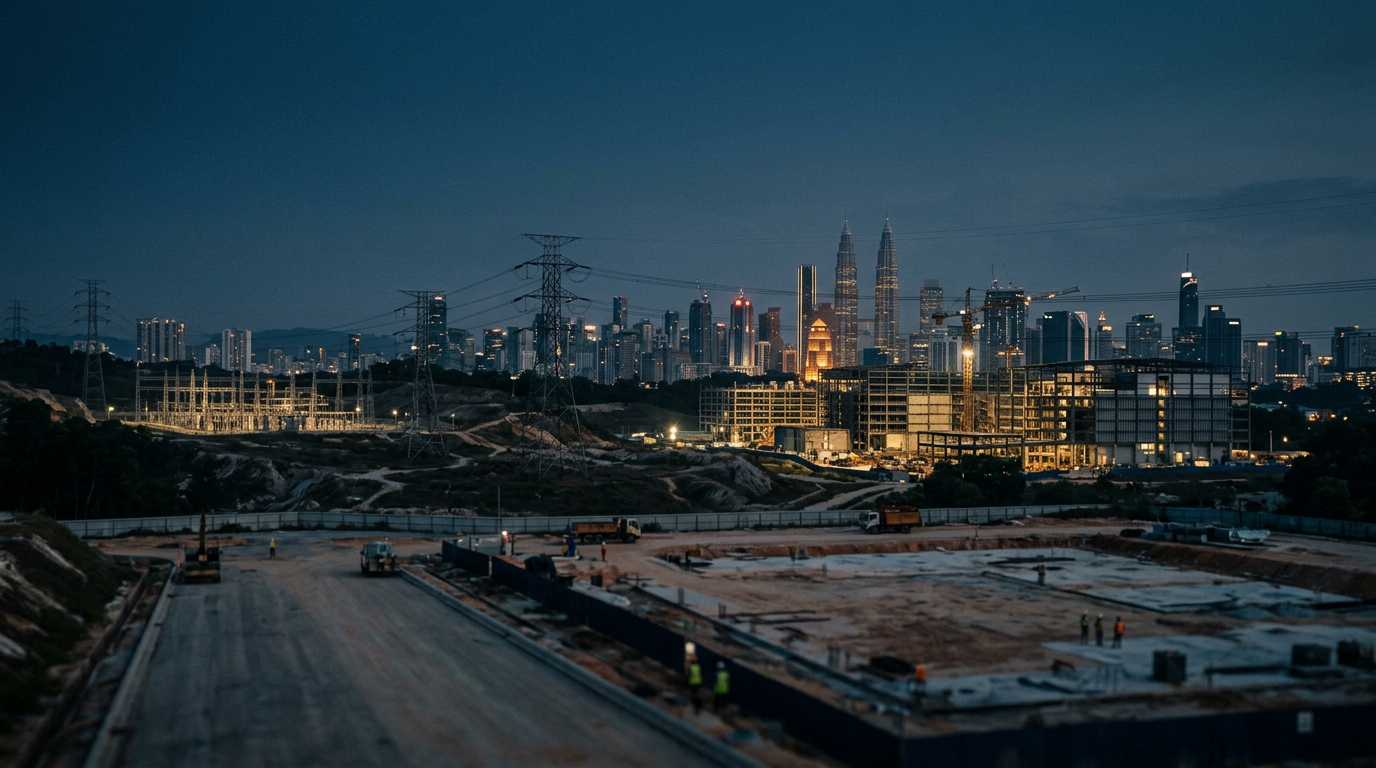
's Data Centre Boom Tests Its Foundations
Malaysia's economic outlook is resilient, with data centres as a growth driver. Yet the slower work of land, permits, power, and talent will determine if announced FDI translates to realised flows on the ground.

 Philippines
From Announcement to Asset: The Philippines and the FDI Marathon
A major investment in the Philippines by a Japanese conglomerate is a positive signal. But turning headline FDI announcements into tangible assets on the ground requires a focus on institutions, infrastructure, and talent.

 Thailand
 Courts Gulf Capital With Islamic Finance Push
Thailand aims to attract investment from Gulf states by positioning itself as an Islamic finance hub. Success will depend on more than just high-level announcements; it requires the foundational work of improving institutions and ensuring project execution.
 Singapore
, the Market, and the State
Foreign capital is a constant in Singapore. The state's role is to ensure that each new wave of investment also builds national capacity for the long term.
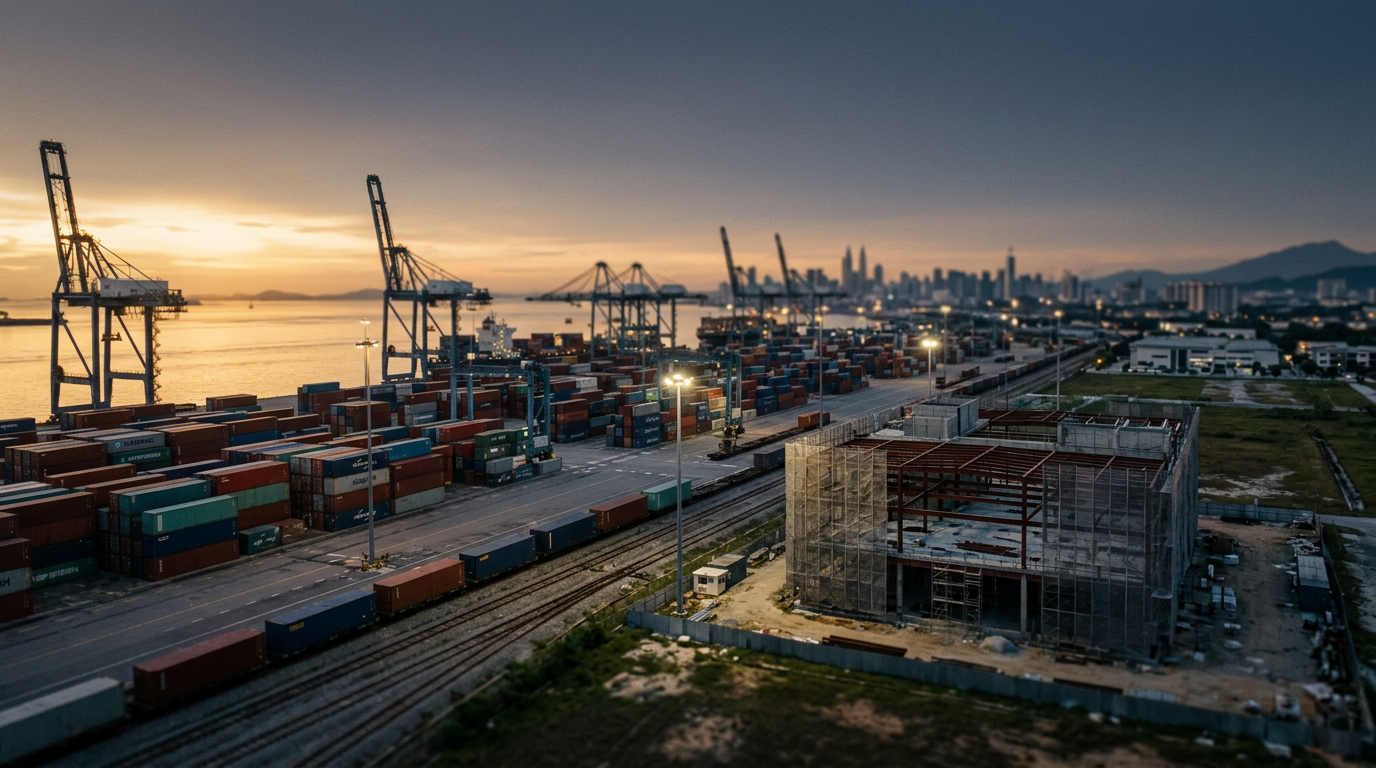 Malaysia
's FDI Wins Meet the Execution Test
Foreign investment pledges are one thing; turning them into reality requires solid execution on infrastructure, talent, and regulatory support. Malaysia is making progress.
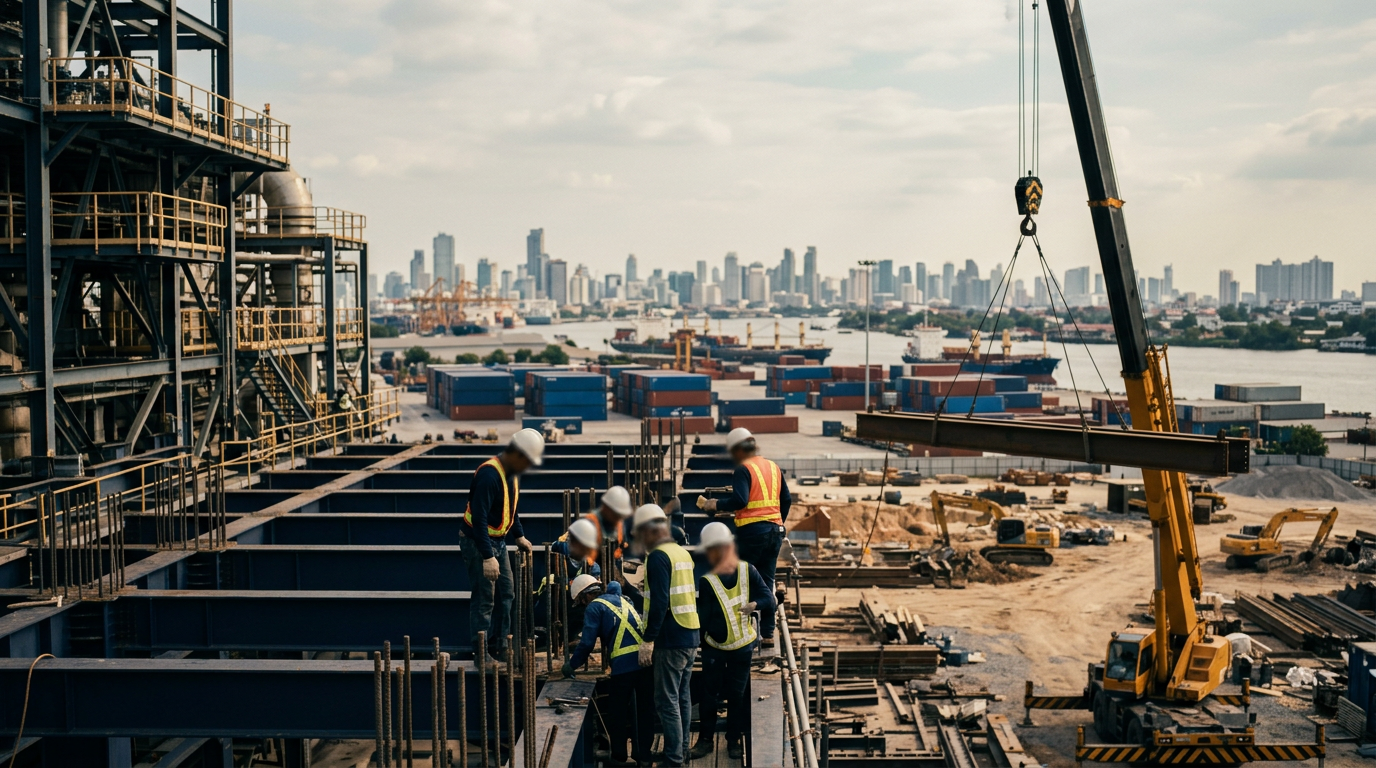 Thailand
: Chasing Chips, Confronting Constraints
Thailand wants to be a semiconductor hub, but investment is the easy part. The real work is in the details of execution.
 Thailand
: Ambition and Execution in the Semiconductor Race
FDI announcements are one thing. Execution is another. Thailand's bid to become a semiconductor hub will depend on its ability to build the infrastructure and talent to support the investment.
 Thailand
: Beyond the Semiconductor Hype
Thailand is courting global semiconductor giants with ambitious investment targets. But mega-projects require more than just capital; they demand a solid foundation of infrastructure, skilled talent, and institutional support to succeed.
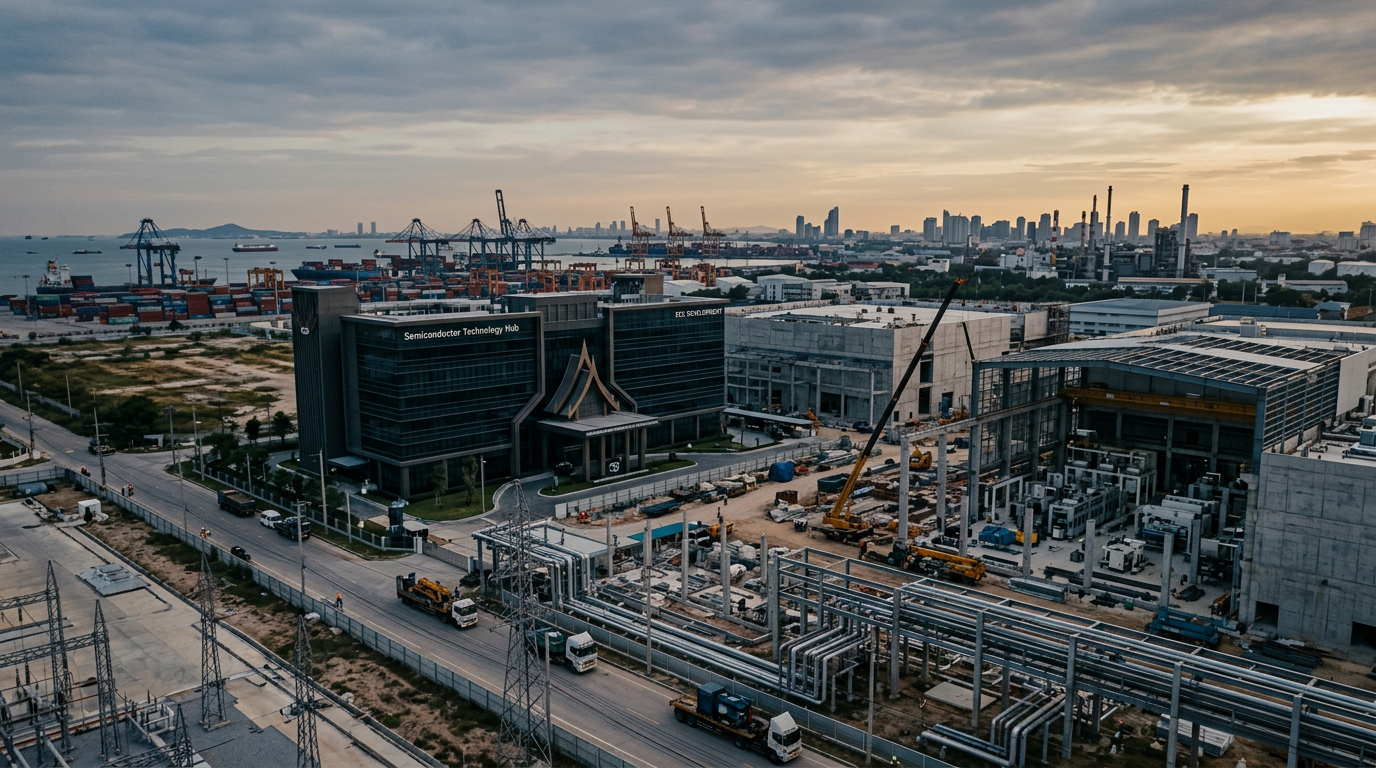 Thailand
 Bets on Institutions to Realise FDI in the Semiconductor Sector
Thailand is making a concerted push to capture a larger share of the global semiconductor supply chain. Success will depend on the hard work of building institutional capacity to turn foreign direct investment announcements into productive assets.
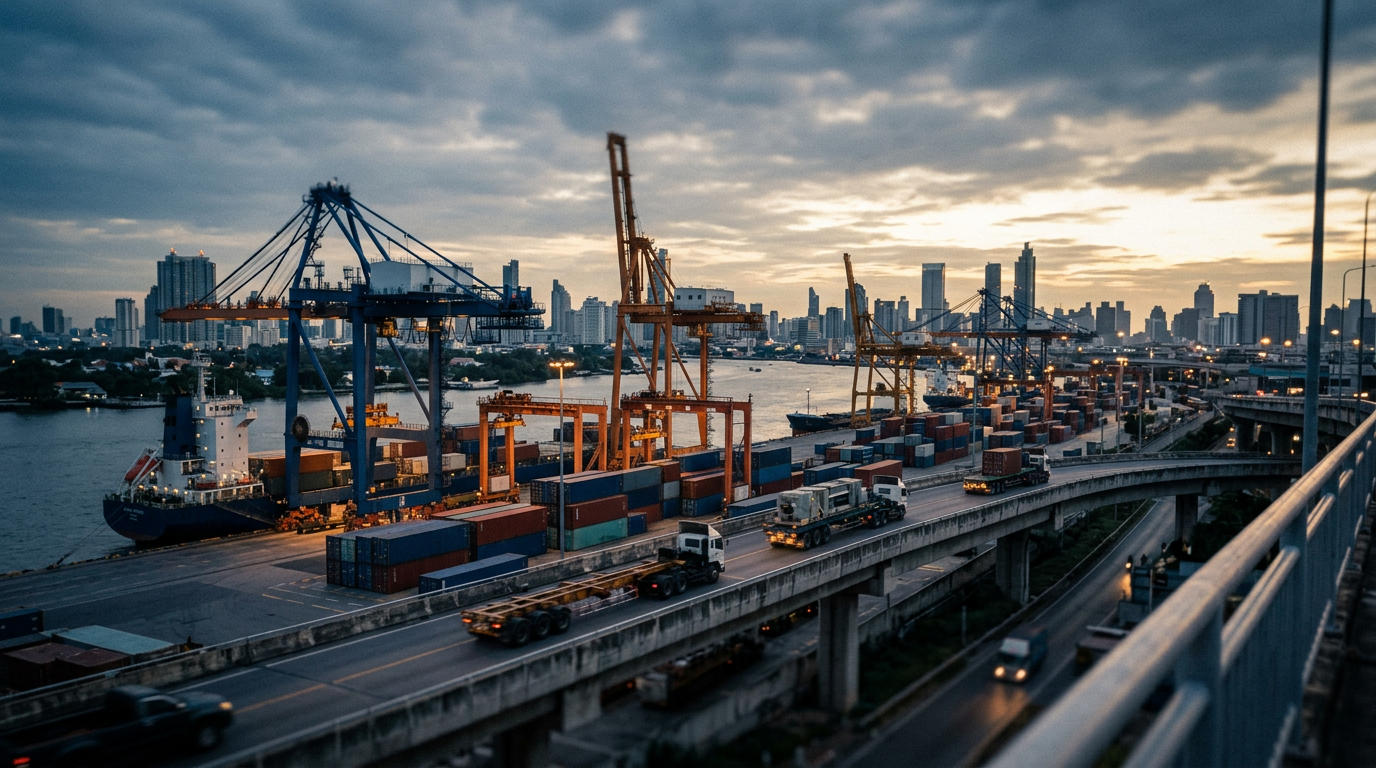 Thailand
 Bets on Execution to Win in Semiconductors
Thailand is moving to solidify its position in the global semiconductor supply chain, but winning FDI commitments is only the first step. Execution on infrastructure, talent, and permits will determine its success.
 Malaysia
Australia and ASEAN: From Ambition to Investment
Australia is talking up its trade and investment ties with ASEAN, but turning announcements into realised flows is the real work.
 Thailand
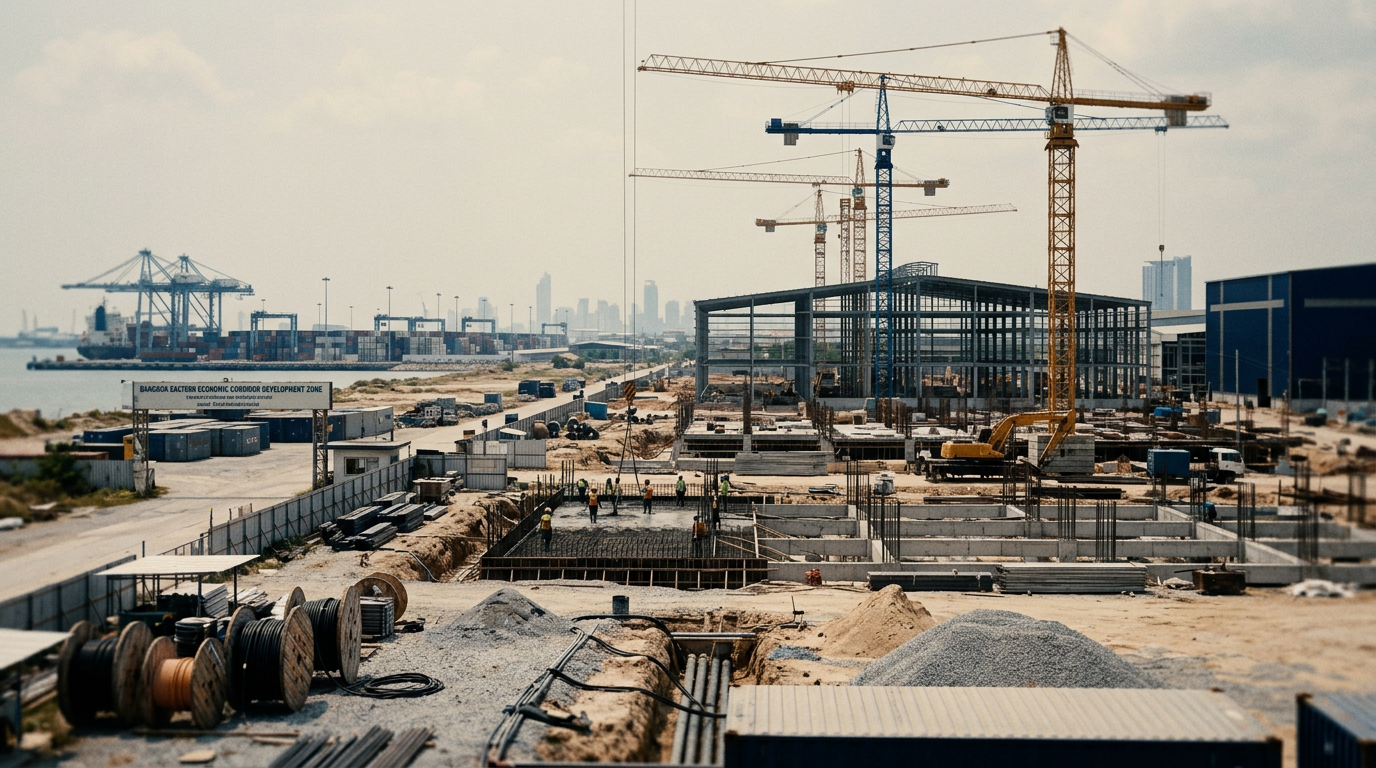
The FDI Gap: Why Announced Capital Does Not Always Arrive
FDI announcements travel quickly. Realised flows depend on the slower work of land, permits, power and talent reaching the ground.
 Malaysia
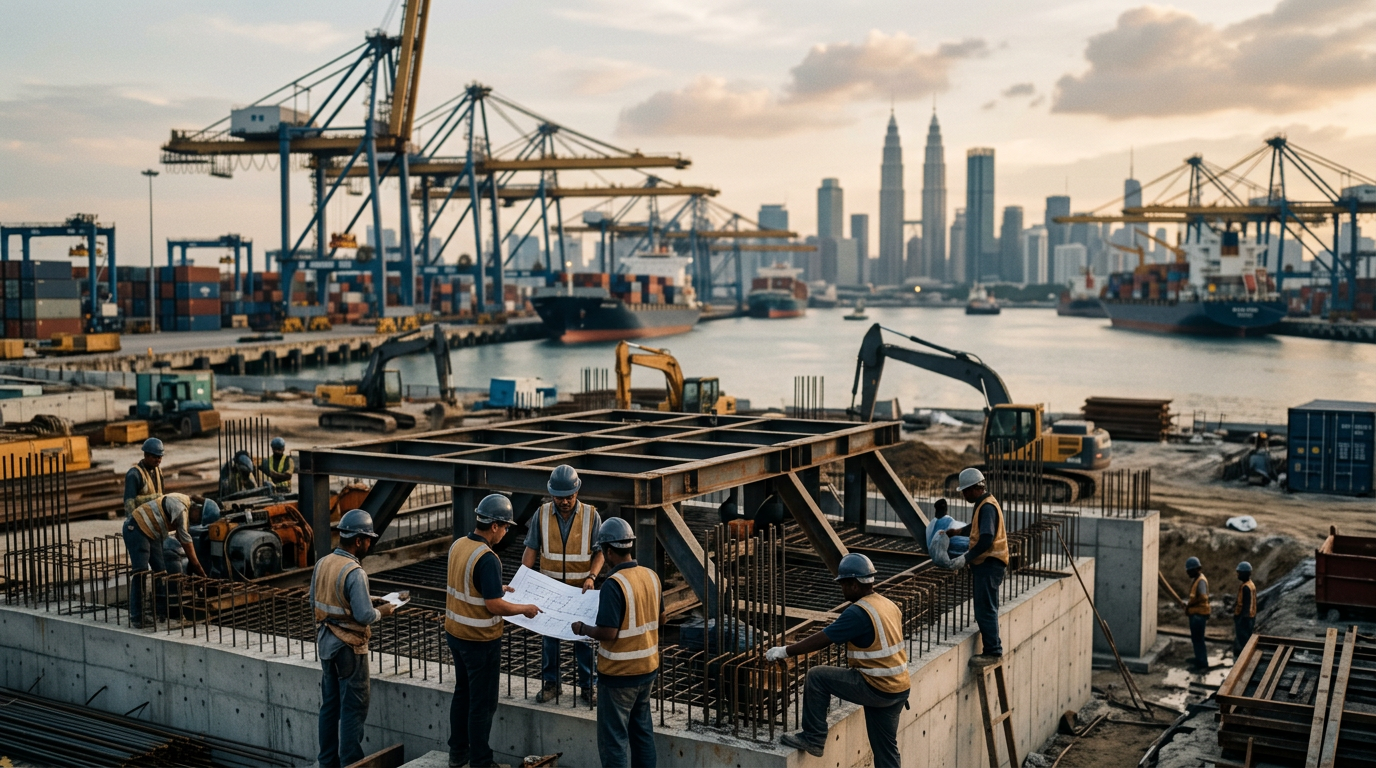
Announcements are not investment. ASEAN must execute.
A recent meeting between ASEAN's Secretary-General and an Australian Senator highlights the perennial gap between FDI announcements and realised investment. As "ASEAN Rising" argues, "scale matters only when institutions can turn it into investable depth."
 Thailand
's FDI Fast-Track Tests Its Institutional Mettle
Thailand is expediting regulatory approval for a USD 3.66 billion industrial investment pipeline and offering tax incentives for tech IPOs. This move tests the nation's ability to translate announced foreign direct investment into tangible economic activity through effective.
 Indonesia
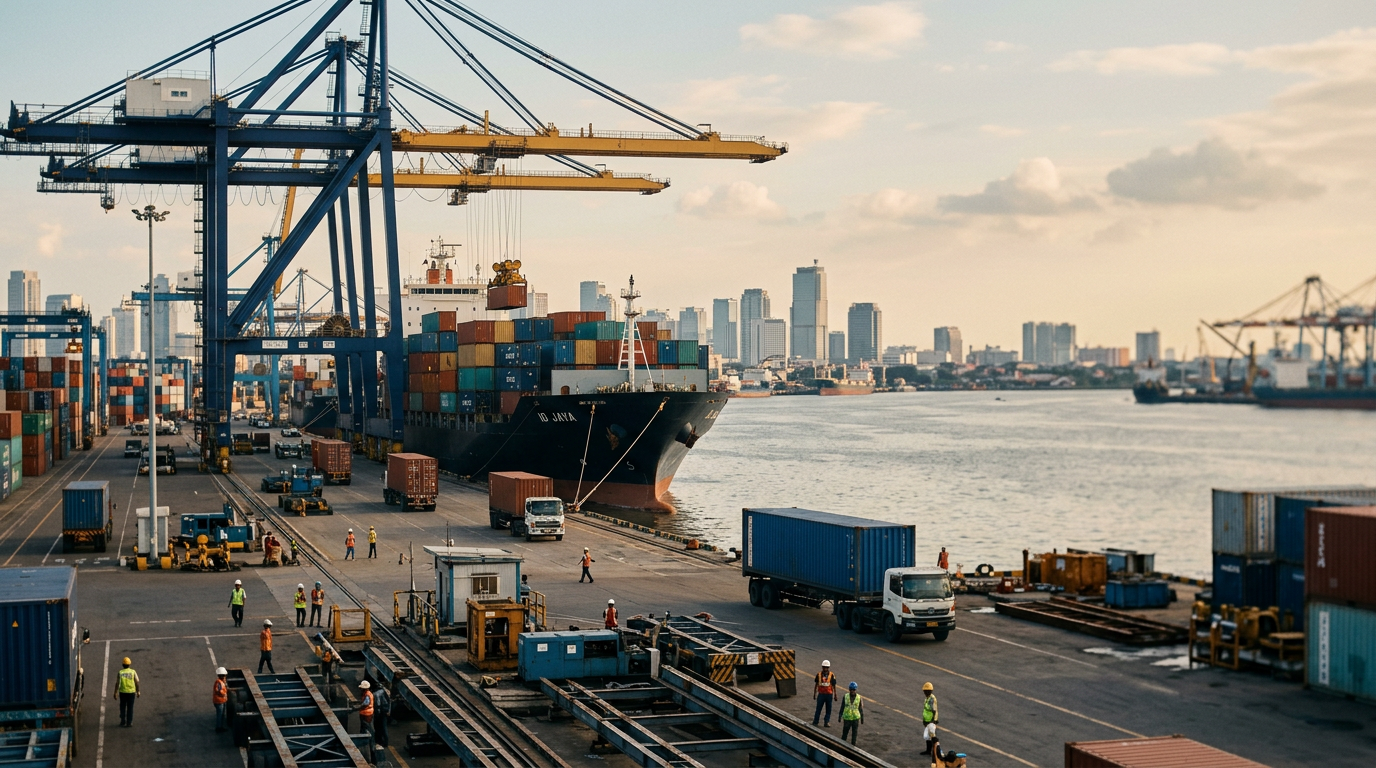
, Gulf FDI, and the Long Road from Announcement to Reality
Scale matters only when institutions can turn it into investable depth. FDI announcements travel quickly. Realised flows depend on the slower work of land, permits, power and talent reaching the ground.
 Indonesia
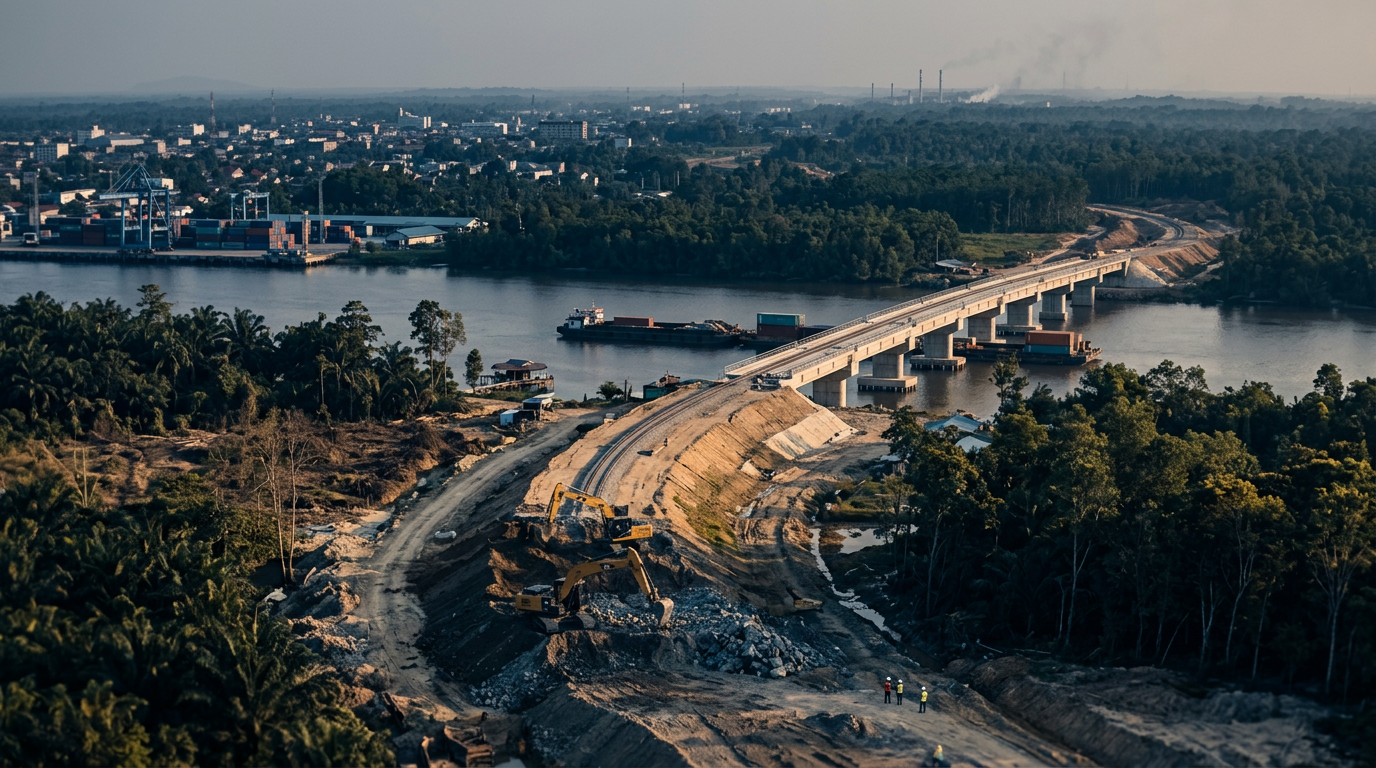
's Railway Plans Test Its Investment Climate
Indonesia is looking to China for a major railway project in Kalimantan. This tests whether Jakarta can translate large FDI announcements into reality, which depends on mastering land, permits, power, and talent.
 Singapore
, FDI, and the Challenge of Scale
A jump in Singaporean factory output, driven by AI demand, highlights a core ASEAN challenge: converting FDI announcements into realized, on-the-ground investment. For neighbors like Indonesia, the slower work of improving institutions and infrastructure is the real measure of.
 Singapore
, AI, and the FDI Test
Singapore's factory output jump in August, driven by AI demand, is a positive signal. Yet, the work of turning foreign direct investment announcements into long-term economic capacity is just beginning.
 Singapore
, AI, and ASEAN's Manufacturing Future
Singapore's recent factory output surge, driven by AI-related demand, highlights a divergence in ASEAN manufacturing. While Singapore attracts high-value investments, its neighbors must focus on institutional capacity to absorb and realize large-scale FDI.
 Singapore
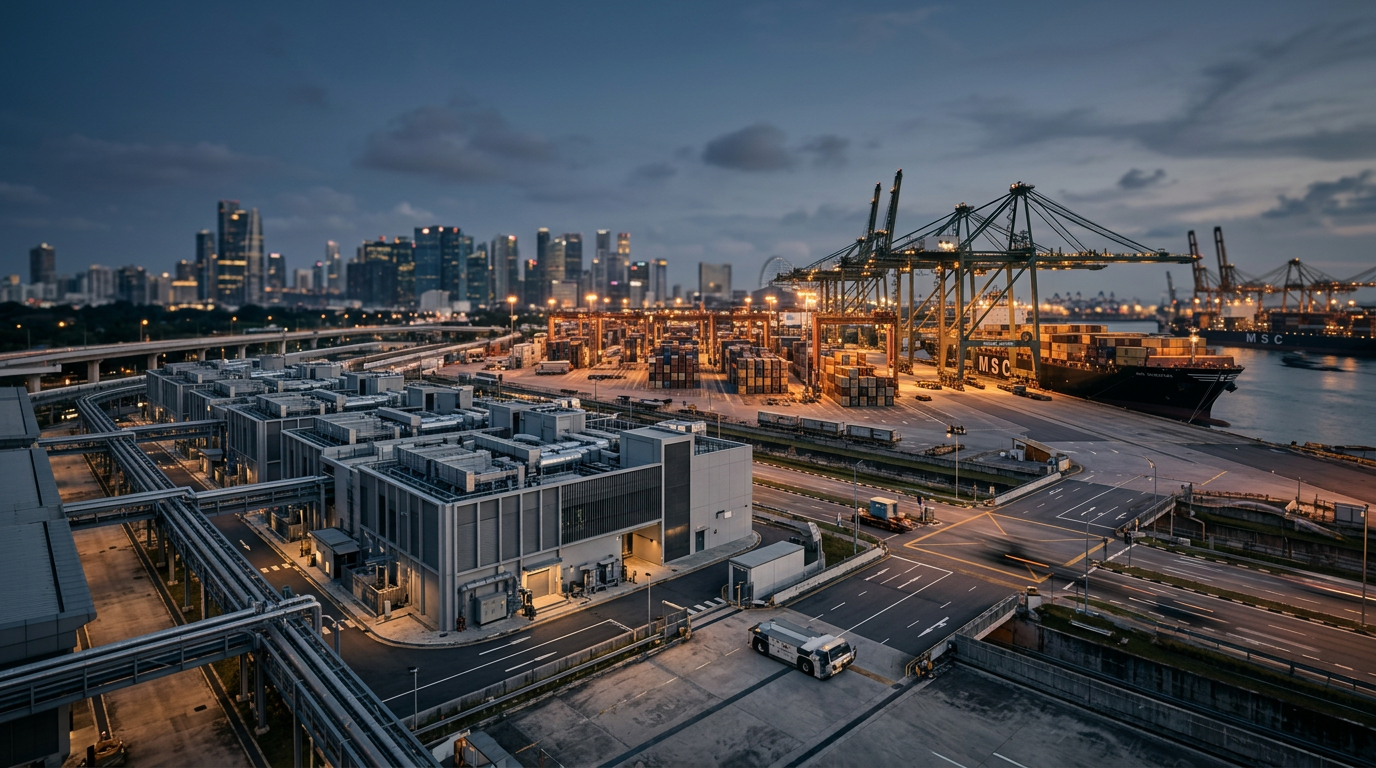
, FDI, and the Enduring Power of Execution
The new AI-driven investment boom is a reminder that in the long run, capital follows capacity, and FDI flows to where the slow work of execution gets done.
 Vietnam
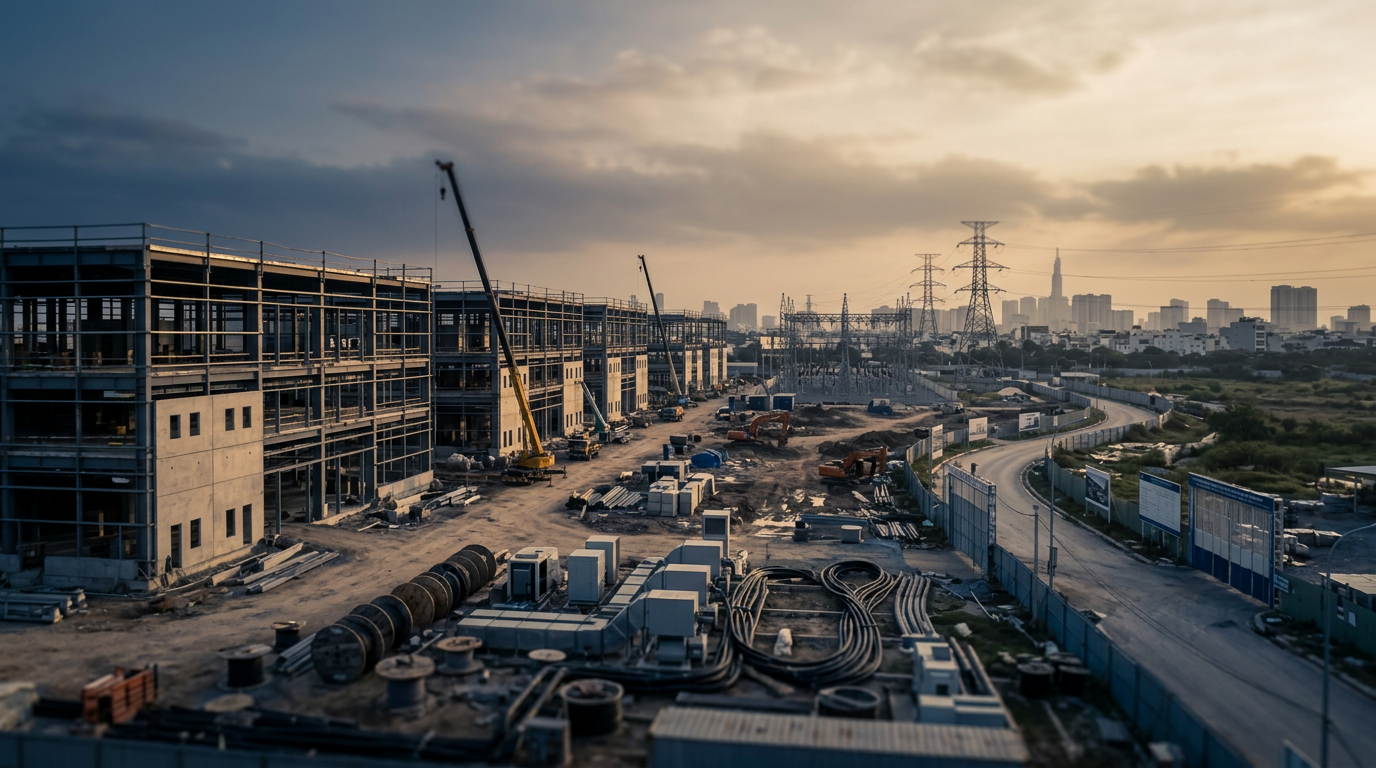
's data center ambitions depend on execution
Vietnam's ambition to become a major data center hub in Southeast Asia is attracting investor attention. Translating that ambition into reality will depend on the slower work of matching digital demand with land, permits, and reliable power.
 Malaysia
's FDI Wins Meet the Test of Execution
Mondelez International's new investment in its Shah Alam production facility is a positive signal for Malaysia, but the real work for any large investor begins after the announcement. Turning FDI promises into reality requires a continued focus on institutional capacity.
 Philippines
The EV Transition and ASEAN's Industrial Policy
The electric vehicle transition is not just a climate story, it is an industrial policy story. For ASEAN, it brings to the fore questions of capital allocation, supply chain management, and long-term institutional capacity.
 Philippines
The EV Transition and ASEAN's Industrial Base
The electric vehicle transition is testing ASEAN's industrial policy. The region has a deep manufacturing base, but the shift to EVs requires new capabilities in battery production, software, and supply chain management that are not yet fully in place.
 Thailand
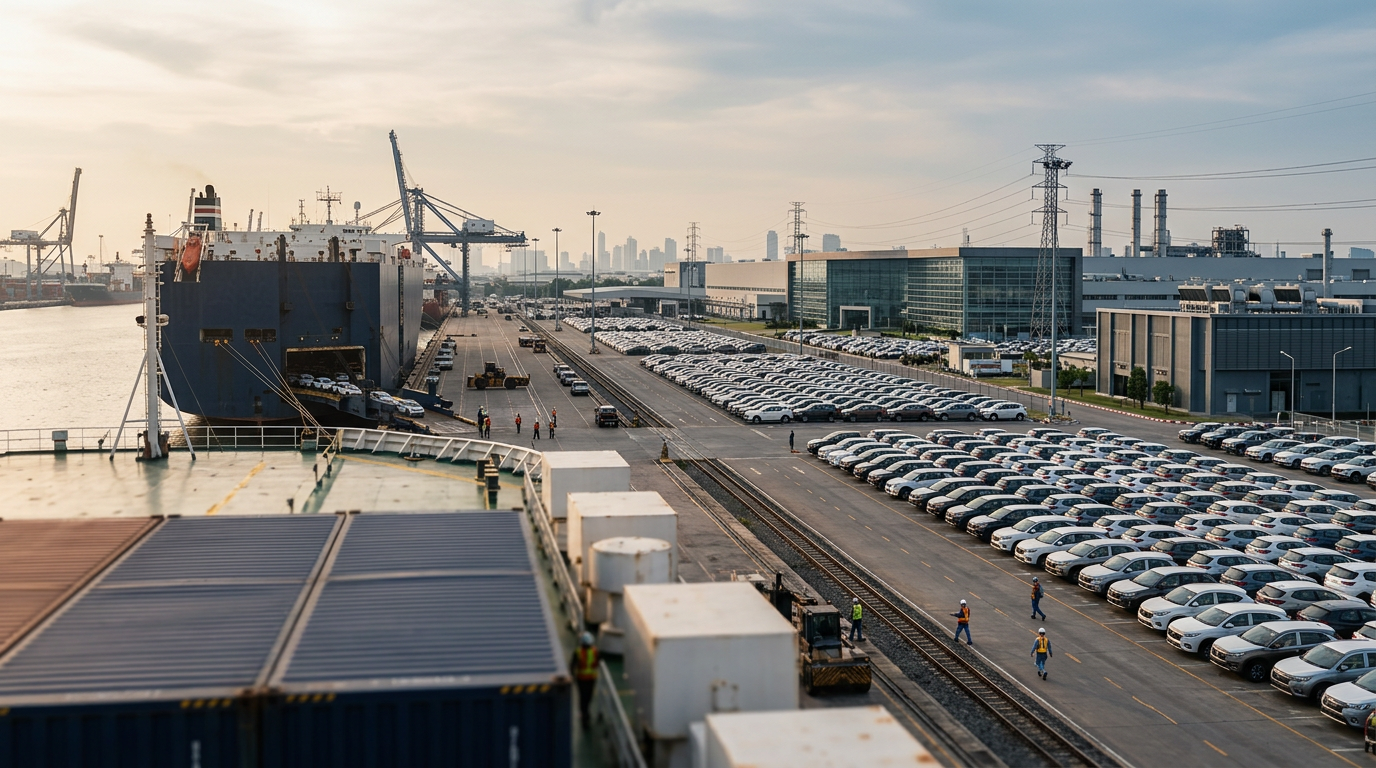
: Auto FDI and the Execution Test
Thailand's bid for automotive FDI leadership depends on a predictable policy environment and the capacity of its institutions to deliver land, power, and talent to the factory floor.
 Thailand
: Beyond the EV Policy Push
Thailand's electric vehicle subsidies are a start, but winning the next phase of automotive investment depends on the slower work of building a durable, high-skill ecosystem.
 Thailand
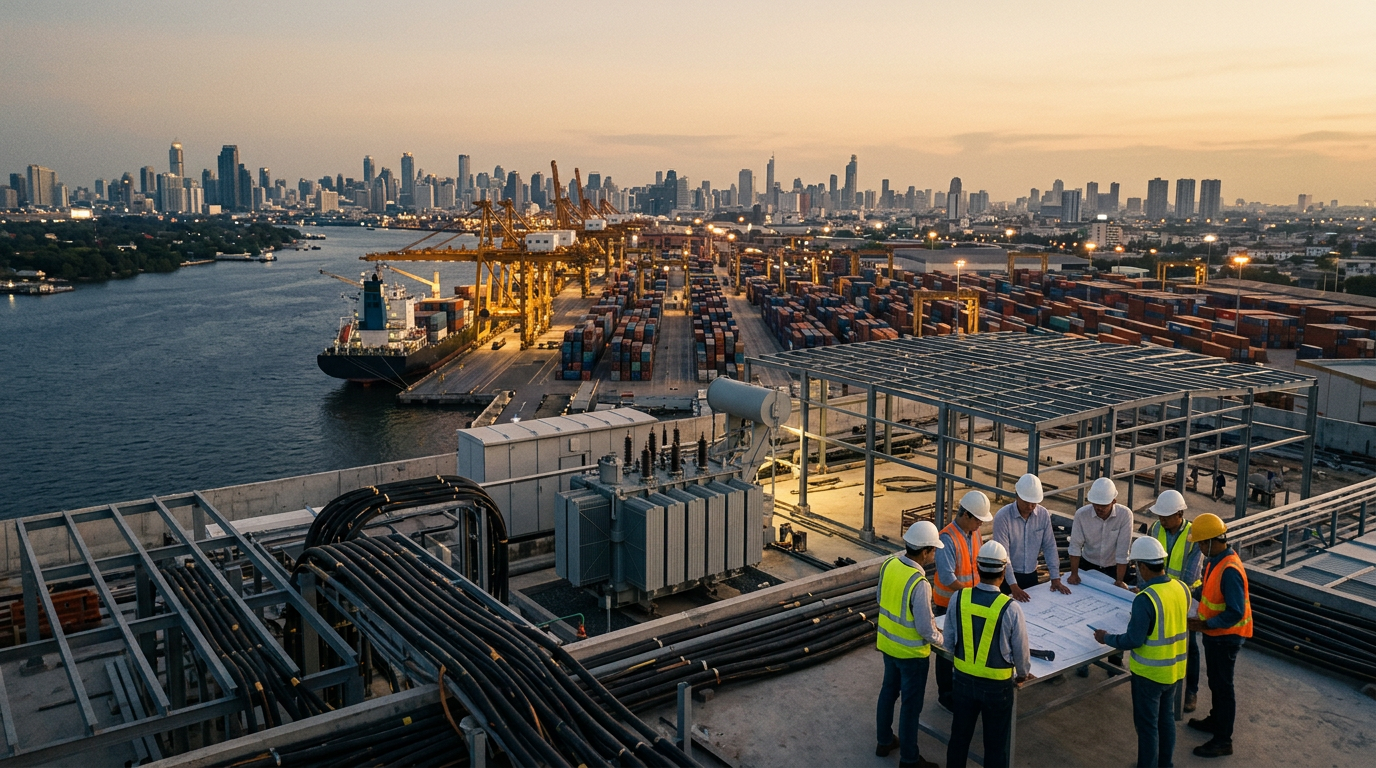
: Beyond Vehicle Sales Forecasts
Thailand's ambitions in the electric vehicle sector depend on more than just sales projections. The country's ability to translate policy into real investment hinges on the slower, harder work of building institutional capacity.
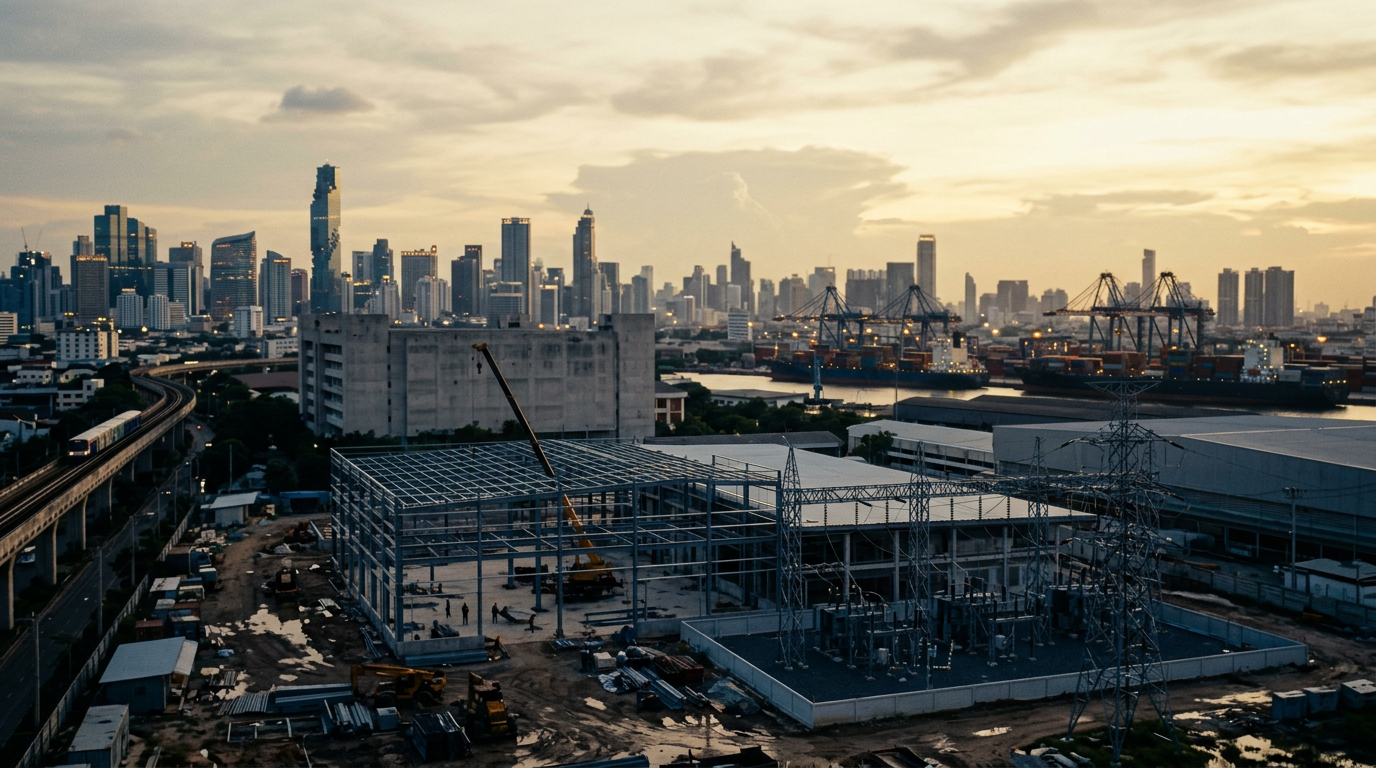 Thailand
 EV Transition: A Test of Institutional Capacity
Thailand's EV ambitions are attracting investment, but turning announcements into operational factories requires more than just policy. It will be a test of the country's institutional capacity to deliver land, power, and talent.
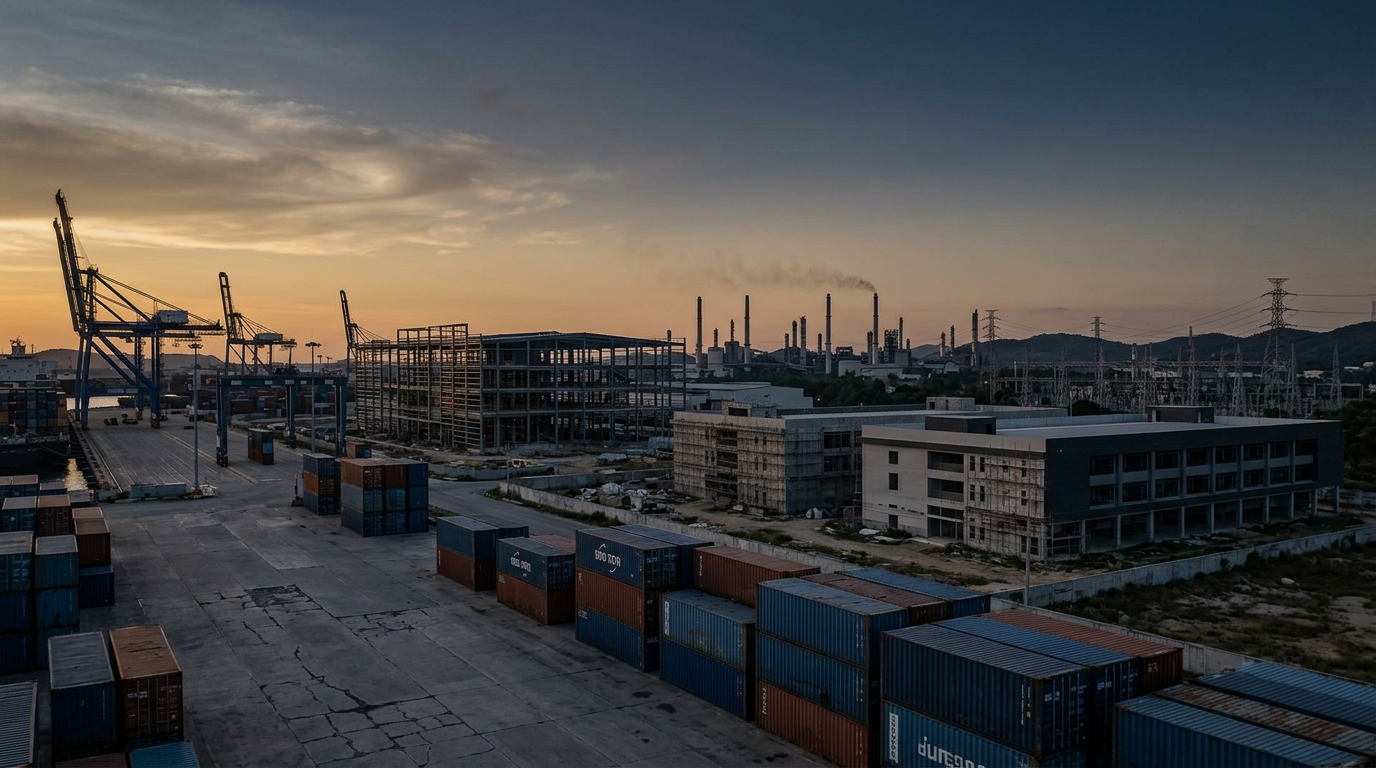 Thailand
: EV Policy is No Substitute for Execution
Thailand has a trust deficit and an infrastructure deficit in its electric vehicle transition. Policy can signal intent, but foreign direct investment flows to where the power, land, and talent are.
 Philippines
Philippine Airlines bets on India links
New nonstop flights from Manila to Delhi and Mumbai are a bet on deeper economic ties. But for aviation to enable investment, the slower work of improving infrastructure and talent on the ground is essential.
 Thailand
Foreign Direct Investment in ASEAN: From Announcement to Execution
Foreign investment pledges are one thing; realised investment is another. HSBC's focus on the Thailand-Japan corridor highlights the long-term institutional work required to turn FDI announcements into tangible assets and growth.
 Singapore
 Scales Up: Foreign Talent and the Infrastructure Test
Singapore's reliance on foreign labor for major infrastructure projects like Changi T5 highlights the critical link between talent, capital, and institutional execution in sustaining long-term growth.
 Thailand
's $80bn Semiconductor Ambition
Thailand aims to attract $80 billion in semiconductor investment by 2050. Success will depend on the slow work of improving institutions, infrastructure, and talent.
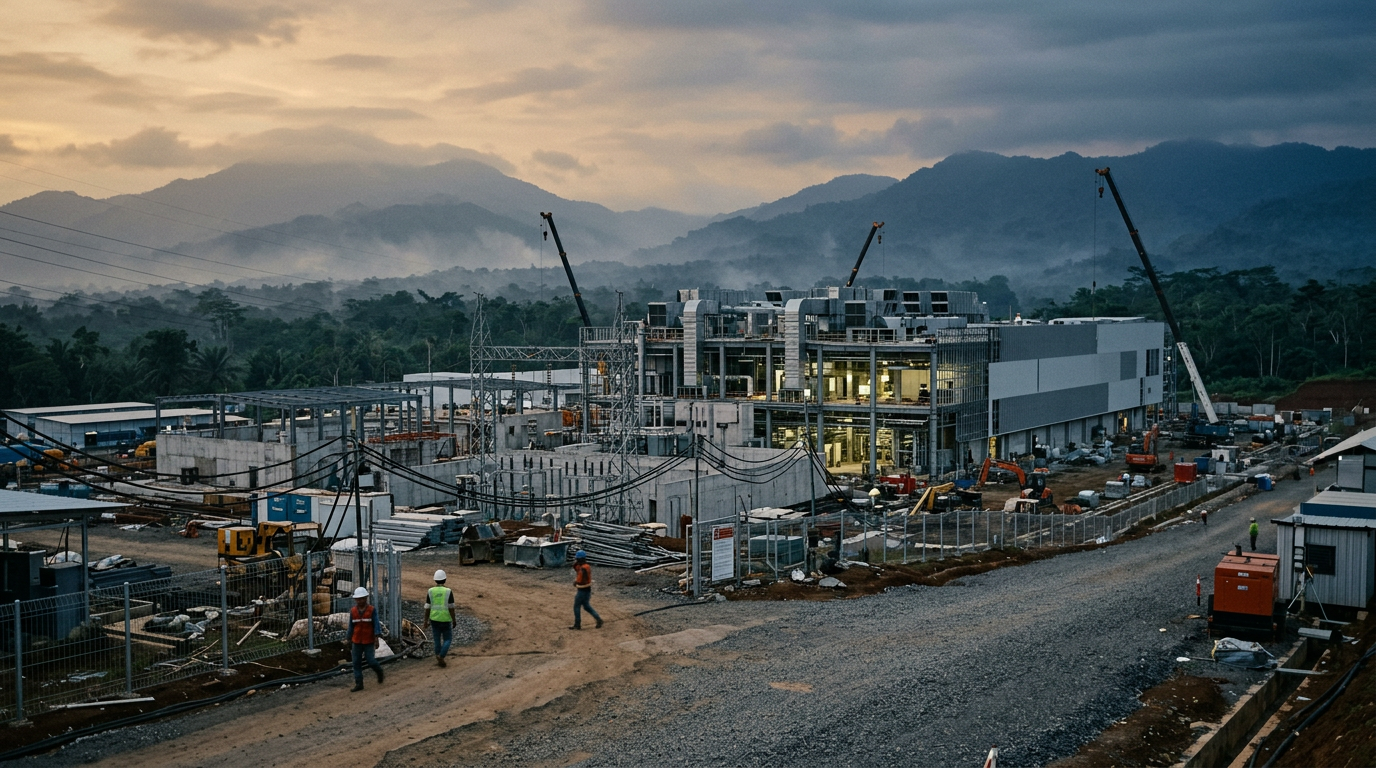 Indonesia
Java's New Data Centre Highlights an ASEAN Execution Gap
A new 640 MW data centre project in West Java is a positive step for Indonesia's digital economy. But the project also shows the persistent gap between Indonesia's infrastructure goals and its execution on the ground.
 Philippines
Foreign Investment and Execution Risk in the Philippines
The Philippines has secured significant foreign direct investment commitments, but the recent downward revision of its growth forecast highlights the gap between announcements and reality. Realising these investments requires tackling persistent execution challenges.
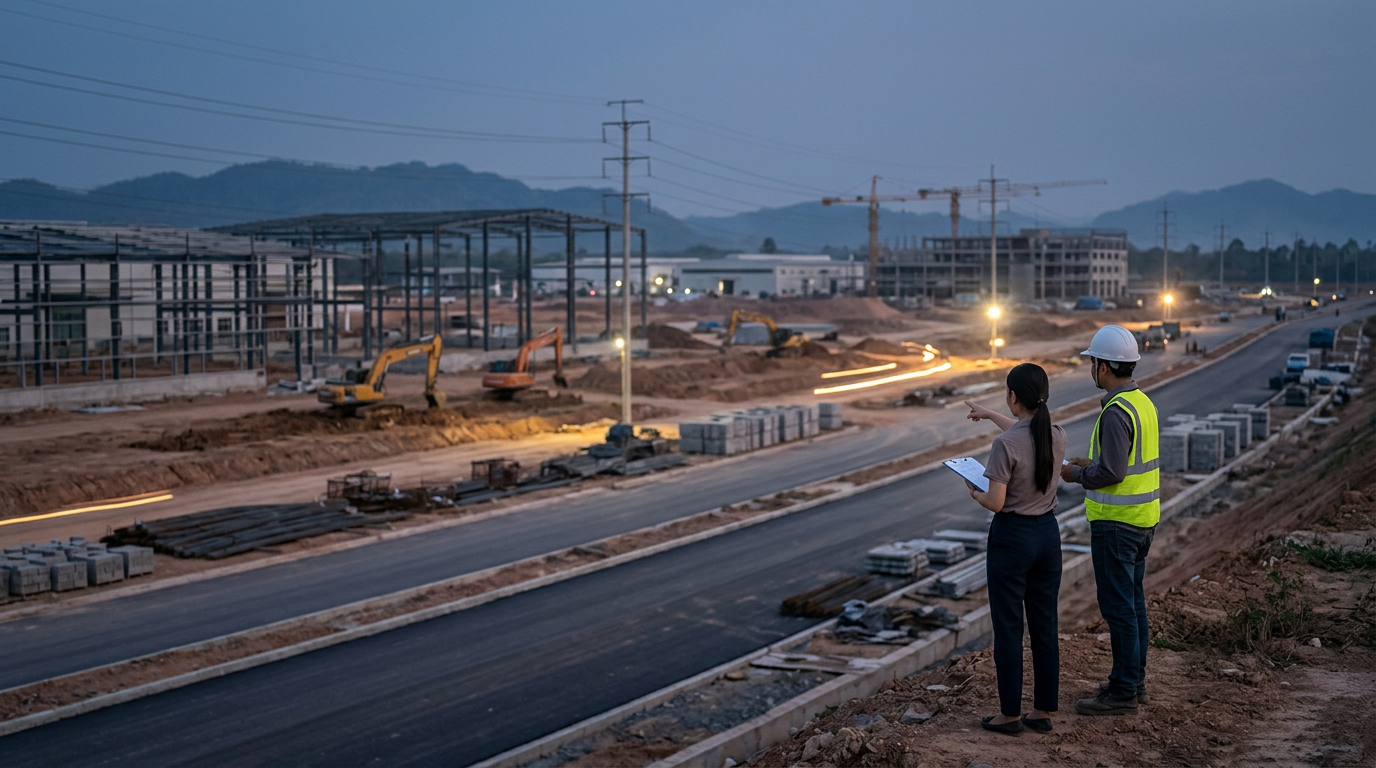
 Laos
The Hard Work Starts After the Handshake
FDI commitments require institutional follow-through to become realised investment. Without a focus on the slower work of land, permits, power, and talent, big announcements will not translate into economic depth.
 Thailand
: From FDI Pledge to Economic Reality
Thailand is fast-tracking industrial investments and adding incentives for tech listings. Realising these flows will depend on the slower work of improving infrastructure and deepening the talent pool.
 Thailand
's PTTEP FID: From Announcement to Execution
Thailand's latest FID in the Gulf of Thailand highlights the long road from investment announcement to realised production, a journey dependent on institutional capacity.
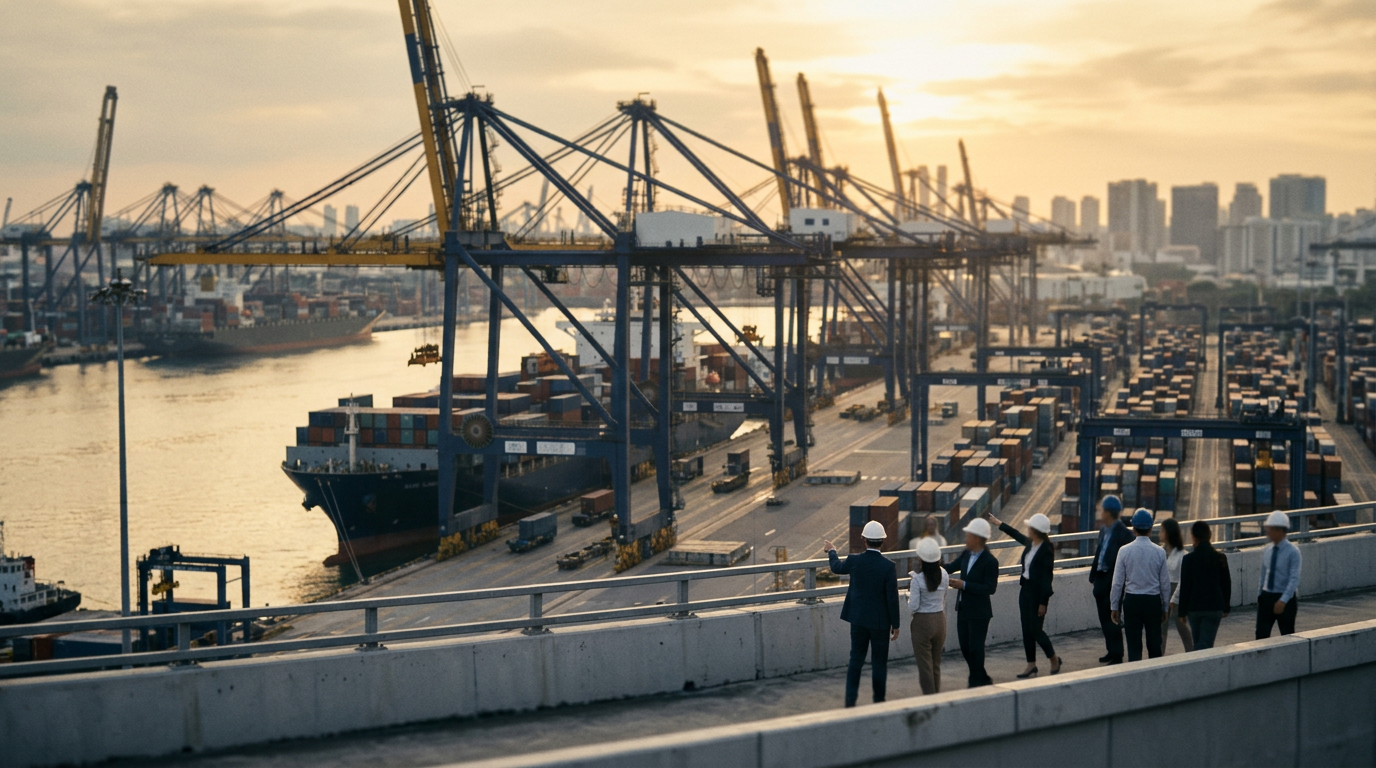
From Declaration to Deals: ASEAN and Canada
Talk of trade and investment declarations travels quickly. Realised FDI flows depend on the slower work of building institutions that can translate scale into investable depth on the ground.
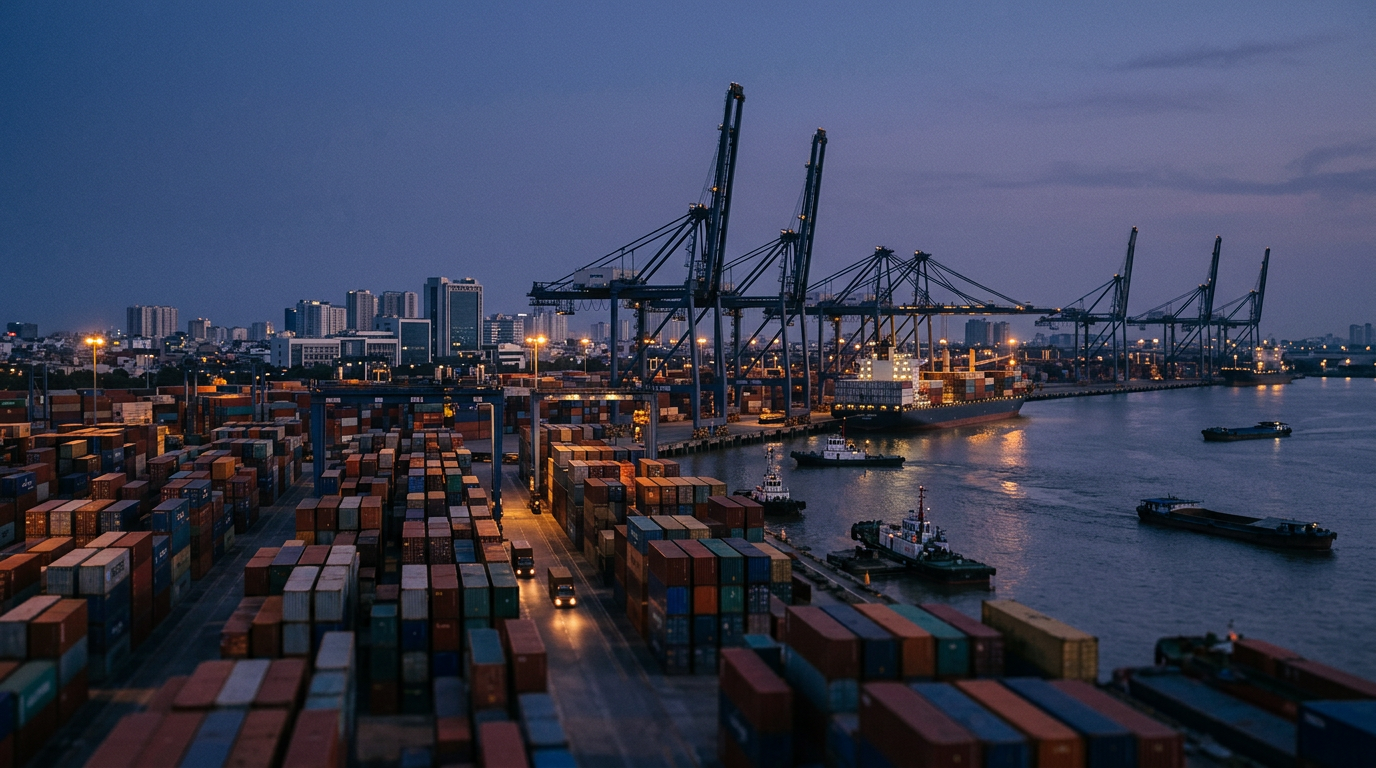 Vietnam
A reported trade deal with the US shows Vietnam is managing its trade relationships to maintain strategic optionality, a core theme of ASEAN