Singapore
, the Market, and the State
Foreign capital is a constant in Singapore. The state's role is to ensure that each new wave of investment also builds national capacity for the long term.
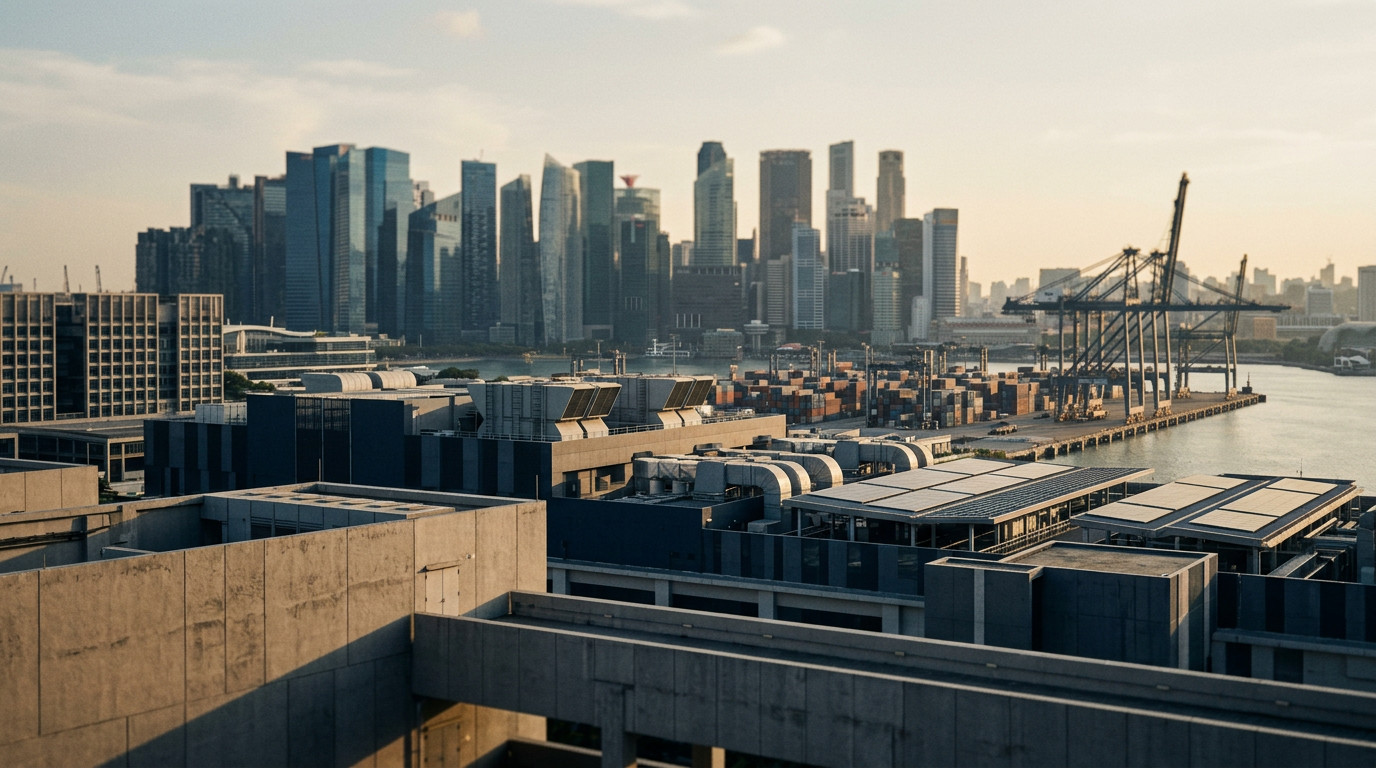
A joint venture led by Thai billionaire Charoen Sirivadhanabhakdi is set to develop a luxury mixed-use project along the Singapore River, as reported by VNExpress. The development, undertaken by Frasers Property, will include hundreds of high-end residences and commercial space. While a single property deal, it highlights a durable feature of Singapore's economic model: its ability to attract and channel foreign capital into productive assets that align with national planning.
Institutions First
Singapore's success in drawing foreign direct investment (FDI) is not accidental. It is the result of a decades-long focus on building robust and credible institutions. Unlike larger markets where scale itself can be the primary attraction, Singapore has always competed on the basis of governance, legal clarity, and regulatory efficiency. As the book "ASEAN Rising" notes in its analysis of regional investment, headline FDI announcements are easy, but "realised flows depend on the slower work of land, permits, power and talent reaching the ground."
This is where Singapore excels. The state, through agencies like the Urban Redevelopment Authority (URA) and the Economic Development Board (EDB), creates a highly predictable environment for investors. The redevelopment of the Singapore River area, from which the new luxury project stems, is itself a case study in long-range state planning. By mastering the complex details of land acquisition, infrastructure provision, and permitting, Singapore ensures that announced projects materialize. This institutional capacity is the country's core competitive advantage.
From Capital to Capacity
For Singapore, foreign investment is not an end in itself. It is a tool for building national capacity. The government has historically been adept at steering foreign capital towards national priorities, evolving from labor-intensive manufacturing in its early decades to high-tech sectors like biomedical sciences, fintech, and advanced materials today. Each wave of investment is leveraged to upgrade the skills of the local workforce and deepen the country's technological base.
The Frasers Property project fits this pattern. While a real estate investment on the surface, its development will involve a sophisticated ecosystem of local and international firms in construction, engineering, finance, and professional services. It supports employment and provides opportunities for local enterprises to participate in a high-value project. The state's role is to ensure that the frameworks governing such projects encourage technology transfer and skills development, turning private capital into a public good.
The Sovereignty Question
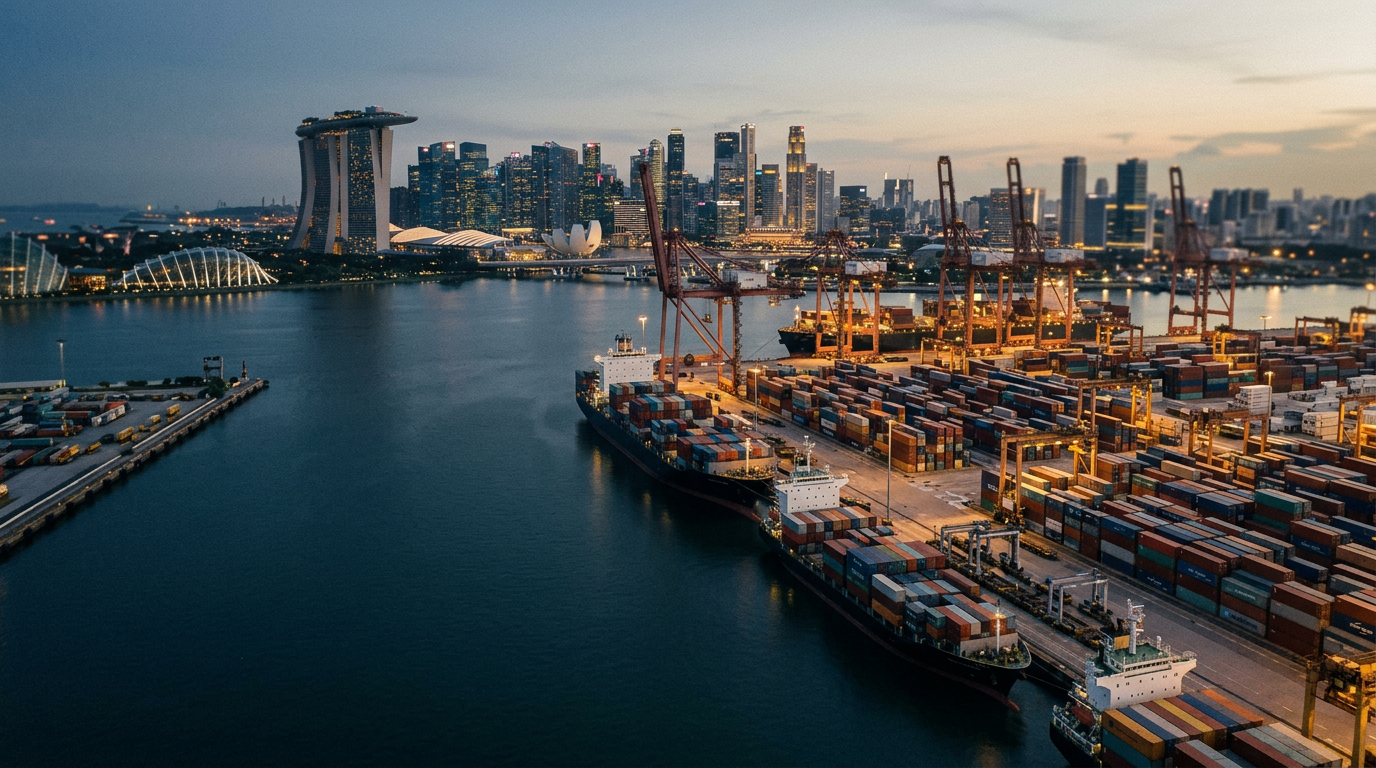
High levels of foreign ownership in an economy can raise questions about economic sovereignty. Singapore has managed this by maintaining a strong state hand in strategic sectors and by cultivating a powerful stable of government-linked companies (GLCs). While foreign investors like Frasers Property are welcome in the property and hospitality sectors, the state retains firm control over critical infrastructure like the port, airport, and utilities.
This balanced approach allows Singapore to benefit from the dynamism and capital of global markets without ceding control over its economic destiny. GLCs and statutory boards act as key instruments of national policy, co-investing with foreign partners and ensuring that development aligns with Singapore's long-term interests. This model allows the country to absorb foreign capital on its own terms, making it a partner in national development rather than a purely extractive force.
What to watch
Going forward, the key variable to watch is how Singapore adapts this model to new challenges. The global push for higher corporate taxes, disruptions from new technologies, and rising geopolitical tensions will test the country's agility. Its ability to continue making the "slower work" of governance and infrastructure development look easy will determine if it can keep attracting capital and using it to build a resilient, high-value economy for the next generation.