
 Malaysia
Green Transition: From FDI Pledges to Investable Depth
ASEAN's green transition requires more than just ambitious FDI pledges. It needs the institutional capacity to translate those commitments into realised projects on the ground.
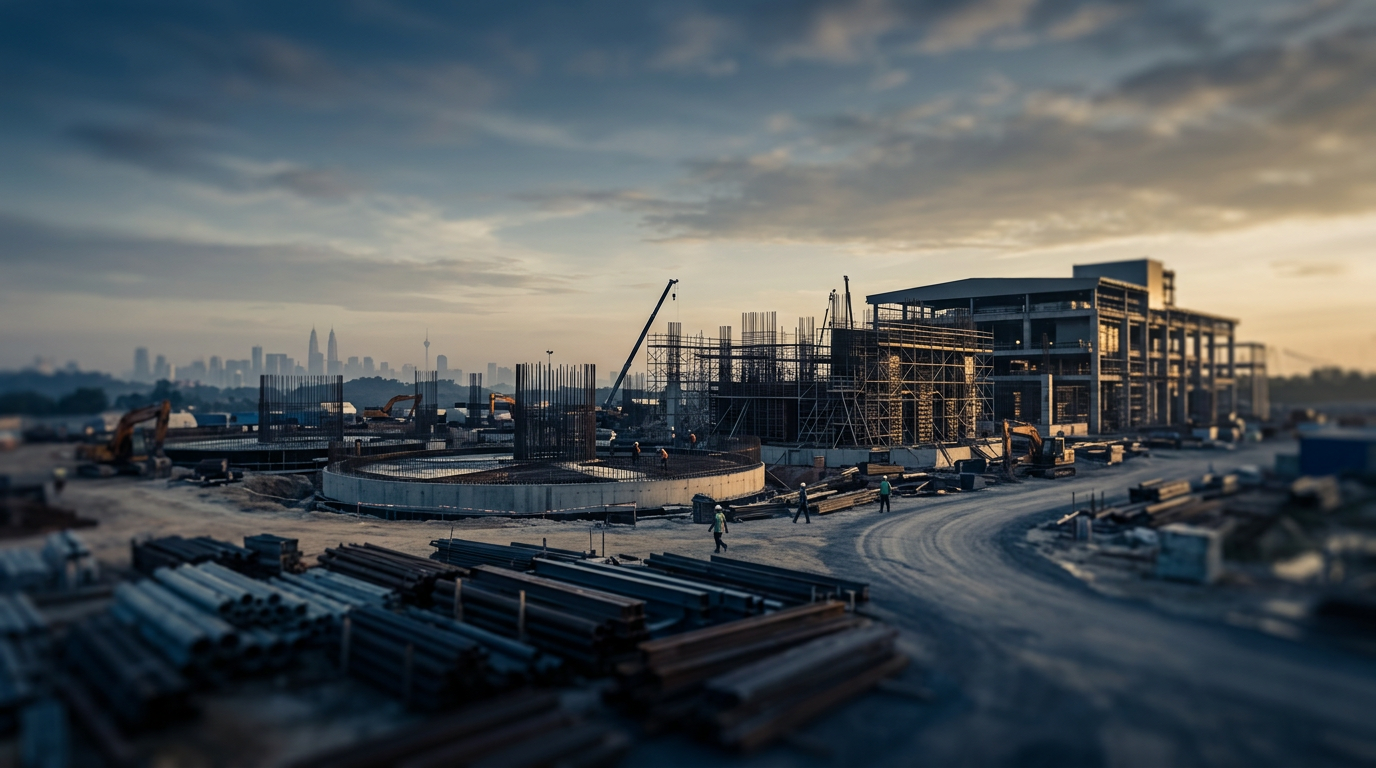
An ESG Symposium recently urged ASEAN to pursue an inclusive green transition, a call that highlights the need for industrial competitiveness and investment, as reported by the Bangkok Post. The discussion around environmental, social, and governance standards is timely, as member states court foreign direct investment for large-scale energy and industrial projects. However, the path from high-level commitments to tangible results is paved with institutional challenges.
The Execution Gap
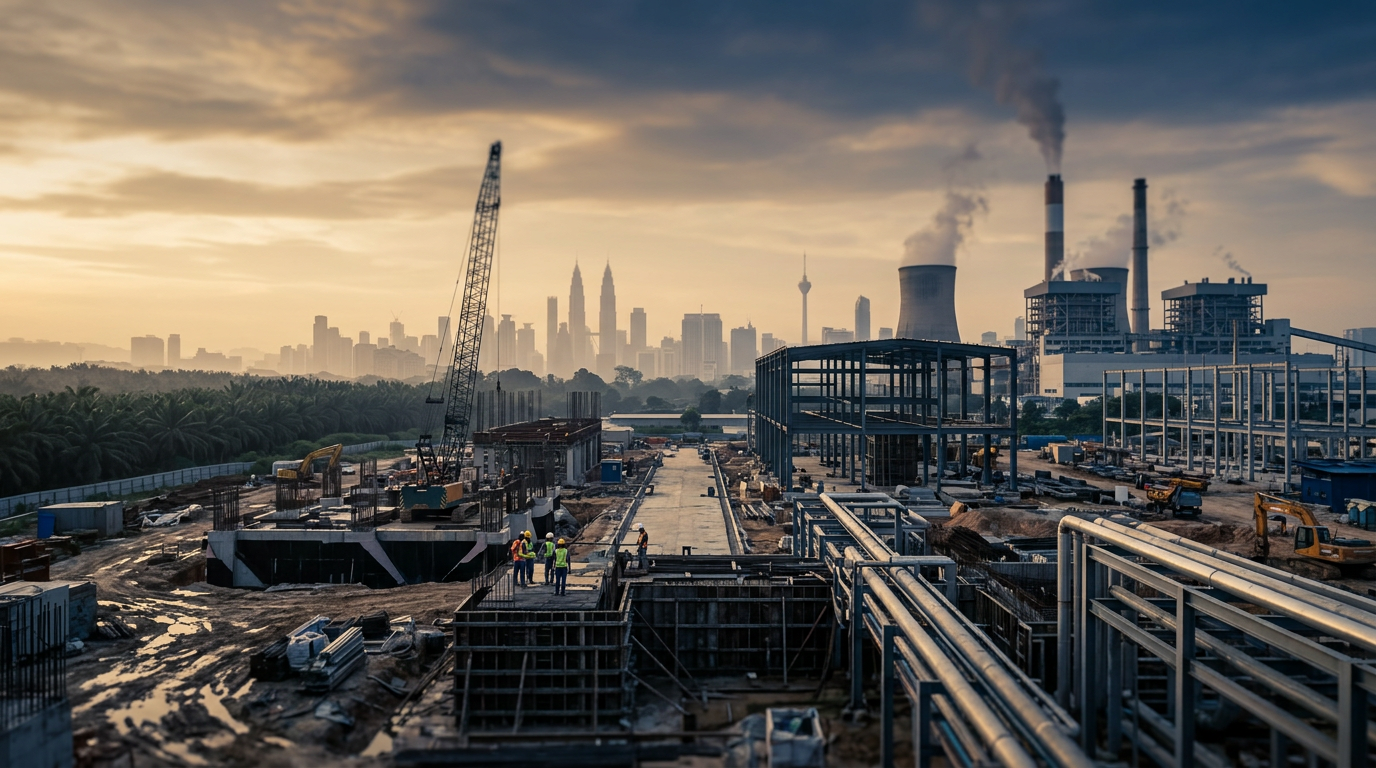
Attracting FDI is one part of the equation, but effectively absorbing and deploying that capital is another. As the book "ASEAN Rising" notes, turning national scale into project-level success is not automatic. The book makes the point that while "FDI announcements travel quickly," the actualisation of these investments hinges on the much slower, detailed work of securing land, navigating permit processes, ensuring reliable power, and developing a skilled workforce. This is the execution gap that many large-scale green projects face.
Foreign investors, particularly those focused on ESG-compliant projects, require a high degree of certainty and transparency. The complexities of land acquisition, for example, can be a significant obstacle in many ASEAN markets. Similarly, bureaucratic hurdles in permitting can delay projects for years, adding costs and uncertainty that can deter the very capital the region seeks to attract. Without a clear and predictable regulatory environment, ambitious green transition goals remain just that-ambitions.
Institutional Capacity as the Bottleneck
Building the institutional capacity to manage complex projects is a recurring theme across the region. It involves strengthening government agencies, ensuring coordination between national and sub-national authorities, and creating frameworks that can handle the technical and financial demands of modern infrastructure. The green transition adds another layer of complexity, requiring new expertise in renewable energy technology, carbon markets, and sustainable supply chains.
The development of human capital is equally important. A green transition cannot be built without a workforce equipped with the necessary skills. This includes engineers for renewable energy projects, technicians for advanced manufacturing, and managers who understand the principles of sustainable business. Investment in education and vocational training is not just a social good; it is a fundamental prerequisite for building the industries of the future and ensuring that the benefits of green growth are widely shared.
What to watch
As ASEAN leaders continue to champion a green and inclusive future, the focus must shift from targets and announcements to the mechanics of implementation. Observers should watch for concrete policy reforms that streamline regulations, simplify land and permitting processes, and align educational programs with the demands of a green economy. The ability of ASEAN institutions to translate large-scale FDI commitments into operational, on-the-ground projects will determine the pace and success of the region's sustainable transition.

 Thailand