Thailand
 Bets on Execution to Win in Semiconductors
Thailand is moving to solidify its position in the global semiconductor supply chain, but winning FDI commitments is only the first step. Execution on infrastructure, talent, and permits will determine its success.
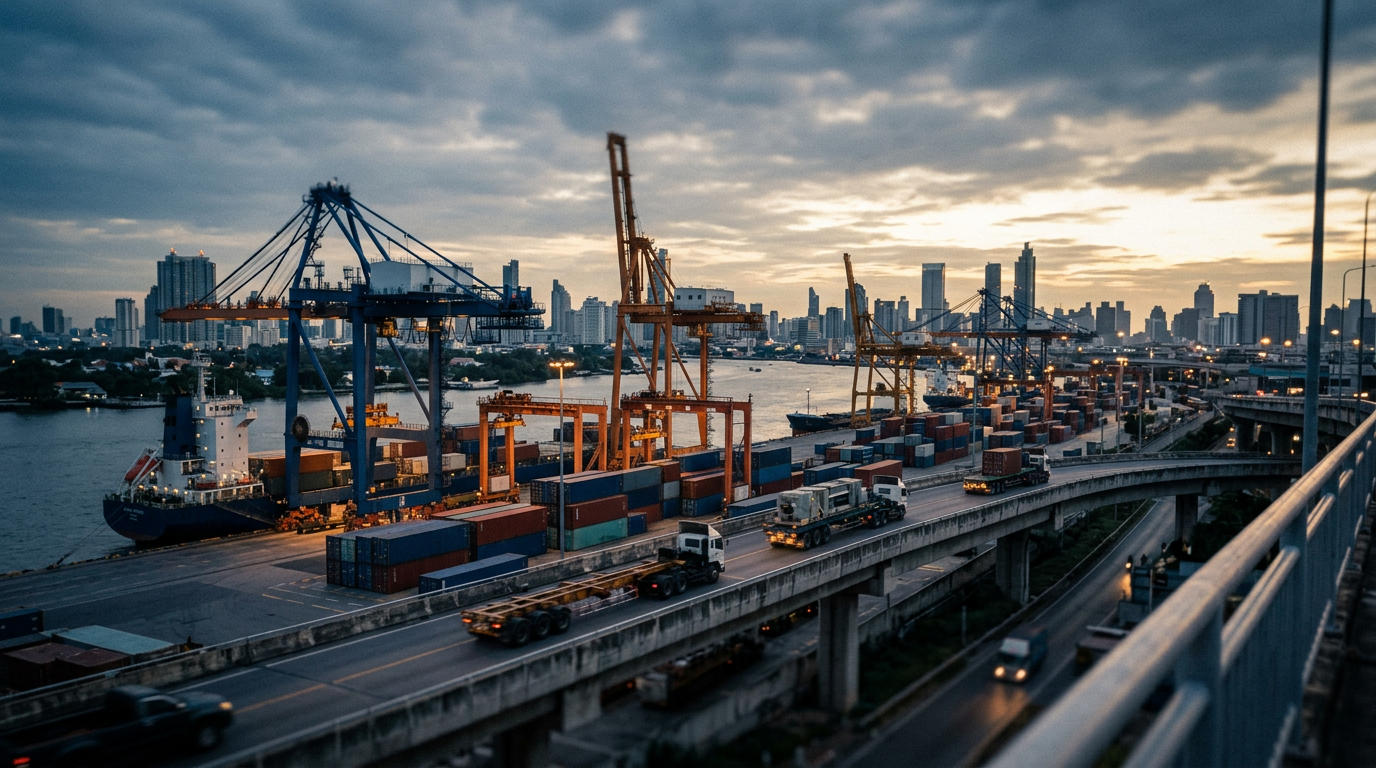
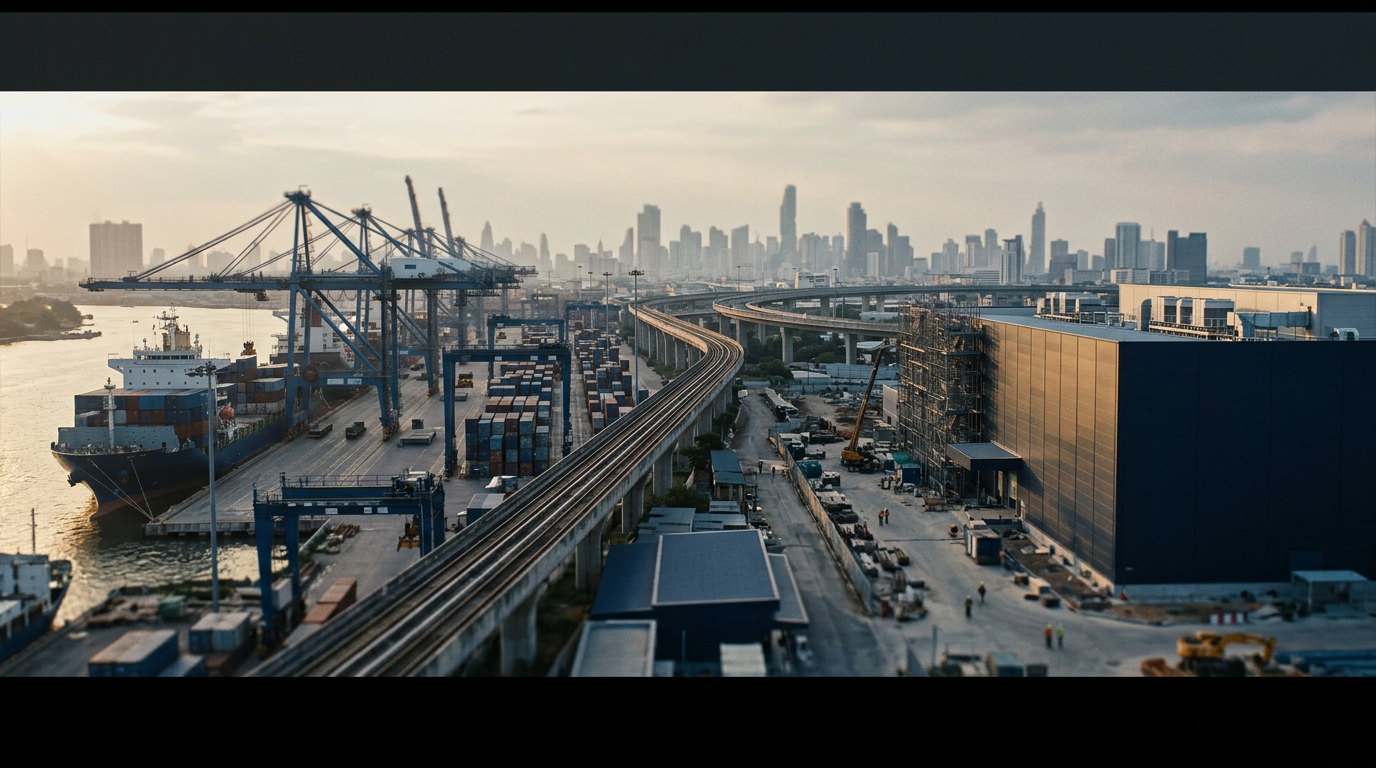
Thailand is accelerating its plan to become a regional semiconductor hub, a move highlighted by Infineon Technologies' recent commitment to a new US$1.4 billion complex. As reported by Vietnam News, the country is positioning itself to capture a larger share of the global chip industry, leveraging its established base in electronics assembly and automotive manufacturing.
Institutions and Investable Depth
Attracting marquee foreign direct investment (FDI) announcements is a significant political and economic victory. It signals to the market that Thailand is a serious contender in the high-stakes semiconductor industry. However, as the book "ASEAN Rising" notes, headline figures and company commitments are only the start. The real test lies in the capacity of the country's institutions to translate these announcements into operational projects.
Successfully absorbing a large-scale investment like Infineon's requires a robust institutional framework. The process involves multiple layers of government, from national investment boards to local municipalities. Efficient coordination is necessary to ensure that the promised incentives and support materialize without delay. For Thailand, this means streamlining the notoriously complex processes that can hinder development. The ability to deliver on commitments is what separates a press release from a functioning fabrication plant.
From Announcement to Realised Flows
Capital flows follow the path of least resistance. While FDI announcements can be generated quickly, the actual investment capital is disbursed much more slowly and cautiously. The book makes the point that "realised flows depend on the slower work of land, permits, power and talent reaching the ground." This is the core challenge for Thailand's semiconductor ambitions.
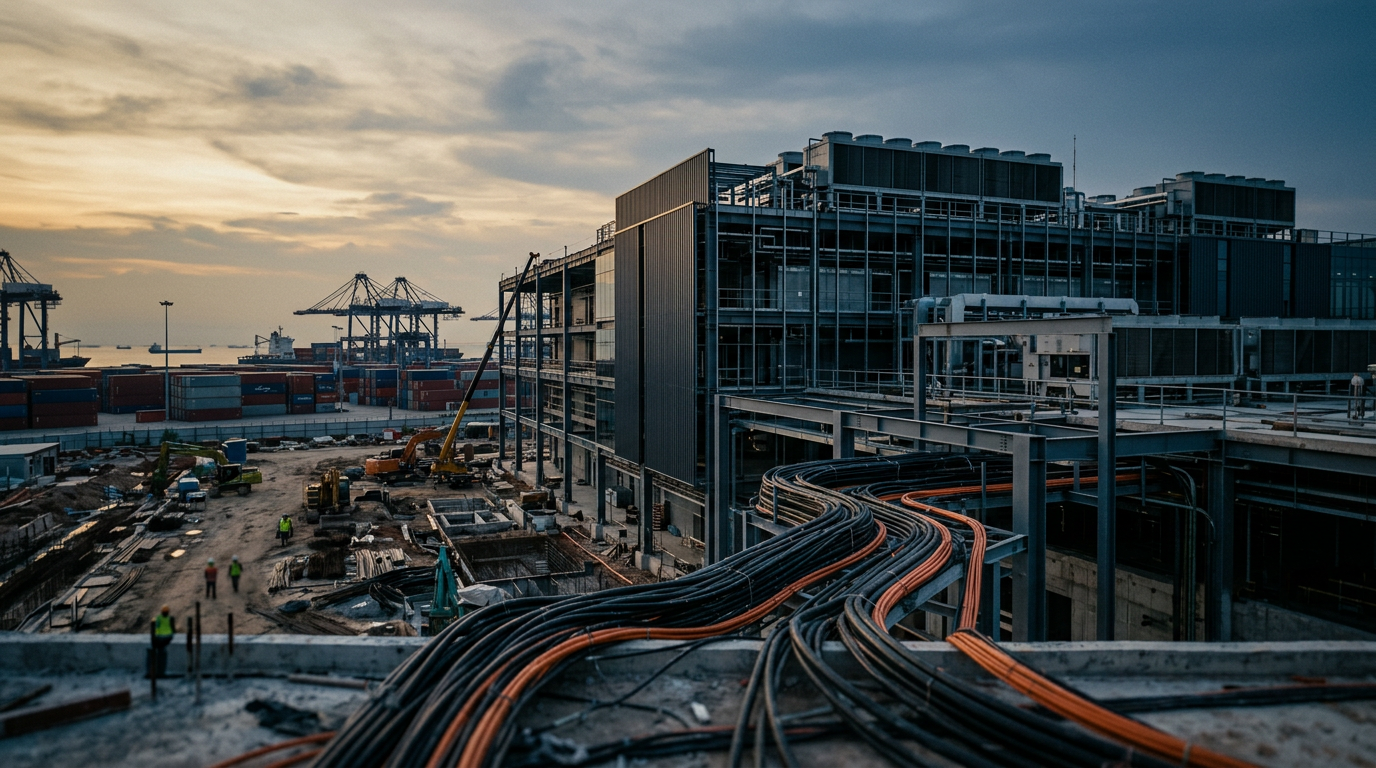
The development of a US$1.4 billion facility requires more than just a signed agreement. It involves securing suitable and clear-titled land, navigating a labyrinth of building and environmental permits, and guaranteeing a stable and sufficient supply of industrial-grade power and water. Any one of these can become a critical bottleneck. For example, delays in land acquisition or permitting can postpone construction indefinitely, leading to cost overruns and potentially jeopardizing the entire project. Similarly, an unreliable power grid is a non-starter for an industry that depends on uninterrupted, high-quality electricity.
The Talent Equation
Beyond physical infrastructure, the availability of skilled talent is a decisive factor. Semiconductor manufacturing is a knowledge-intensive industry that requires a deep pool of engineers, technicians, and researchers. Thailand has a solid manufacturing workforce, but the specific demands of the semiconductor sector require targeted investment in education and vocational training.
This involves a long-term strategy of aligning university curricula with industry needs, creating specialized training programs, and potentially attracting skilled expatriates to fill immediate gaps and train the local workforce. Competing for this talent with established hubs in Taiwan, South Korea, and even neighboring Malaysia will be a significant undertaking. The success of Thailand's semiconductor strategy will therefore depend not just on building factories, but on building the human capital required to run them effectively.
What to watch
Observers should monitor the progress of the Infineon project not just in terms of construction milestones, but in the supporting ecosystem. The key indicators of success will be the speed of regulatory approvals, the build-out of reliable power and water infrastructure to the site, and the launch of concrete talent development initiatives in partnership with Thai educational institutions. The gap between announced FDI and realized investment is where industrial strategies either succeed or fail.