Singapore
, AI, and the FDI Test
Singapore's factory output jump in August, driven by AI demand, is a positive signal. Yet, the work of turning foreign direct investment announcements into long-term economic capacity is just beginning.
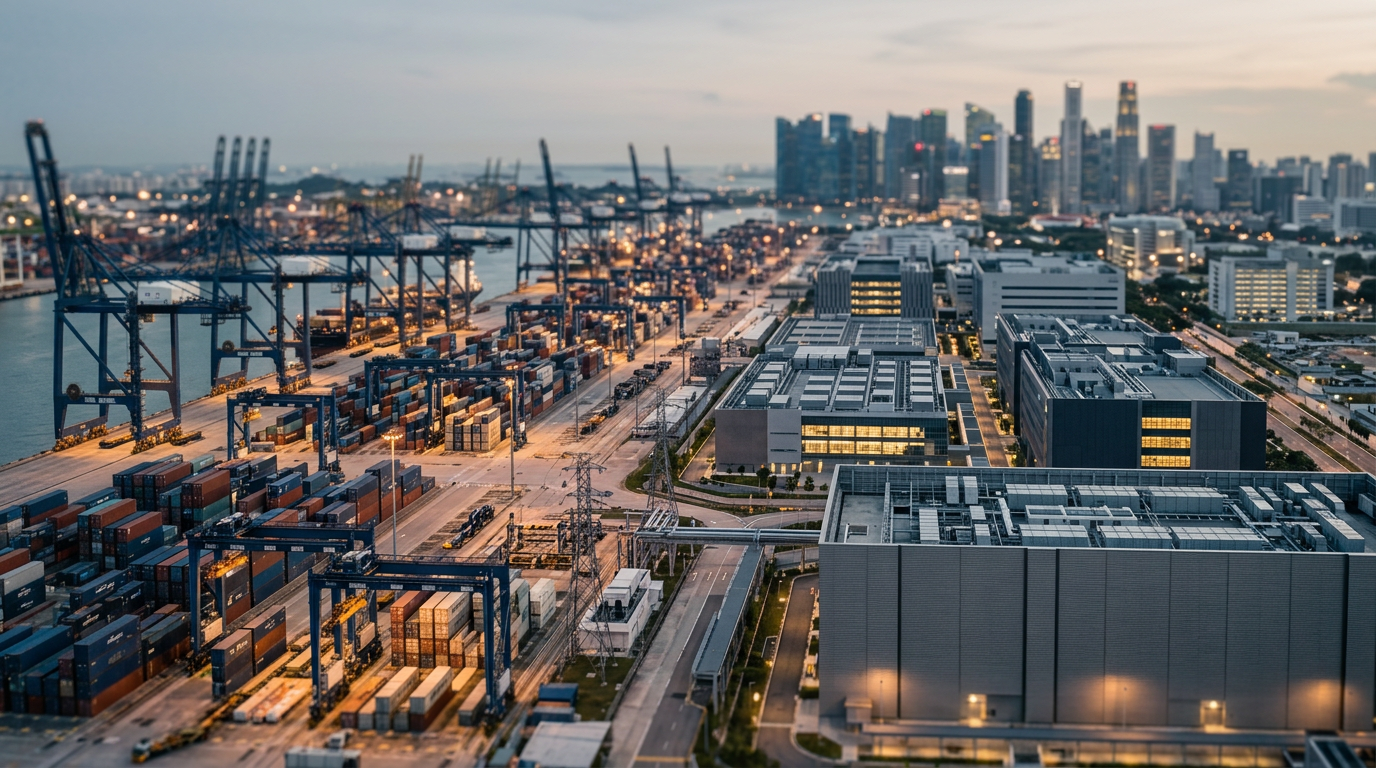
Singapore's factory output jumped in August, driven by sustained demand for AI-related products, according to a recent report from the Straits Times. Most industrial clusters, with the exception of chemicals, recorded year-on-year growth. The electronics sector, a cornerstone of the nation's manufacturing base, saw significant expansion, fueled by global investment in artificial intelligence infrastructure.
This surge is a welcome development, reflecting Singapore's successful positioning as a stable, high-value manufacturing hub. However, it also highlights a recurring theme in Southeast Asia's economic development: the gap between initial investment announcements and the realization of their full economic potential on the ground.
From Announcement to Execution
Attracting foreign direct investment (FDI) is a competitive endeavor, and Singapore has long excelled in this area. Its strong institutions, clear legal frameworks, and skilled workforce make it an attractive destination for global capital. The current boom in AI-related manufacturing is the latest example of this, as companies rush to build out their supply chains to meet soaring demand.
However, as "ASEAN Rising" notes, the journey from a promising FDI announcement to a fully operational facility is a long one. The initial headline figures are just the start. The real work involves a series of complex, often slow-moving processes. "Realised flows depend on the slower work of land, permits, power and talent reaching the ground." This is where institutional capacity and execution become paramount.
Institutions and Infrastructure
For an investment to become productive, several key elements must be in place. Securing industrial land, navigating the permitting process for construction and operation, ensuring reliable and sufficient power supply, and sourcing a qualified workforce are all critical steps. In Singapore, these processes are generally efficient and transparent, which is a primary reason for its sustained success in attracting high-tech manufacturing.
Compared to some of its neighbors, Singapore has a distinct advantage in its ability to execute. While other ASEAN nations may offer immense scale, they often face greater challenges in coordinating the "last mile" of investment. Bureaucratic hurdles, infrastructure deficits, and talent gaps can delay or even derail projects. Singapore's smaller size allows for more nimble and integrated planning, turning its well-regarded institutions into a tangible competitive advantage.
The Talent Equation
The AI boom places a particular strain on human capital. The demand for skilled engineers, technicians, and data scientists is intense and global. While Singapore has a strong educational system, it also relies heavily on foreign talent to fill specialized roles. The government's ability to balance the need for foreign expertise with the development of local talent is a constant focus of policy.
Ensuring a steady pipeline of skilled workers is not just about university degrees. It involves continuous training, vocational education, and collaboration between industry and academia. For Singapore to maintain its lead in high-value manufacturing, it must continue to invest in its people, equipping them with the skills needed to operate and innovate in an AI-driven economy.
What to watch: The key metric to monitor is not the initial FDI announcements, but the rate at which these projects are completed and begin production. Pay attention to reports on industrial land allocation, power grid upgrades, and initiatives in higher education and vocational training focused on AI and advanced manufacturing. These lagging indicators will provide a more accurate picture of how successfully Singapore is converting the current wave of AI investment into long-term, sustainable economic growth and capacity.