Singapore
, FDI, and the Enduring Power of Execution
The new AI-driven investment boom is a reminder that in the long run, capital follows capacity, and FDI flows to where the slow work of execution gets done.
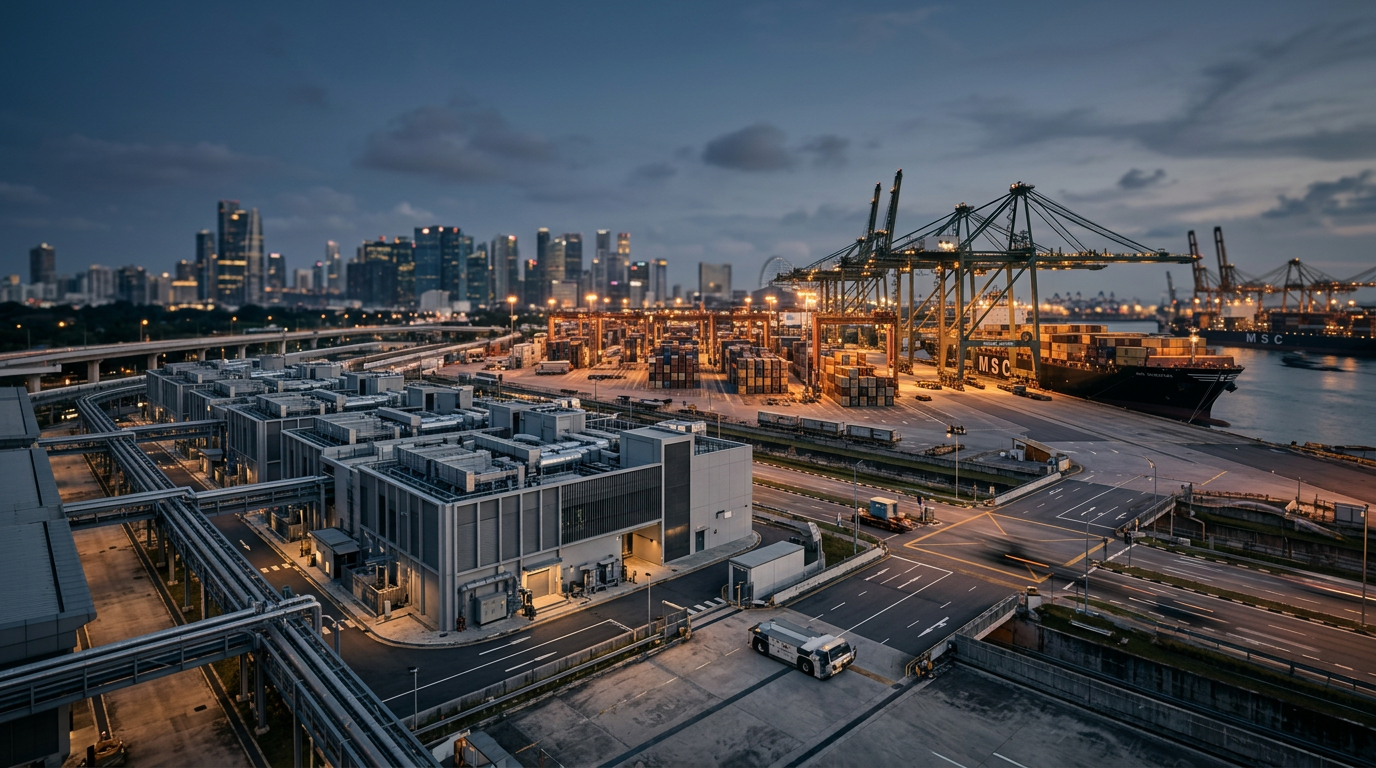
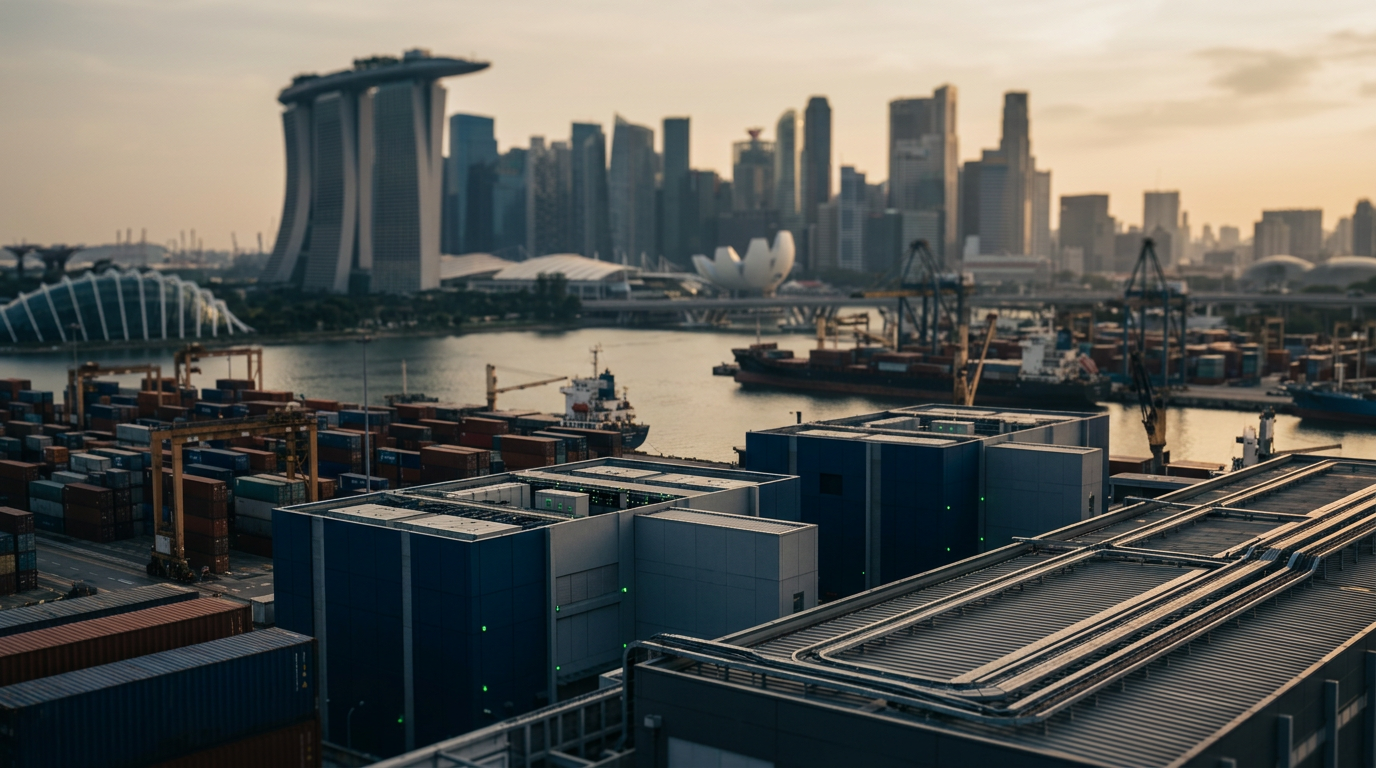
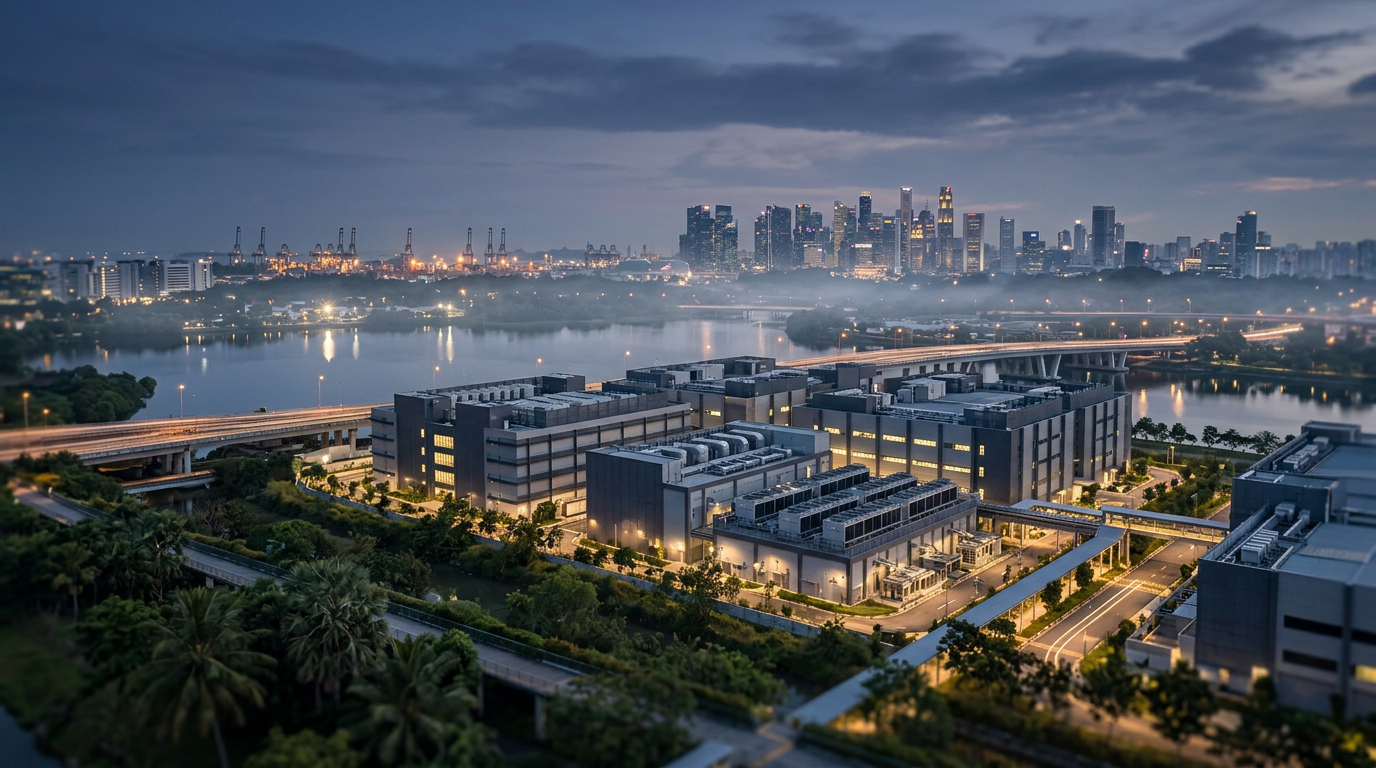
Singapore's factories posted a notable jump in output in August 2026, a surge largely credited to sustained global demand for AI-related products. As reported by the Straits Times, most industrial clusters grew, pointing to a resilient electronics sector that continues to attract high-value manufacturing. While this is welcome news for Singapore, it also offers a broader insight into the nature of foreign direct investment (FDI) across Southeast Asia. The ability to attract and, more importantly, absorb and operationalize such investment is not a given. It depends on a foundation of institutional capacity and a relentless focus on execution.
Institutions and Investable Depth
The wave of investment into AI and semiconductor manufacturing is a significant capital event. Yet, headlines about investment pledges are only the first step. As the book "ASEAN Rising" notes, the real test lies in translating these announcements into tangible operations. The core idea is that "scale matters only when institutions can turn it into investable depth." While countries like Indonesia, Vietnam, and Malaysia possess significant scale in terms of population and land, Singapore's continued success demonstrates the magnetic pull of well-established, reliable institutions. International investors, particularly in capital-intensive and strategically sensitive sectors like semiconductors, place a premium on predictability, legal clarity, and bureaucratic efficiency. Singapore has cultivated these attributes for decades, creating a trusted environment where complex manufacturing operations can be established with confidence.
From Pledges to Production
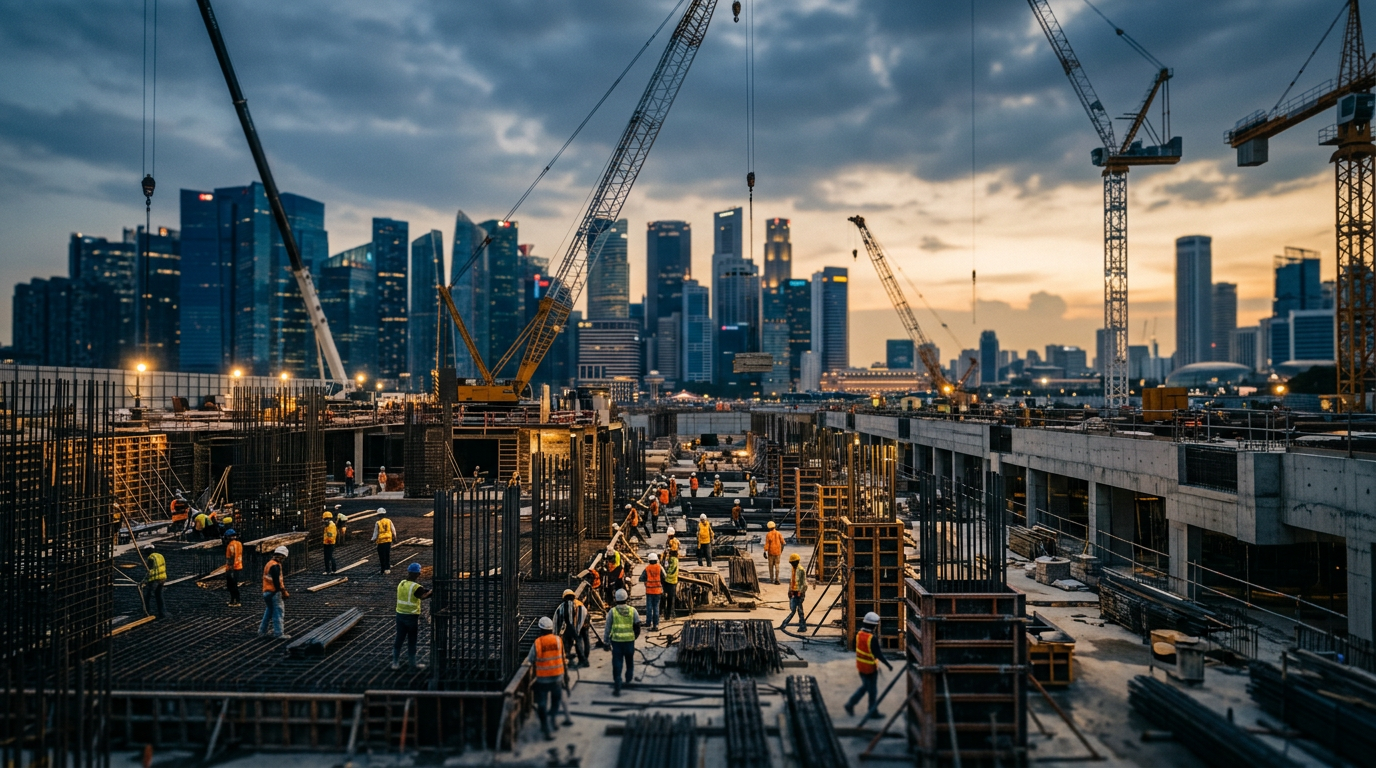
The journey from an FDI announcement to a functioning factory is a marathon, not a sprint. The process involves the "slower work of land, permits, power and talent reaching the ground." Singapore's high-ranking performance in global competitiveness and ease-of-doing-business indices is a direct reflection of its mastery over these operational details. The state's ability to prepare industrial land, streamline the permitting process, provide reliable high-quality power, and cultivate a skilled workforce is a formidable competitive advantage. Other ASEAN nations are making strides, but bottlenecks in these areas often delay or diminish the impact of announced investments. The Singaporean model shows that while strategic vision is necessary, it is the consistent, on-the-ground execution that ultimately persuades capital to stay and grow.
The Talent Equation
Sustaining the influx of high-tech investment requires a sophisticated talent pipeline. Singapore's August performance was not just about factories; it was about the engineers, technicians, and managers who run them. The country has long invested in education, vocational training, and programs to attract global talent, aligning its human capital with its economic strategy. For the rest of ASEAN, the lesson is clear: attracting AI-driven manufacturing is as much about building human infrastructure as it is about physical infrastructure. Developing a workforce with the right skills is a long-term commitment that requires close collaboration between government, industry, and educational institutions. Without this talent base, even the most ambitious FDI goals will remain out of reach, and the risk of getting stuck in lower-value assembly work increases.
What to watch: The key indicator to monitor is not the headline FDI announcement figure, but the rate of "realised" FDI. Pay attention to the progress of major industrial park developments and special economic zones across the region, and whether the necessary infrastructure and skilled labor are in place to support them. The competition for AI-related investment will intensify, and the winners will be those who can demonstrate superior execution and build a deep reservoir of trust with global capital.