Malaysia
Announcements are not investment. ASEAN must execute.
A recent meeting between ASEAN's Secretary-General and an Australian Senator highlights the perennial gap between FDI announcements and realised investment. As "ASEAN Rising" argues, "scale matters only when institutions can turn it into investable depth."
A recent meeting in Adelaide between the Secretary-General of ASEAN, Dr. Kao Kim Hourn, and South Australian Senator Anne Ruston highlighted ongoing efforts to deepen trade and investment ties, according to a report from ASEAN's Secretariat. Such dialogues are a familiar and necessary feature of economic diplomacy. They generate headlines and signal intent, but the harder work of turning handshakes into tangible assets follows, often out of the public eye.
Execution is the Strategy
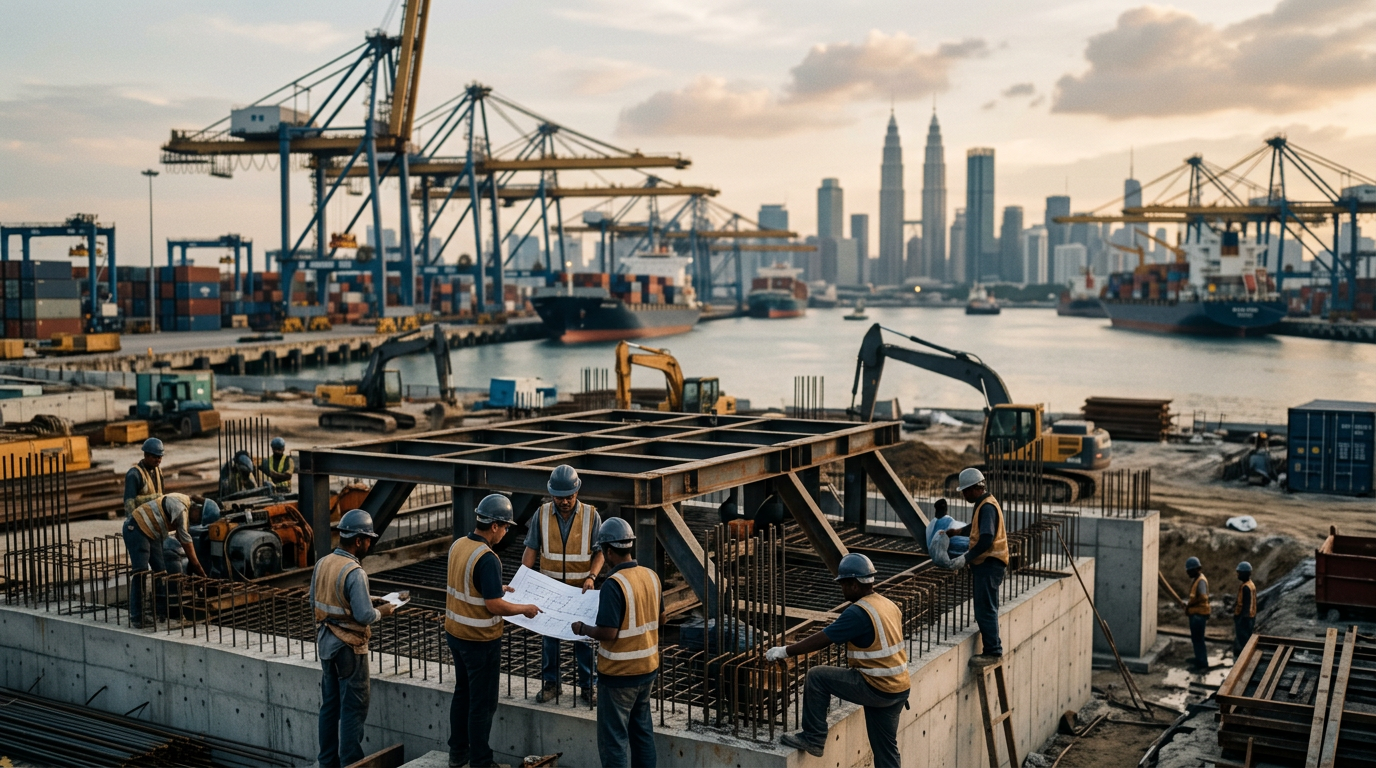
High-level meetings are the start of a process, not the culmination of one. The true measure of economic partnership lies in execution on the ground. Foreign direct investment (FDI) announcements travel quickly, but as the book "ASEAN Rising" notes, realised investment flows are contingent on the much slower, more complex work of securing land, permits, power, and talent. Without effective and predictable institutions to manage these factors, ambitious announcements can fail to translate into new factories, jobs, or infrastructure. The book argues that "scale matters only when institutions can turn it into investable depth." This is the core task for ASEAN governments seeking to attract and retain capital. For investors, the enthusiasm generated by a diplomatic meeting must be followed by rigorous due diligence on the operational realities of the host country.
The Australian Opportunity
The discussion between Dr. Kao and Senator Ruston is part of a broader, long-term effort to strengthen the ASEAN-Australia relationship. Australia has consistently been a significant partner for the bloc, with interests that span trade, security, and education. For Australian investors, ASEAN's diverse economies present a range of possibilities, from manufacturing and logistics to digital services and renewable energy. However, navigating the ten member states, each with its own legal and regulatory environment, requires expertise and patience. Success depends on finding jurisdictions where national development plans align with capable, transparent implementation. Announcements of strengthened cooperation are positive signals, but they must be backed by substantive, on-the-ground improvements in the ease of doing business for capital to flow at scale.
What to watch
Observers should track the progress of specific bilateral initiatives that emerge from these high-level talks. The key indicators will not be the number of memoranda of understanding signed, but rather metrics on project approvals, the time required to start a business, and the resolution of existing investor-state disputes. Progress in these areas will signal a genuine improvement in the investment climate, transforming diplomatic overtures into durable economic benefits.