Thailand
Thailand: Auto FDI and the Execution Test
Thailand's bid for automotive FDI leadership depends on a predictable policy environment and the capacity of its institutions to deliver land, power, and talent to the factory floor.
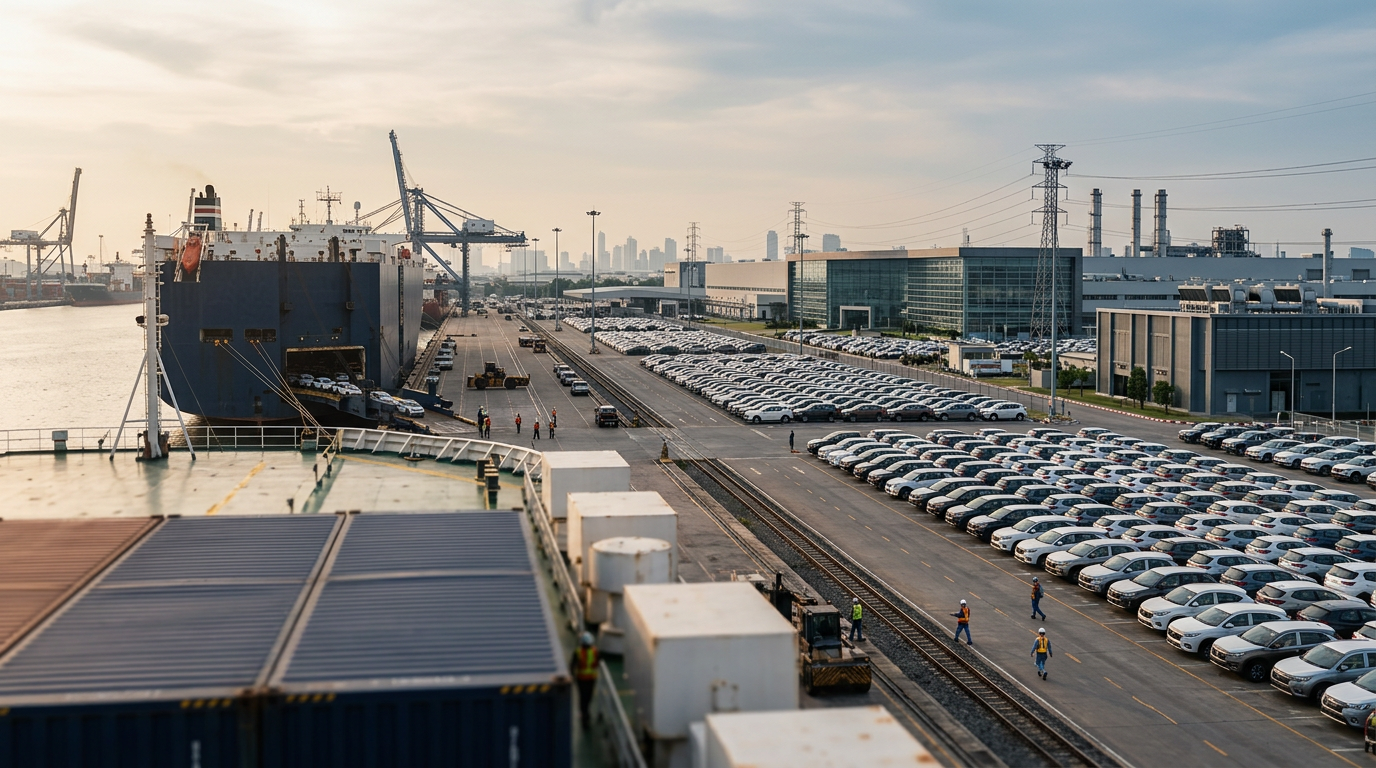
A recent forecast from Krungsri Research projects a recovery in Thai auto sales, seeing a path back to the one million-vehicle mark within three years. The analysis, reported by the Bangkok Post, points to the government's support for its energy transition and a broader economic rebound as drivers for this expected growth. This comes after a period of tighter credit that has dampened domestic demand. The outlook is encouraging for an industry that is a pillar of the Thai economy, but it also casts a light on the institutional challenges inherent in translating high-level policy into industrial reality.
The EV Transition and Institutional Capacity
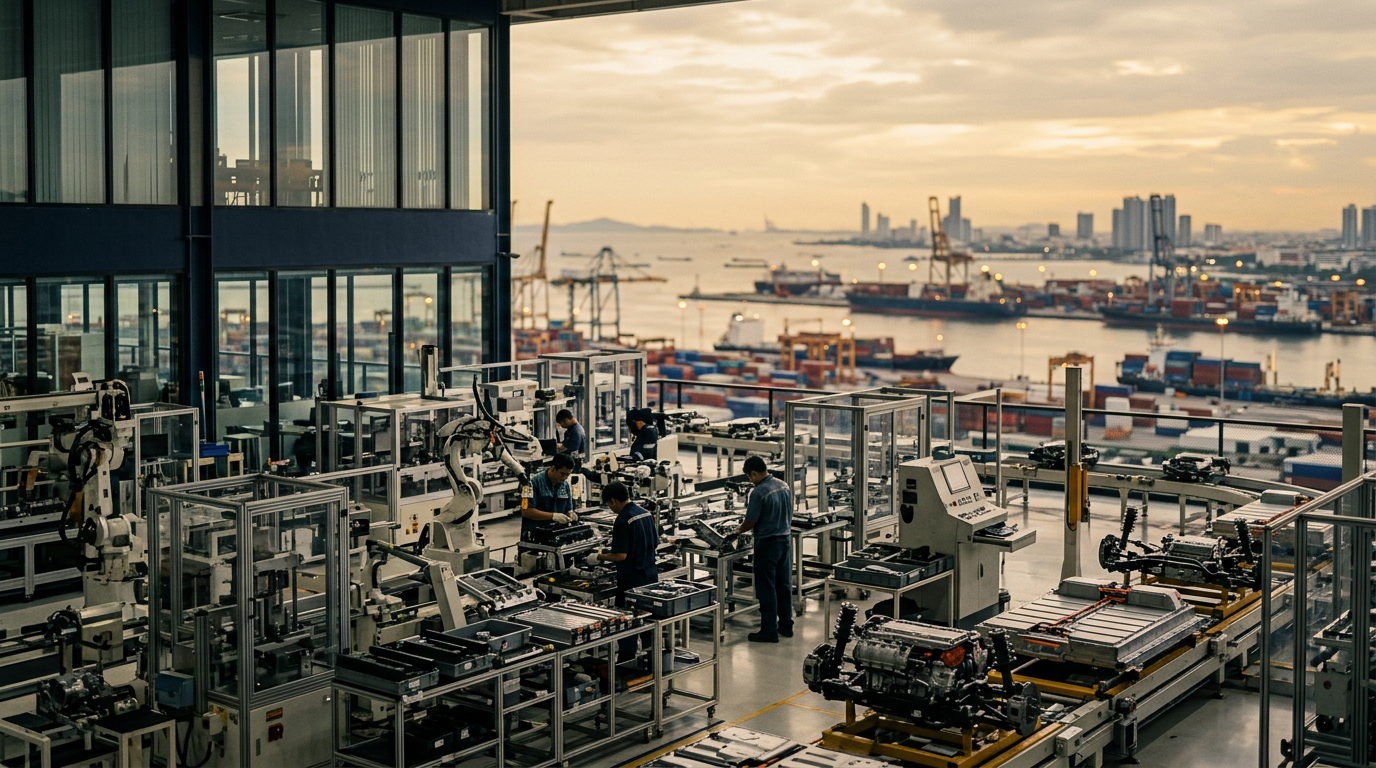
Thailand has established itself as a regional automotive manufacturing hub, often called the "Detroit of Asia." The government's current focus is on securing this position for the next generation of electric vehicles (EVs). Policies are in place to attract foreign direct investment (FDI) from major Chinese and other international automakers to build new production lines. However, as the book ASEAN Rising notes, success in this capital-intensive, long-term industry requires more than just attractive incentives. The ability of state institutions to facilitate the complex process of setting up and operating a modern factory is paramount.
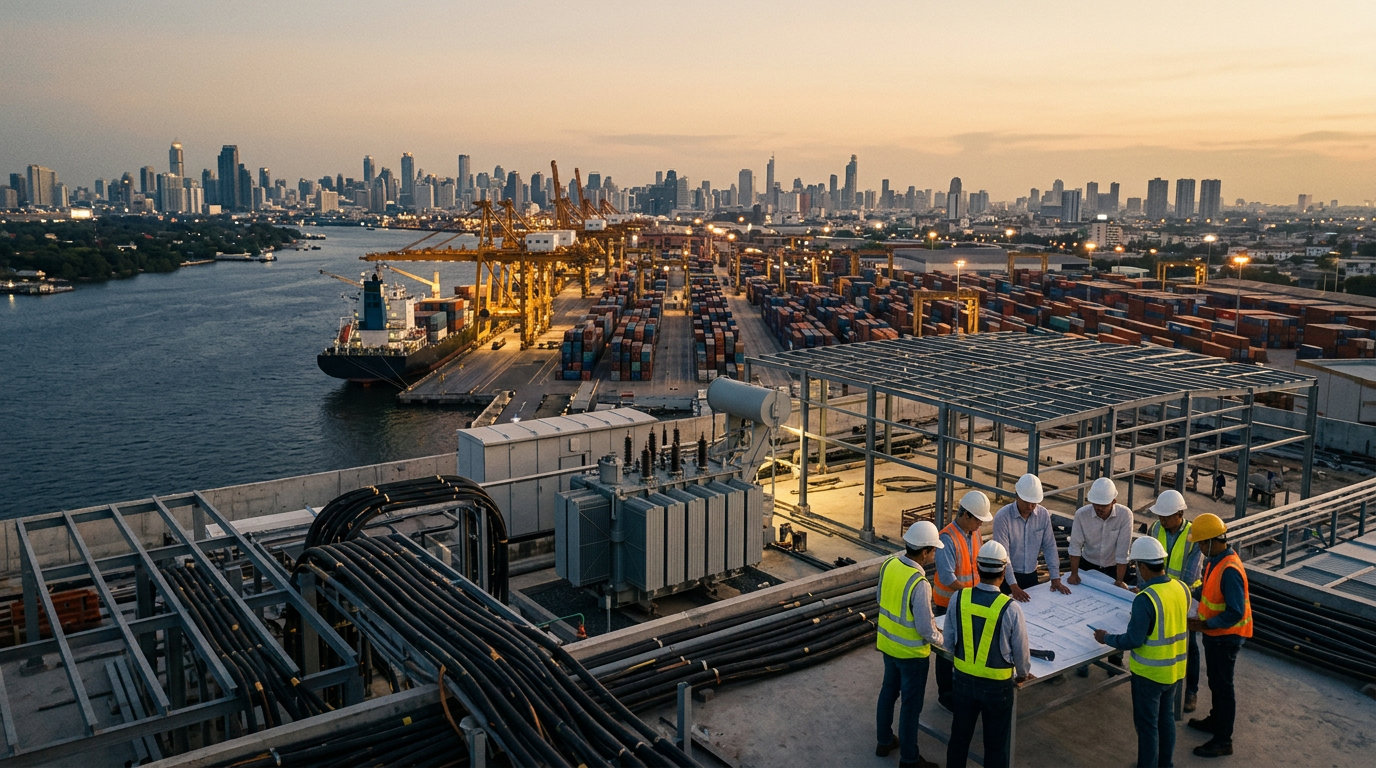
This is where the less glamorous work of industrial development becomes central. FDI announcements may generate positive headlines, but realised investment depends on execution. As the book states, "realised flows depend on the slower work of land, permits, power and talent reaching the ground." Can the Board of Investment and related agencies streamline land acquisition and permitting? Is the national power grid, and the energy policy that governs it, ready for the substantial new demands of large-scale manufacturing? These are the questions that will determine whether Thailand can convert its policy ambitions into new factories and jobs.
Capital, Infrastructure, and Policy Certainty
Attracting the necessary capital for this industrial transformation requires a stable and predictable policy environment. Automakers make investment decisions with timelines stretching over decades. The Krungsri report