Thailand
: Chasing Chips, Confronting Constraints
Thailand wants to be a semiconductor hub, but investment is the easy part. The real work is in the details of execution.
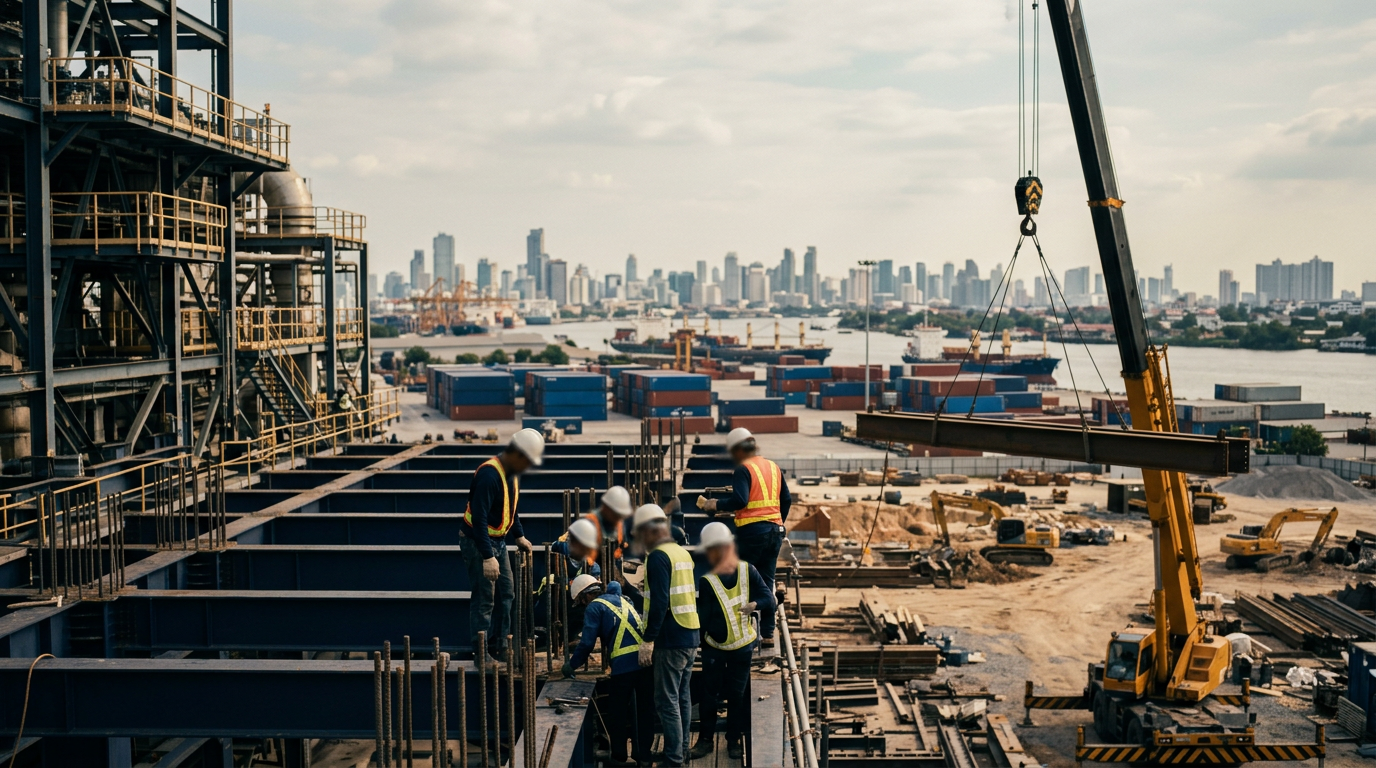
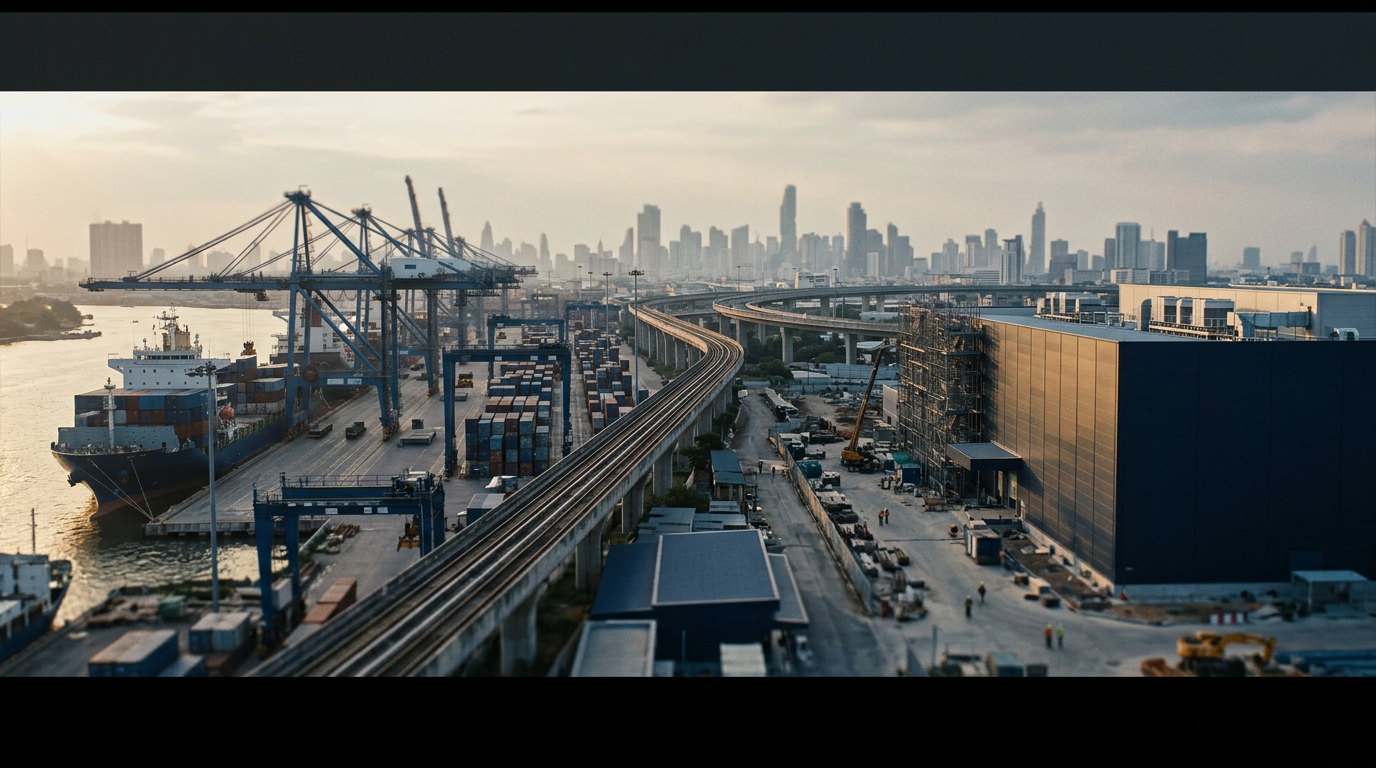
As reported by Vietnam News, Thailand is accelerating its plan to become a regional semiconductor hub, anchored by major investments like a new US$1.4 billion complex from Germany's Infineon Technologies. This move is part of a broader Thai strategy to capture a larger share of the global electronics supply chain, attracting a flurry of foreign direct investment (FDI) announcements.
The Allure of Investment
Thailand's Board of Investment has been active, offering tax breaks and other incentives to lure manufacturers. The government aims to position the country as a viable alternative for semiconductor assembly, testing, and packaging, a segment that is seeing significant geographic diversification. The announcement from Infineon, a major player in automotive and power semiconductors, signals confidence in Thailand's potential. High-profile FDI commitments generate positive headlines and suggest that the country's strategy is paying off, creating a narrative of a modern, forward-looking economy that is open for business.
From Announcement to Reality
However, as "ASEAN Rising" notes, enthusiasm for FDI announcements often overlooks the more challenging aspects of execution. While capital can be allocated quickly, the physical and institutional infrastructure required to support it takes much longer to build. The book makes the point that "scale matters only when institutions can turn it into investable depth." The success of Thailand's semiconductor ambitions will not be measured by the value of press releases, but by the government's ability to deliver the necessary groundwork for these complex facilities to operate efficiently.
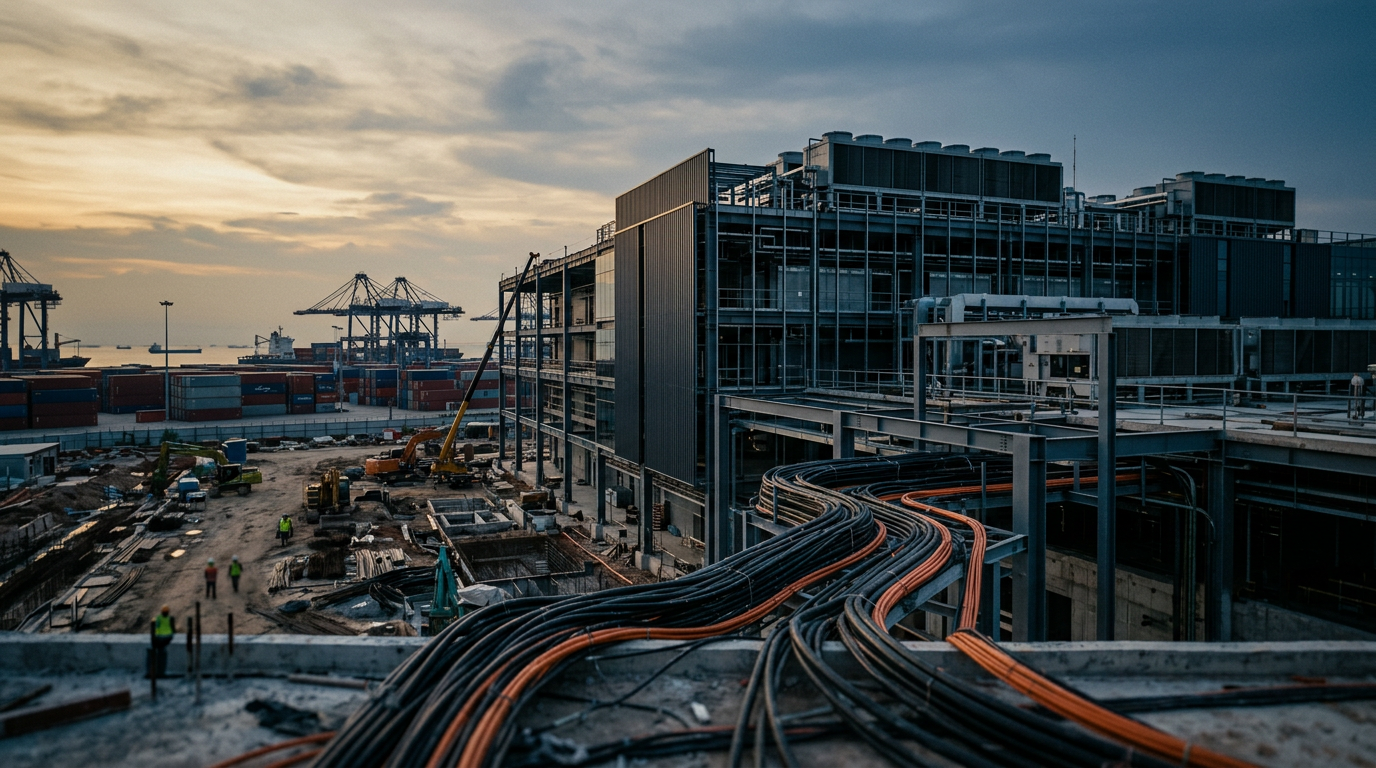
This is where the slower, less glamorous work begins. Securing land for large industrial complexes is a significant hurdle. Navigating the permitting process for construction, environmental compliance, and business operations requires a transparent and efficient bureaucracy. These factories are immensely power-hungry, demanding a reliable and resilient energy grid. Finally, the question of talent is paramount. A modern semiconductor facility requires a workforce with specialized technical skills, from engineers to cleanroom technicians. Without a concerted effort to develop this human capital, even the best-funded projects will struggle.
Infrastructure and Execution
The gap between announced investment and realised flows is a familiar story across the region. It highlights the critical importance of institutional capacity. For Thailand, the path to becoming a genuine semiconductor hub depends less on the initial investment decisions of foreign companies and more on the domestic follow-through. The government must ensure that its infrastructure development keeps pace with its industrial ambitions. This includes not just physical infrastructure like power plants and transport links, but also the "soft" infrastructure of education, vocational training, and a streamlined regulatory environment. The US$1.4 billion Infineon factory is a significant vote of confidence, but it is also a test of Thailand's ability to translate large-scale capital into productive, on-the-ground operations.
What to watch: The key indicator of success will not be the next big FDI announcement, but rather the progress reports on project construction, local hiring and training programs, and the stability of the power supply to industrial estates. The timelines for these projects coming online and the efficiency of their initial operations will reveal whether the institutional framework is truly in place to support Thailand's high-tech goals.