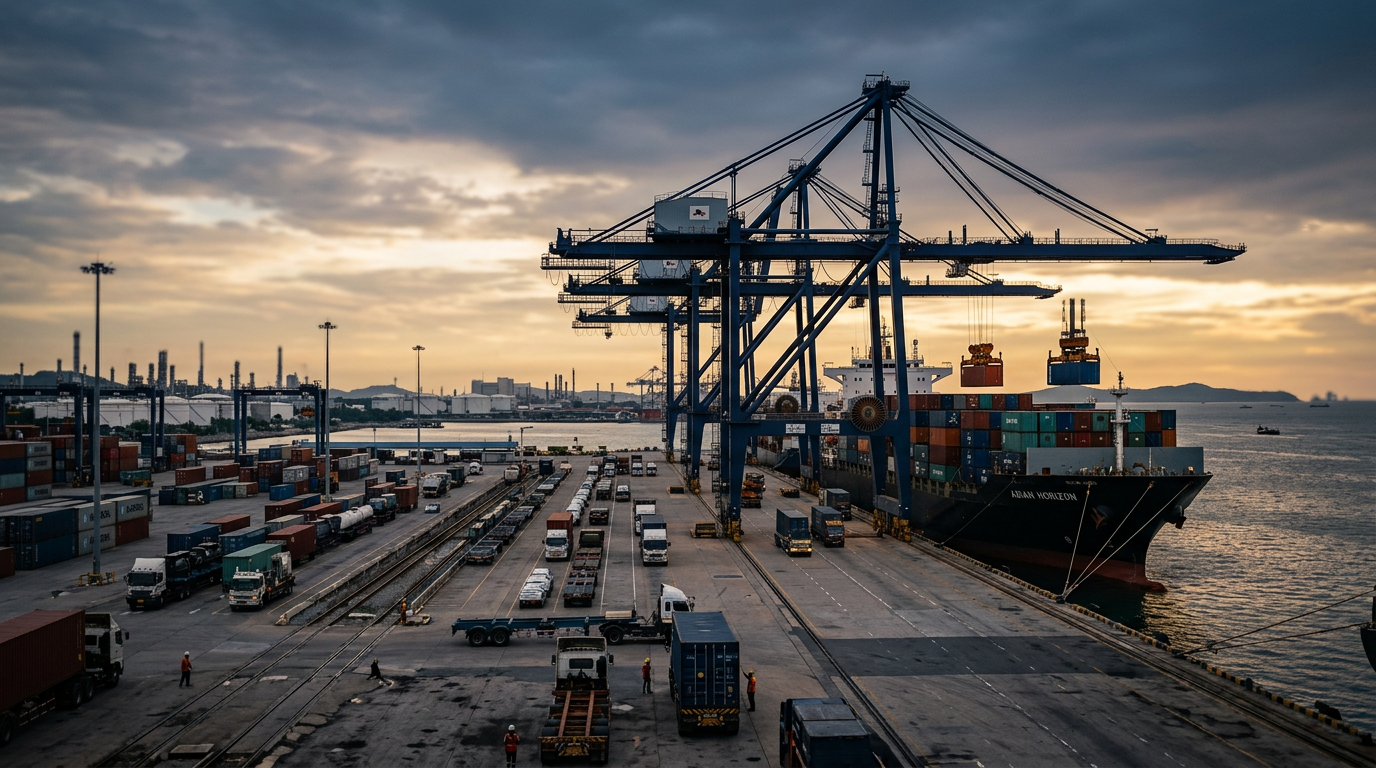
Thailand
Thailand: Beyond the EV Policy Push
Thailand's electric vehicle subsidies are a start, but winning the next phase of automotive investment depends on the slower work of building a durable, high-skill ecosystem.
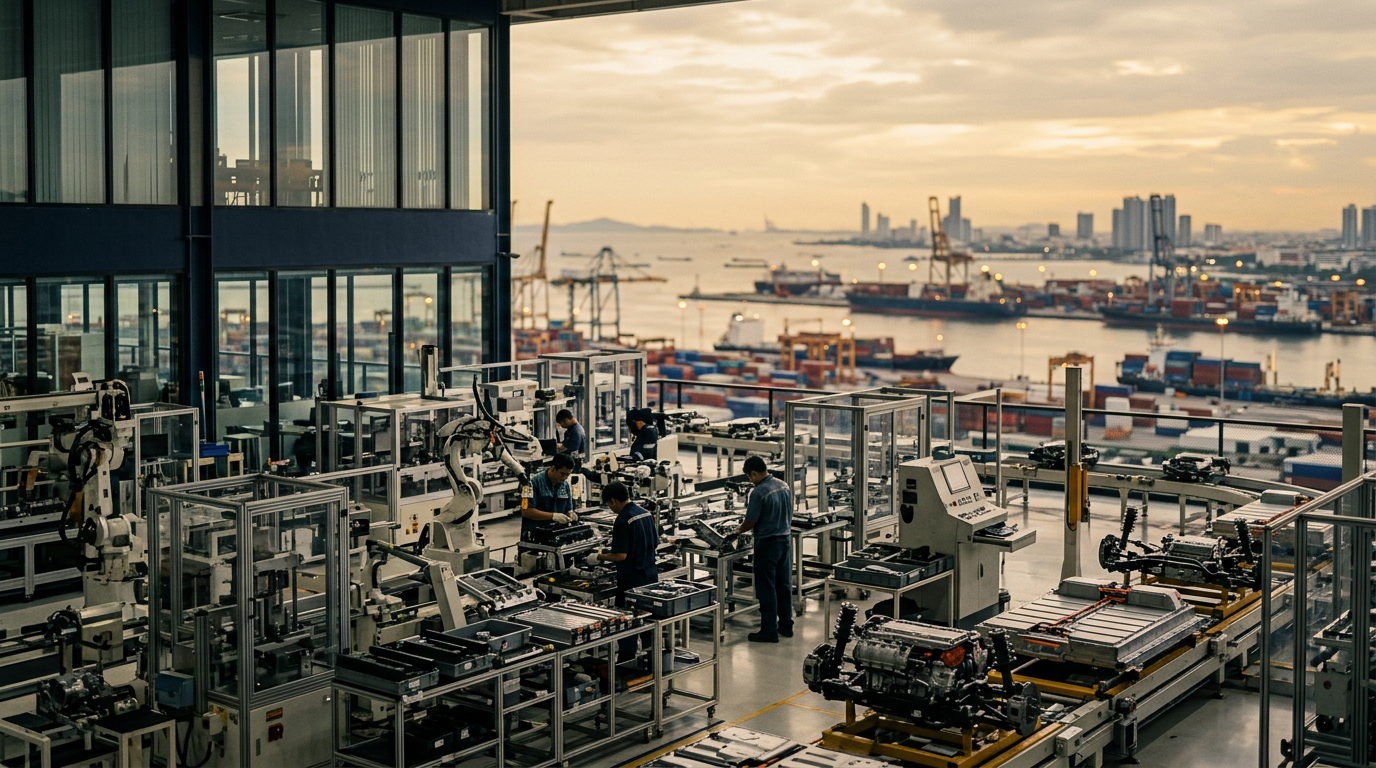
Thailand's automotive sector, a cornerstone of its industrial economy, is banking on a policy-driven recovery. Krungsri Research forecasts a rebound in the domestic car market over the next three years, citing government measures to promote the transition to electric vehicles (EVs) as a primary driver, as reported by the Bangkok Post. The government's incentives for both buyers and manufacturers are designed to position Thailand as a regional hub for EV production.
While these top-down incentives have generated initial interest, the long-term competition for automotive foreign direct investment (FDI) will be decided by deeper factors. As the book ASEAN Rising notes in its analysis of another regional giant, Indonesia, headline-grabbing announcements are only the first step. The more decisive phase is execution. For Thailand, this means translating policy ambition into tangible advantages on the ground.
Institutions and Infrastructure
Thailand's established automotive supply chain is a significant asset. Decades of investment from Japanese automakers have created a dense network of parts suppliers and assembly expertise. However, the global shift to EVs requires a new kind of industrial infrastructure. This includes not just charging networks but also the capacity for battery production, recycling, and the development of specialized software and electronics.
Attracting investment in these higher-value segments requires robust institutional support. The country has had success with its Eastern Economic Corridor (EEC) as a designated zone for advanced industry. Yet, sustaining investor confidence depends on regulatory consistency and the efficient administration of permits and logistics. As the Indonesian case shows, scale matters only when institutions can turn it into investable depth. Thailand's challenge is to ensure its well-regarded investment board and related agencies can streamline the process for a new generation of automotive technology, from factory construction to grid-scale power upgrades.
Capital and Talent
Government subsidies have successfully stimulated initial demand and attracted commitments from several Chinese EV manufacturers. This influx of new capital is reshaping the competitive landscape. However, the next wave of investment will look beyond initial incentives to the availability of a skilled workforce. The transition from internal combustion engines to EVs is not a simple switch; it requires a workforce with new skills in battery chemistry, electrical engineering, and software development.
Building this talent pool is a long-term project. It involves coordination between government, industry, and educational institutions to create training programs and university curricula that align with the needs of the evolving auto industry. Without this pipeline of skilled labor, Thailand risks becoming a lower-skill assembly hub while higher-value research, development, and design activities go elsewhere. Realised investment flows, as opposed to announcements, "depend on the slower work of land, permits, power and talent reaching the ground." The ability to develop and retain this human capital will be a key differentiator in the regional race for EV dominance.
What to watch
The immediate indicator of success will be the conversion of investment pledges into operational factories and the growth of the domestic EV market share. Over the medium term, however, the more important metric will be the development of a localized high-value EV supply chain, particularly in batteries and power electronics. Observers should watch for signs of deeper ecosystem development, such as new joint ventures between foreign investors and local firms, and the growth of enrollment in specialized technical and engineering programs at Thai universities. The durability of Thailand's automotive leadership depends on these less visible, foundational strengths.