Malaysia
Australia and ASEAN: From Ambition to Investment
Australia is talking up its trade and investment ties with ASEAN, but turning announcements into realised flows is the real work.

A recent meeting in Adelaide between ASEAN Secretary-General Dr. Kao Kim Hourn and South Australian Senator Anne Ruston highlighted the ongoing dialogue to strengthen ASEAN-Australia cooperation. According to a readout from the ASEAN Secretariat, the discussion focused on enhancing ties in trade and investment, a familiar theme in the relationship. The meeting is the latest in a series of diplomatic engagements aimed at deepening economic integration between the two partners.
The Challenge of Depth
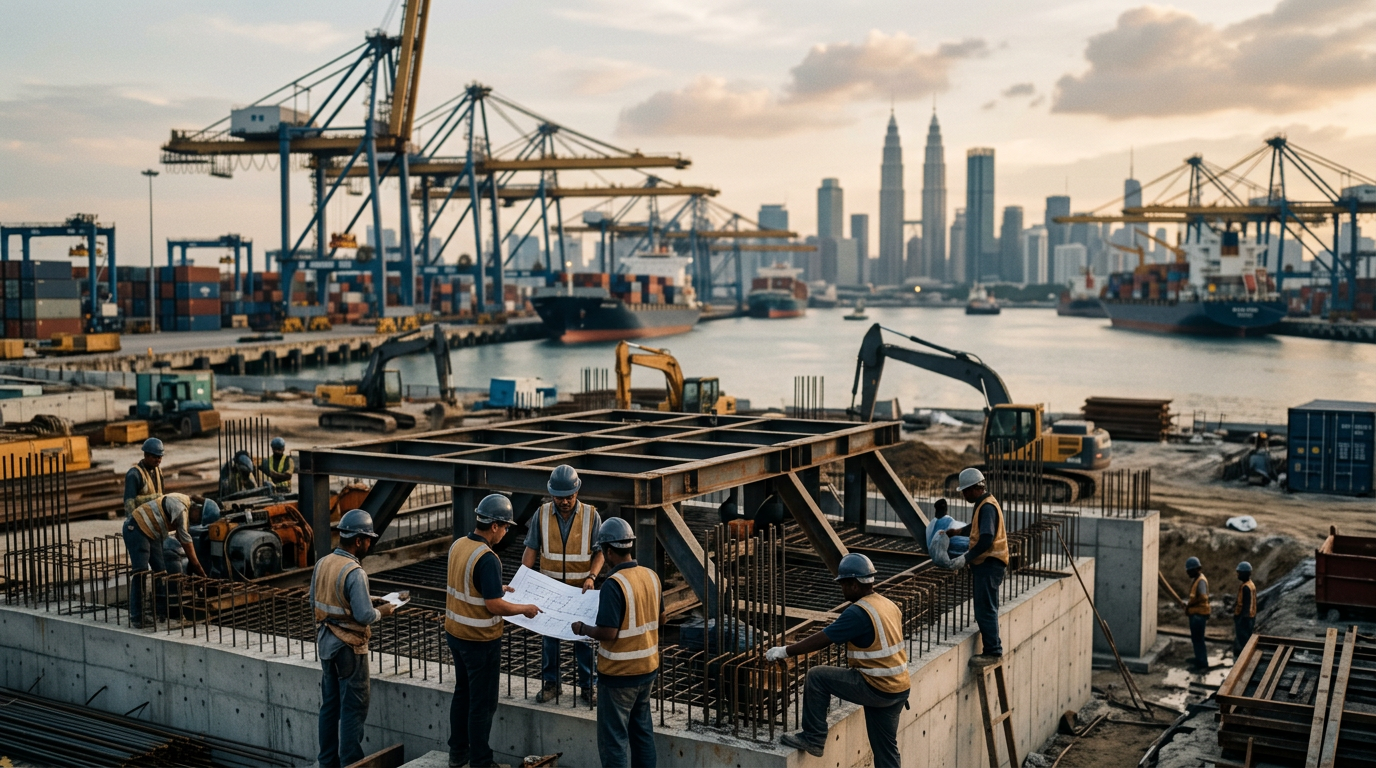
High-level meetings and trade missions are essential for setting strategic direction. They signal intent and open doors for businesses. However, the journey from a joint statement to a new factory or a long-term commercial partnership is complex. As the book "ASEAN Rising" notes, announcements of foreign direct investment (FDI) can generate headlines, but the actual capital flows are contingent on ground-level realities. The difference between pledged and realised investment often comes down to the unglamorous, yet fundamental, work of securing land, navigating permits, establishing reliable power, and finding skilled labor.
Australia has made ASEAN a centerpiece of its economic strategy, yet the translation of this ambition into tangible investment has been slow. While two-way trade is significant, the stock of Australian investment in the region remains modest compared to its investments in other developed markets. For ASEAN to become a true pillar of Australia's economic future, both sides must address the practical hurdles that can deter investors. The core message is that "scale matters only when institutions can turn it into investable depth."
Execution Over Announcements
For Australian firms looking to expand into Southeast Asia, the institutional framework of each ASEAN member state is a primary concern. Investors are not just buying into a market of 670 million people; they are navigating the specific legal, regulatory, and bureaucratic environments of individual countries. Predictability and transparency in these areas are paramount. Issues like contract enforcement, intellectual property protection, and the consistency of tax regulations are critical factors in any investment decision.
The discussions between Dr. Kao and Senator Ruston touch upon these themes. Strengthening cooperation implies more than just lowering tariffs; it means aligning on standards, simplifying customs procedures, and creating a more seamless business environment. It requires a sustained focus on execution from both ASEAN governments and their Australian counterparts. The goal is to create a landscape where the initial enthusiasm from a trade mission is met with a clear and efficient pathway to establishing and operating a business.
What to watch
As Australia continues its outreach, the key indicator of success will not be the number of ministerial meetings or the warmth of the communiqués. Instead, watch the data on realised FDI from Australia into ASEAN. An increase in these figures would signal that the hard work of institutional alignment and on-the-ground facilitation is bearing fruit. Pay attention to specific sectors like renewable energy, digital economy, and advanced manufacturing, where Australian expertise and ASEAN's growth needs could create powerful synergies if the investment climate is right.