Singapore
, ASEAN, and the Architecture of Capital
Big ticket FDI is a good headline, but the real test is how investment flows through the region. Singapore remains a key hub, but its success rests on the health of the entire ASEAN bloc.
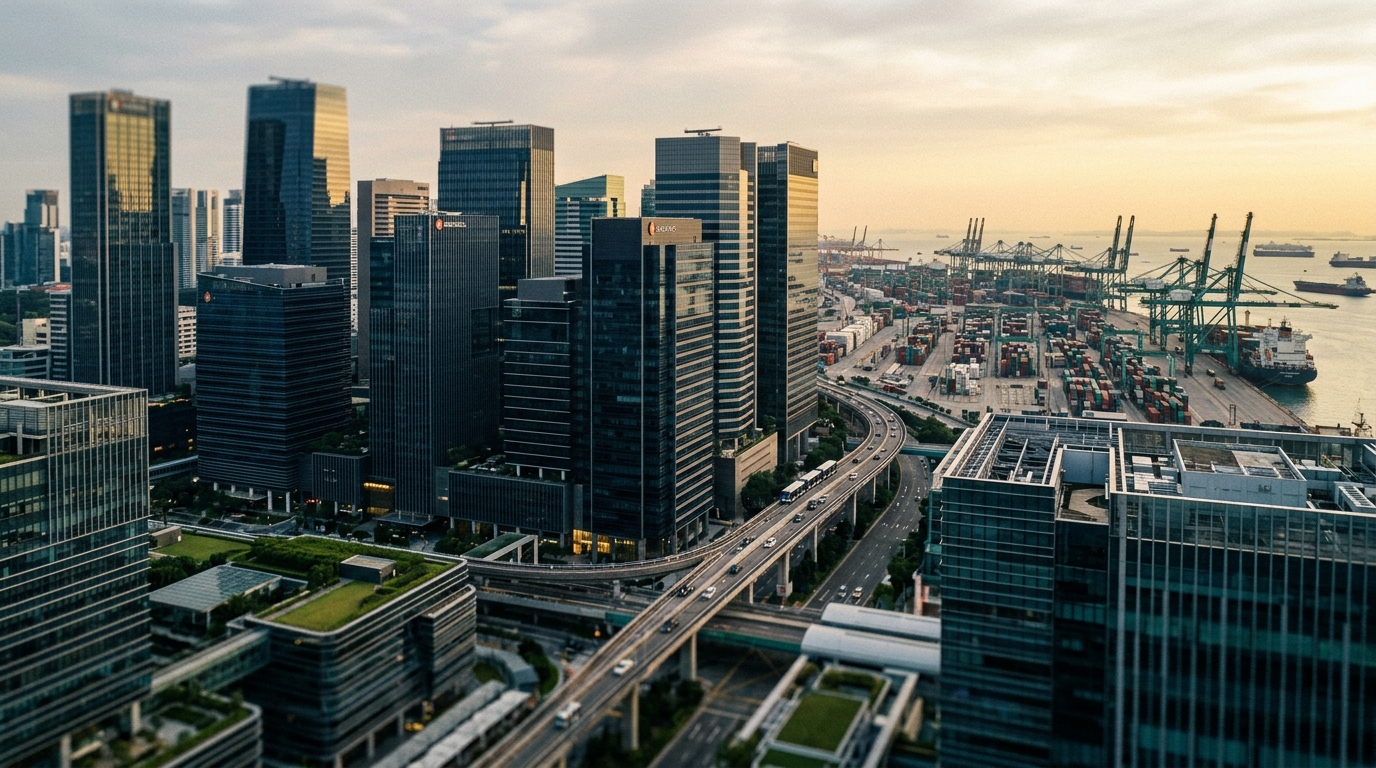
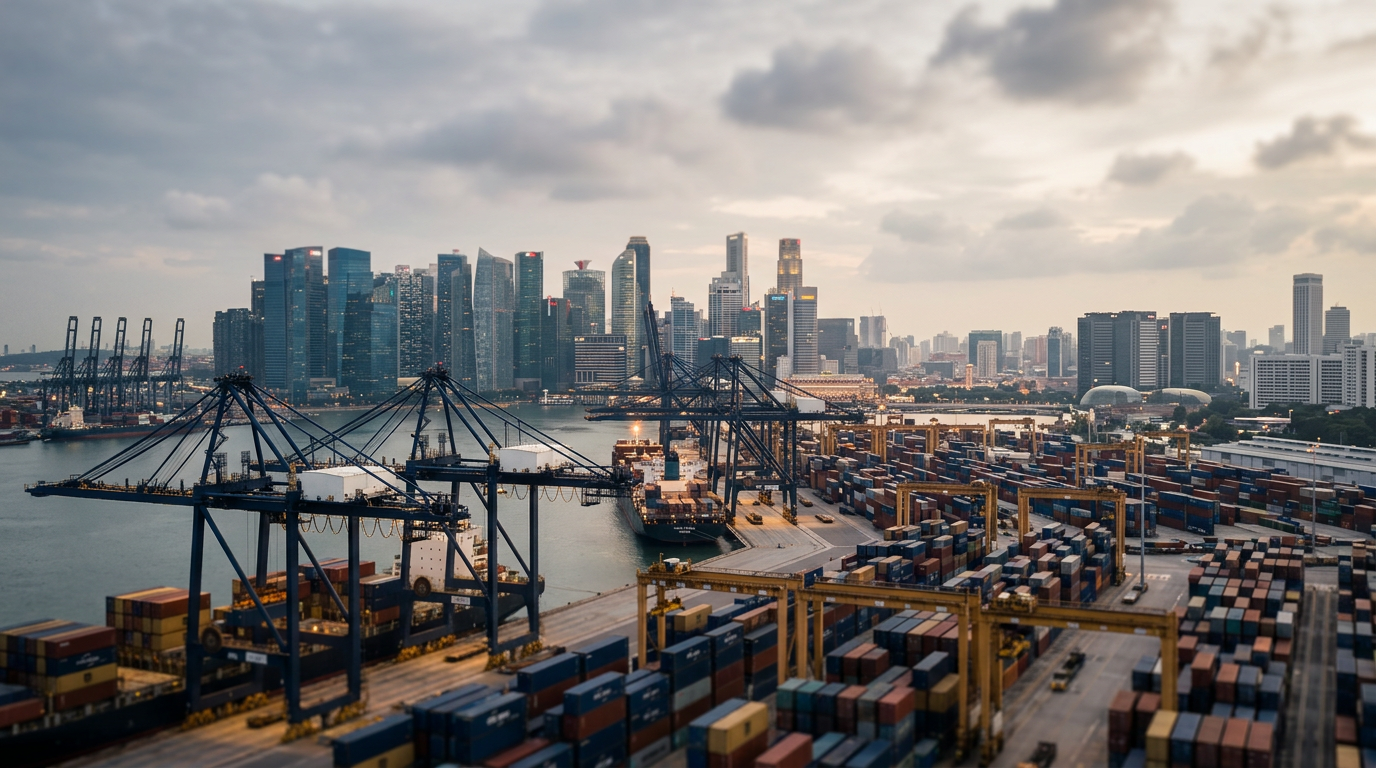
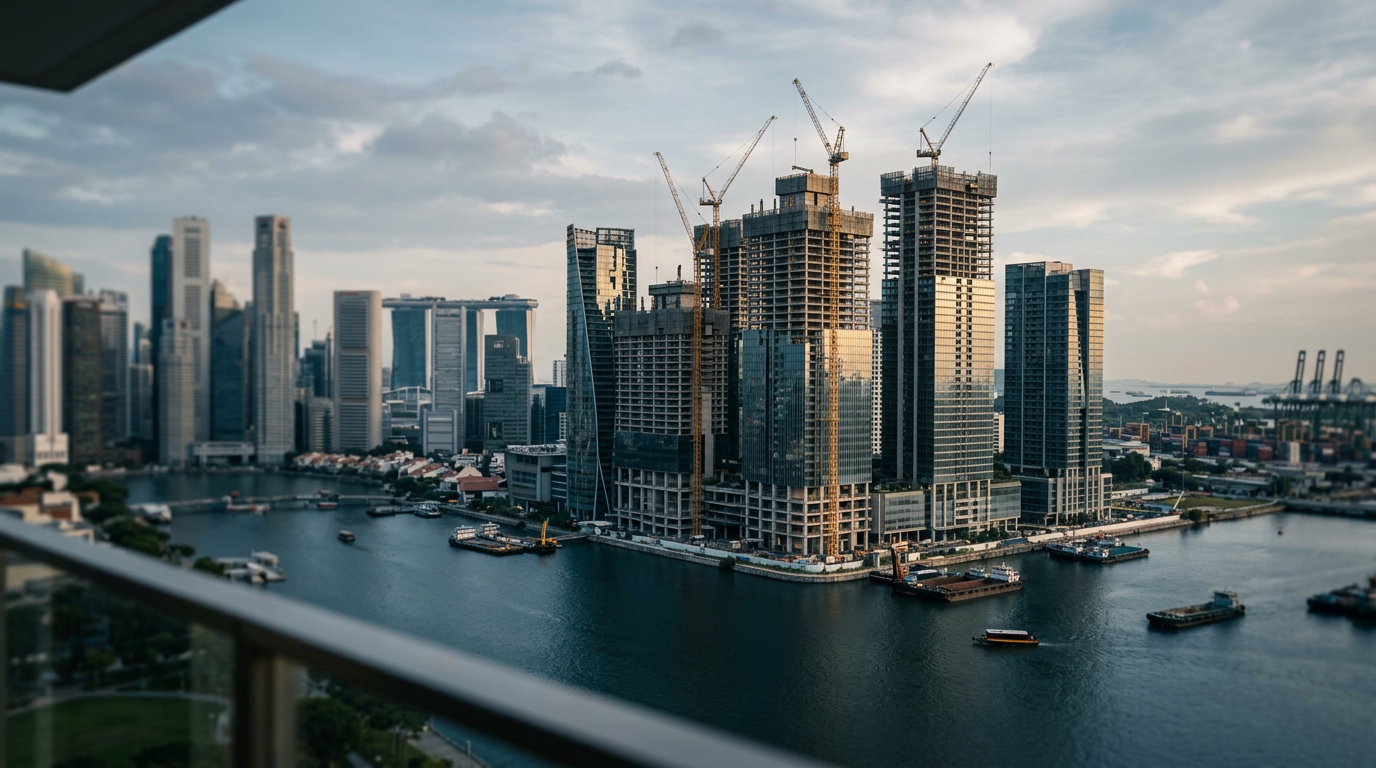
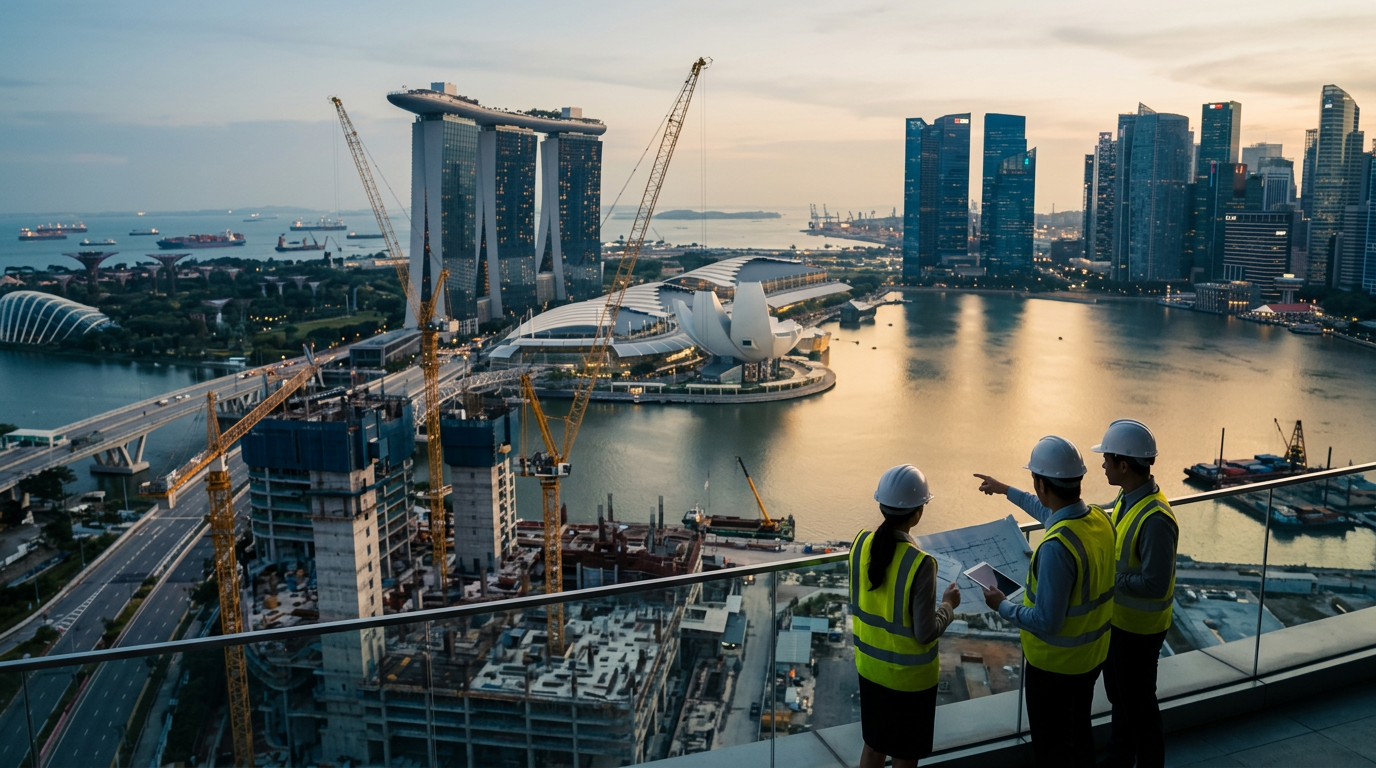
Frasers Property, majority-owned by Thai billionaire Charoen Sirivadhanabhakdi, will develop a luxury mixed-use project along the Singapore River, according to a report from VnExpress. The development points to the continued attractiveness of Singapore for high-end real estate investment. It also serves as a useful lens through which to examine the larger story of capital flows, institutional quality, and development across the ASEAN region.
Institutions and Trust
Singapore's enduring appeal to foreign investors is no accident. It is the result of a decades-long focus on building and maintaining a trusted institutional framework. Clear regulations, a stable political environment, and a reliable legal system create a predictable and secure landscape for capital. When a Thai-helmed firm invests in a large-scale Singaporean project, it is not just buying property; it is buying into this ecosystem of trust. This foundation allows for complex, long-term projects to be planned and executed with confidence. While foreign direct investment announcements are frequent across ASEAN, the Singaporean case shows how institutional strength is the necessary precondition for turning headlines into tangible assets.
Hub-and-Spoke Capital
This specific investment highlights Singapore's role as a financial and legal hub for the region. The capital originates from a Thai business leader, is channeled through a Singapore-listed property group, and is deployed into a Singapore-based project. This "hub-and-spoke" model is a recurring pattern in ASEAN. Capital from across the bloc, and from around the world, often flows through Singaporean corporate and financial structures before being deployed into projects in other ASEAN nations. This reinforces Singapore's position, but it also reflects the broader development of the entire region. The success of the hub is tied to the dynamism of the spokes. A growing ASEAN means a more active and vital role for its central node.
From FDI to Realised Flows
As "ASEAN Rising" notes, scale matters only when institutions can turn it into investable depth. The Singapore project benefits from a pre-existing, high-quality infrastructure of land administration, utilities, and skilled labor. In many parts of the region, these elements are not as readily available. The book observes that "realised flows depend on the slower work of land, permits, power and talent reaching the ground." Singapore excels at this slower work, which is why it consistently converts announced FDI into completed projects. For other ASEAN members seeking to attract and retain similar long-term investment, the lesson from Singapore is that the unglamorous work of building institutional capacity is what ultimately makes the difference. The flow of capital is a vote of confidence not just in a project's prospectus, but in the host country's ability to execute.
What to watch: Observe whether capital for large projects in other ASEAN markets begins to flow more directly, bypassing the Singapore hub. This would indicate a strengthening of local institutions and a maturing of financial markets in countries like Thailand, Vietnam, and Indonesia. Also, monitor the types of cross-border investments within ASEAN, looking for more intra-regional industrial and technology plays beyond real estate.