Thailand
The FDI Gap: Why Announced Capital Does Not Always Arrive
FDI announcements travel quickly. Realised flows depend on the slower work of land, permits, power and talent reaching the ground.
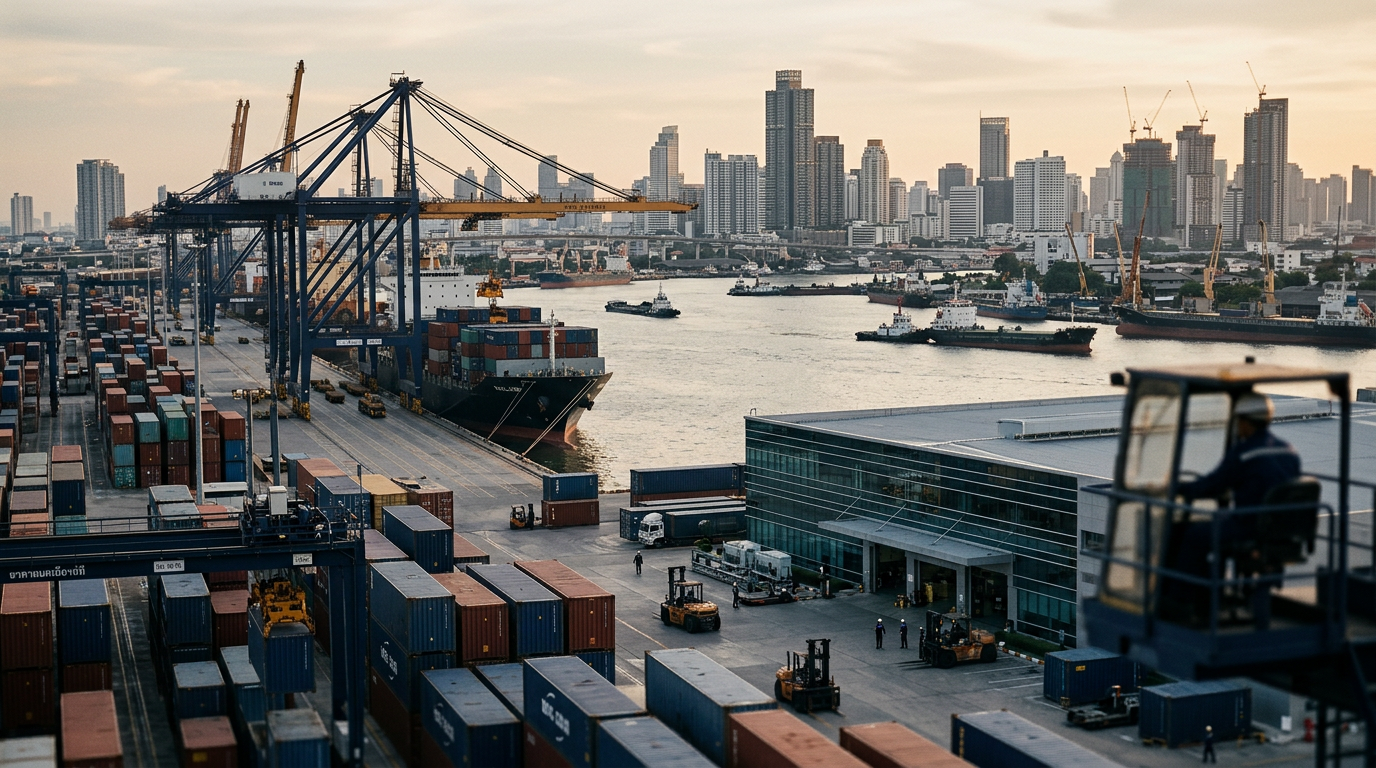
Thailand's manufacturing sector received a welcome lift in August, with the Manufacturing Production Index (MPI) showing a 4.44% year-on-year increase. The boost, as reported by the Bangkok Post, was largely driven by external demand for electronic components, particularly for AI infrastructure and data centers. While this is positive for Thailand, the news brings a broader regional dynamic into focus: the difference between foreign direct investment (FDI) announcements and the actual, realized investment that creates jobs and builds capacity.
The Allure of Big Numbers
Governments across ASEAN are in a competitive race to attract foreign capital, especially in high-technology sectors like electric vehicles, semiconductors, and data centers. Headlines frequently celebrate multi-billion dollar investment pledges from major global corporations. These announcements are politically valuable, signaling that a country is a an attractive destination for sophisticated capital. They create a perception of economic momentum and technological advancement.
However, a signed memorandum of understanding or a public pledge is not the same as a final investment decision. The initial excitement generated by large FDI announcements can obscure the more complex reality of project execution. Capital is mobile and will flow to where it can be deployed most efficiently. The journey from a press conference to a functioning factory or data center is long and filled with potential obstacles. Investors, while initially attracted by market size or strategic location, will ultimately make their decisions based on a much more granular assessment of on-the-ground conditions.
From Announcement to Execution
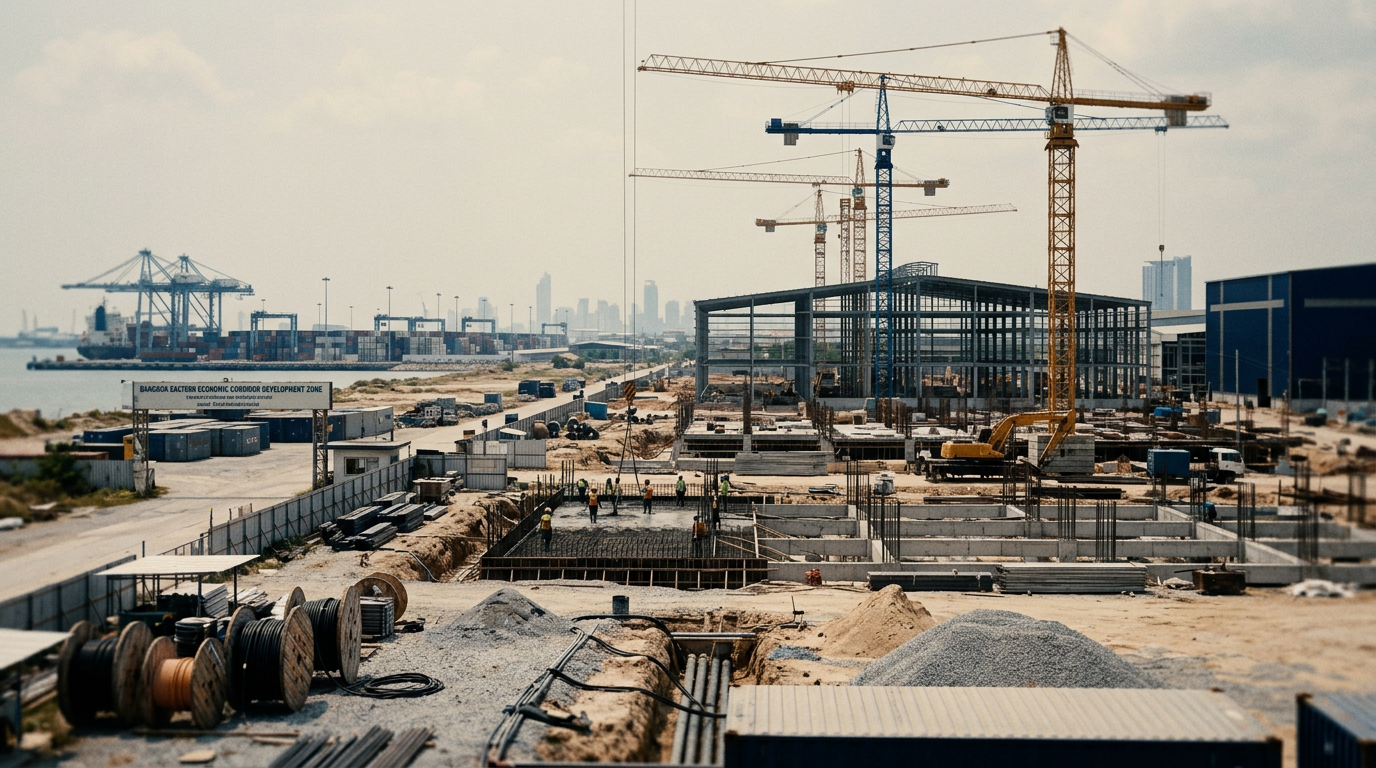
The core challenge for any ASEAN nation is converting investment interest into tangible assets. As the book "ASEAN Rising" notes, "Scale matters only when institutions can turn it into investable depth." This is the hard work that happens after the initial announcement. It involves the unglamorous but essential tasks of securing land titles, navigating layers of bureaucracy to obtain permits, ensuring reliable and cost-effective power supply, and developing a workforce with the right skills.
Take the example of a large-scale manufacturing plant. The investor needs clear and uncontested ownership of land. They require a predictable and transparent process for securing building and environmental permits. Access to the electrical grid must be guaranteed, often requiring significant new infrastructure. Finally, the facility will need a range of employees, from technicians to managers, who may not be readily available in the local market. Each of these steps represents a potential point of failure. Delays or unforeseen costs in any one area can lead an investor to quietly shelve or downsize a project that was announced with great fanfare months or even years earlier.
The Institutional Bottleneck
Ultimately, the ability to close the gap between announced and realized FDI comes down to institutional quality. Strong, transparent, and efficient government institutions are the foundation of investor confidence. When regulatory frameworks are clear, when bureaucratic processes are streamlined, and when legal recourse is dependable, foreign investors are more willing to commit the significant, long-term capital required for major projects.
This is not simply about having the right laws on the books. It is about consistent and predictable execution. For investors, time is money. A slow or corrupt bureaucracy acts as a tax on investment, eroding potential returns and increasing risk. Countries that successfully translate FDI pledges into reality are those that have focused on improving the machinery of government itself. They understand that a reputation for reliable execution is a more durable competitive advantage than a large domestic market or low labor costs alone.
What to watch: Observers should track the ratio of realized to approved FDI in key ASEAN economies. A widening gap may signal growing administrative or infrastructure bottlenecks, while a narrowing gap could indicate that institutional reforms are successfully creating a more predictable and attractive environment for long-term capital.