From Declaration to Deals: ASEAN and Canada
Talk of trade and investment declarations travels quickly. Realised FDI flows depend on the slower work of building institutions that can translate scale into investable depth on the ground.
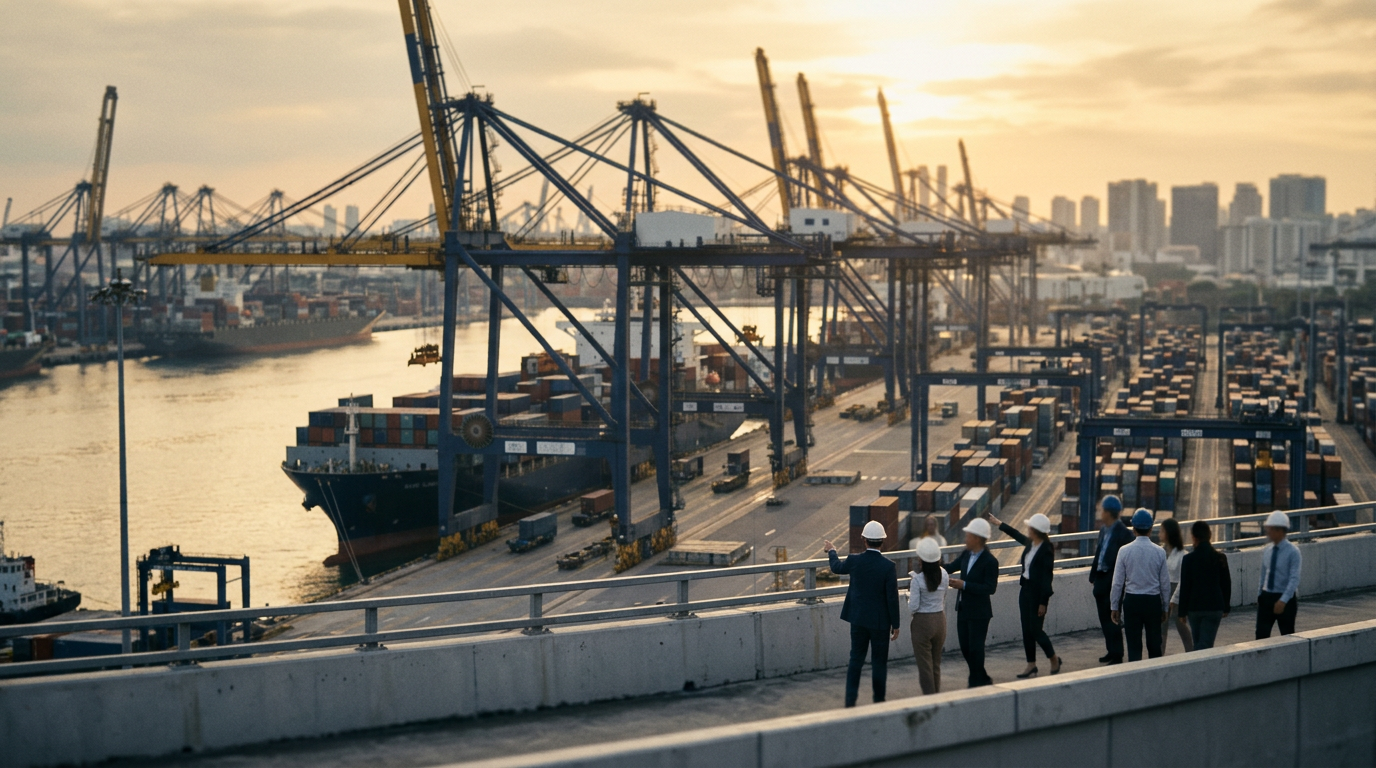
The ASEAN Secretariat announced progress on the ASEAN-Canada Joint Declaration on Trade and Investment this week in Manila. According to a release on asean.org, the consultation signals a shared interest in deepening economic ties.
While such high-level declarations are welcome, they represent the beginning, not the end, of the investment process. The real work lies in the execution, turning broad agreements into tangible foreign direct investment (FDI). The journey from a joint declaration to operational projects is long, involving the careful alignment of institutions, capital, and talent.
Institutions and execution
For foreign capital to flow, strong institutions are required. As the book "ASEAN Rising" notes, for a country's large population or market size to be attractive to investors, its governing bodies must be capable of translating that scale into concrete, investable opportunities. This involves creating clear regulatory frameworks and predictable legal processes. Without them, investors face uncertainty that can stall or deter projects entirely.
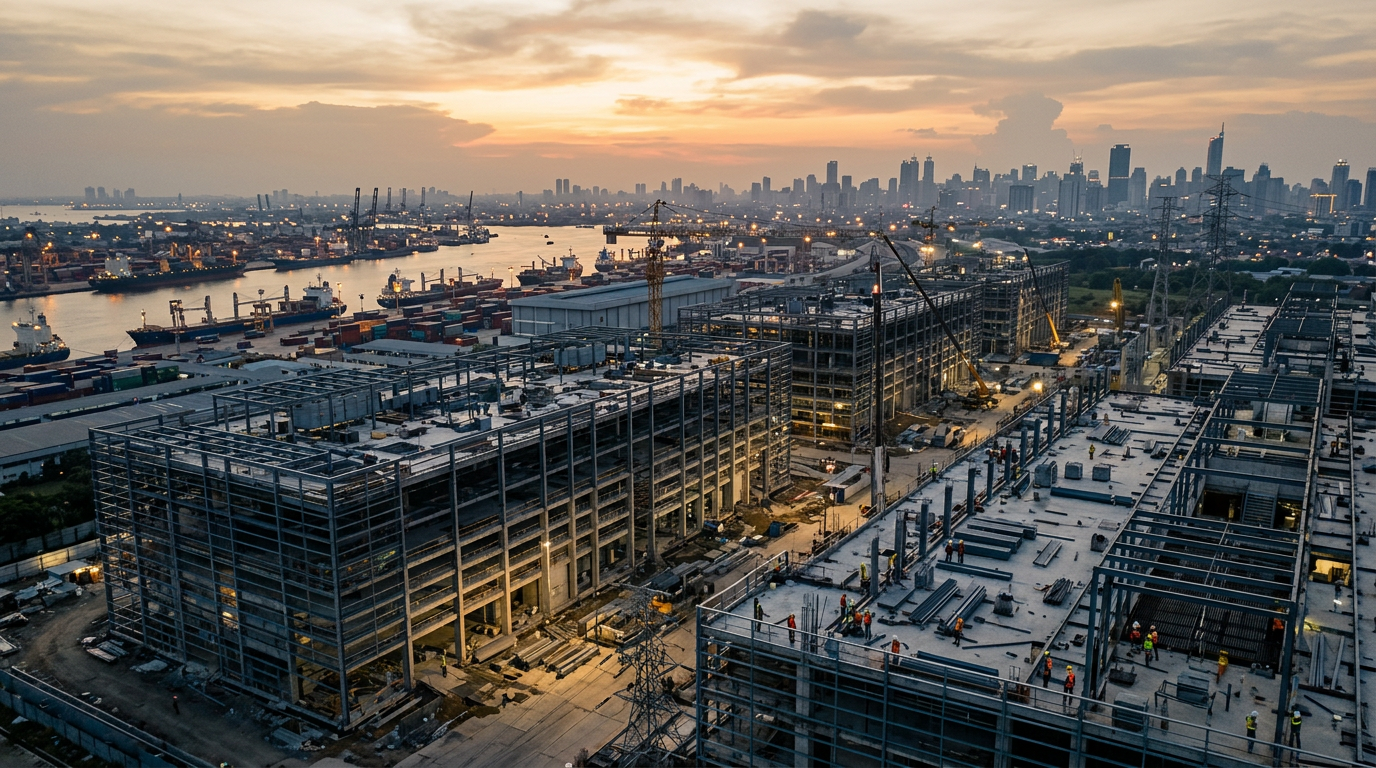
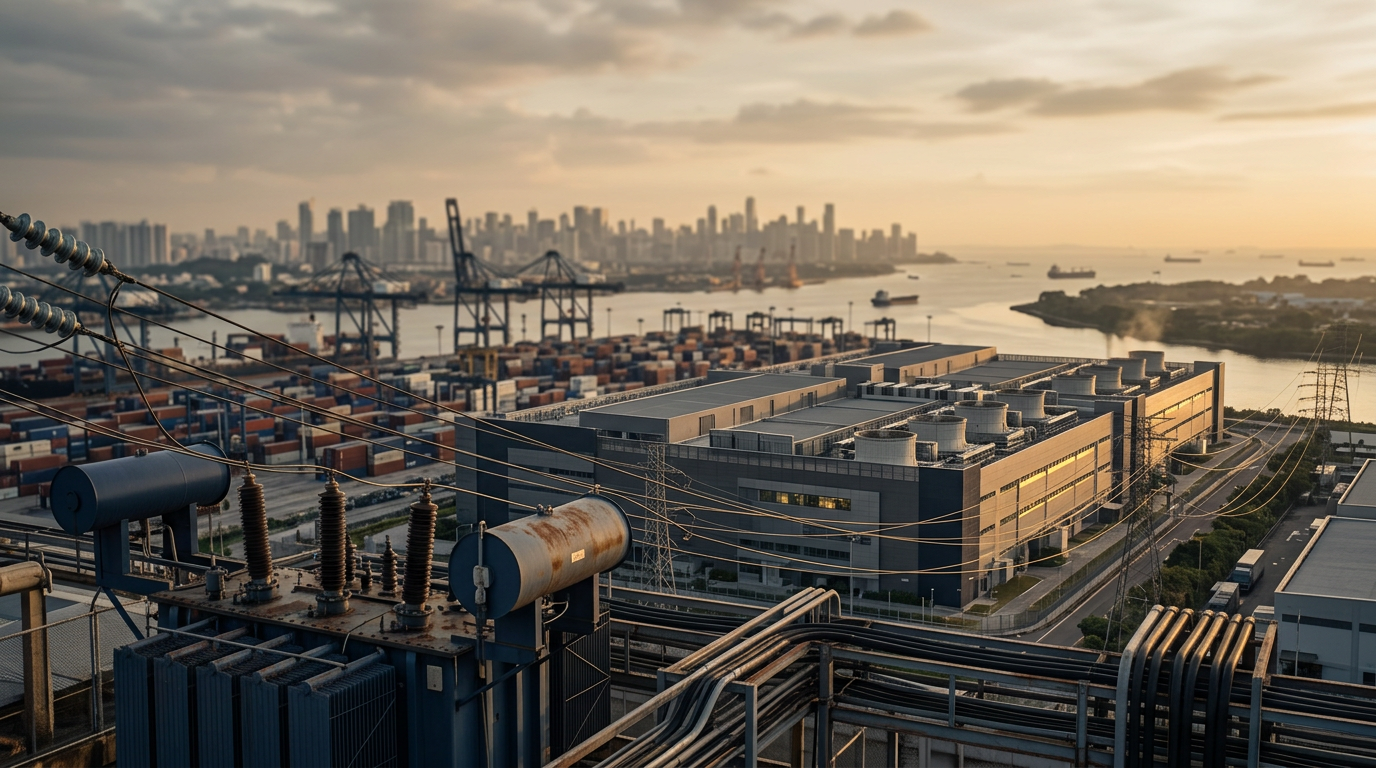
Execution is where these frameworks are tested. The gap between an FDI announcement and its realization is filled with practical hurdles. The process of securing land rights, obtaining permits, ensuring reliable power supply, and accessing a skilled workforce is complex. Success depends on the capacity of local and national agencies to manage these details efficiently.
Capital and infrastructure
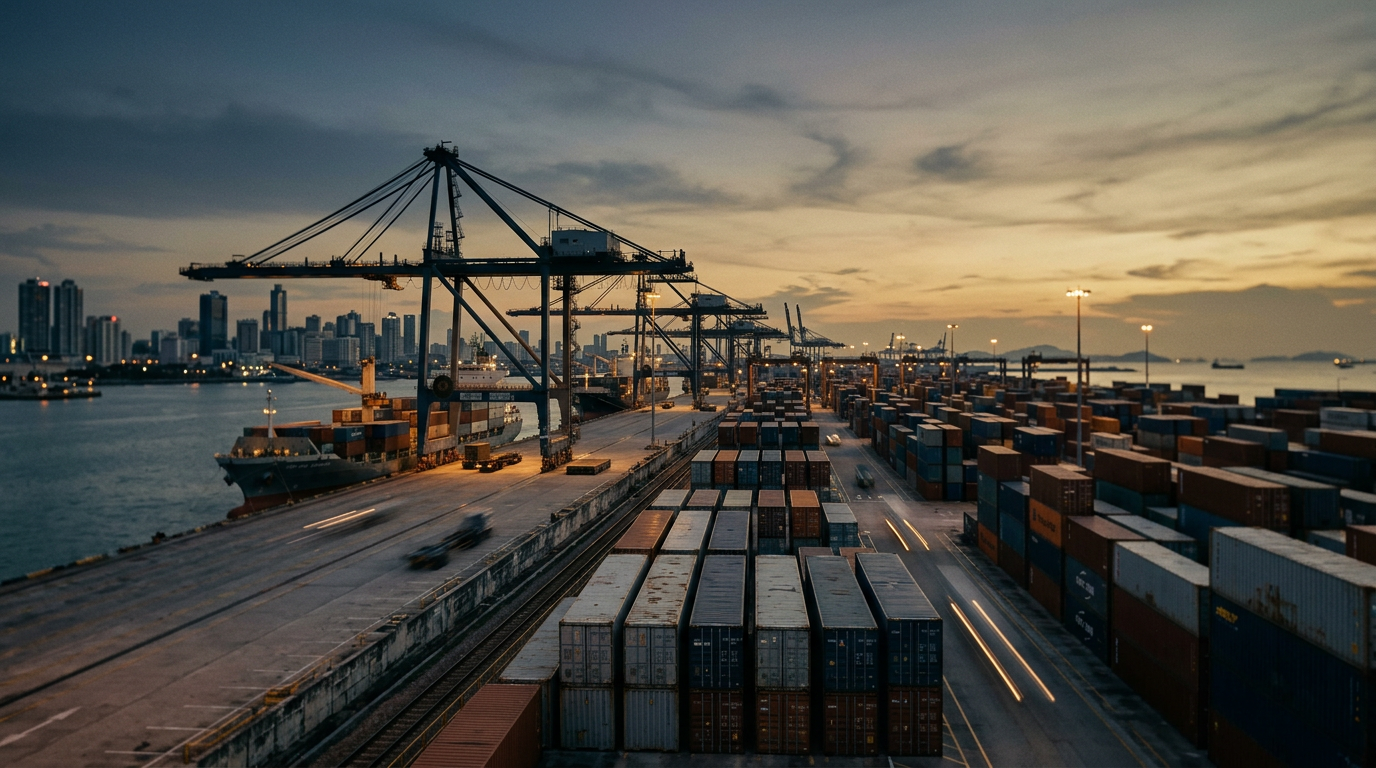
Canada's interest in ASEAN is a recognition of the region's economic scale. Yet, for Canadian firms to commit capital, they must see a clear path to returns. This path is paved by infrastructure. Reliable ports, roads, and digital connectivity are not just conveniences; they are essential for businesses to operate, move goods, and connect with customers.
ASEAN member states have made significant infrastructure investments, but gaps remain. Public-private partnerships are often presented as a solution, but these also depend on the institutional capacity to structure and manage complex, long-term contracts. Foreign investors look for signs that a country can not only build new infrastructure but also maintain it and regulate its use fairly.
Talent and trust
Ultimately, investments are activated by people. The availability of a skilled and adaptable workforce is a primary consideration for any company looking to establish or expand its operations. ASEAN's large and youthful population is an asset, but this demographic advantage depends on the quality of education and vocational training.
The final component is trust. Investors need to trust that the rules of the game will not change unexpectedly. This means consistent policy, transparent governance, and a reliable dispute resolution mechanism. As the chapter on Indonesia in ASEAN Rising explains, "realised flows depend on the slower work of land, permits, power and talent reaching the ground." This slow, methodical work is what builds lasting investor confidence, turning declarations into durable economic partnerships.
What to watch
As the ASEAN-Canada declaration moves toward formalization, the focus should be on the detailed implementation plans within each ASEAN member state. Observers should monitor the specific, practical steps countries are taking to streamline bureaucracy, invest in infrastructure, and develop their workforce. The progress of these on-the-ground efforts, more than any high-level statement, will determine the actual volume and quality of Canadian investment in the years to come.