Philippines
The EV Transition and ASEAN's Industrial Policy
The electric vehicle transition is not just a climate story, it is an industrial policy story. For ASEAN, it brings to the fore questions of capital allocation, supply chain management, and long-term institutional capacity.
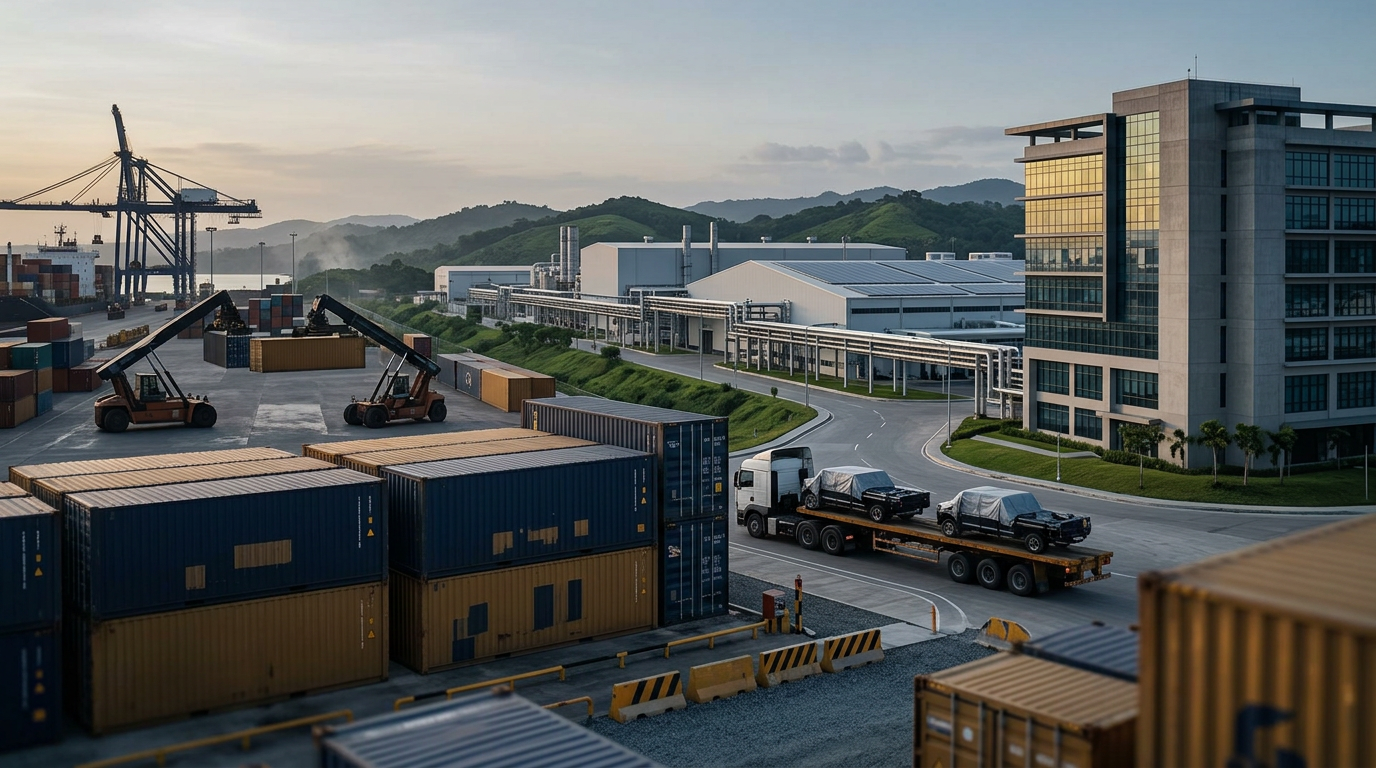
As reported by philstar.com, Mitsubishi Motors Philippines recently hosted an environmental summit in Laguna, reinforcing its sustainability commitments. While the immediate focus was on environmental best practices, the event highlights a much larger strategic play unfolding across Southeast Asia: the transition to electric vehicles (EVs) and the industrial policy choices that come with it. The region's automotive sector, a cornerstone of manufacturing in countries like Thailand and the Philippines, is at a major inflection point.
Capital and Institutions
The shift from internal combustion engines (ICE) to EVs is capital-intensive. It requires not just retooling factories but also building out extensive charging infrastructure and securing new supply chains for batteries and critical minerals. For ASEAN governments, this is a test of institutional capacity. Can investment promotion boards effectively attract and direct the massive inflow of foreign capital needed? Can they coordinate between national-level industrial plans and local-level infrastructure deployment? The experience of Mitsubishi in the Philippines, a long-standing investor, shows the importance of established corporate presence. Yet, the EV transition introduces new players, particularly from China, who are bringing their own capital and technology, altering the established landscape of Japanese and Korean dominance in the region's auto sector.
Supply Chains and Managed Dependency
The EV supply chain is geographically and politically complex. China dominates the processing of critical minerals and the manufacturing of battery cells, creating new dependencies for any country aiming to build a domestic EV industry. This aligns with the central theme of managing dependency discussed in "ASEAN Rising." The book notes that for ASEAN, "trade depth with China is now a structural feature, not a cyclical one." The challenge is to integrate into these new EV supply chains without ceding control over national industrial development. Countries like Indonesia are using their nickel reserves to force investment in onshore processing, a clear strategy to move up the value chain. Others are focused on assembling imported kits, a less capital-intensive but also less value-additive approach.
Infrastructure and Talent
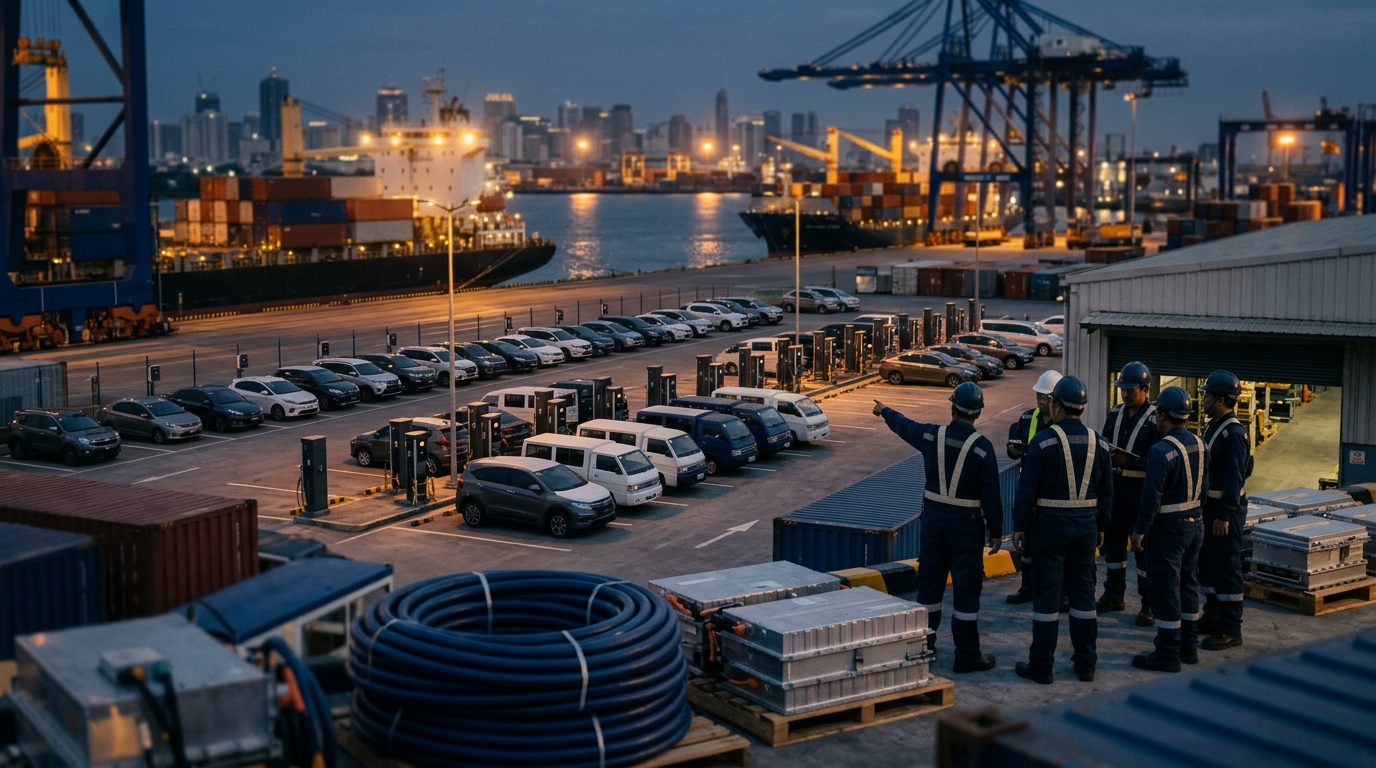
A successful EV transition hinges on two other pillars: infrastructure and talent. A robust network of public charging stations is a prerequisite for mass adoption. This is an area where public-private partnerships are essential, but the regulatory framework for energy pricing, grid management, and land access can be a significant bottleneck. On the human capital side, the automotive workforce needs new skills. The mechanical expertise for ICE vehicles is not directly transferable to the electronics and software-heavy world of EVs. This requires a major effort in vocational training and university-level engineering programs to prepare a new generation of technicians and designers. Without a deep talent pool, ASEAN risks being a low-end assembly hub rather than a center for EV innovation and manufacturing.
What to watch: The key indicator to watch is not the number of new EV models launched, but the flow of foreign direct investment into battery manufacturing and mineral processing. Pay attention to the terms of these investment deals and the policy incentives offered by governments. Also, monitor the development of national charging infrastructure plans and the changes in university and vocational training curricula aimed at supporting the EV industry. These are the deeper signals of how successfully ASEAN is navigating this industrial transformation.