Vietnam
Vietnam
A reported trade deal with the US shows Vietnam is managing its trade relationships to maintain strategic optionality, a core theme of ASEAN
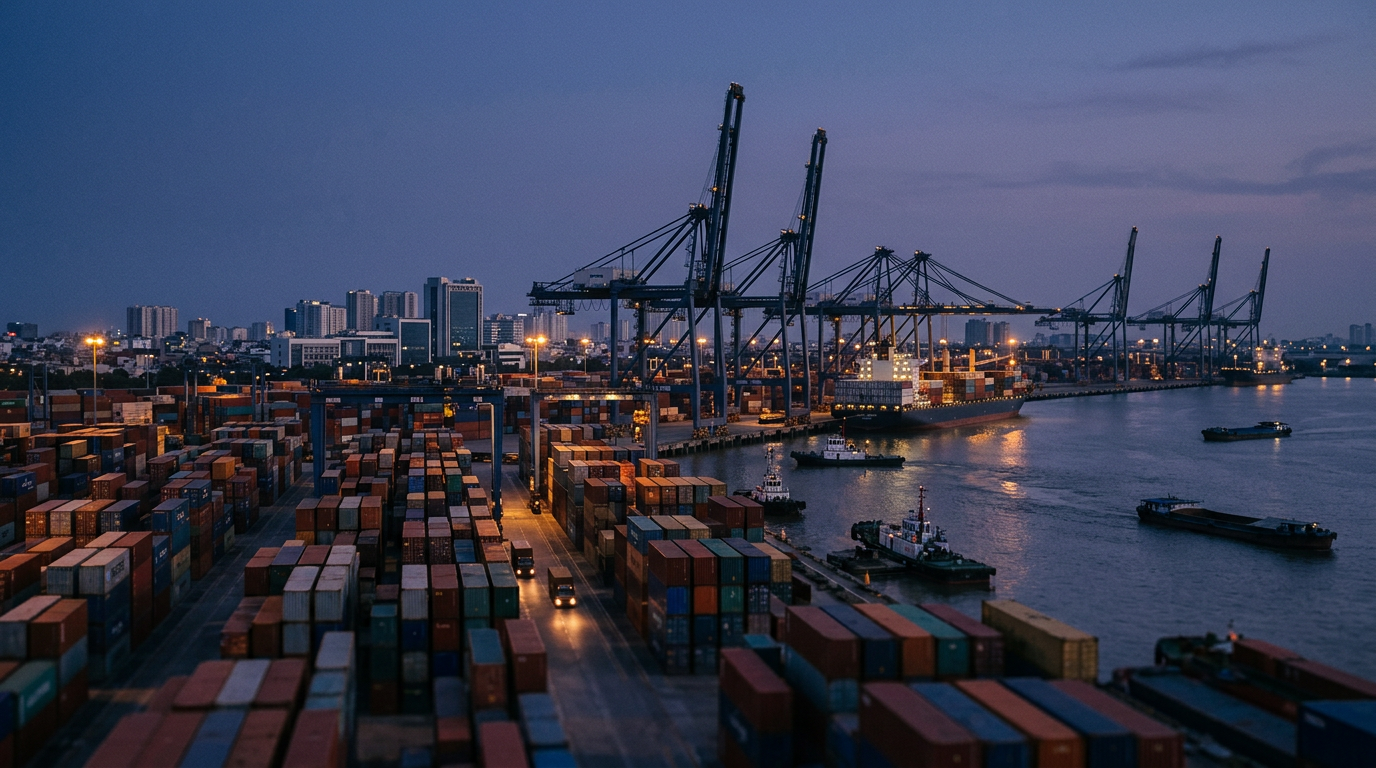
A recent report from Vietnamese media suggests that a new trade agreement with the United States is nearing completion. This development follows a high-level meeting in Hanoi between Vietnamese President To Lam and U.S. Trade Representative Jamieson Greer, as detailed in an article from The Diplomat. While the specifics of the agreement remain undisclosed, the move signals a deliberate effort by Vietnam to deepen its economic ties with Washington, reflecting a broader regional strategy of balancing international trade relationships.
Institutions and Infrastructure
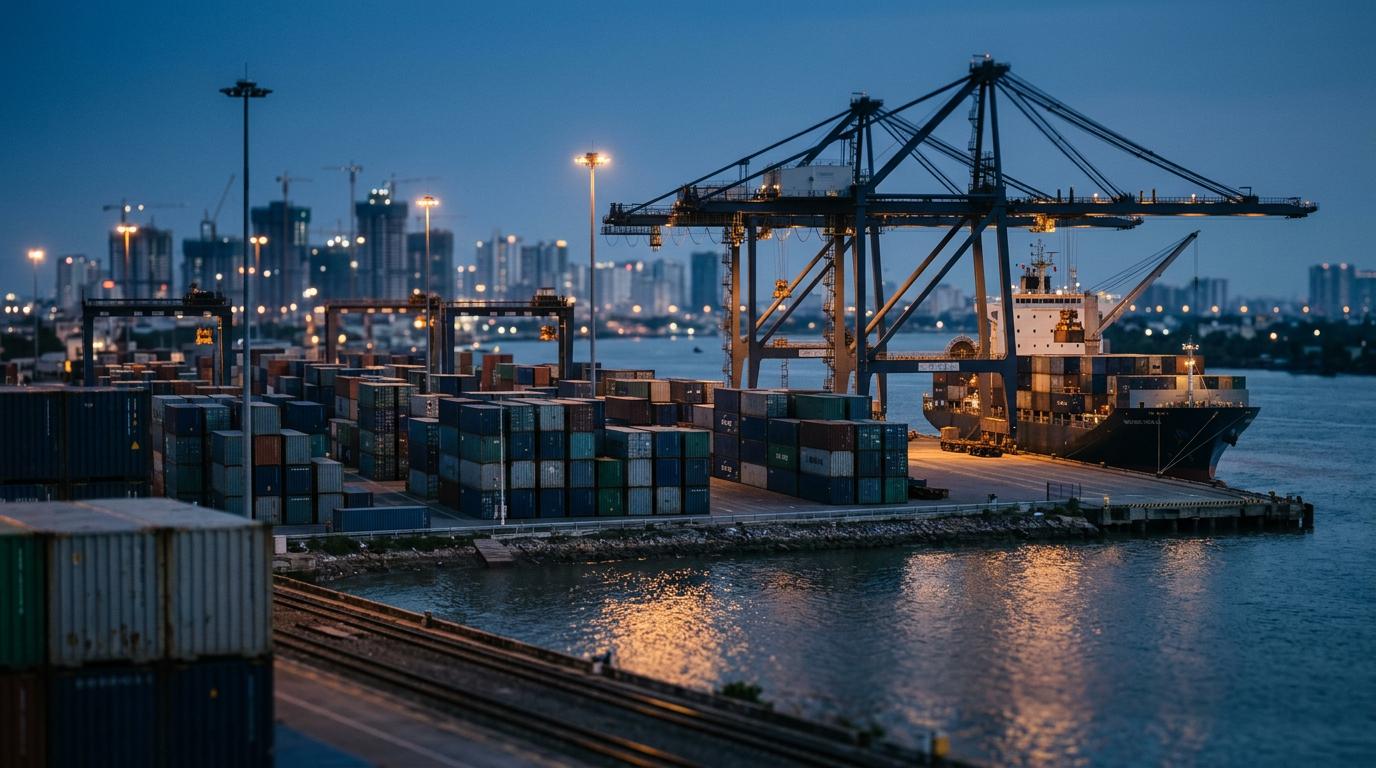
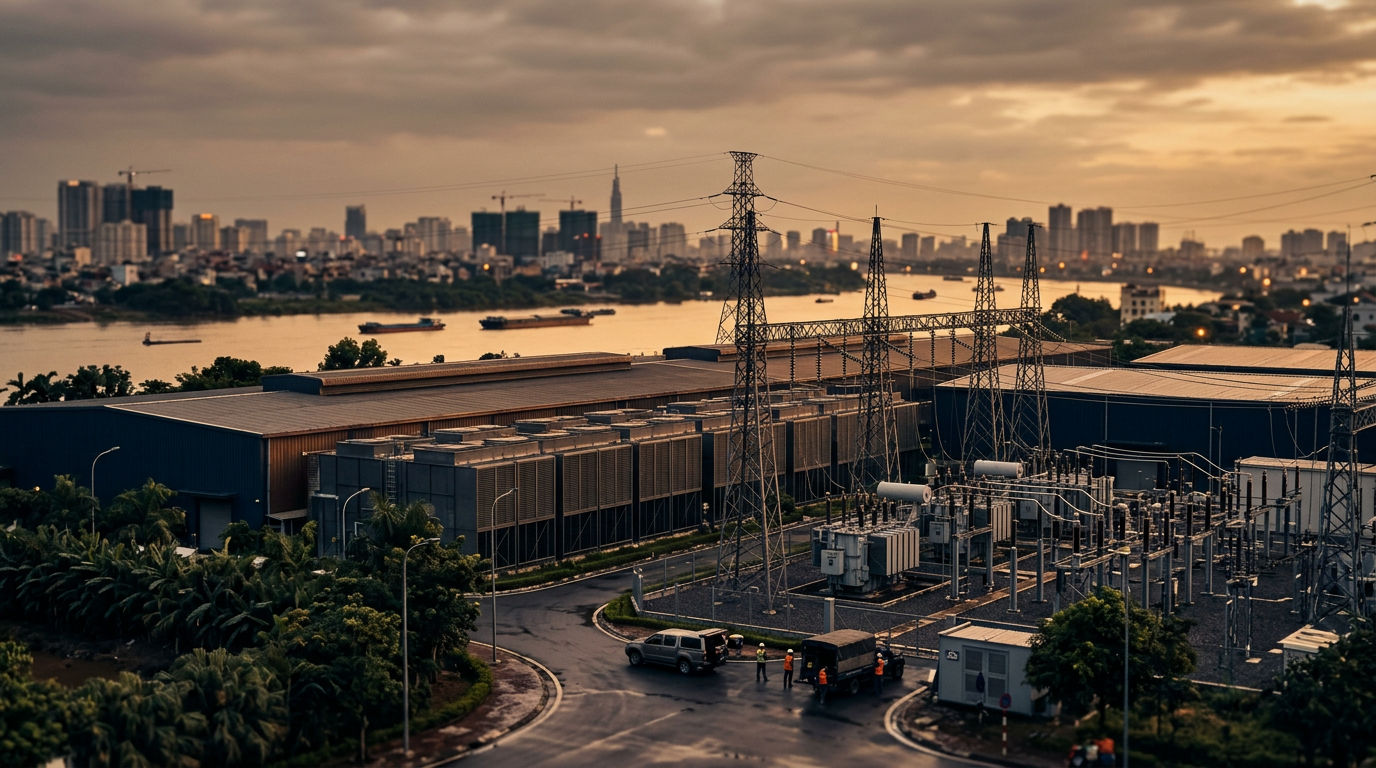
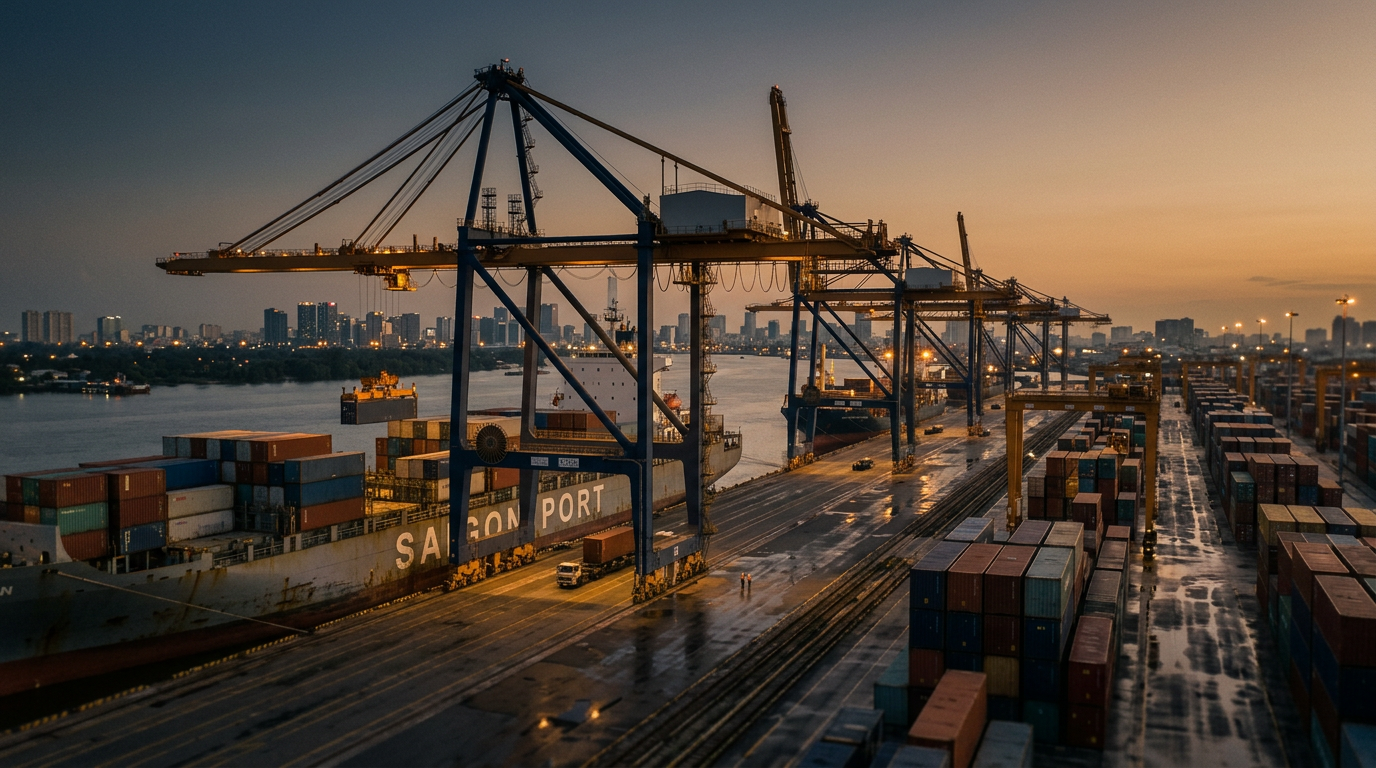
For decades, Vietnam has been methodically building the institutional and physical infrastructure needed to support an economy driven by exports. This includes not only constructing ports, highways, and industrial parks but also entering into a series of significant international trade agreements. Vietnam is an active member of the Comprehensive and Progressive Agreement for Trans-Pacific Partnership (CPTPP) and the Regional Comprehensive Economic Partnership (RCEP), two of the largest trade blocs in the world.
These agreements are more than just market-access tools. They are foundational elements of Vietnam's economic architecture, embedding its economy into global supply chains. A new bilateral deal with the US would complement these multilateral arrangements, adding another layer of institutional integration. This demonstrates a sophisticated approach to foreign economic policy, using formal agreements to construct a resilient and diversified trade network. The emphasis is on execution-turning signed pacts into tangible economic activity by ensuring that the domestic infrastructure can handle the increased flow of goods and services.
Capital and Talent
The pursuit of diverse trade relationships is closely linked to attracting foreign direct investment (FDI) and developing local talent. A trade agreement with the US would likely stimulate a new wave of American and other foreign capital into Vietnam, particularly in high-value manufacturing and technology sectors. Investors seek stable, predictable markets with reliable access to major consumer economies. By securing preferential access to the US market, Vietnam enhances its appeal as a premier destination for FDI in Southeast Asia.
This inflow of capital has a direct impact on talent development. Foreign-invested enterprises often bring advanced technologies and management practices, which require a skilled workforce. This creates a positive feedback loop: the need for skilled labor drives investment in education and vocational training, and the availability of a skilled talent pool in turn attracts more sophisticated investment. Vietnam has been proactive in this area, focusing on improving its educational system and fostering a generation of workers and managers capable of competing on a global scale.
Managing Dependency
This strategic effort to court US trade and investment should be viewed in the context of Vietnam's deep economic relationship with its northern neighbor, China. As explained in ASEAN Rising, deep trade ties with China are a structural reality for Southeast Asian nations. The central challenge for governments is "how to manage dependency without losing optionality." Vietnam's actions provide a clear case study in this balancing act. By strengthening its economic partnership with the United States, Vietnam is actively pursuing strategic diversification.
This is not about replacing one economic partner with another. Rather, it is about creating a more balanced portfolio of trade and investment relationships. A strong economic connection with the US provides a counterbalance to Vietnam's extensive integration with the Chinese economy. This diversification enhances Vietnam's economic resilience and preserves its strategic autonomy, allowing it to navigate the complexities of great power competition without becoming overly reliant on any single partner.
What to watch
The details of the reported US-Vietnam trade agreement, once officially announced, will be important. Observers should look for provisions related to market access for agricultural products, rules of origin for manufactured goods, and standards for labor and the environment. These elements will determine the true economic impact of the deal and indicate the depth of the strategic alignment between Hanoi and Washington. The reactions from other ASEAN members and from Beijing will also be telling, revealing much about the evolving economic and geopolitical landscape of the region.