
ASEAN Analysis & Commentary
Every analysis published on ASEAN Rising is sourced, datestamped and signed. We're more interested in being right in 12 months than first in 12 minutes.
Foundation pieces
Start here. The three pieces below set out the lens ASEAN Rising uses to read every story.
ASEAN Rising's core lens. Execution Economics is the study of whether countries, companies and institutions can convert obvious potential into delivered outcomes - and which six pillars decide the answer.
The region has capital, demographics, location and policy ambition. None of that has ever been the binding constraint. The next decade is an execution test, not a potential test - and it is already being scored.
Malaysia is the test case for whether ASEAN's middle powers can turn FDI, semiconductors and data centres into compounding domestic capability. Read the live coverage and execution scorecard.
Analysis tagged #manufacturing
 Vietnam
, Ghana, and the Machinery of Economic Independence
Vietnam's industrial capabilities, once focused on simple processing, are now a source of sophisticated capital goods for other developing nations, a model for managing dependency and building economic sovereignty.
 Vietnam
's quiet export substitution model
Vietnam's model of shifting from primary agricultural exports to higher value-added goods offers a template for other developing nations looking to move up the value chain.
 Malaysia
's FDI Ambitions Test Its Institutional Capacity
Malaysia's FDI successes are clear, but a resilient economy depends on the slower work of improving land, permits, power, and talent.
 Malaysia
's FDI Wins Meet the Execution Test
Foreign investment pledges are one thing; turning them into reality requires solid execution on infrastructure, talent, and regulatory support. Malaysia is making progress.

 Singapore
 and the US-China Trade Strain
The recent US investigation into excess manufacturing capacity in Singapore and 15 other economies shows how friction in global trade can test even the most reliable states. The outcome will have implications for the whole region.
 Philippines
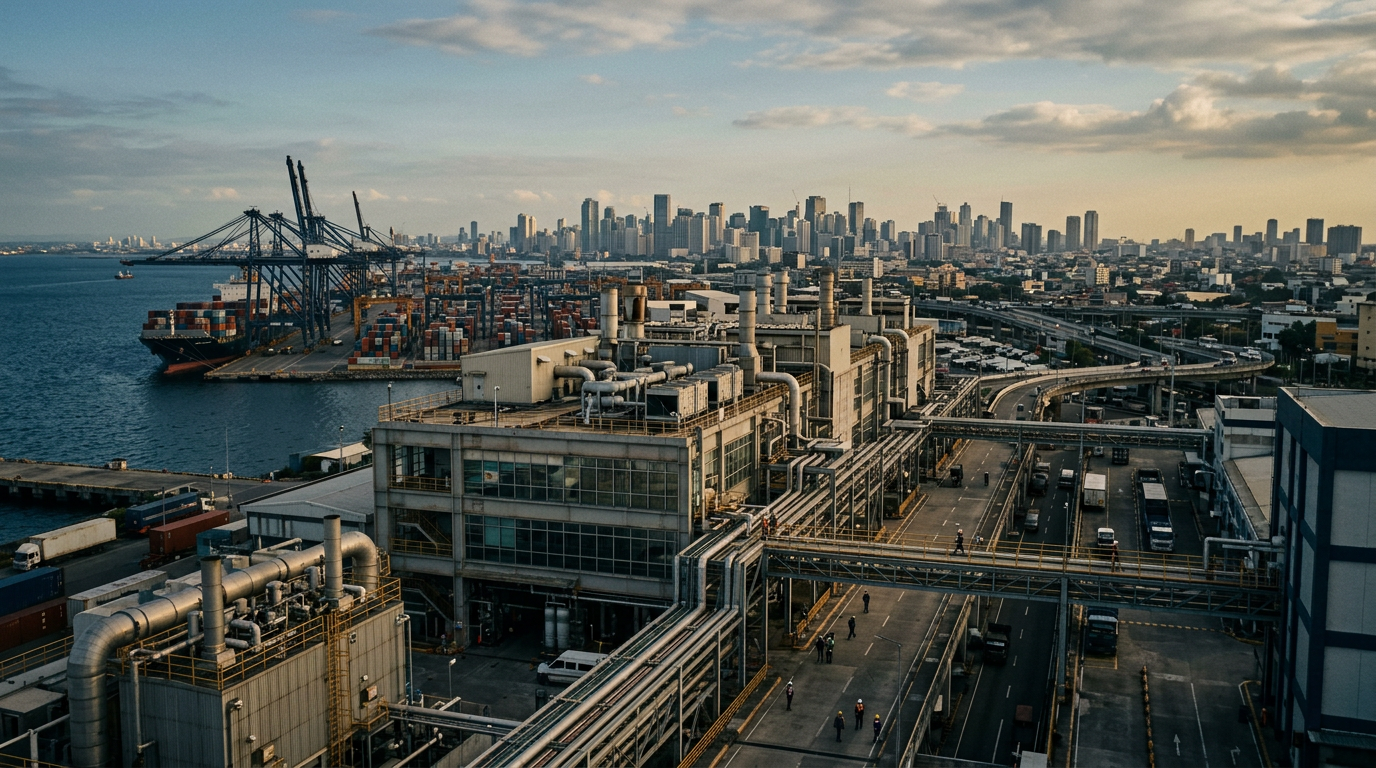
The Philippines' Data Industrial Complex
Toshiba's expansion of its hard disk drive manufacturing in the Philippines is a positive indicator, but the long-term success of the country's industrial ambitions depends on a deeper integration of infrastructure, talent, and institutional execution.
 Thailand
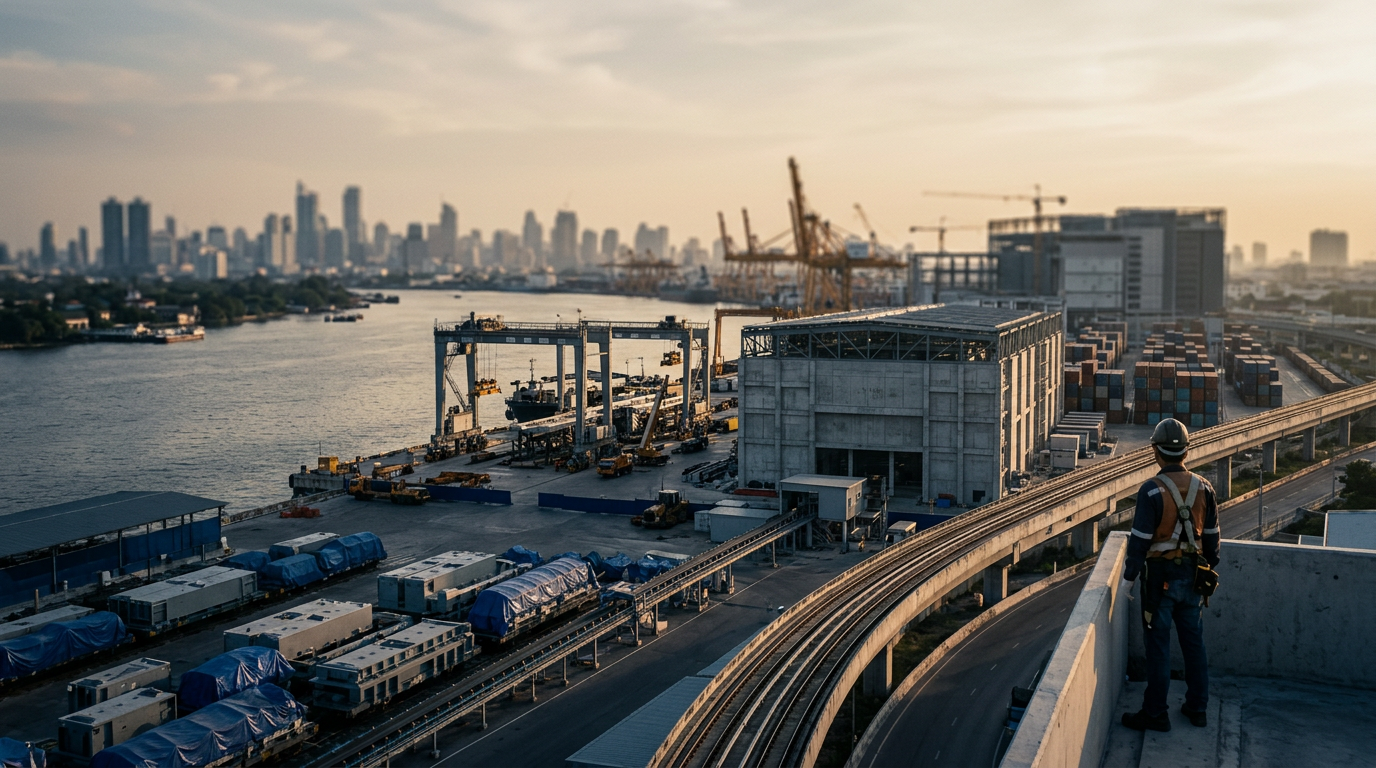
: Ambition and Execution in the Semiconductor Race
FDI announcements are one thing. Execution is another. Thailand's bid to become a semiconductor hub will depend on its ability to build the infrastructure and talent to support the investment.
 Thailand
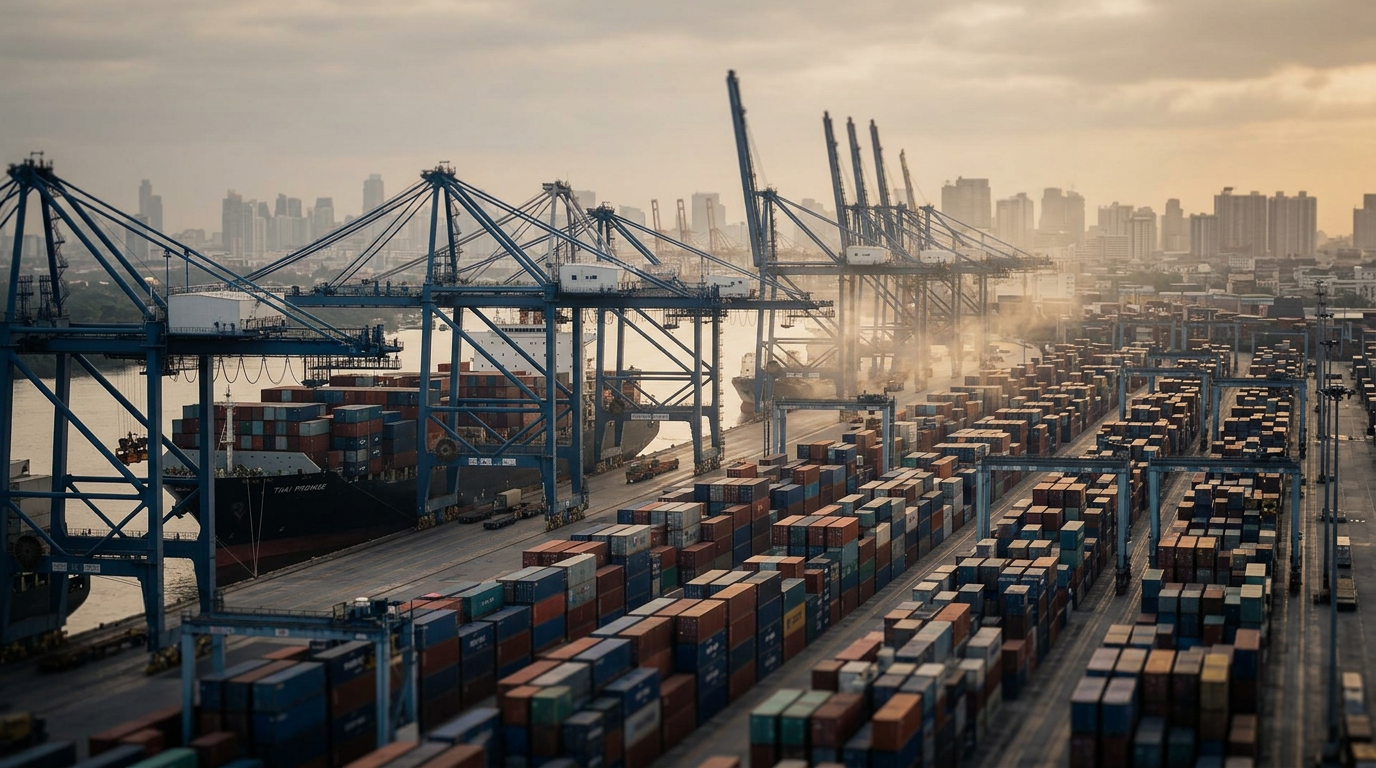
: Beyond the Semiconductor Hype
Announcements are easy, but execution is hard. Thailand's push into the semiconductor industry depends on the slower work of building the infrastructure and talent to support it.
 Thailand
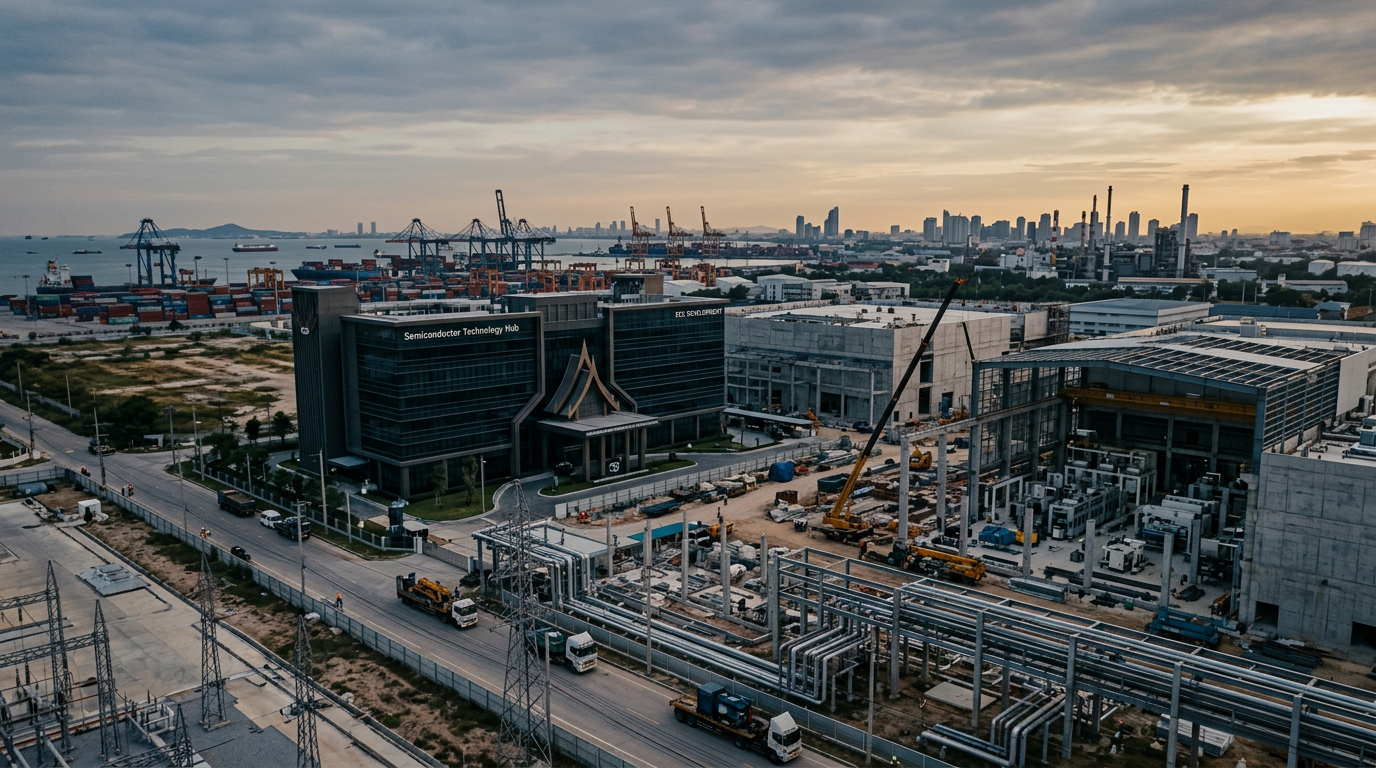
 Bets on Institutions to Realise FDI in the Semiconductor Sector
Thailand is making a concerted push to capture a larger share of the global semiconductor supply chain. Success will depend on the hard work of building institutional capacity to turn foreign direct investment announcements into productive assets.
 Myanmar
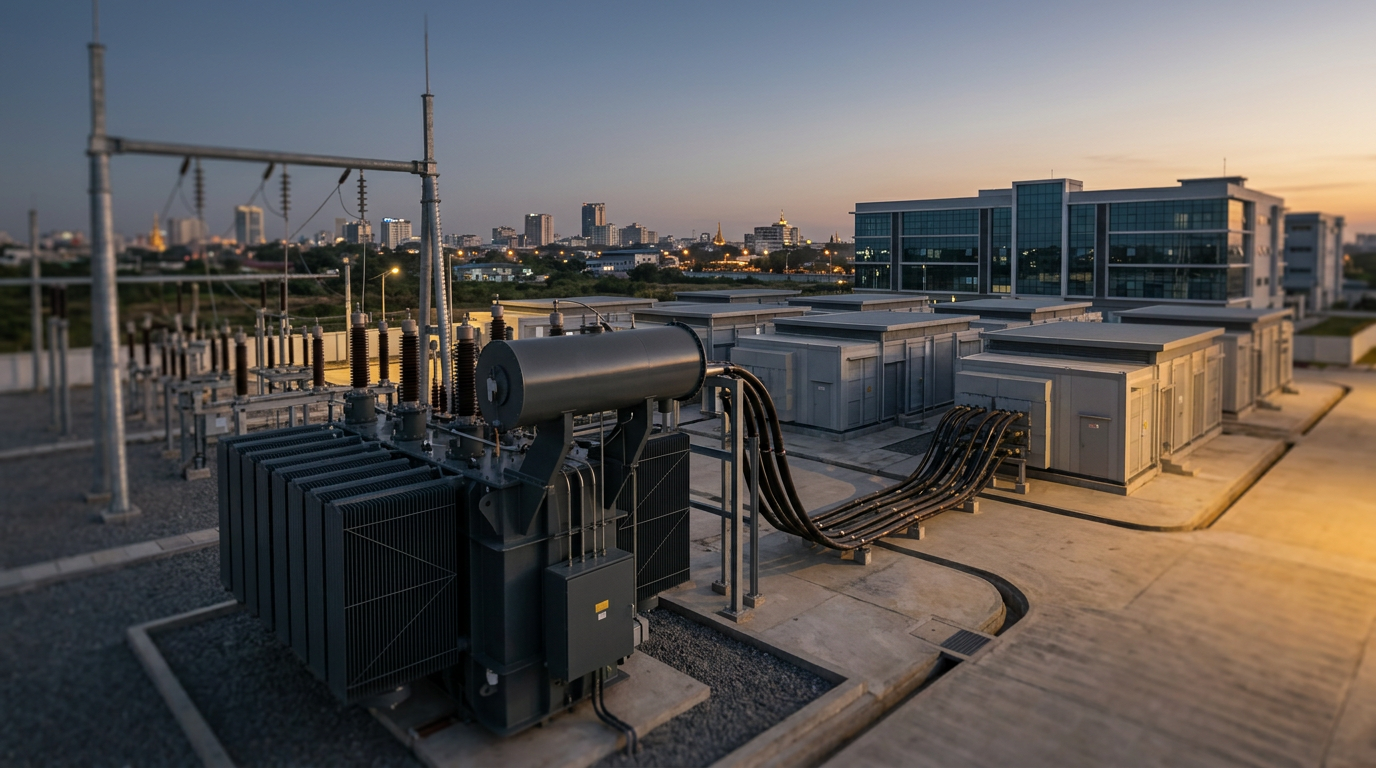
Reliable Infrastructure Attracts Advanced Industries to ASEAN
A partnership between Infineon and Eaton to develop new power transformers for data centers highlights the growing importance of dependable infrastructure in attracting high-value investment to Southeast Asia.
 Thailand
's Electronics Surge Tests Its Institutional Capacity
Thailand's manufacturing production index rose in August, driven by global demand for electronics. This growth puts the focus on the country's ability to translate foreign direct investment announcements into tangible projects through institutional execution.
 Singapore
, AI, and ASEAN's Industrial Future
A jump in Singaporean factory output, driven by AI demand, shows how high-value manufacturing can take root. Yet the wider ASEAN region must still focus on the slower work of building institutional capacity to translate investment announcements into realised flows on the ground.
 Singapore
, AI, and ASEAN's Next Manufacturing Shift
Singapore's industrial surge from AI demand shows its institutional strengths. Can its ASEAN neighbors follow the same playbook?
 Singapore
, AI, and the FDI Test
Singapore's factory output jump in August, driven by AI demand, is a positive signal. Yet, the work of turning foreign direct investment announcements into long-term economic capacity is just beginning.
 Singapore
, FDI, and the Challenge of Scale
A jump in Singaporean factory output, driven by AI demand, highlights a core ASEAN challenge: converting FDI announcements into realized, on-the-ground investment. For neighbors like Indonesia, the slower work of improving institutions and infrastructure is the real measure of.
 Singapore
's AI Bet Highlights ASEAN's Execution Challenge
Singapore's industrial output is surging on AI demand, but this success story is a reminder that across the region, turning foreign investment interest into reality depends on the patient work of improving institutions and infrastructure.
 Singapore
, AI, and ASEAN's Manufacturing Future
Singapore's recent factory output surge, driven by AI-related demand, highlights a divergence in ASEAN manufacturing. While Singapore attracts high-value investments, its neighbors must focus on institutional capacity to absorb and realize large-scale FDI.
 Singapore
, FDI, and the Enduring Power of Execution
The new AI-driven investment boom is a reminder that in the long run, capital follows capacity, and FDI flows to where the slow work of execution gets done.
 Malaysia
's FDI Wins Meet the Test of Execution
Mondelez International's new investment in its Shah Alam production facility is a positive signal for Malaysia, but the real work for any large investor begins after the announcement. Turning FDI promises into reality requires a continued focus on institutional capacity.
 Philippines
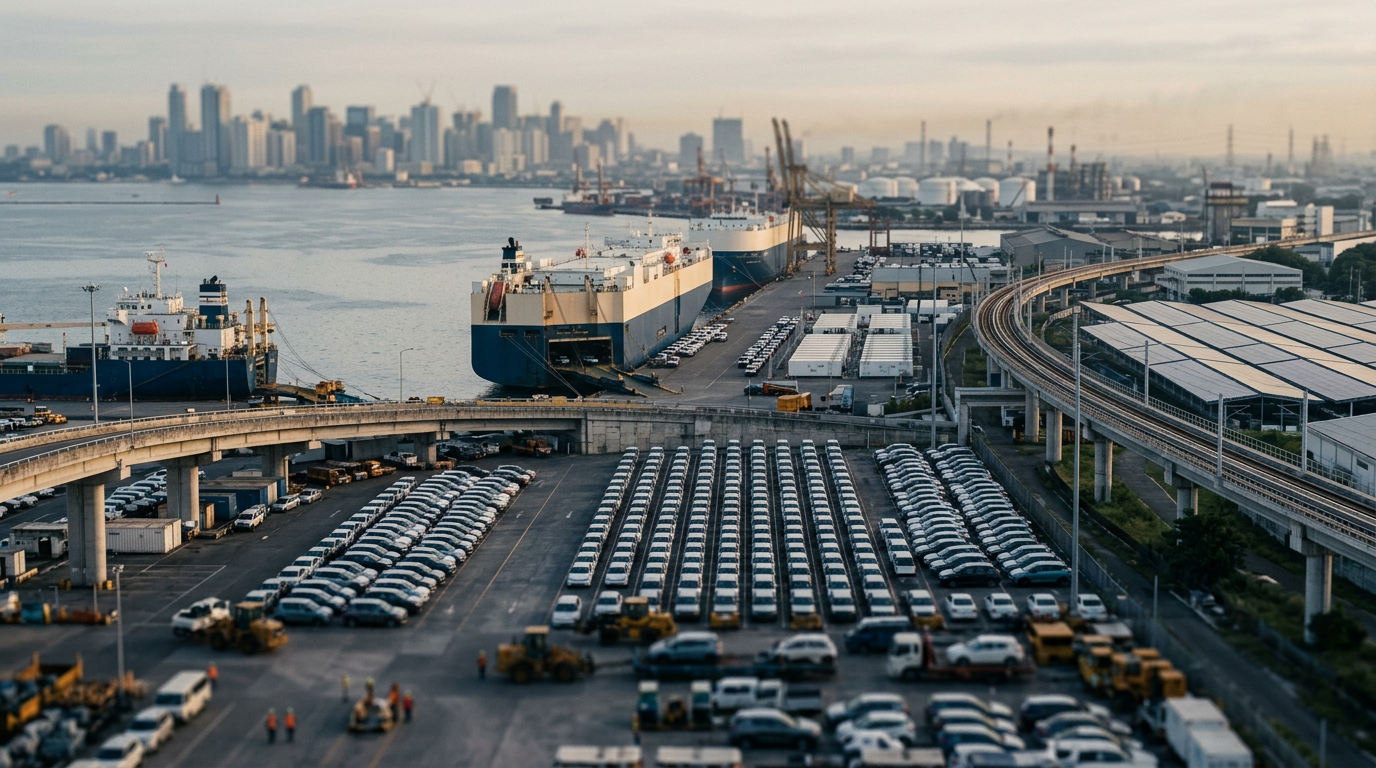
The Green Transition in ASEAN Automotive Manufacturing
The automotive industry is a pillar of ASEAN's industrial base. As global pressures for sustainability intensify, the region's manufacturers are adapting, but the road ahead requires significant investment in new technologies and infrastructure, with EV adoption presenting a.
 Philippines
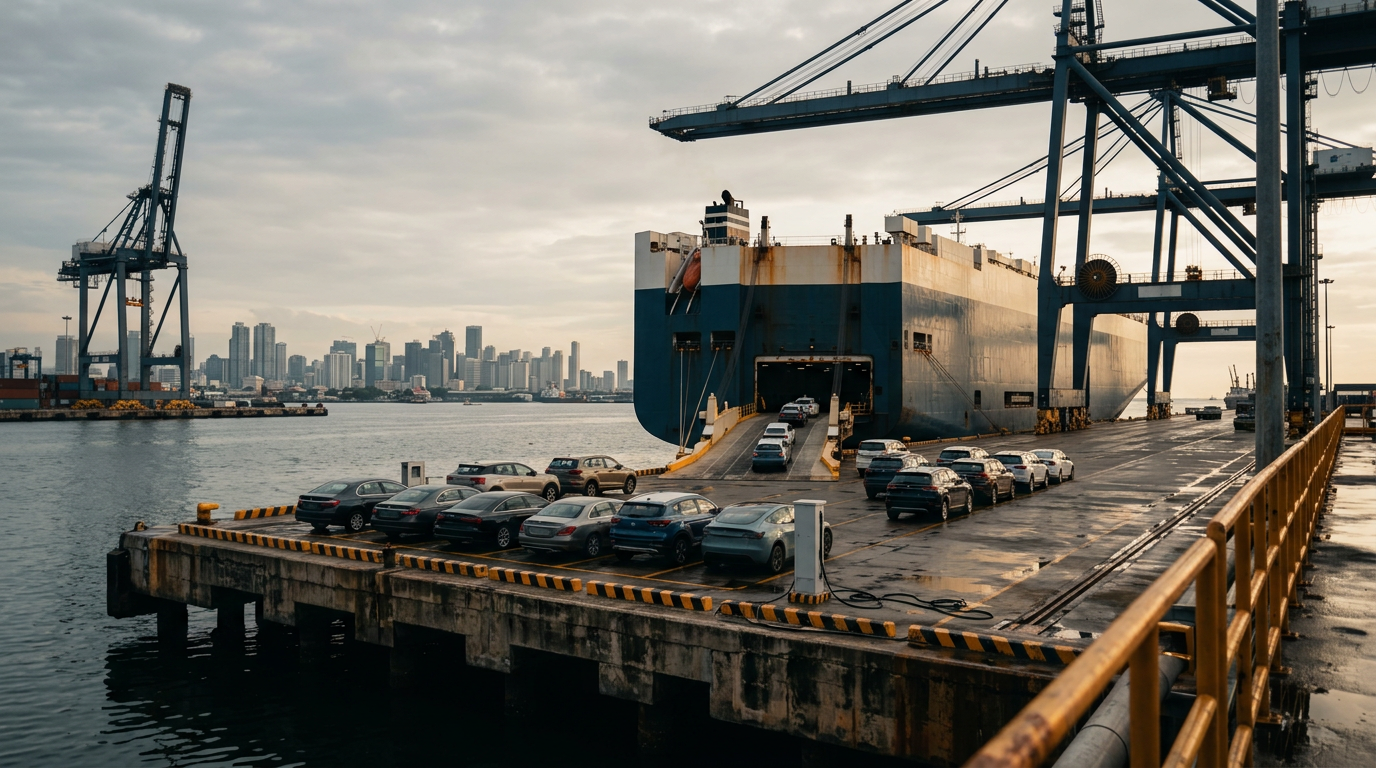
Mitsubishi, the Philippines, and the EV challenge
Mitsubishi Motors just held an environmental summit in the Philippines. This highlights a deeper question: how will ASEAN automakers manage the transition to electric vehicles, with Chinese firms dominating the low-cost segment?
 Philippines
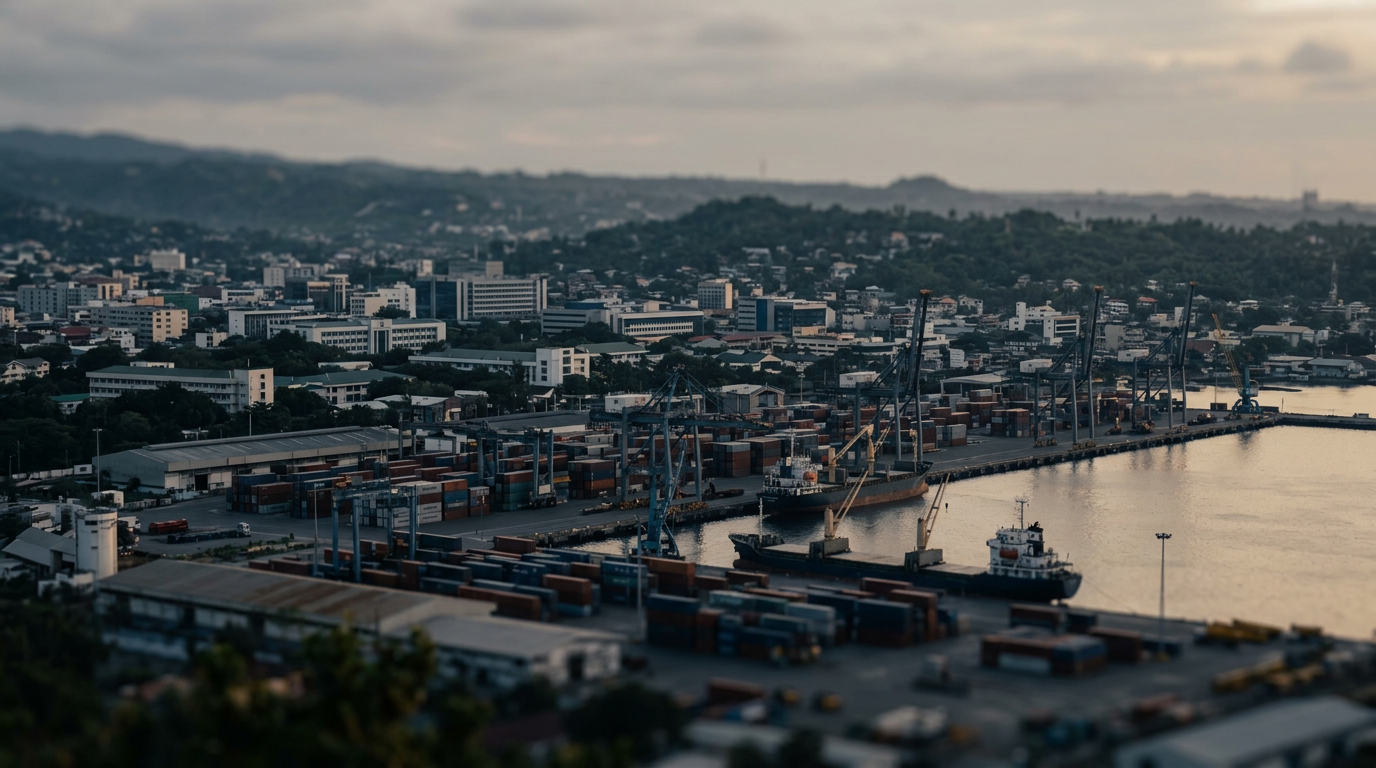
The EV Transition and the Search for Supply Chain Optionality
Mitsubishi Motors Philippines Corp.'s recent environmental summit highlights the EV transition, a shift that tests ASEAN's ability to manage its deep trade relationship with China while building new industrial capacity.
 Thailand
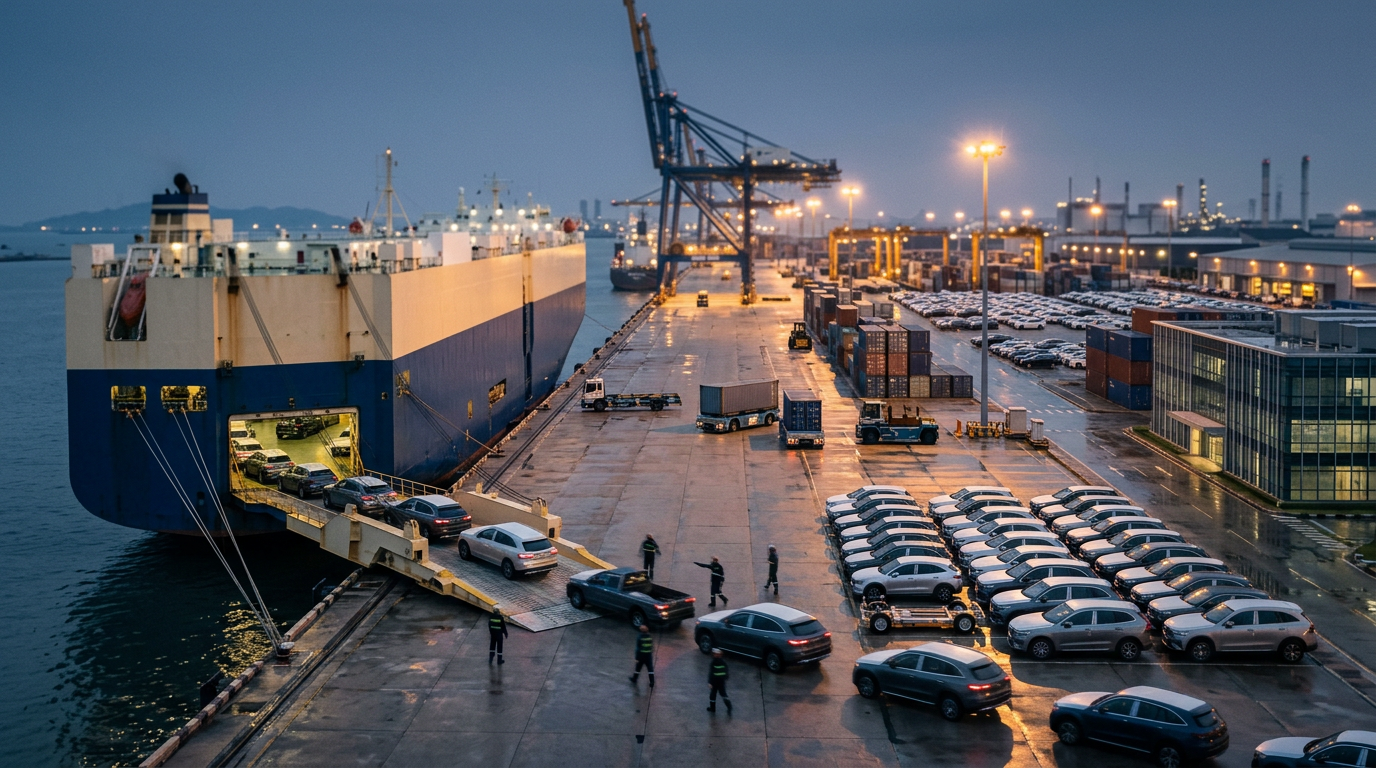
 Charges Its EV Supply Chain
Mercedes-Benz plans to manufacture the electric GLC SUV in Thailand, a move that will test the reliability of local institutions and the depth of the domestic supply chain.
 Indonesia
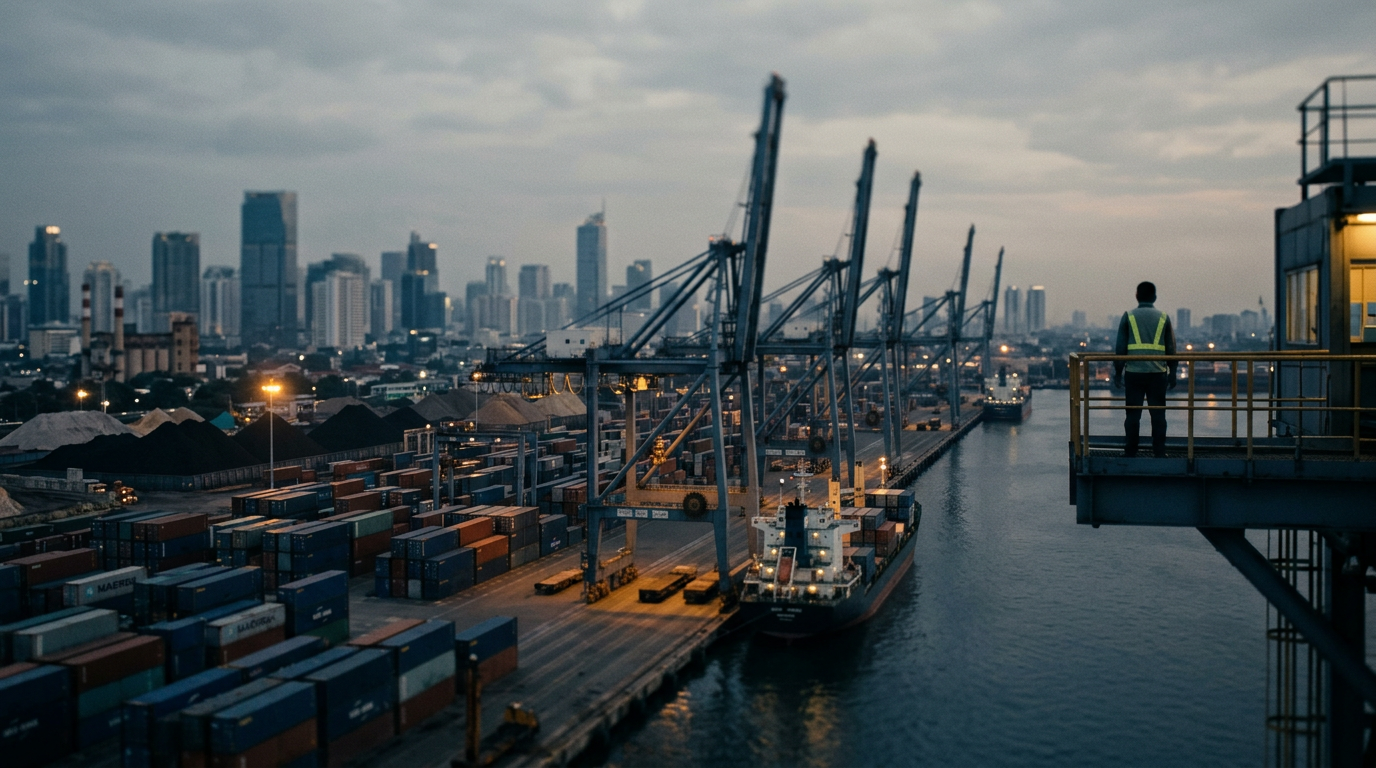
's Deindustrialization Risk in a China-Centric ASEAN
An economist warns that Indonesia faces a risk of deindustrialization due to manufacturing stagnation. This reflects a structural dependency on commodity exports and a failure to capture higher value-add in regional supply chains.
 Malaysia
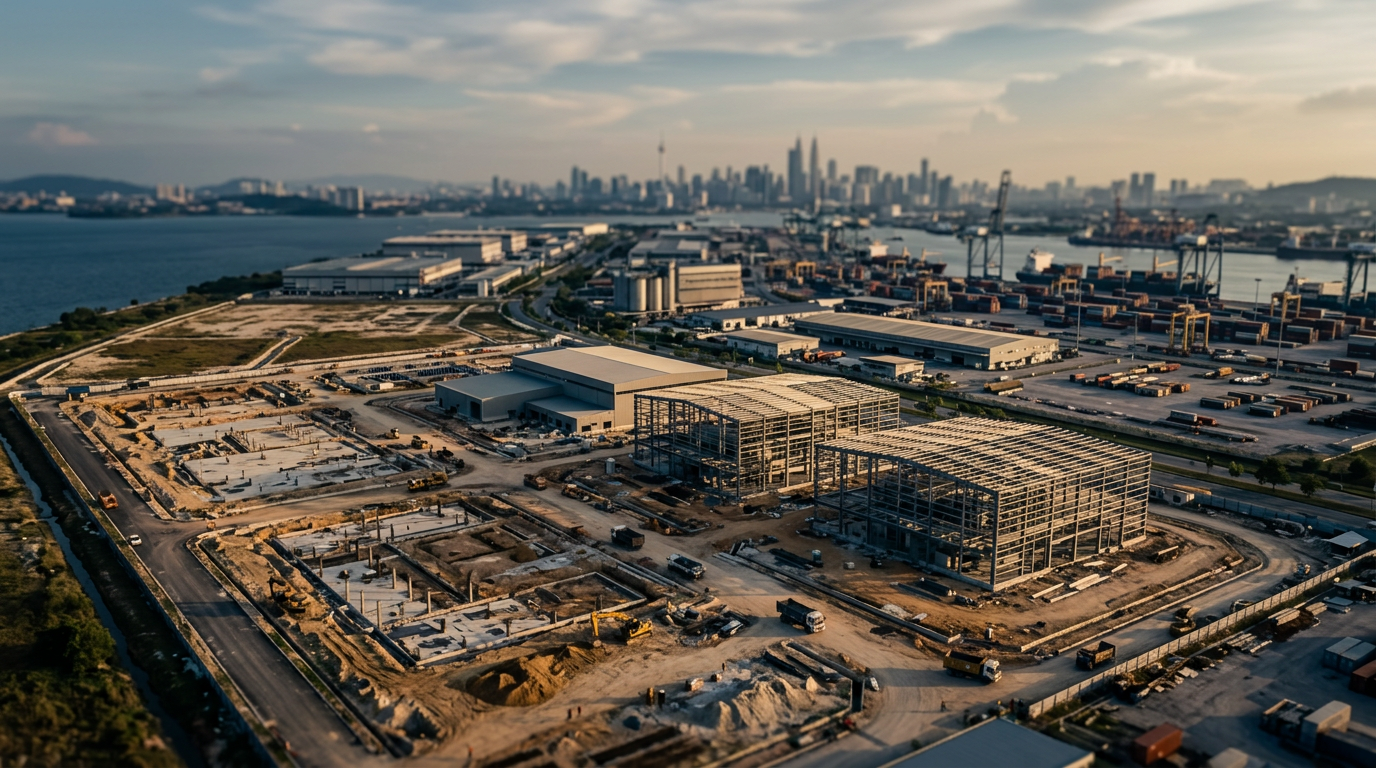
's FDI Ambition is About More than Announcements
FDI announcements travel quickly. Realised flows depend on the slower work of land, permits, power and talent reaching the ground.
 Vietnam
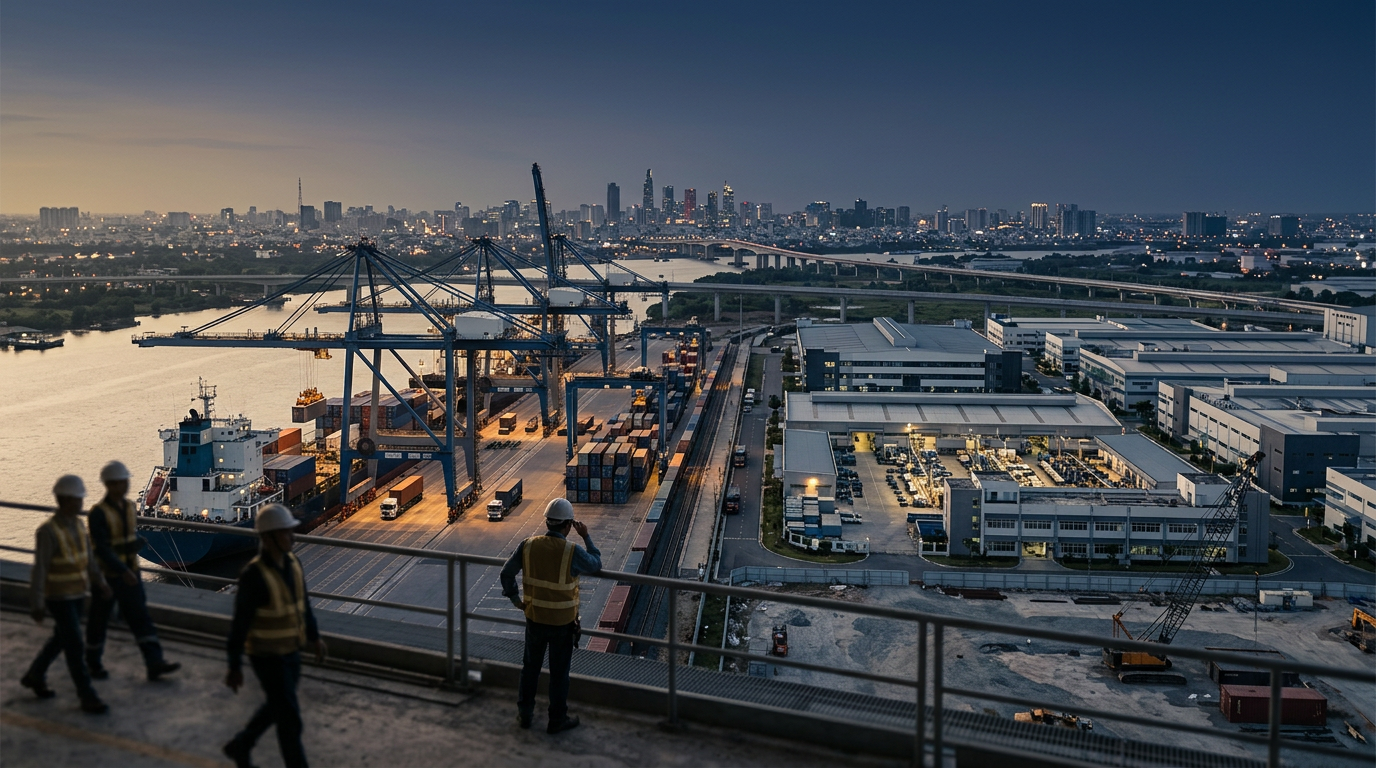
's FDI Wins Show the Primacy of Execution
Vietnam's manufacturing surge is a lesson in the power of execution. Announced FDI is one thing; realised investment that builds factories and hires workers is another. Vietnam is succeeding in the slower, harder work of turning promises into projects.
 Malaysia
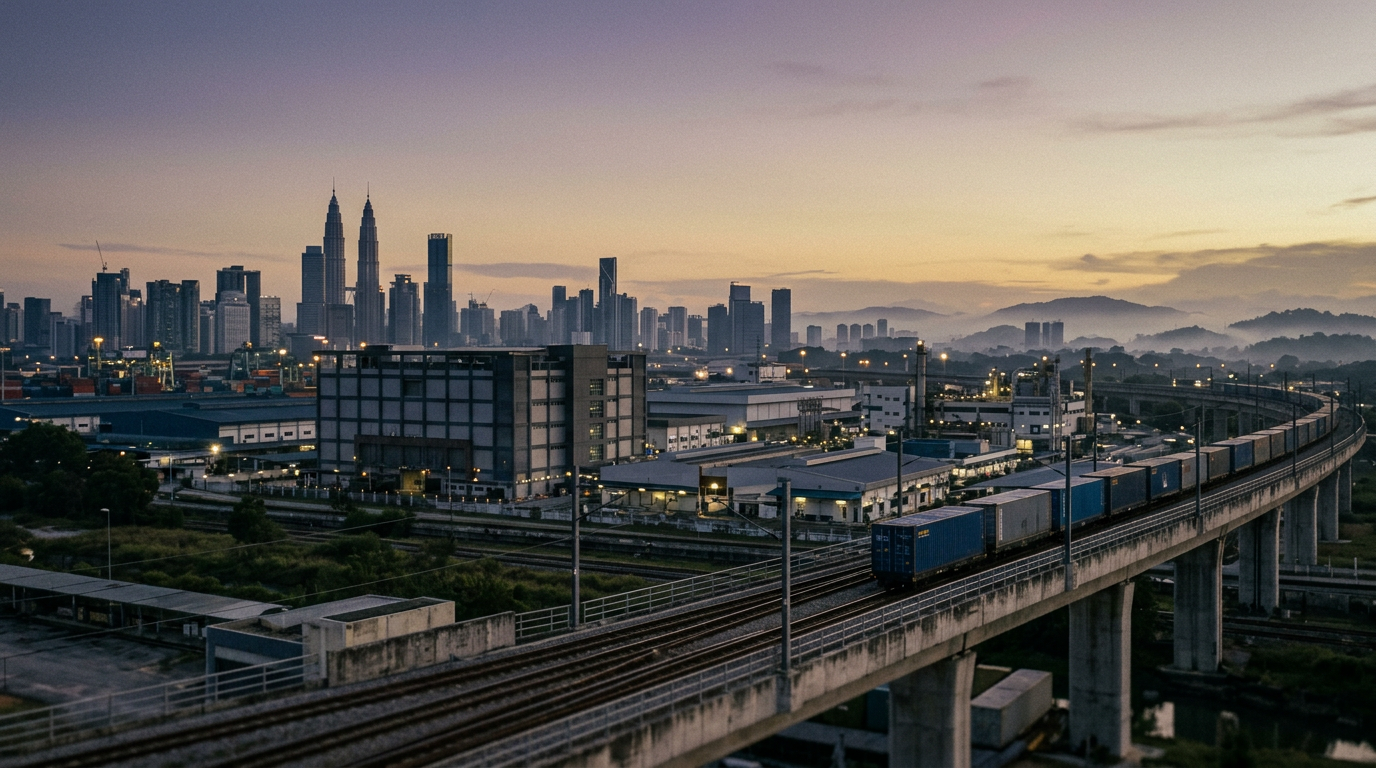
's FDI Record: Execution Makes the Difference
Foreign direct investment announcements are easy to make. Turning them into productive assets on the ground is the harder part that truly drives economic growth.
 Vietnam
's Northern Strategy for FDI
Northern Vietnam attracted 80.5% of new manufacturing FDI in the first half of the year, with electronics and semiconductor investments concentrated in the region.
 Vietnam
, Samsung, and the Usable State
Samsung's strong profit report from its Vietnam operations is a useful reminder that a usable state is often more valuable than an exciting one.
 Vietnam
's Semiconductor Ambitions Test Its Institutional Capacity
Vietnam is making a concerted push into the semiconductor industry, but its success will depend on its ability to translate ambitious plans into on-the-ground execution. Can the country's institutions build the necessary infrastructure and talent base?
 Malaysia
's Investment Push Meets the Execution Test
Penang's impressive investment figures are a strong start, but the real work lies in turning those announcements into tangible assets and overcoming execution hurdles.
 Vietnam
Samsung's Vietnam Profits Highlight the FDI-to-Growth Pipeline
A surge in profitability at Samsung's Vietnam plants highlights the difference between announced and realised FDI. The lesson is not about any single country, but about the institutional capacity required to convert investment promises into economic reality, a core theme of.
 Singapore
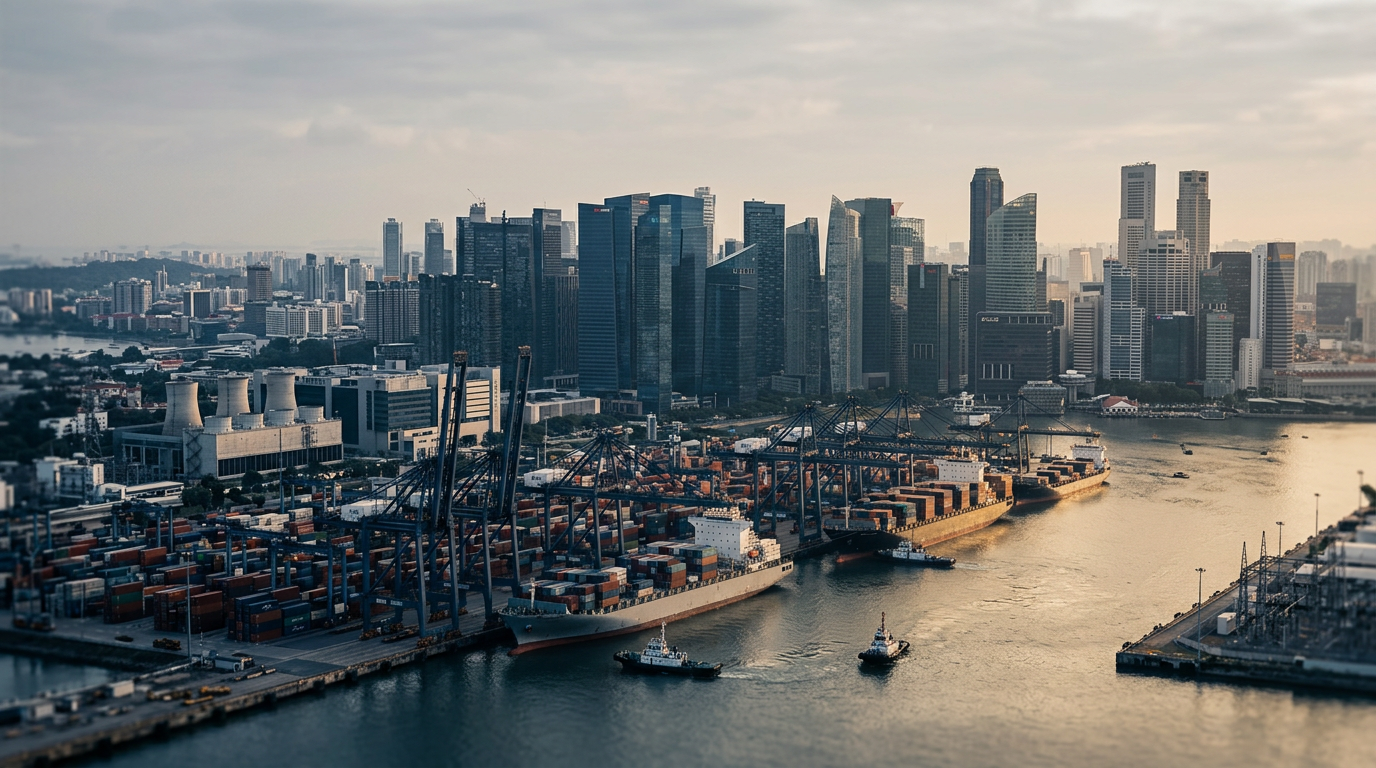
AI demand is boosting Singaporean manufacturing. But who owns the stack?
The recent expansion in Singapore's manufacturing sector, driven by AI-related demand, brings into focus the long-term questions of digital economic sovereignty for all ASEAN nations.
 Vietnam
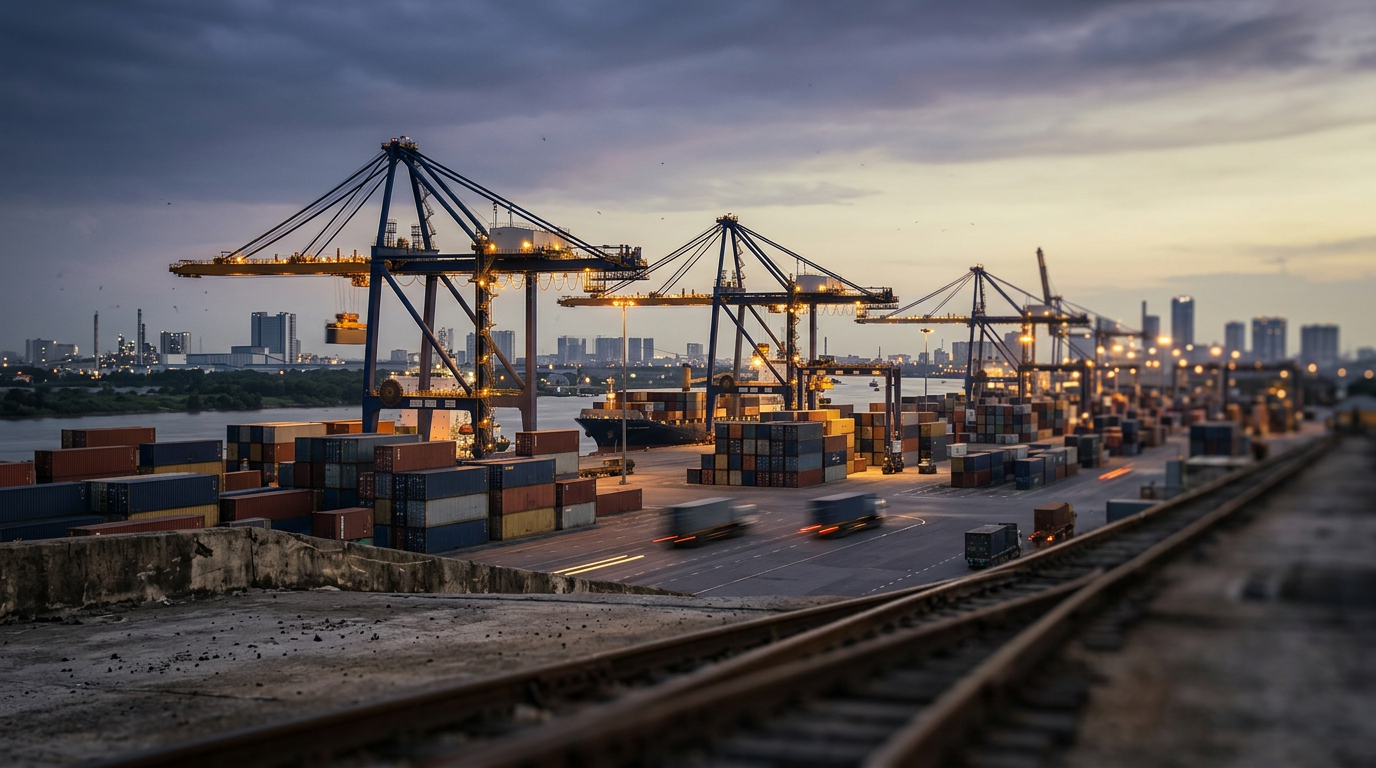
Beyond the Booth: Vietnam's Furniture Sector and the FDI Test
Vietnam's furniture manufacturing sector, highlighted by the upcoming VIFA ASEAN 2026 fair, is at a pivotal point. Turning trade show interest into durable foreign direct investment requires more than just showcasing products; it depends on the deliberate development of.
 Malaysia
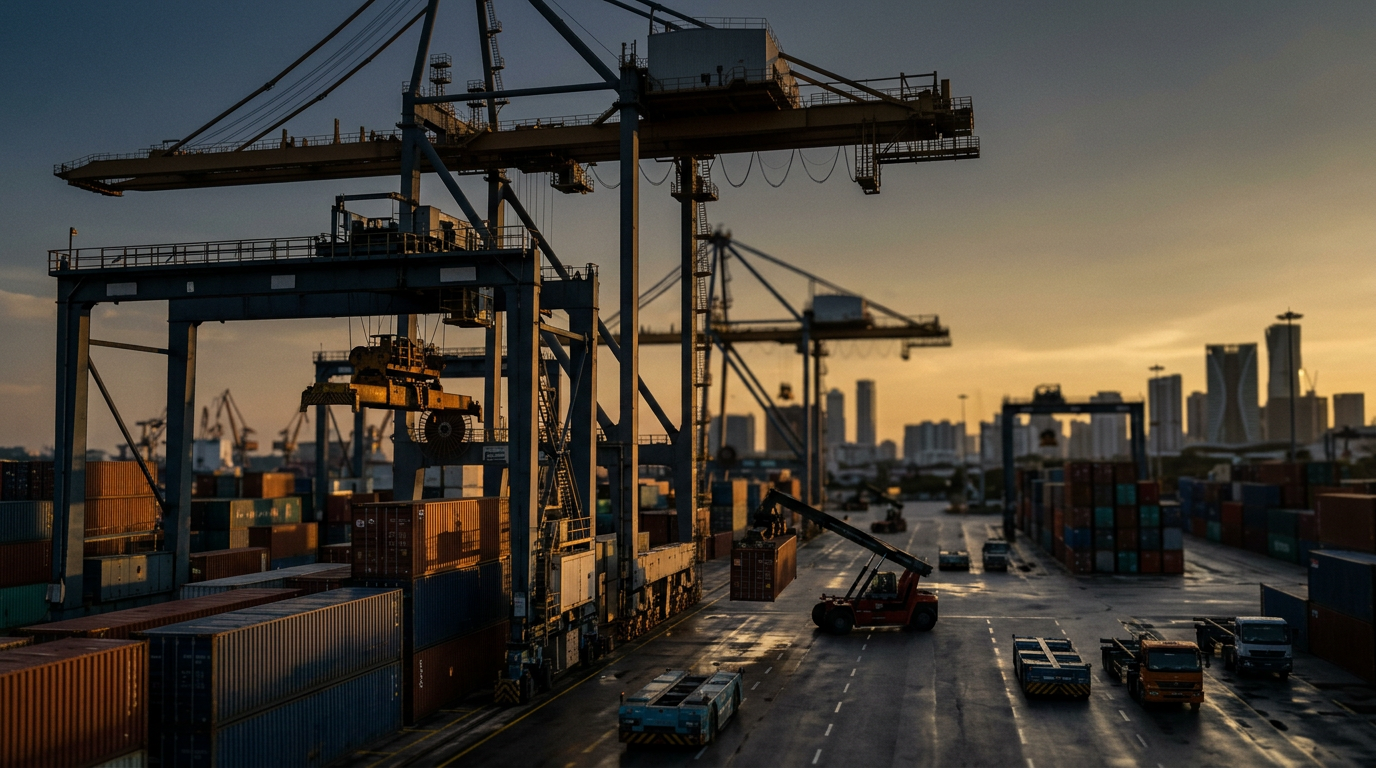
 Investment Surge Tests Execution Capacity
Headline investment numbers are a positive signal. Turning them into productive assets on the ground requires a focus on institutions, infrastructure, and talent.
 Vietnam
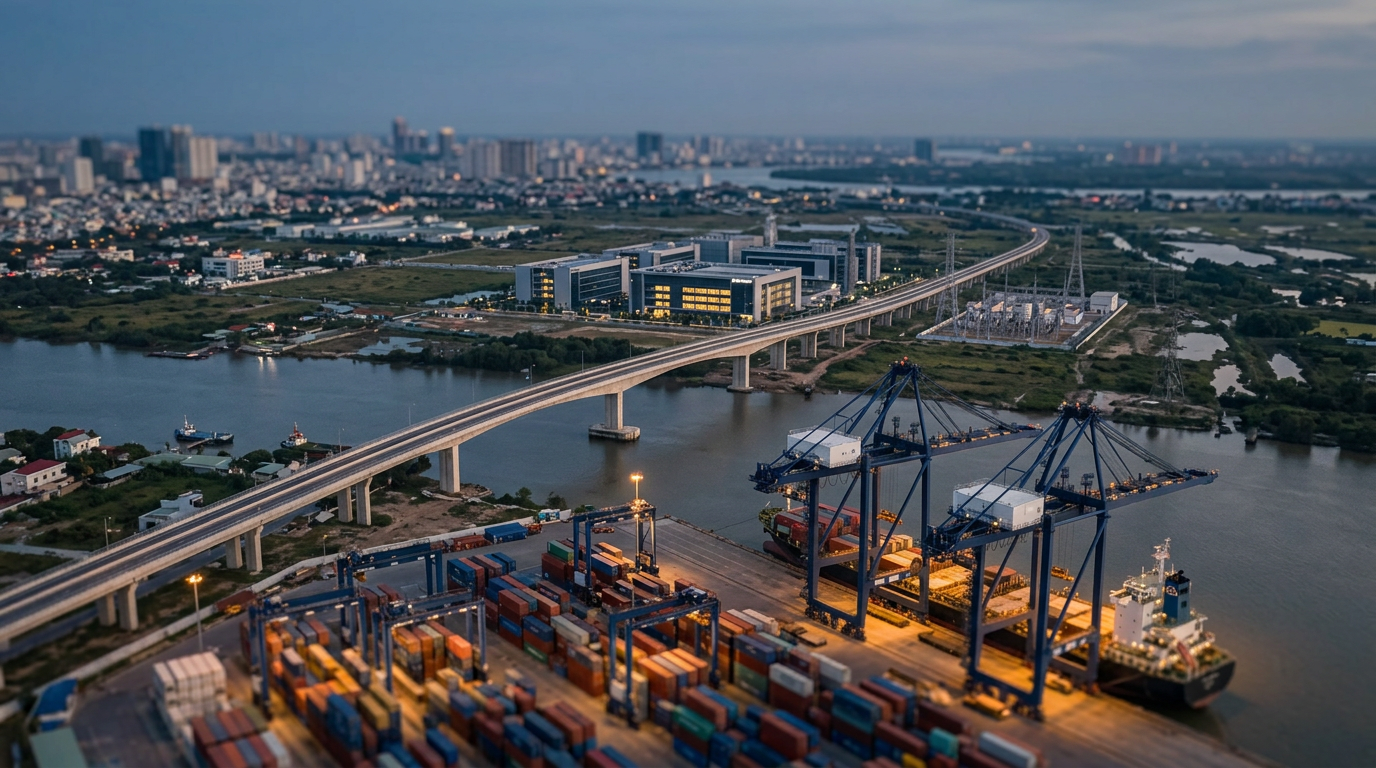
: From FDI Pledges to Realised Flows
A new wave of technology investment highlights Vietnam's appeal, but turning FDI announcements into realised flows depends on the slower work of improving institutions and infrastructure.
 Vietnam
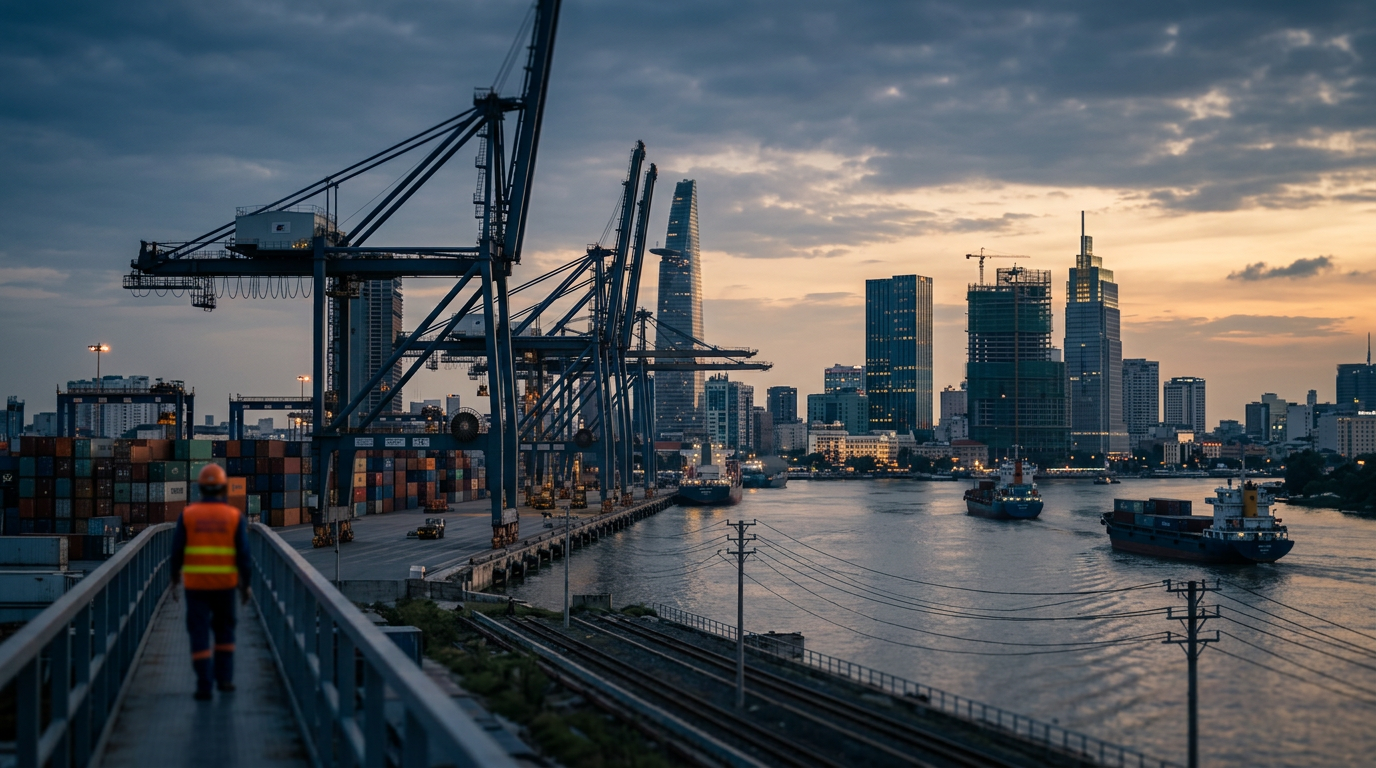
's FDI Ambitions Test Its Institutions
Vietnam is attracting significant foreign investment, but its ability to absorb this capital and move up the value chain depends on institutional execution, not just announcements.
 Philippines
The Philippines Bets on Semiconductor Manufacturing
A new report argues the Philippines should focus on attracting foreign investment into semiconductor manufacturing, leveraging the global AI boom, rather than chasing data center investments. This puts the spotlight on the country's ability to translate investment announcements.
 Philippines
Announcements are not arrivals: turning Philippine FDI pledges into flows
Pledged foreign investment into the Philippines surged in the second quarter. The real work is turning those announcements into realised investment on the ground.
 Vietnam
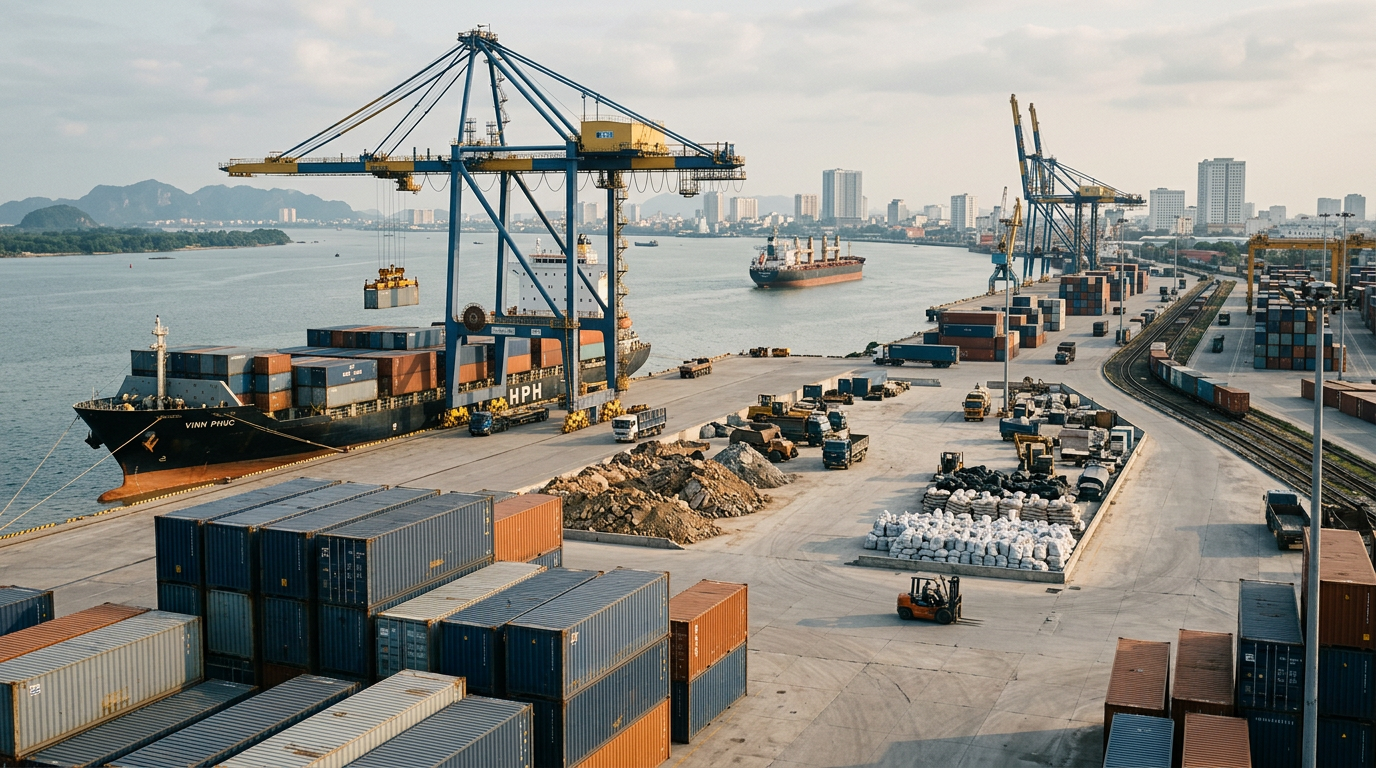
, Rare Earths, and the China Plus One Dividend
Vietnam is attracting significant FDI in strategic sectors like rare earths, but long-term success will depend on its ability to build the institutional capacity to absorb and deploy this capital effectively.
 Malaysia
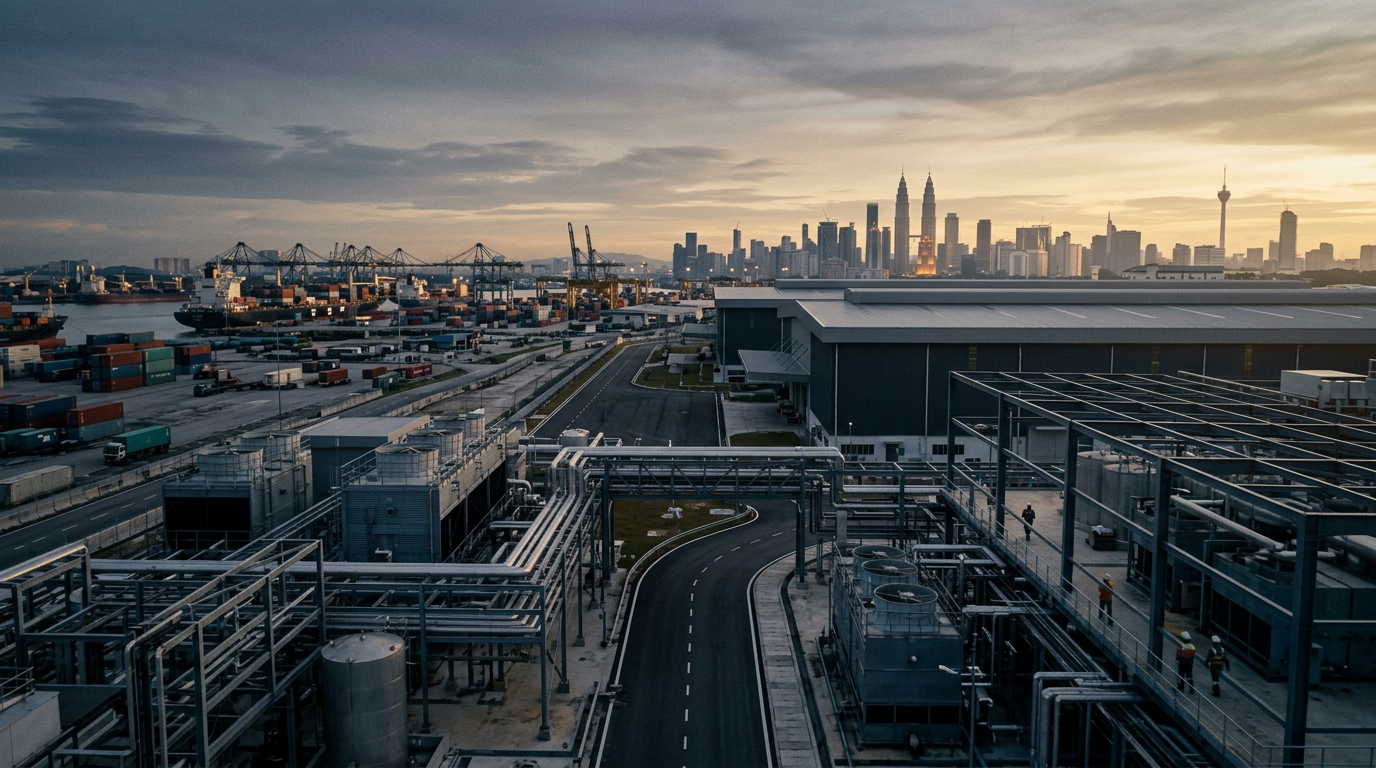
From FDI Announcement to Operation: Malaysia's Test Case
A recent US$150 million investment in a Malaysian manufacturing facility by a global cooling solutions leader highlights the institutional capacity needed to convert foreign direct investment announcements into tangible economic growth.
 Vietnam
The Netherlands and Vietnam: FDI Ambition Meets Execution
Vietnam has attracted significant FDI announcements from Dutch firms, especially in high-tech manufacturing. The next step is translating this ambition into realised investment through institutional capacity.
 Vietnam
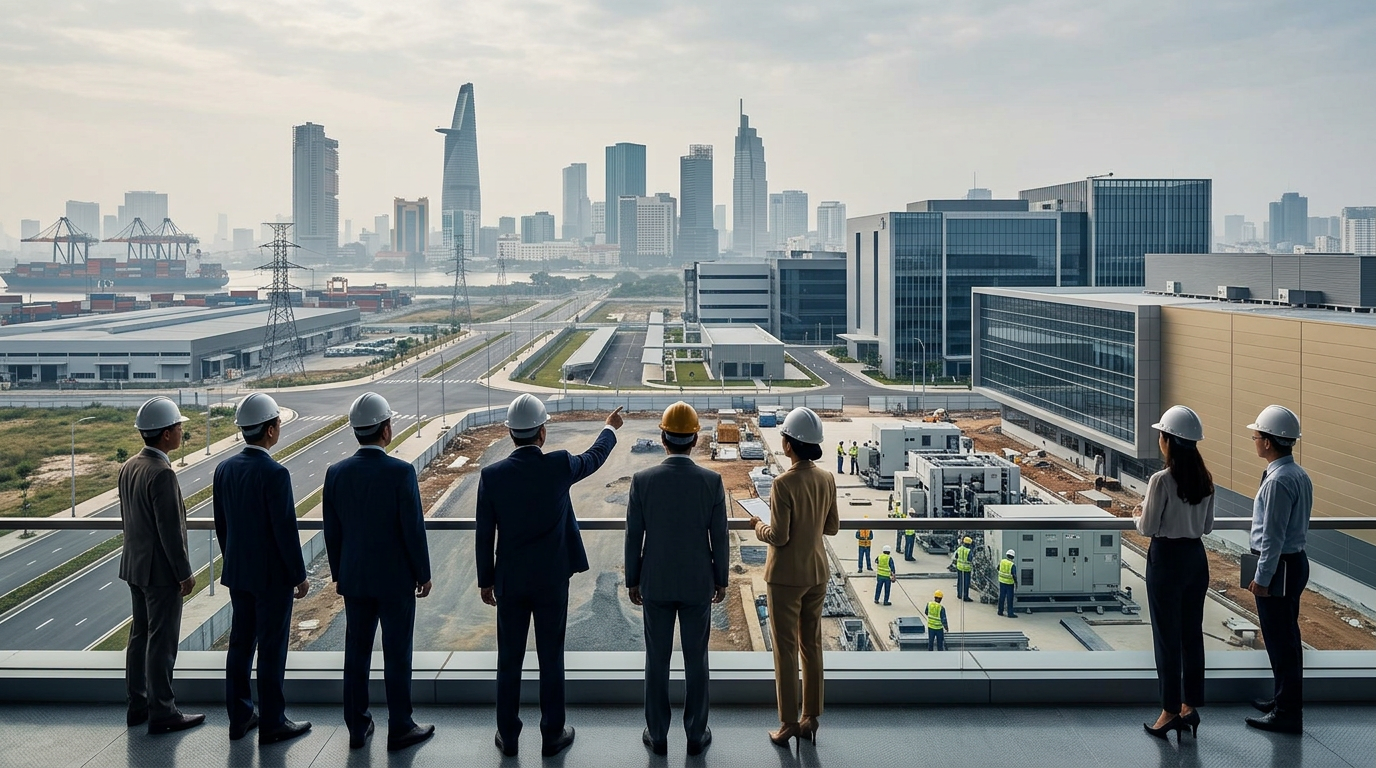
's FDI Quality Push Tests Institutional Capacity
Vietnam's headline FDI figures are impressive, but its ambition to attract high-tech investment hinges on the ability of its institutions to translate announcements into functioning operations.
 Thailand
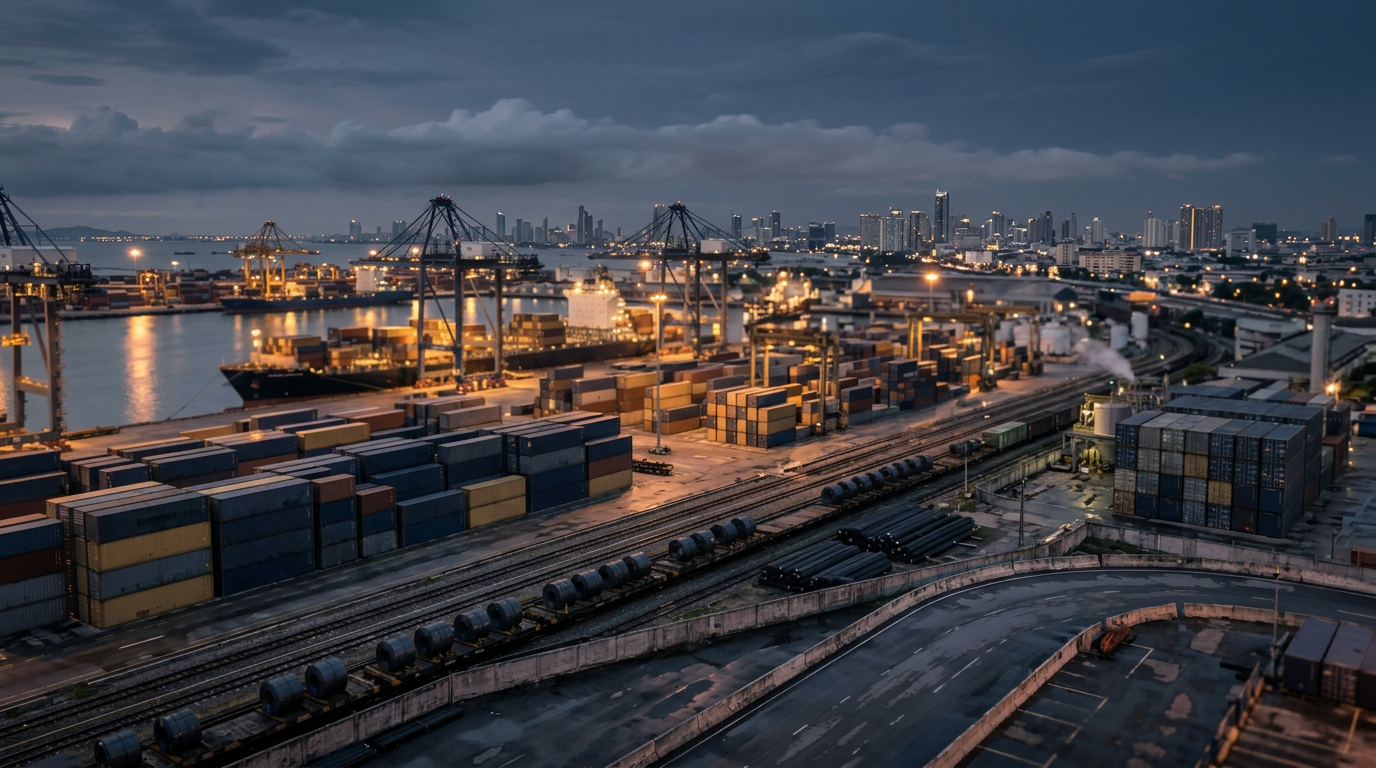
's Steel Woes and the ASEAN-China Trade Dilemma
Challenges in Thailand's steel sector, driven by Chinese exports, highlight a structural dependency that requires careful management of trade, industrial policy, and strategic investment across ASEAN.
 Malaysia
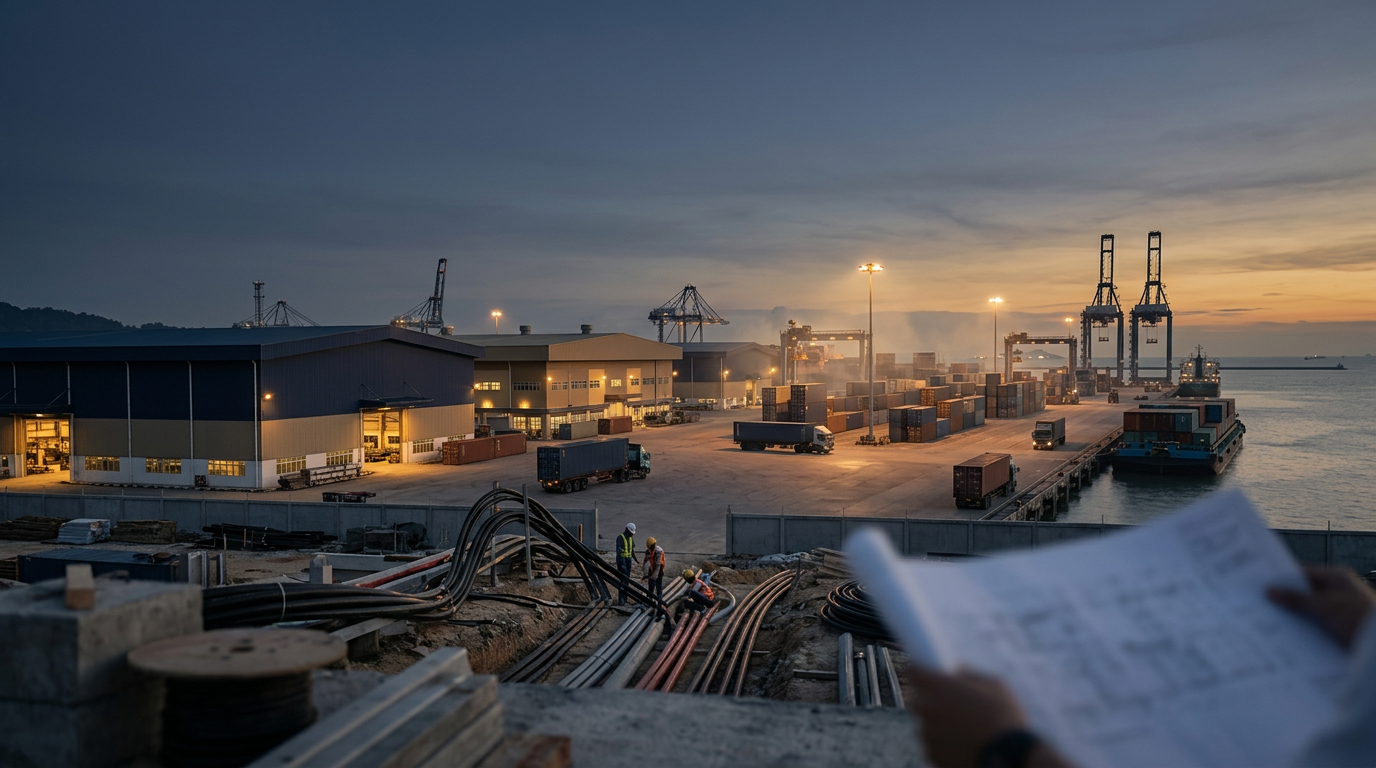
Penang's Investment Approvals Test Malaysia's Execution Capacity
Penang's RM4.9 billion in approved manufacturing investments is a strong signal of investor confidence. Yet, as ASEAN Rising highlights, the true measure of success lies in converting these approvals into operational projects through effective institutions, infrastructure, and ta