Thailand
Thailand Charges Its EV Supply Chain
Mercedes-Benz plans to manufacture the electric GLC SUV in Thailand, a move that will test the reliability of local institutions and the depth of the domestic supply chain.
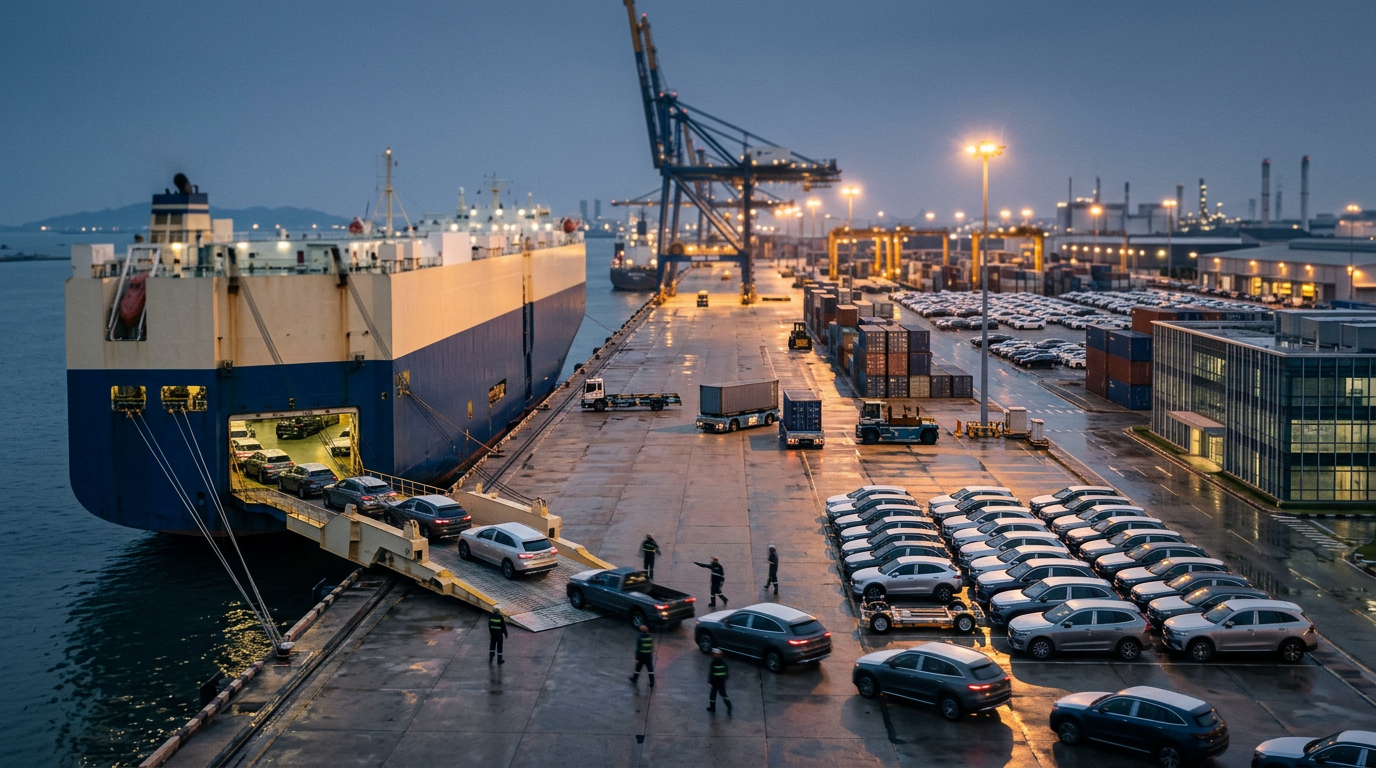
Mercedes-Benz (Thailand) will begin manufacturing its electric GLC sport utility vehicle at a local facility, according to a recent report in the Bangkok Post. The decision to use domestically sourced batteries and other components is a significant development for Thailand's ambitions to become a regional hub for electric vehicle production.
Institutions and Industrial Policy
Thailand has long been a dominant force in Southeast Asian automotive manufacturing, often called the "Detroit of the East." This success was not accidental. It was the result of decades of consistent industrial policy, investment promotion, and a focus on building a reliable ecosystem for global automakers. The government's Board of Investment (BOI) has historically played a central role in attracting and retaining foreign direct investment through a clear framework of incentives and support.
The country is now attempting to replicate this success in the electric vehicle sector. The government has introduced a new package of subsidies and tax incentives (EV 3.5) to encourage both adoption and local production of EVs. Mercedes-Benz's commitment is an early signal that this policy is gaining traction with established players. However, the transition from internal combustion engine (ICE) vehicles to EVs presents a different set of demands. It requires not just assembly lines, but also a robust supply chain for batteries, charging infrastructure, and specialized software and electronics. The institutional capacity that successfully nurtured the ICE industry must now adapt to these new, more complex requirements. As noted in "ASEAN Rising," the ability to deliver on commitments is a core part of national competitiveness. "Infrastructure that arrives on time signals more than infrastructure that is merely announced."
State Capacity and Supply Chain Execution
The decision by Mercedes-Benz to source components locally, particularly batteries, puts the spotlight on the execution capabilities of Thailand's domestic suppliers. Building an EV is fundamentally a supply chain challenge. The quality, cost, and availability of batteries are paramount. While Thailand has attracted investment from battery producers, the ability of these firms to meet the exacting standards of a premium German automaker, at scale, has yet to be proven.
This move will test the depth of the local market and the government's ability to coordinate the moving parts of a sophisticated industrial transition. Success will depend on the quiet, consistent work of regulatory bodies, customs agencies, and logistics providers. It requires a usable state that can reduce friction for businesses, rather than adding to it. The government's role extends beyond incentives to ensuring that the underlying infrastructure - both physical and regulatory - is reliable. For global manufacturers, predictability in customs clearance, energy supply, and contract enforcement is as important as any tax break. This is where state capacity is demonstrated, not in high-level announcements but in the daily business of execution.
What to watch: The key indicator of success for Thailand's EV strategy will be the performance of the domestic supply chain in the coming years. Observers should monitor the rate of local content integration in vehicles produced under the EV 3.5 scheme and the ability of Thai-based component manufacturers to win contracts with other global electric vehicle brands. The speed and reliability of the national charging network rollout will also signal the government's capacity to execute its industrial vision.