Vietnam
Vietnam: From FDI Pledges to Realised Flows
A new wave of technology investment highlights Vietnam's appeal, but turning FDI announcements into realised flows depends on the slower work of improving institutions and infrastructure.
A recent report from VietnamPlus indicates that Vietnam is attracting a new wave of technology investment, with major tech firms reportedly planning to develop high-end smartphone production in the country. This news follows a pattern of technology diversification into Southeast Asia, as global firms seek to build more resilient supply chains. While such announcements are positive for Vietnam's economic outlook, the path from pledged foreign direct investment (FDI) to tangible economic impact is complex. The ultimate success of these ventures hinges on the country's ability to translate investor interest into operational reality.
Institutions and Implementation
The gap between FDI announcements and realised investment is a persistent theme across Southeast Asia. As the book "ASEAN Rising" notes, "realised flows depend on the slower work of land, permits, power and talent reaching the ground." Vietnam has made significant strides in improving its investment climate, but challenges remain. Securing land use rights, navigating a multi-layered bureaucracy for permits, and ensuring reliable power supply are critical hurdles that can delay or derail projects. Strengthening the institutions that govern these processes is essential. This means not just creating clear regulations but ensuring they are implemented consistently and transparently at both the national and provincial levels. For complex manufacturing like smartphone production, a predictable and efficient regulatory environment is as important as the initial cost advantages.
Infrastructure and Talent
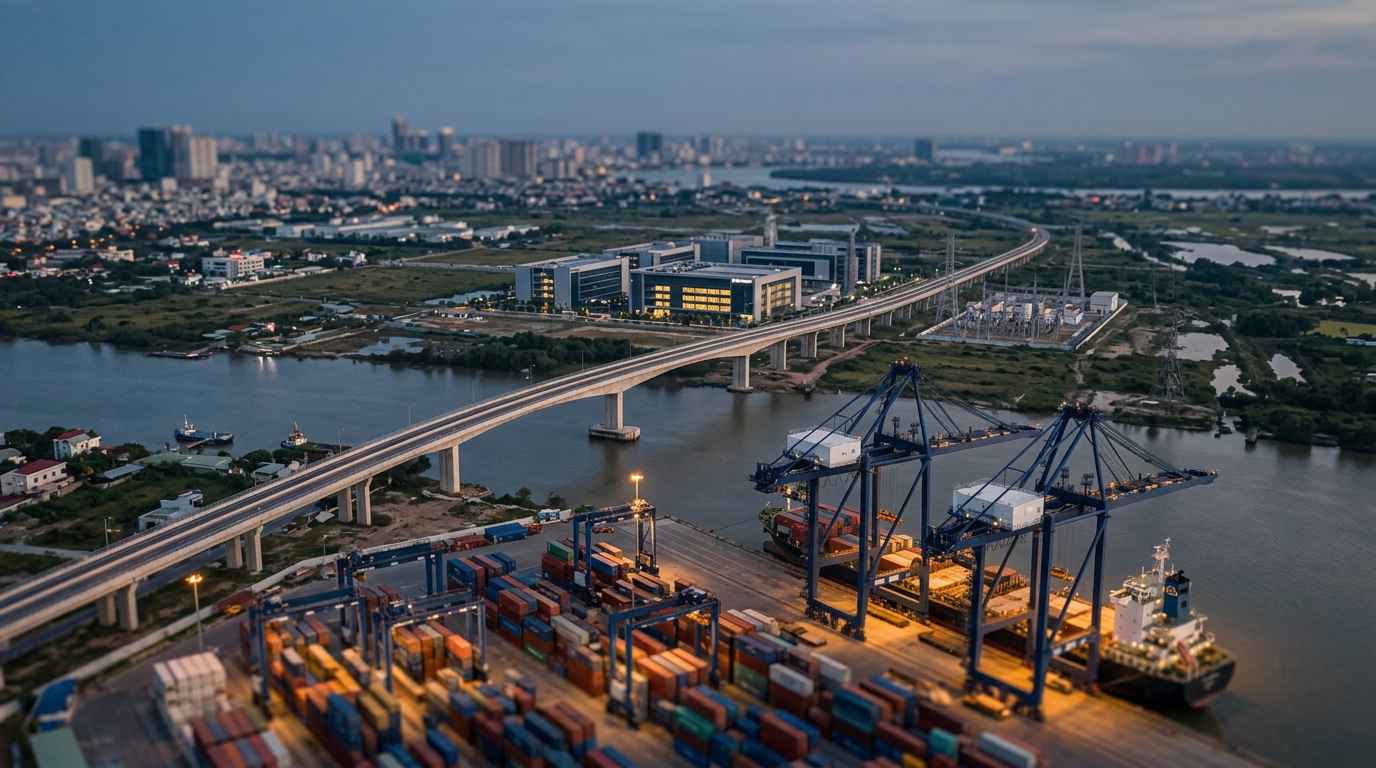
High-technology manufacturing demands more than just assembly lines. It requires robust and high-quality infrastructure, from uninterrupted power grids to high-speed logistics networks and digital connectivity. Vietnam has invested heavily in its physical infrastructure, but the demands of advanced manufacturing will test its limits. Ports, roads, and energy capacity must evolve to support just-in-time supply chains and the export of high-value goods. Beyond physical infrastructure, the development of human capital is paramount. The shift from basic assembly to the production of high-end electronics requires a workforce with advanced technical skills. This necessitates a long-term strategy for vocational training and higher education, aligning curricula with the specific needs of incoming industries. Competition for skilled engineers and technicians is already stiff across the region, and Vietnam's ability to cultivate and retain talent will be a key determinant of its success.
What to watch
The next 18-24 months will be telling. Observers should watch for progress not just in new FDI announcements, but in the on-the-ground execution of existing projects. Key indicators will include government progress on streamlining permit processes for industrial zones, investments in energy grid upgrades, and the launch of new public-private partnerships in technical training and education. The ability of Vietnam to close the gap between investment pledges and realised production will determine if it can solidify its position as a hub for complex manufacturing.