Vietnam
The Netherlands and Vietnam: FDI Ambition Meets Execution
Vietnam has attracted significant FDI announcements from Dutch firms, especially in high-tech manufacturing. The next step is translating this ambition into realised investment through institutional capacity.
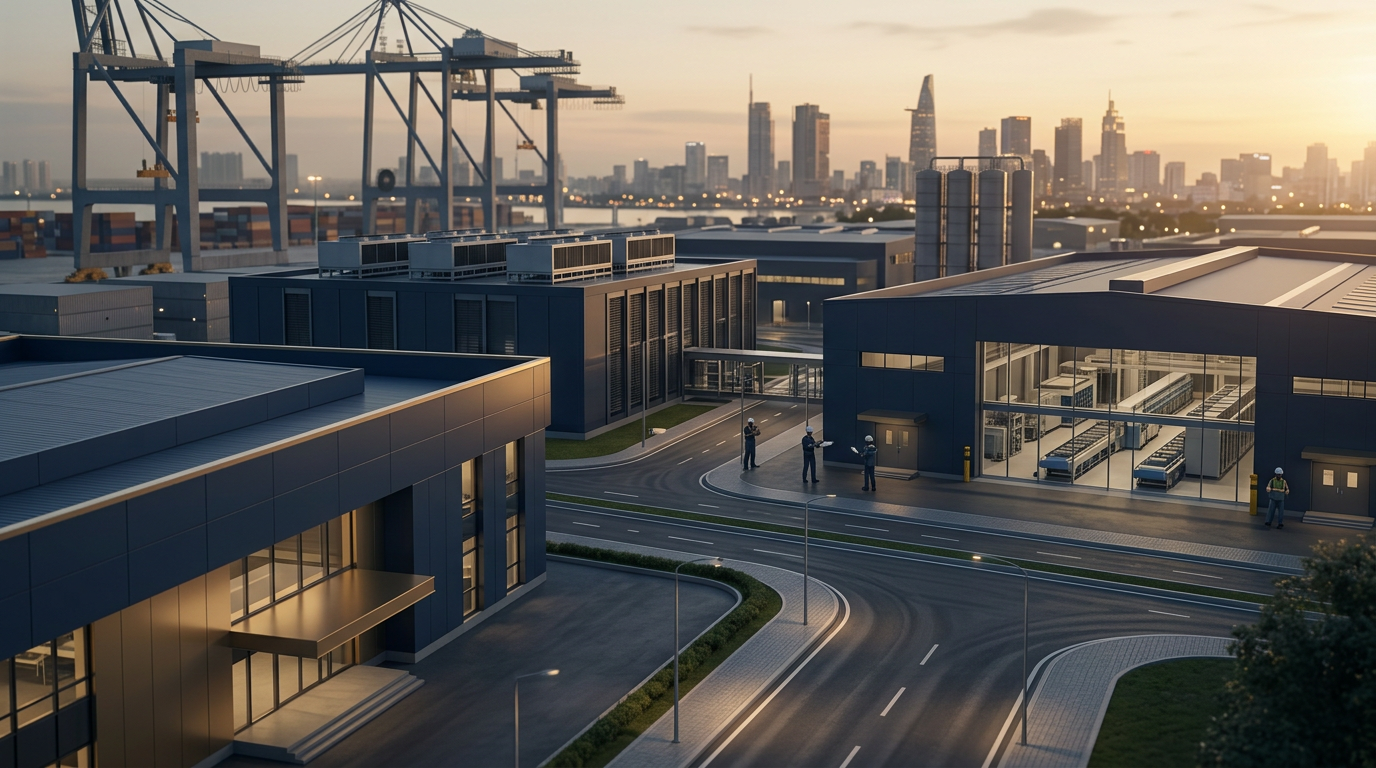
A recent meeting between Vietnam and the Netherlands to deepen manufacturing cooperation highlights a consistent theme in Vietnam's economic ascent: the successful attraction of foreign direct investment, especially in high-tech sectors. As reported by VietnamPlus, the discussions aim to build on an already strong foundation, with the Netherlands ranking as the largest EU investor in Vietnam.
This relationship is exemplified by the significant commitments from Dutch companies. High-tech firms like ASML and NXP Semiconductors are actively exploring Vietnam's ecosystem, while LEGO's US$1.3 billion carbon-neutral factory in Binh Duong province represents a landmark investment. Such announcements generate considerable excitement and reinforce Vietnam's position as a preferred destination for sophisticated manufacturing. However, as "ASEAN Rising" notes, the journey from announcement to operation is where the real work begins.
From Announcement to Realisation
Attracting multi-billion dollar investment commitments is a clear signal of investor confidence in Vietnam's potential. The government has been proactive in courting high-tech industries, leveraging its strategic location, stable political environment, and a growing network of free trade agreements. The involvement of Dutch giants in the semiconductor and advanced manufacturing industries aligns perfectly with Vietnam's strategic goals to move up the value chain.
The challenge, however, lies in the execution. While "FDI announcements travel quickly," the conversion of these announcements into tangible economic activity depends on a different set of factors. The process involves securing land, navigating complex permitting procedures, ensuring reliable power infrastructure, and developing a skilled workforce. These elements are less about grand vision and more about the persistent, detailed work of public administration and private sector collaboration.
The Institutional Test
For Vietnam, the next phase of its FDI strategy will be a test of its institutional capacity. The scale of investments from the Netherlands and other partners requires an environment that can support complex operations. This means ensuring that the legal and regulatory frameworks are not just investor-friendly on paper but are also implemented efficiently and transparently on the ground.
The LEGO factory in Binh Duong is a case in point. Its development requires coordination across multiple agencies to deliver on its sustainability promises, including the construction of an adjacent solar farm. Similarly, for semiconductor firms like ASML to deepen their engagement, they will need confidence in the local talent pipeline and the quality of supporting infrastructure. The ability of Vietnam's institutions to facilitate these complex requirements will determine the pace at which announced capital becomes "investable depth."
What to watch
As Vietnam continues to attract high-profile FDI, the key indicator to watch is the rate of realised investment. Observers should monitor the progress of major projects like the LEGO factory and the expansion plans of high-tech firms. The government's ability to streamline administrative processes, invest in energy infrastructure, and execute on its workforce development programs will determine if the current wave of investor enthusiasm translates into a durable competitive advantage in the global manufacturing landscape.