Malaysia
Penang's Investment Approvals Test Malaysia's Execution Capacity
Penang's RM4.9 billion in approved manufacturing investments is a strong signal of investor confidence. Yet, as ASEAN Rising highlights, the true measure of success lies in converting these approvals into operational projects through effective institutions, infrastructure, and ta
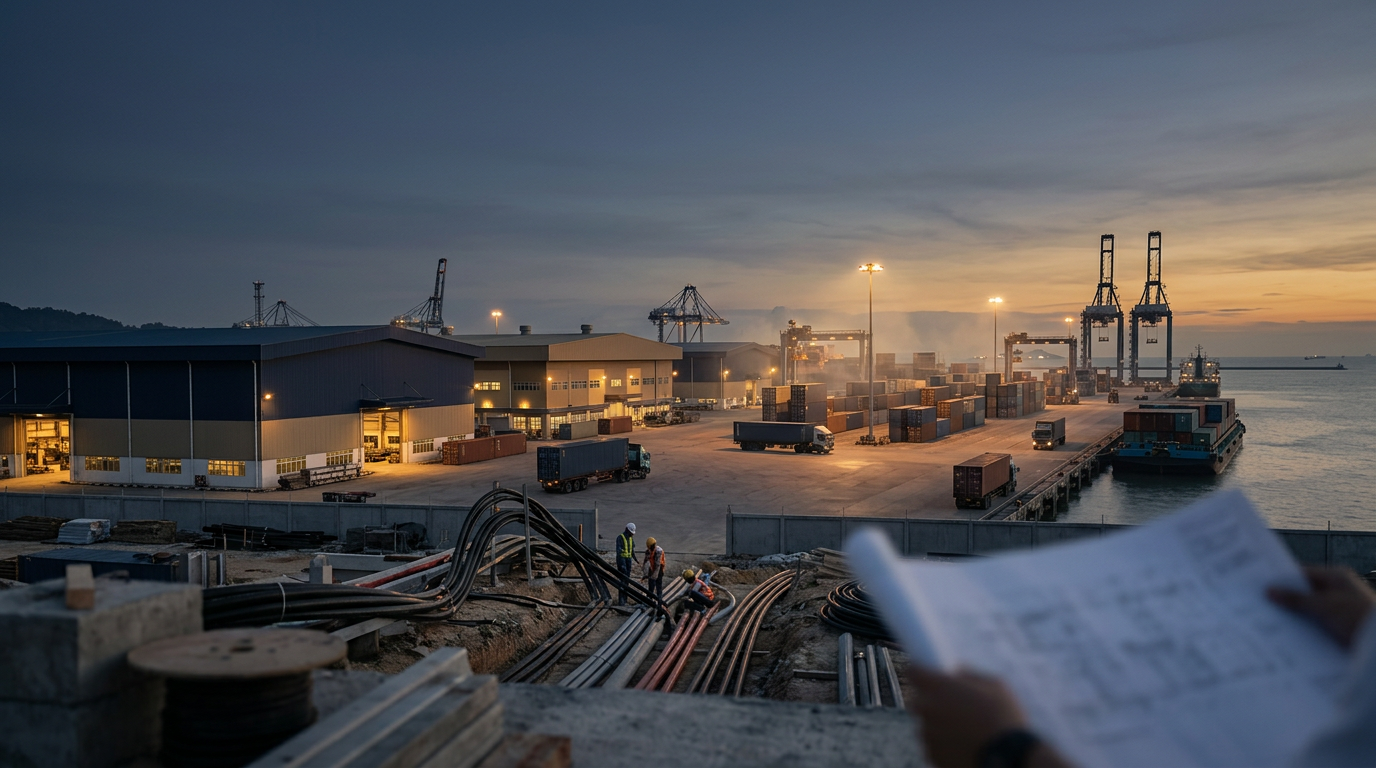
Penang secured RM4.9 billion in approved manufacturing investments in the first quarter of 2026, making it the second-highest-ranking state in Malaysia for such investments. The news from Penang, reported by The Edge Malaysia, is a positive indicator for Malaysia's industrial sector. An influx of RM4.9 billion in approved manufacturing investments suggests continued investor confidence. However, the journey from an approved investment on paper to a functioning facility on the ground is long and complex. This distinction between announced commitments and tangible outcomes is a central theme in industrial policy across the Association of Southeast Asian Nations (ASEAN) .
From Approvals to Operations
Investment approvals generate positive headlines, but successful projects require a robust ecosystem to nurture them from conception to completion. The real work begins after the announcements are made. A core argument in ASEAN Rising is that an economy's capacity to absorb capital is what ultimately determines its growth trajectory. As the book states, "Realised flows depend on the slower work of land, permits, power and talent reaching the ground."
This is the core execution challenge. For Penang, this means ensuring that its industrial parks possess the necessary infrastructure to support advanced manufacturing. It involves straightforward, yet often difficult, tasks such as guaranteeing a stable power grid, providing sufficient water supply, and building a logistics network that can handle the increased volume of raw materials and finished goods efficiently. Failure in any of these areas can lead to delays and cost overruns, eroding investor returns and damaging the state's reputation.
Penang's Institutional Edge
Penang's consistent success in attracting and retaining manufacturing investment is not accidental. It is the result of decades of focus on building institutional capacity. Agencies like InvestPenang and the Penang Development Corporation have a long and successful track record. They act as a crucial interface for investors, helping them navigate the complex web of regulatory requirements, from land acquisition to business licensing and environmental permits.
This institutional framework builds the trust necessary for large-scale, long-term capital commitments. When investors know there is a competent and reliable local partner to help them resolve issues, their perceived risk declines. This is a practical example of how good governance and effective institutions can translate directly into economic depth and resilience. Penang's ability to execute has historically set it apart from other locations that may offer cheaper land or labor but lack the institutional maturity to deliver projects on time and on budget.
The Talent Question
While Penang has a strong industrial base, the scale and sophistication of new investments will test its talent pipeline. The sustained demand for skilled engineers, technicians, and factory managers, particularly in the competitive electronics and semiconductor sectors, presents a significant bottleneck. The availability of a qualified workforce is a primary concern for any company establishing advanced manufacturing operations.
Addressing this requires a concerted effort between the state government, industry players, and academic institutions. The development of specialized curricula in local universities and vocational institutes, as well as programs to upskill the existing workforce, are necessary to meet the demand. The long-term sustainability of Penang's industrial growth depends heavily on its ability to cultivate and attract the right human capital.
What to watch
Moving beyond the headline number, the key metric to observe over the next 18-24 months will be the conversion rate of these approved investments into operational facilities and the number of high-quality jobs created. Observers should monitor the progress of infrastructure upgrades meant to support new industrial sites. The effectiveness of talent development initiatives in meeting the specific needs of incoming investors will also be a clear indicator of whether Penang can maintain its competitive advantage in a region where every economy is competing for the same pool of high-value capital.