Vietnam
Samsung's Vietnam Profits Highlight the FDI-to-Growth Pipeline
A surge in profitability at Samsung's Vietnam plants highlights the difference between announced and realised FDI. The lesson is not about any single country, but about the institutional capacity required to convert investment promises into economic reality, a core theme of.
Samsung's four major factories in Vietnam reported a combined profit of over $2.3 billion in the first half of 2026, a significant turnaround driven by global demand for AI-related components. As reported by VietnamNet, this resurgence in profitability for the electronics giant's Vietnamese operations follows a period of lower performance and underscores the country's established position in the global electronics supply chain. The news serves as a useful reminder of what it takes to convert foreign direct investment (FDI) from headline announcements into tangible economic output and employment.
From Announcement to Operation
The journey from an FDI pledge to a functioning, profitable factory is long and requires a supportive ecosystem. Vietnam's success with Samsung, a relationship built over more than a decade, demonstrates the importance of institutional execution. Foreign investors look for predictability and reliability. As the book ASEAN Rising notes, "FDI announcements travel quickly. Realised flows depend on the slower work of land, permits,power and talent reaching the ground." This process involves securing industrial land with clear title, navigating a transparent and efficient permitting process, ensuring access to reliable and competitively priced electricity, and developing a sufficiently skilled local workforce. The consistent performance of Samsung's Vietnam facilities points to the country's relative strengths in these foundational areas. The initial investments made years ago are now mature operations capable of capitalizing on shifts in global technology demand, such as the current boom in AI.
The Role of Infrastructure
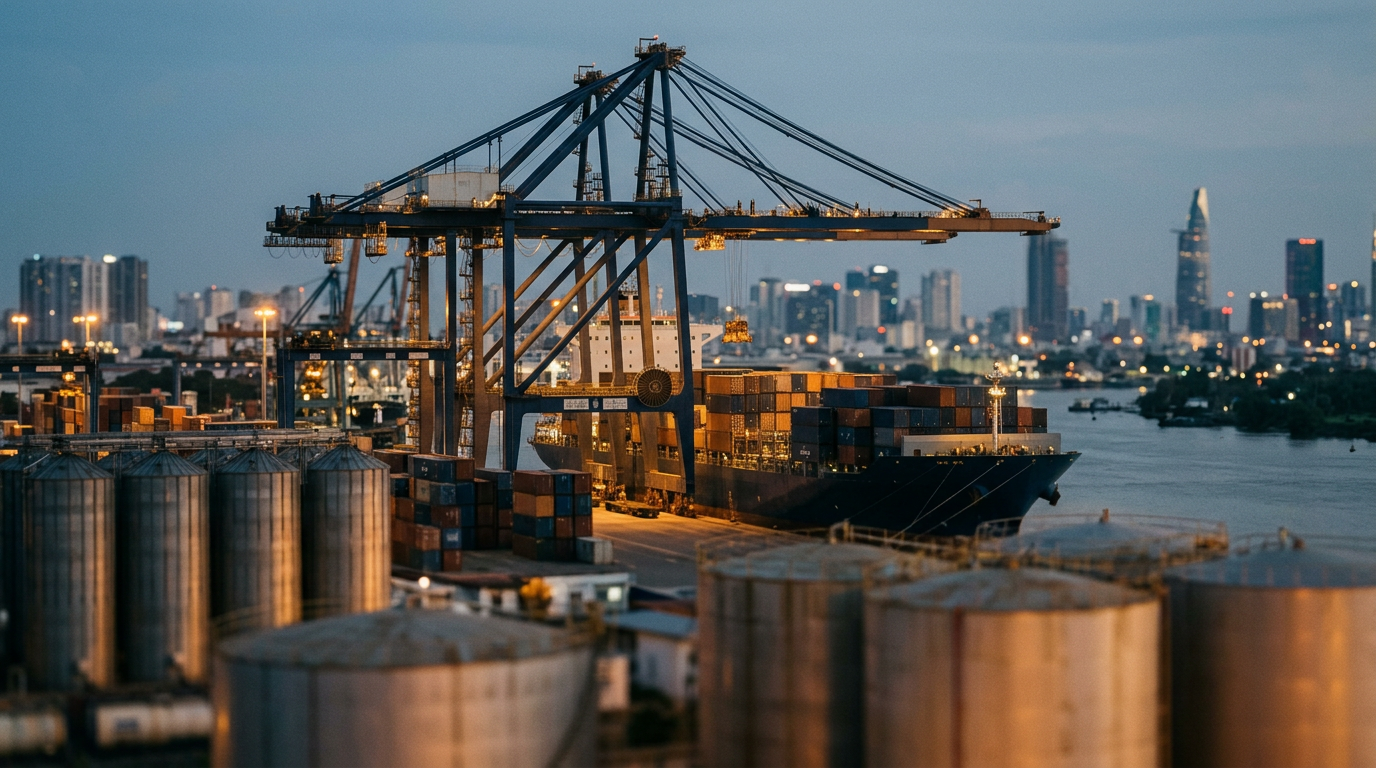
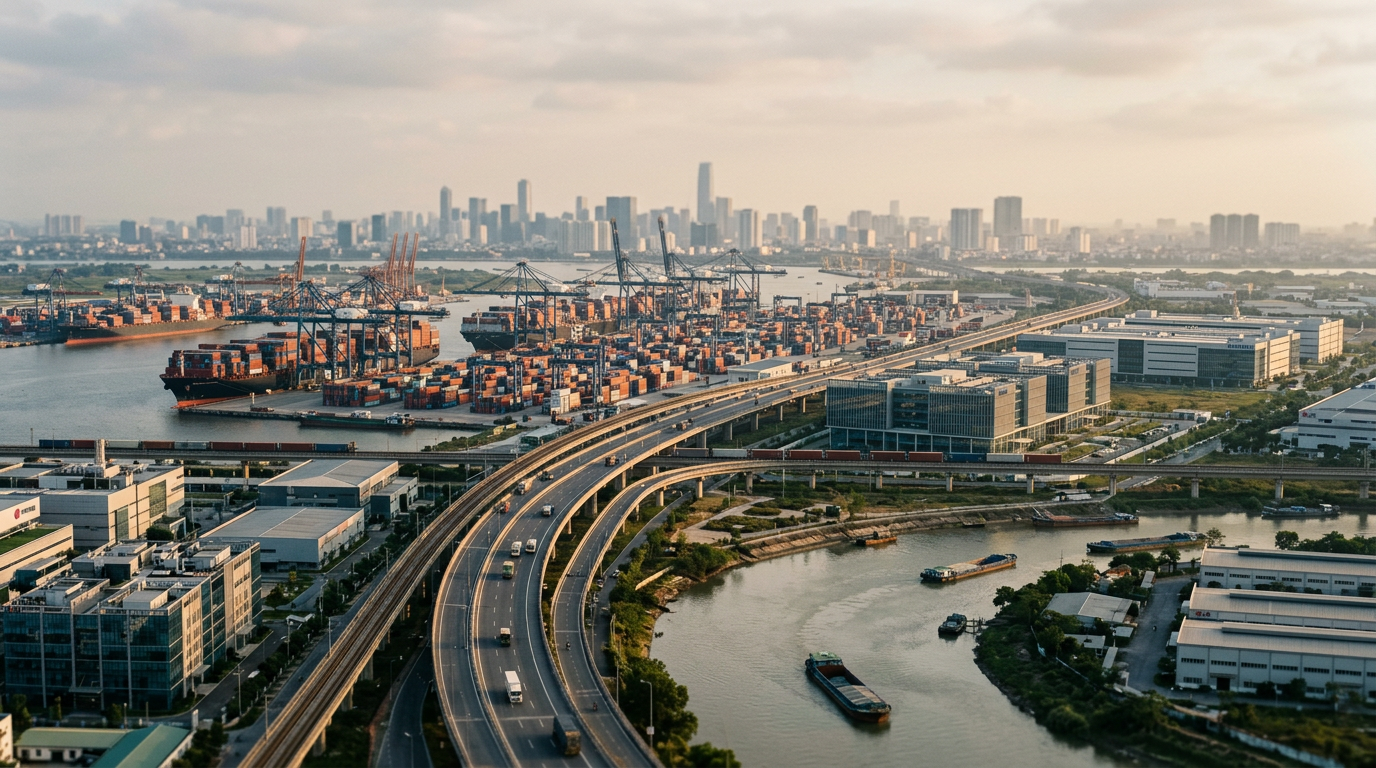
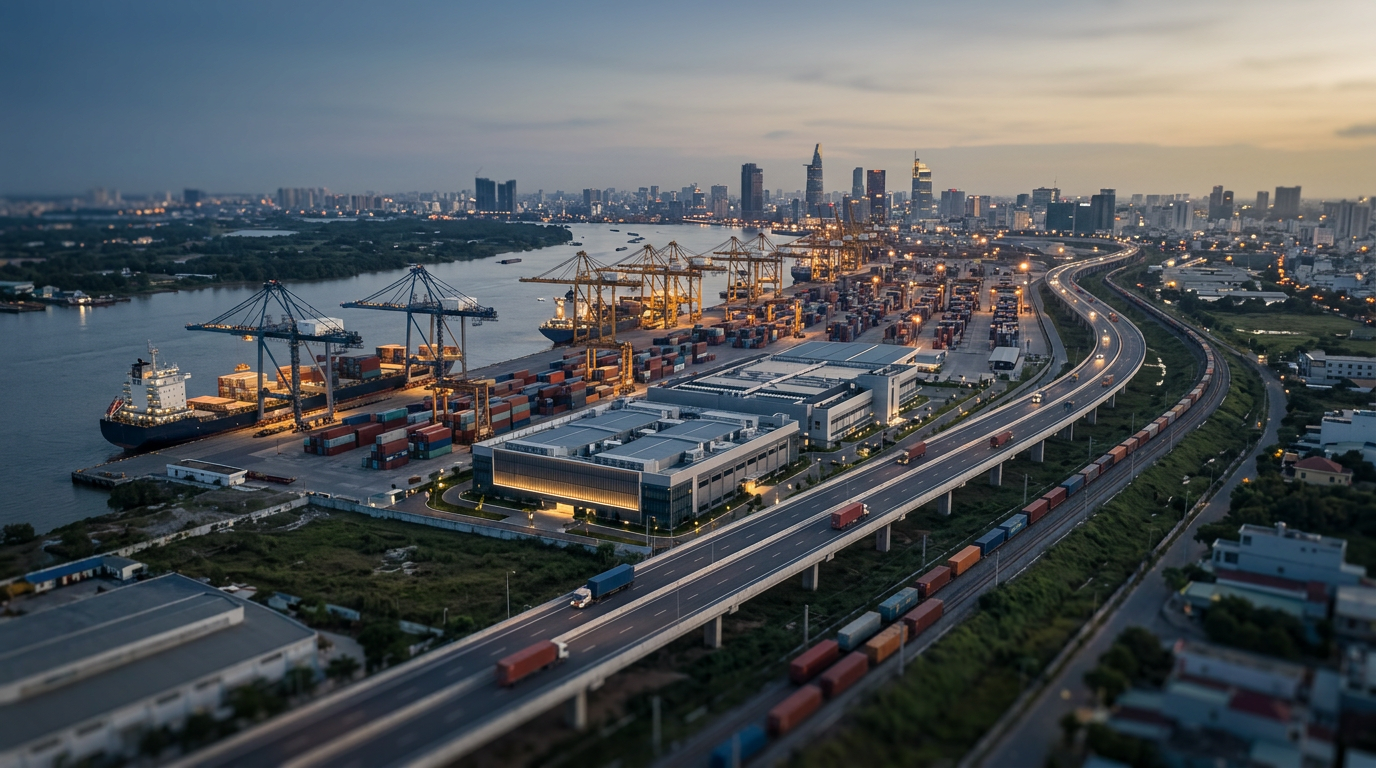
Sustaining large-scale manufacturing operations requires more than just a factory floor. It depends on a robust network of physical infrastructure. The ability to move components in and finished goods out relies on efficient ports, airports, and road networks. Samsung's export-oriented model in Vietnam would not be viable without the country's significant and ongoing investments in logistics infrastructure. This physical capital underpins the entire value proposition for export-focused FDI. Furthermore, digital infrastructure is equally important. High-speed connectivity is not a luxury but a core requirement for modern manufacturing, enabling real-time data analysis, supply chain management, and integration into global corporate networks. The profitability of these high-tech plants is a direct reflection of the quality of the infrastructure that supports them.
Building Human Capital
A factory, however advanced, cannot run without people. The availability of a large, disciplined, and trainable workforce has long been a key attraction for investors in Vietnam and across ASEAN. However, as manufacturing becomes more technologically sophisticated, the nature of the required talent evolves. The demand for engineers, technicians, and skilled operators grows. This requires a long-term commitment to education and vocational training. The success of Samsung's ventures is tied to the availability of local talent that can manage complex production processes. For ASEAN nations, the challenge is to continuously upgrade their human capital to meet the demands of higher-value manufacturing and services. This involves aligning educational curricula with industry needs and fostering a culture of lifelong learning to keep pace with technological change.
What to watch: The key indicator of success is not just the value of new FDI announcements but the performance and expansion of existing investments. Observers should monitor how ASEAN governments are improving the non-headline aspects of the investment climate: the speed of business registration, the reliability of the power grid, investments in logistics, and the alignment of university and vocational training programs with the needs of advanced manufacturing. These are the factors that determine whether today's investment pledges become tomorrow's profitable, job-creating enterprises.