Malaysia
Malaysia's FDI Record: Execution Makes the Difference
Foreign direct investment announcements are easy to make. Turning them into productive assets on the ground is the harder part that truly drives economic growth.
A recent announcement by Mondelez International highlights its new RM90 million investment in a "Crumb Tower" at its Cadbury Confectionery manufacturing facility in Shah Alam, Malaysia. According to a report from Bernama, this expansion is part of a cumulative RM235 million that the multinational has invested in its Malaysian operations since 2014. While the headline figure is modest, the project illustrates a larger pattern in the ASEAN region: the conversion of investment pledges into tangible assets depends on execution.
From Pledge to Production
Foreign direct investment (FDI) often arrives in stages. An initial announcement signals intent and generates positive headlines. However, the actual economic impact comes from "realised flows," as noted in the book ASEAN Rising. This is the phase where capital is deployed to acquire land, secure permits, establish reliable power supplies, and hire and train a workforce. It is this slower, more complex work that transforms a press release into a productive facility.
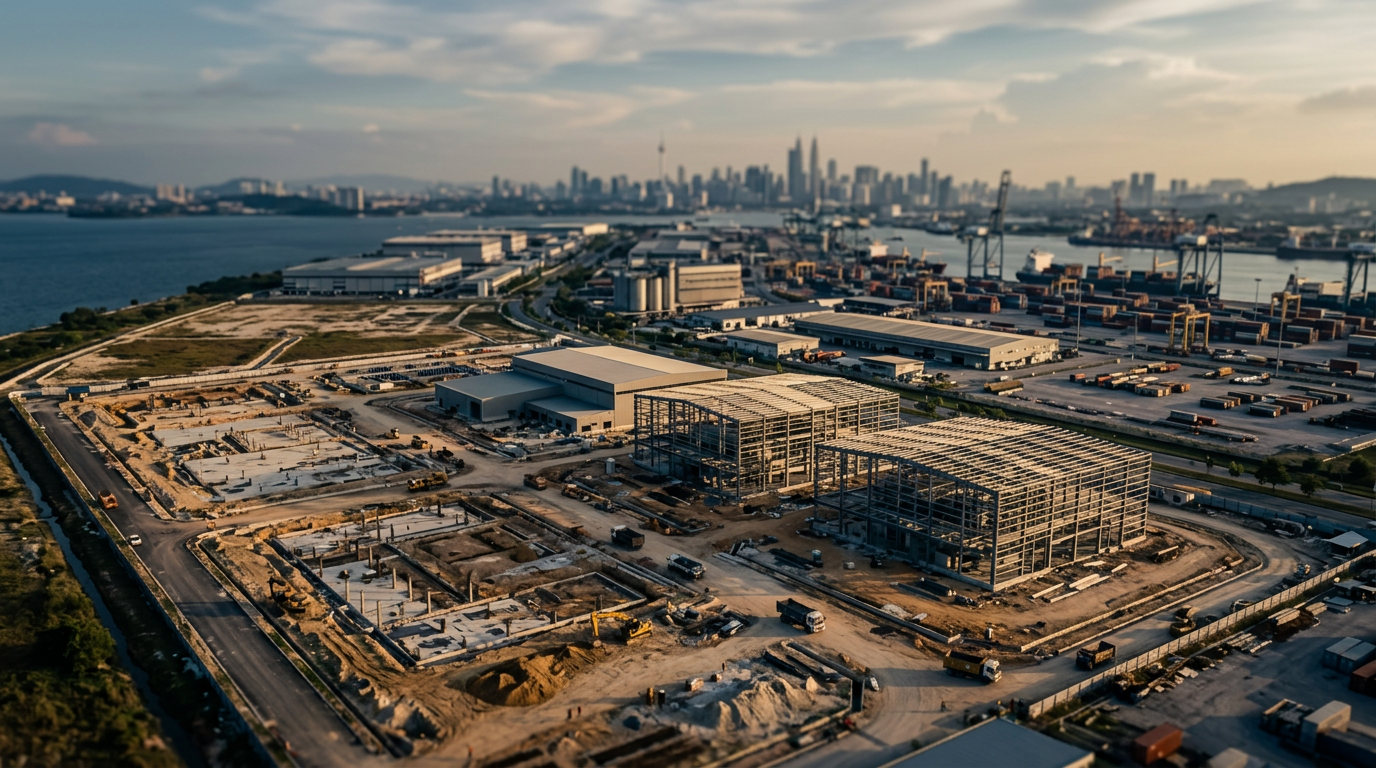
The Mondelez investment, while focused on a specific component of its chocolate manufacturing process, serves as a case study. The decision to expand an existing plant rather than build a new one often streamlines the process. The company already has a footprint, established relationships with local authorities in Shah Alam, and an existing workforce. This allows it to bypass some of the most time-consuming hurdles that can stall greenfield projects, enabling a smoother path from investment decision to operational reality. The success of such projects reinforces a location's reputation for being a reliable place to do business, attracting further investment.
Institutions and Infrastructure
The ability to execute on investment pledges is not accidental. It relies on the quality of a country's institutions and the readiness of its infrastructure. For a manufacturer like Mondelez, this means predictable regulations from bodies like the Malaysian Investment Development Authority (MIDA), clear land title processes, and dependable logistics to move raw materials and finished goods. The company's continued investment in its Prai and Shah Alam locations suggests that the institutional framework and infrastructure in these industrial zones meet its operational needs.
As the book ASEAN Rising argues, scale in itself is not enough; it must be matched with institutional capacity to create "investable depth." Malaysia has long competed for FDI by positioning itself as an efficient and stable hub within ASEAN. Investments like the Mondelez expansion are a direct reflection of this strategy. The project depends on a network of suppliers, consistent energy from providers like Tenaga Nasional Berhad, and access to a workforce with the right technical skills. The presence of these elements reduces friction and gives investors the confidence to deploy capital.
Talent and Trust
Ultimately, FDI is an act of trust. A company entrusts its capital to a host country's ability to provide a stable and predictable operating environment. Part of that trust is in the local talent pool. The new Crumb Tower will create jobs and require skilled technicians to operate and maintain the facility. The success of this investment is therefore tied to the availability of trained Malaysian workers.
Malaysia has invested significantly in technical and vocational education and training (TVET) programs to build a skilled industrial workforce. The Mondelez project, though small in the national context, relies on the output of this system. For any foreign investor, the ability to hire locally for skilled positions is a significant advantage, reducing costs and embedding the company more deeply into the local economy. This creates a virtuous cycle where successful investments build investor confidence, justify further educational development, and foster a base of experienced talent. What to watch
Observe whether Malaysia can continue to translate its pipeline of approved FDI, which stands at RM83.7 billion for the first quarter of 2024, into realized projects at a steady pace. Pay attention to the performance of federal and state investment promotion agencies in resolving bottlenecks related to infrastructure and skilled labor. The speed and efficiency with which these announced investments are converted into operational businesses will be a key indicator of the country's institutional effectiveness and long-term competitiveness in the region.