Vietnam
Vietnam's FDI Quality Push Tests Institutional Capacity
Vietnam's headline FDI figures are impressive, but its ambition to attract high-tech investment hinges on the ability of its institutions to translate announcements into functioning operations.
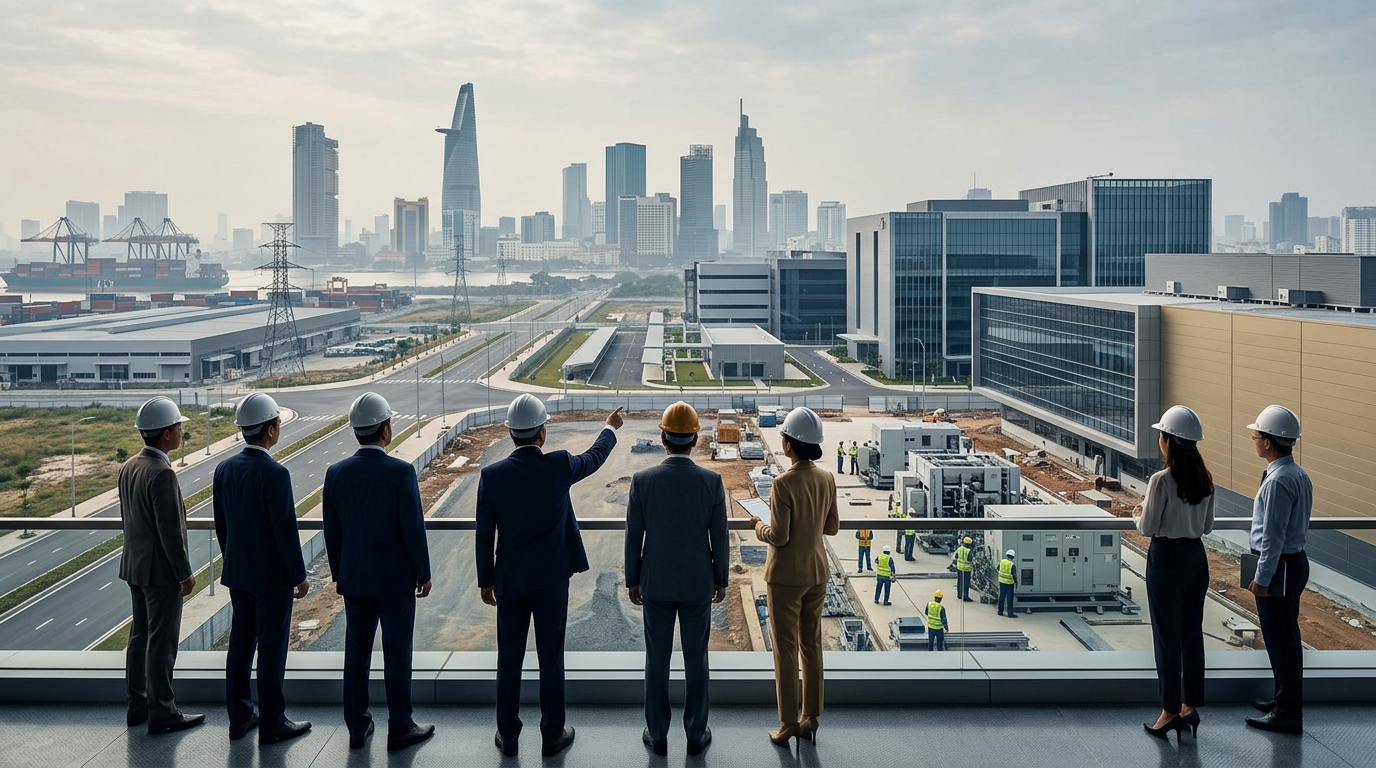
A recent government report highlights Vietnam's success in attracting capital, with over US$38 billion in registered foreign direct investment (FDI) in the first seven months of 2026. According to a report from VietnamPlus, this represents a nearly 58% increase year-on-year, driven by a strategic push for higher-quality, large-scale projects under its Resolution 10. While the numbers signal confidence in the Vietnamese market, they also mark the beginning of a more difficult phase: turning investment pledges into productive, on-the-ground assets.
From Pledges to Production
Attracting multi-billion dollar investment commitments is a significant achievement, but registered capital is not the same as disbursed capital. The former is an intention to invest; the latter is money actually spent on facilities, equipment, and wages. The journey from a memorandum of understanding to a fully operational factory is long and depends on a government's ability to execute. This is a recurring theme across developing economies that seek to move up the value chain.
The core of the issue is that capital commitments can be made quickly, while the groundwork for making those investments successful takes time. As the book ASEAN Rising notes in its analysis of regional investment patterns, "Realised flows depend on the slower work of land, permits, power and talent reaching the ground." Vietnam's success will be measured not by the volume of announcements, but by the efficiency with which its bureaucracy can facilitate these complex requirements. For investors in high-value sectors, the predictability of these processes is a primary determinant of where they deploy their funds.
The Demands of High-Tech
Vietnam's focus on attracting high-tech industries intensifies this test of institutional capacity. Basic manufacturing and assembly can tolerate certain logistical imperfections. Advanced manufacturing, semiconductor production, and other technology-intensive operations cannot. These industries require more than just a willing workforce; they demand specific, often sophisticated, enabling conditions.
First is the matter of infrastructure. High-tech facilities require uninterrupted, high-quality power, something that has been a concern in parts of Vietnam during periods of peak demand. They also depend on efficient, multi-modal logistics to connect to global supply chains. Second is the talent pipeline. A high-tech ecosystem needs more than assembly-line workers; it requires a steady supply of technicians, engineers, and researchers with specialized skills. Developing this human capital is a long-term project involving sustained investment in education and vocational training.
Finally, the regulatory environment itself must be up to the task. Securing land-use rights, construction permits, and the various licenses needed for a complex industrial project can be a lengthy process. For high-tech investors, time is a competitive factor. An efficient, transparent, and predictable administrative process builds the trust necessary for them to commit the substantial capital these projects require.
What to watch
As Vietnam pursues its FDI goals under Resolution 10, the headline figures for registered capital will be less instructive than the data on disbursement rates. Observers should monitor the progress of specific large-scale projects and whether they meet their announced timelines for construction and operation. The government's ability to ensure a stable power supply, particularly for industrial zones in the north, and its initiatives to upgrade workforce skills will be direct indicators of its capacity to support the high-tech industries it seeks to attract. The true measure of success will be operational factories, not just investment certificates.