Vietnam
Vietnam, Samsung, and the Usable State
Samsung's strong profit report from its Vietnam operations is a useful reminder that a usable state is often more valuable than an exciting one.
Samsung's recent financial disclosures highlight the sustained profitability of its Vietnam operations, with its four factories reporting a combined profit of US$2.31 billion in the first half of the year, a 23.5% year-on-year increase. As reported by e.vnexpress.net, this performance is a direct reflection of the country's successful attraction of high-value manufacturing and its integration into global supply chains.
Institutions and Foreign Investment
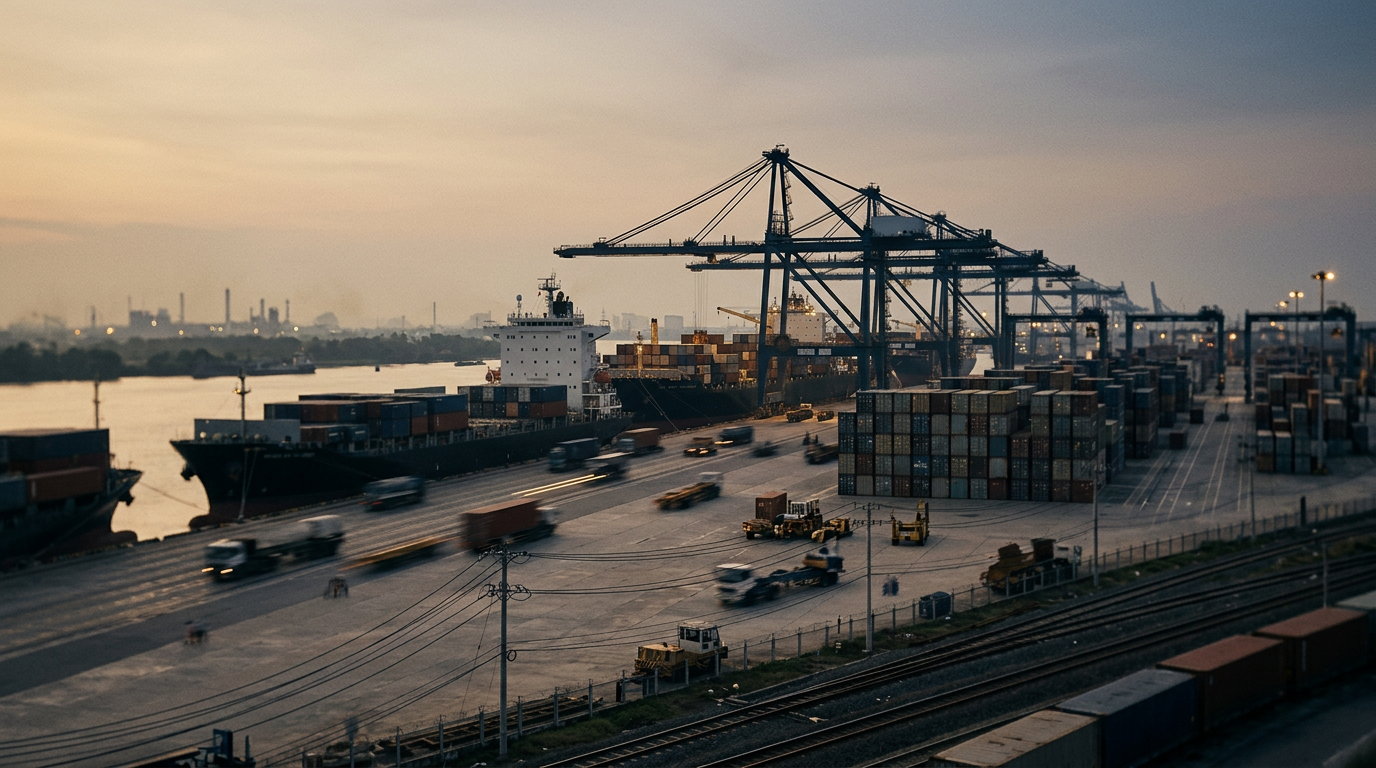
Attracting and retaining a company like Samsung is not accidental. It requires a state apparatus that can deliver on its promises and provide a predictable environment for long-term investment. While Vietnam may not always generate flashy headlines, its administrative and institutional capacity has proven to be a significant competitive advantage. The ability to execute on infrastructure projects, manage industrial zones, and ensure a stable operating environment is a powerful draw for multinational corporations that prioritize reliability and efficiency in their global footprint. This quiet competence is a form of national strength.
The Value of Execution
The relationship between Vietnam and Samsung illustrates a core theme from the book ASEAN Rising: the growing importance of institutional reliability. The country has focused on building a "usable state" that can translate policy into practice. This is not just about announcing new initiatives, but about the less glamorous work of implementation. As the book notes, "Infrastructure that arrives on time signals more than infrastructure that is merely announced." By providing a foundation of dependable logistics, power, and administrative processes, Vietnam has made itself an indispensable node in the world's most sophisticated manufacturing networks. This focus on execution lowers the friction costs for businesses, making the country a preferred destination for capital.
From Assembly to High-Value Production
The Samsung case is also a story of economic evolution. What began as a strategy focused on lower-cost assembly has matured into a more complex partnership involving research and development, as well as the production of high-value components. This shift would be impossible without a corresponding evolution in Vietnam's state capacity. Managing a more sophisticated economic portfolio requires more than just basic infrastructure; it demands a regulatory framework that is both stable and adaptable, a workforce that is continually upskilled, and a commitment to protecting the intellectual property that underpins next-generation technology. The success of Samsung's venture is a testament to Vietnam's ability to meet these evolving demands.
What to watch next is whether Vietnam can replicate this success across other high-tech sectors and how it navigates the increasing competition from other ASEAN member states that are keen to follow its playbook. The ability to maintain institutional quality while managing the pressures of rapid growth and wage inflation will be central to the next phase of its economic development. The ongoing performance of its key foreign investors will serve as a clear barometer of its progress.