Philippines
The Philippines' Data Industrial Complex
Toshiba's expansion of its hard disk drive manufacturing in the Philippines is a positive indicator, but the long-term success of the country's industrial ambitions depends on a deeper integration of infrastructure, talent, and institutional execution.
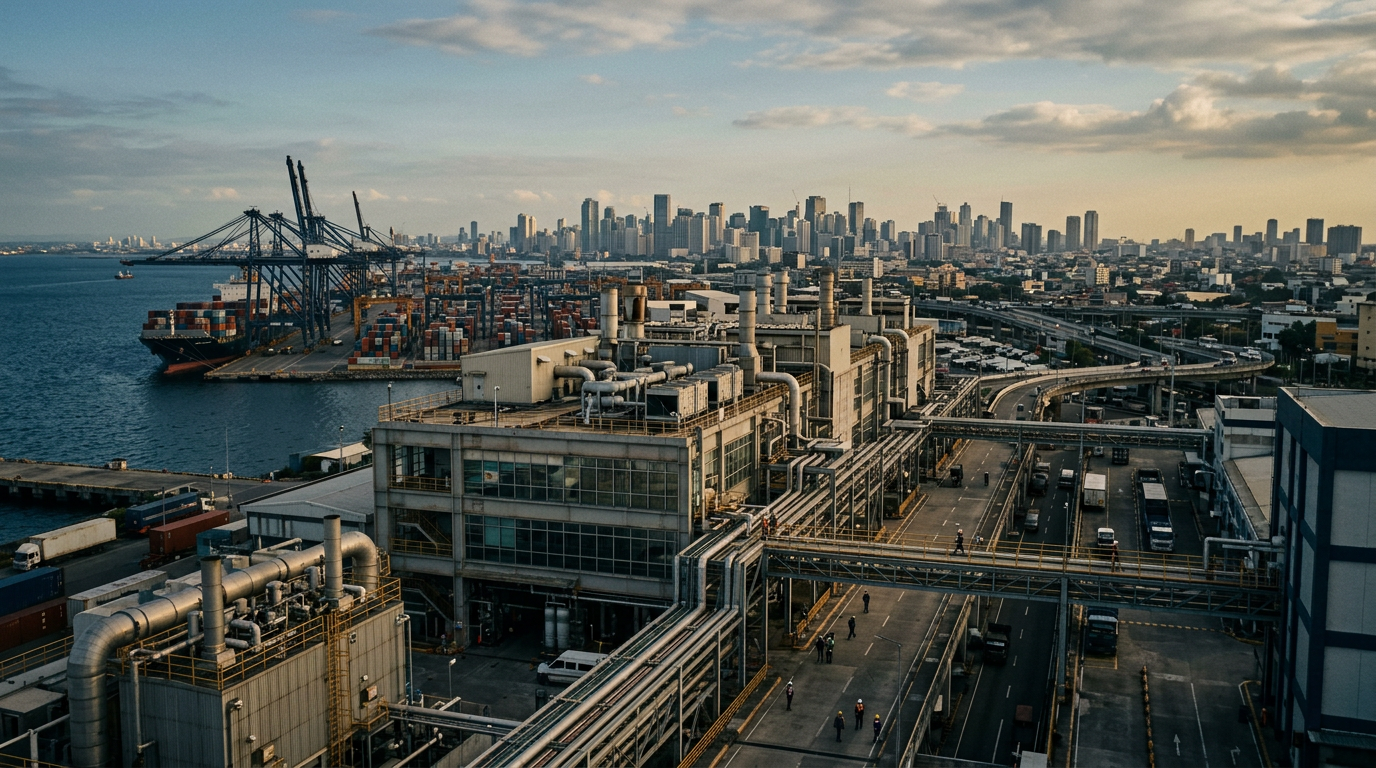
Toshiba is expanding its hard disk drive manufacturing operations in the Philippines, a move projected to create 3,000 jobs and bolster the country's position in the global data storage supply chain. As reported by philstar.com, this investment highlights the Philippines' established strengths in electronics assembly and its deep pool of skilled labor.
The expansion is a welcome development, signaling confidence in the country's manufacturing sector. However, for this single investment to become part of a larger, more durable industrial strategy, it must be supported by a coordinated approach that goes beyond simply attracting foreign capital. The real measure of success will be the Philippines' ability to build a comprehensive ecosystem around such investments.
Infrastructure and Execution
The long-term value of industrial investments like Toshiba's hinges on the quality of surrounding infrastructure. It is not enough to have a capable workforce; there must be reliable power, efficient logistics, and robust digital connectivity to support advanced manufacturing. As outlined in "ASEAN Rising", the seamless integration of utilities, transport, and planning is what attracts and sustains high-value industrial projects. Without this, operations face bottlenecks that can erode cost advantages.
For the Philippines, this means ensuring that the new Toshiba facility, and others like it, are not isolated islands of efficiency. The government's execution on infrastructure projects-from upgrading ports and roads to ensuring a stable and competitively priced energy supply-is fundamental. "Capital coordination is itself an industrial input," and the lack of it can impede even the most promising ventures.
From Assembly to Ecosystem
Toshiba's focus on hard disk drives is significant. While solid-state drives (SSDs) dominate consumer electronics, hard disk drives remain the backbone of the hyperscale data centers that power the cloud. The Philippines has an opportunity to move up the value chain from simple assembly to becoming a more integrated part of the data infrastructure economy. This requires a deliberate focus on developing local suppliers and fostering talent not just for the production line, but for roles in engineering, logistics, and management.
Building this ecosystem is a task of institutional capacity. It involves collaboration between government agencies responsible for trade, infrastructure, and education. Educational institutions must align their curricula with the needs of modern manufacturing, producing graduates with skills in areas like automation, data analytics, and supply chain management. The goal is to create a self-reinforcing cycle where investment cultivates local talent, which in turn attracts more sophisticated investment. What to watch
Observers should monitor the execution of infrastructure projects that directly support the country's industrial zones, particularly in energy and logistics. The degree to which local small and medium-sized enterprises are integrated into the supply chains of multinational manufacturers like Toshiba will be a key indicator of progress. Finally, look for evidence of curriculum development and vocational training programs specifically designed to support the country's ambitions in the data storage and broader electronics sectors.