Vietnam
Vietnam's Semiconductor Ambitions Test Its Institutional Capacity
Vietnam is making a concerted push into the semiconductor industry, but its success will depend on its ability to translate ambitious plans into on-the-ground execution. Can the country's institutions build the necessary infrastructure and talent base?
A recent report from Vietnam News highlights Vietnam's growing role in global semiconductor value chains. The country is attracting attention from major international firms and aims to train tens of thousands of engineers by 2030, signaling a clear intent to move up the manufacturing value chain. While this ambition is significant, the path from announcement to industrial reality requires a focus on institutional execution.
From Ambition to Execution
Vietnam has successfully established itself as a hub for electronics assembly, particularly in mobile phones. This has provided a foundation of manufacturing expertise and familiarity with complex global supply chains. The government's current push into semiconductors, a more capital-intensive and technologically demanding sector, represents a logical next step in its industrial strategy. This involves not only attracting foreign direct investment (FDI) but also developing the domestic capacity to support and sustain this high-tech industry.
The core challenge lies in implementation. As the book "ASEAN Rising" notes, for any large economy, "scale matters only when institutions can turn it into investable depth." The headline-grabbing announcements of new fabrication plants and design centers are only the first step. The success of these projects depends on the less glamorous, slower work of securing land, navigating permit approvals, ensuring reliable power supplies, and cultivating a skilled workforce. This is where institutional capacity is truly tested.
Building the Foundations
Vietnam's strategy rests on several pillars. One is the development of human capital. The plan to train 50,000 engineers for the semiconductor industry by 2030 is ambitious and necessary. Success will require a coordinated effort between government ministries, universities, and the private sector to create relevant curricula and training programs. International partnerships with firms like Synopsys and Cadence are a positive step in this direction, providing access to essential design tools and expertise.
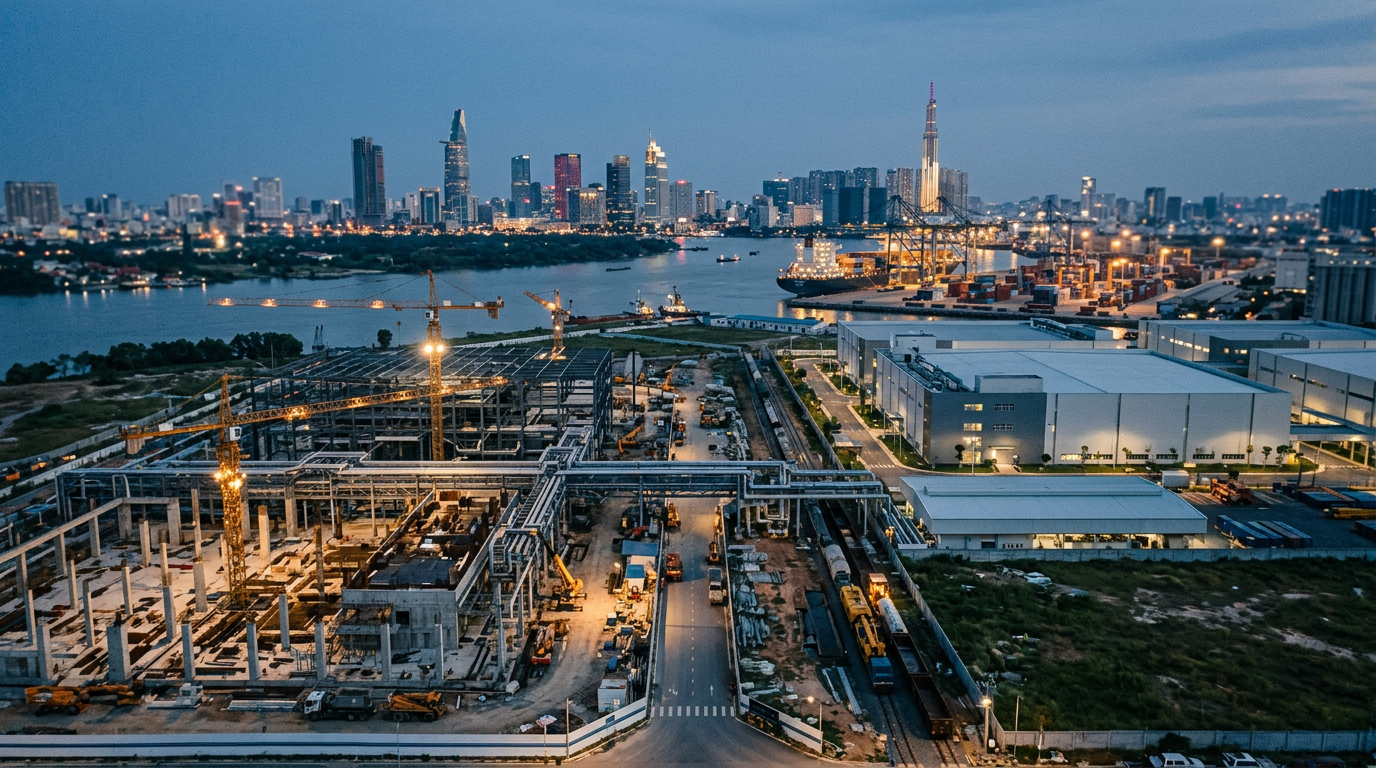
Another pillar is infrastructure. Semiconductor manufacturing requires immense and stable supplies of electricity and water, along with robust logistics and digital connectivity. While Vietnam has made strides in infrastructure development, the specific demands of this industry will require targeted investment and upgrades. Ensuring that power grids and transport networks can support these advanced manufacturing facilities is a practical test of the country's planning and execution capabilities. The ability of institutions to deliver these essential services will be a determining factor in whether announced FDI translates into operational factories.
What to watch: The key indicators of Vietnam's progress will not be the initial investment announcements but the rate of their implementation. Observers should monitor the development of specialized training programs in Vietnamese universities, the progress of infrastructure upgrades in designated high-tech parks, and the reported experiences of foreign firms in navigating the country's administrative processes. The gap between announced FDI and realized investment will be a telling measure of institutional effectiveness.