
ASEAN Analysis & Commentary
Every analysis published on ASEAN Rising is sourced, datestamped and signed. We're more interested in being right in 12 months than first in 12 minutes.
Foundation pieces
Start here. The three pieces below set out the lens ASEAN Rising uses to read every story.
ASEAN Rising's core lens. Execution Economics is the study of whether countries, companies and institutions can convert obvious potential into delivered outcomes - and which six pillars decide the answer.
The region has capital, demographics, location and policy ambition. None of that has ever been the binding constraint. The next decade is an execution test, not a potential test - and it is already being scored.
Malaysia is the test case for whether ASEAN's middle powers can turn FDI, semiconductors and data centres into compounding domestic capability. Read the live coverage and execution scorecard.
Analysis tagged #Singapore
 Thailand
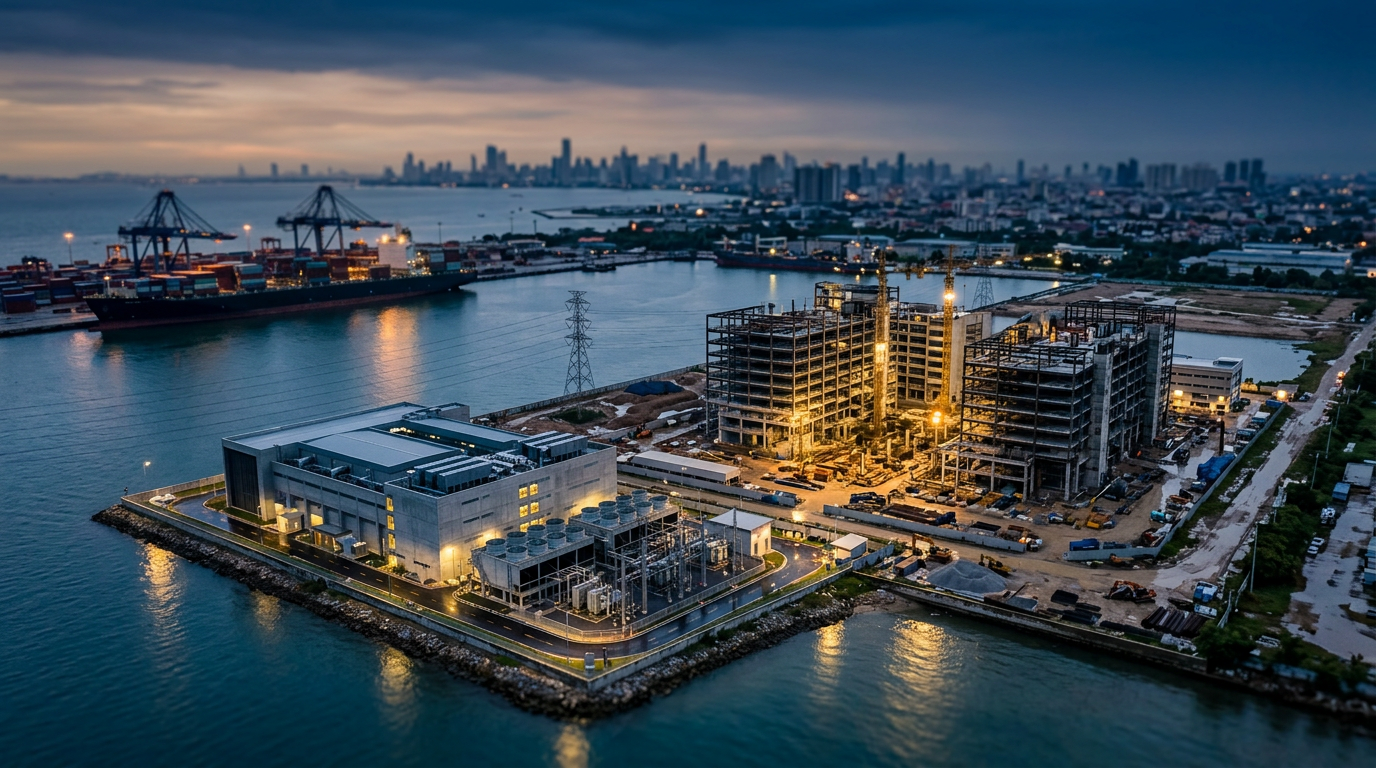
Data Center Investment Beyond Singapore
A recent IPO filing shows how demand for hyperscale data centers is spilling over from Singapore to its neighbors. Yet capturing this demand requires more than just cheap land and power.

 Singapore
Foreign Capital and Local Execution in ASEAN
A high-profile Singapore property deal is a useful reminder that foreign investment depends on the slower work of land, permits, power, and talent.
 Singapore
, ASEAN, and the Architecture of Capital
Big ticket FDI is a good headline, but the real test is how investment flows through the region. Singapore remains a key hub, but its success rests on the health of the entire ASEAN bloc.
 Singapore
, the Enduring Hub for ASEAN Capital
Foreign investment announcements travel fast. Realised projects depend on the slower work of execution. A new luxury development on the Singapore River shows how the city-state still leads the region in turning plans into reality.
 Singapore
, the Market, and the State
Foreign capital is a constant in Singapore. The state's role is to ensure that each new wave of investment also builds national capacity for the long term.
 Malaysia
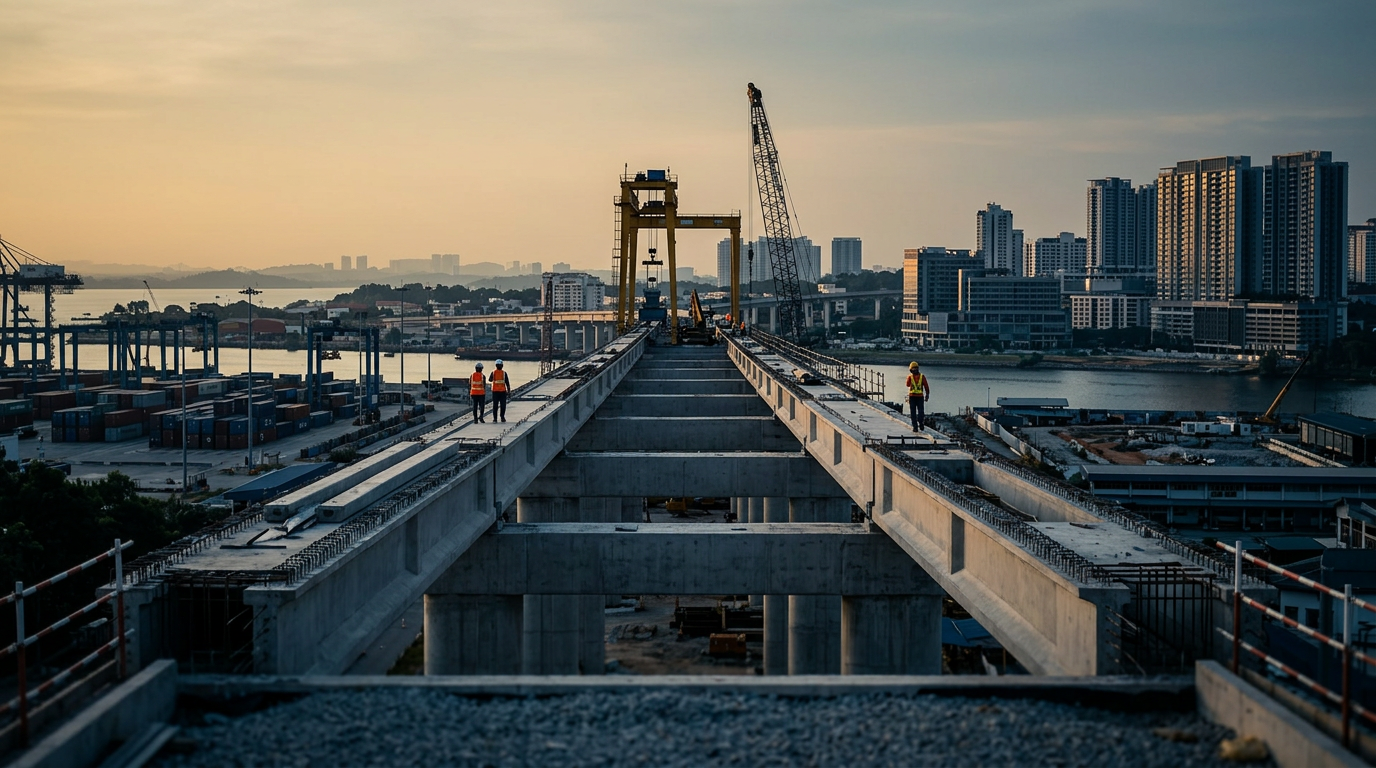
's RTS Link Delay Highlights the Governance Gap in Large-Scale Infrastructure
The delay in the Johor Bahru-Singapore RTS Link, a key project for Malaysia's economic ambitions, shows that execution is as important as the initial investment announcement. Turning vision into reality requires navigating complex regulatory and technical challenges.
 Singapore
's IP Ruling Highlights ASEAN's Institutional Maturity
The recent trademark decision in Singapore in favor of a local firm over a British competitor is a case study in ASEAN's evolving institutional landscape and its implications for managing trade relationships, including with China.
 Singapore
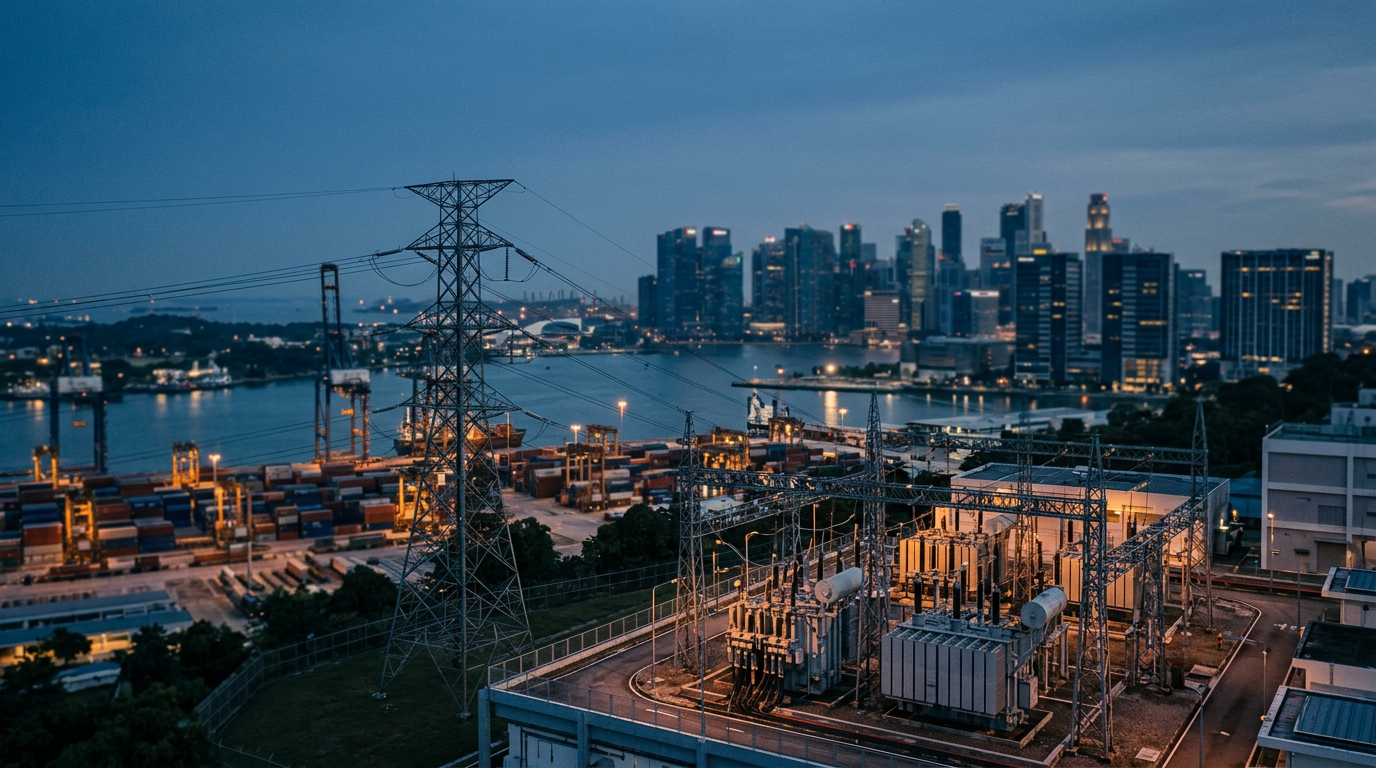
The ASEAN Power Grid Needs More Than Announcements
The new Singapore-World Bank partnership to make the ASEAN Power Grid investable is a positive step, but turning ambition into reality requires a focus on institutional reliability and execution.
 Malaysia
's Infrastructure Test: Bridging Ambition and Execution
The delay of the Johor Bahru-Singapore RTS Link highlights the persistent gap between foreign direct investment announcements and the slower work of turning plans into reality on the ground.
 Malaysia
-Singapore Transit: A Tale of Two Systems
The latest delay to the Johor Bahru-Singapore RTS Link, a project meant to boost connectivity, illustrates the gap between project announcements and on-the-ground execution.
 Malaysia
-Singapore RTS Link: A Delay in Transit, A Lesson in Execution
The delay in the Johor Bahru-Singapore RTS Link highlights the execution gap between ambitious infrastructure plans and the complex reality of delivering them, a persistent theme across ASEAN.
 Malaysia
RTS Link Delay Highlights the Hard Work of ASEAN Connectivity
The delay in the Johor Bahru-Singapore RTS Link highlights a recurring theme in ASEAN infrastructure development: turning ambitious announcements into operational reality requires navigating a complex landscape of regulations, certifications, and cross-border cooperation.
 Malaysia
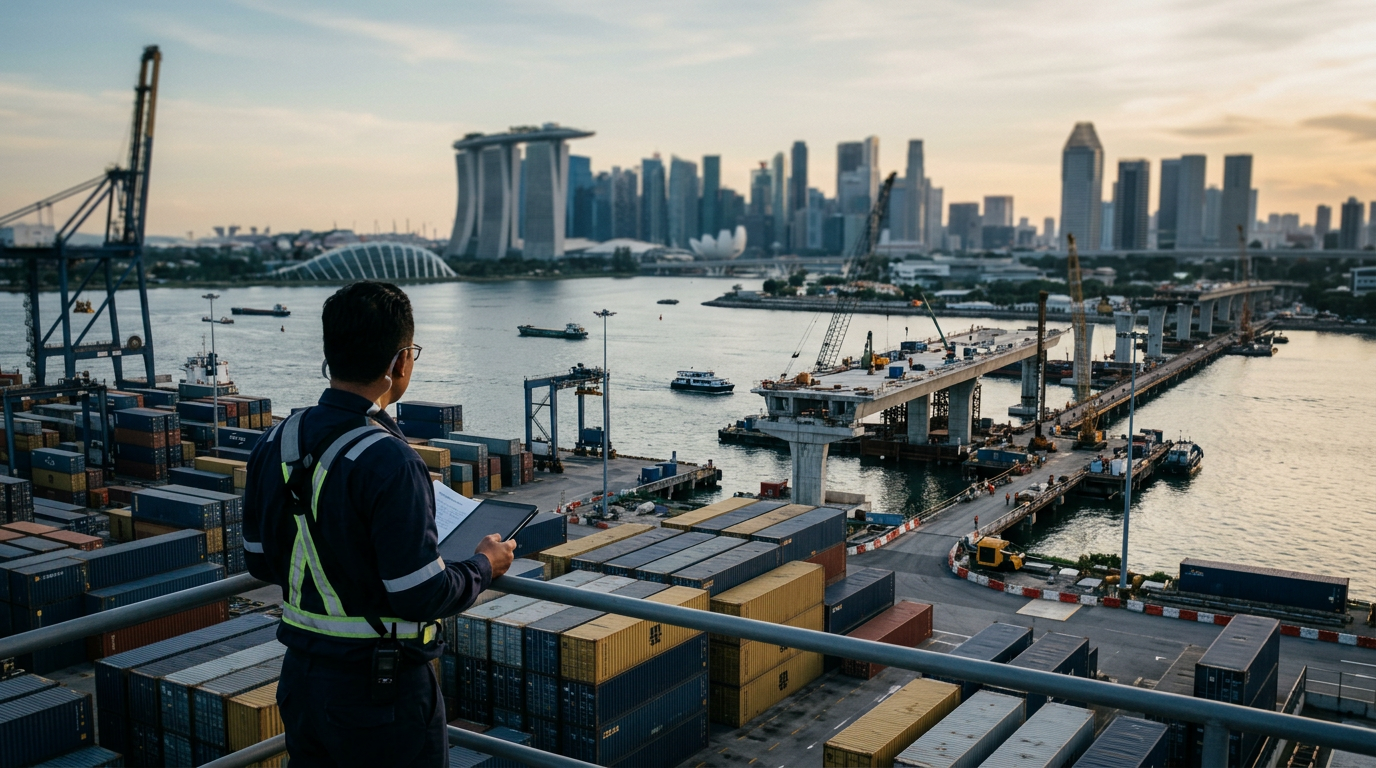
-Singapore Connectivity: More Than Steel and Concrete
The delay in the Johor Bahru-Singapore RTS Link highlights a recurring theme in regional development: announcements are easy, but execution is hard. Realised investment depends on the slow work of institutions, talent, and trust.
 Malaysia
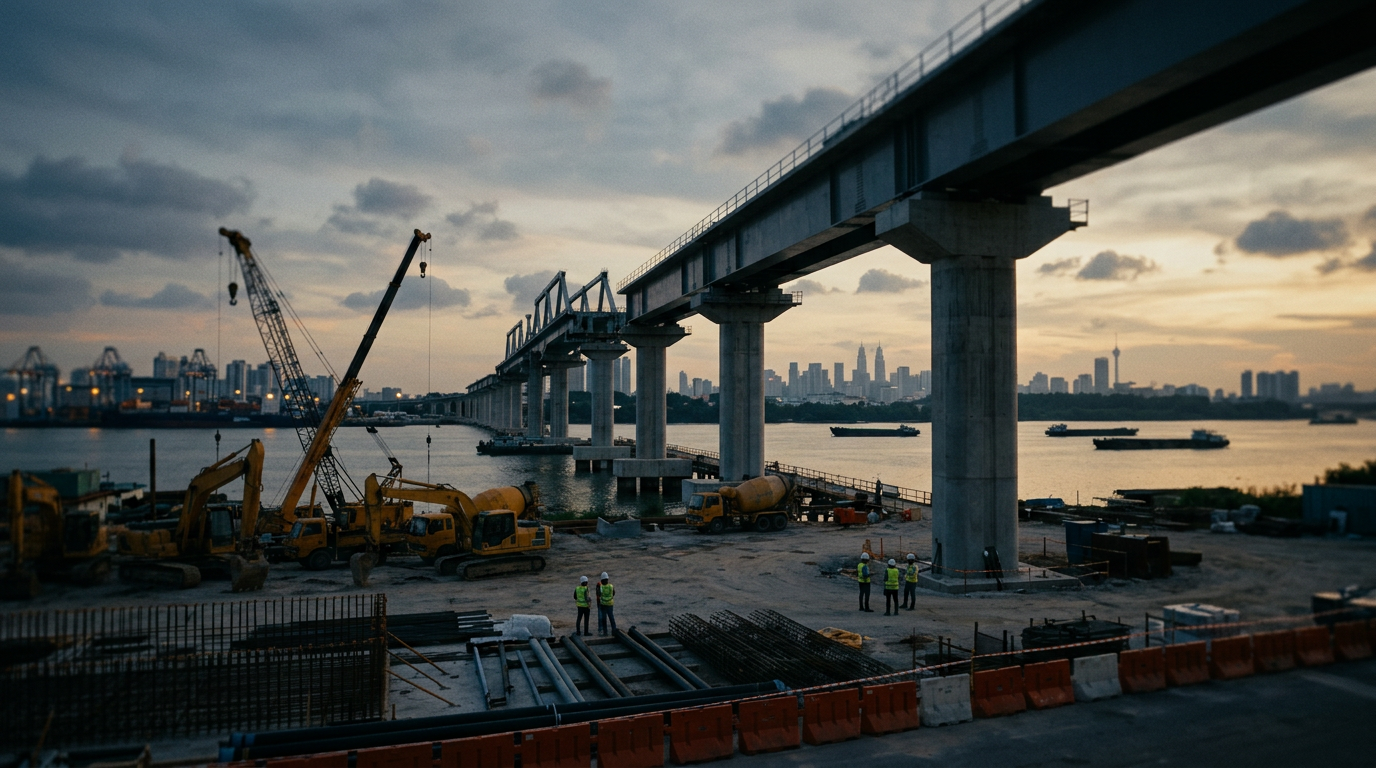
RTS Link Delay Highlights the Execution Challenge for Major Projects
The delay to the Johor Bahru-Singapore RTS Link highlights a persistent theme in regional infrastructure development: turning ambitious announcements into operational reality requires overcoming significant hurdles in execution and coordination.
 Malaysia
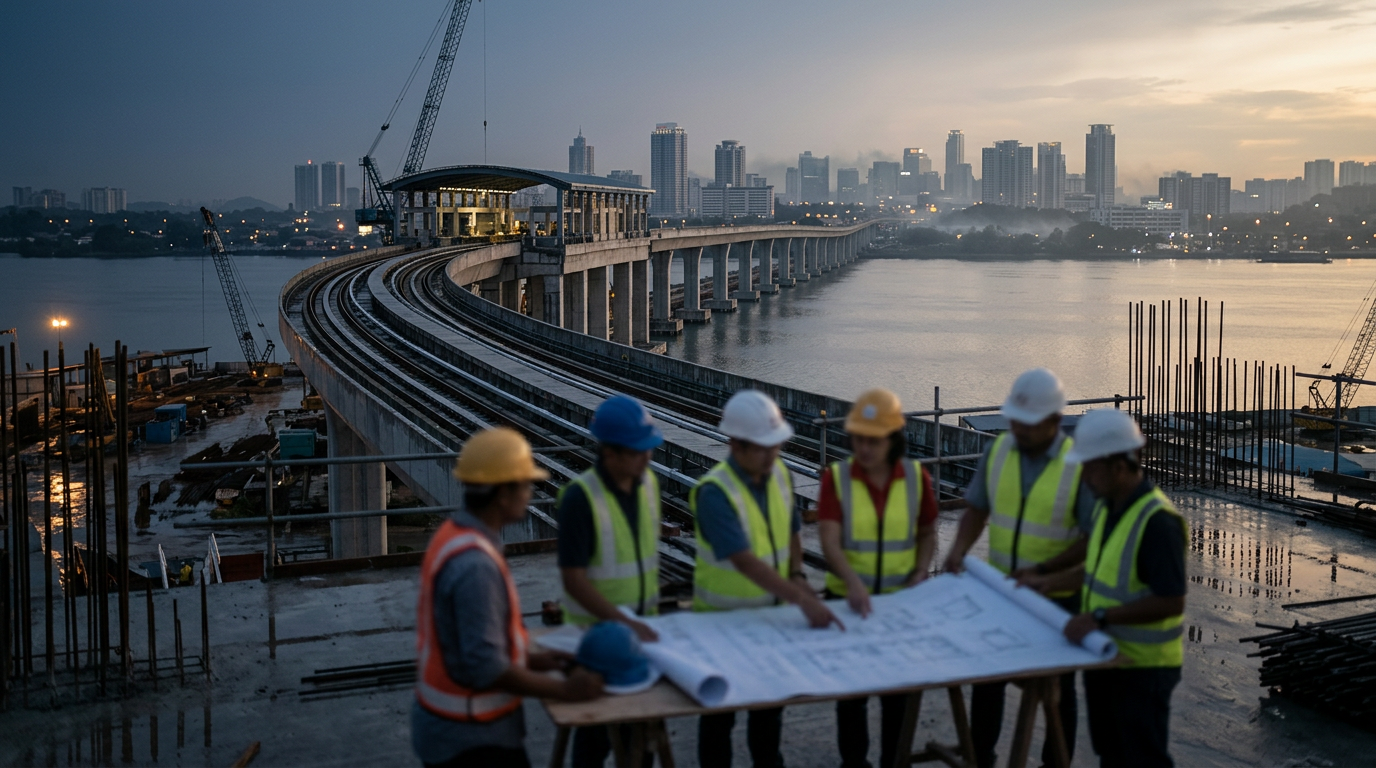
-Singapore RTS Link: More Than Concrete and Steel
The delay in the Johor Bahru-Singapore RTS Link highlights a familiar challenge in regional infrastructure projects: turning ambitious plans into operational reality. Success depends on aligning institutions, regulations, and talent, not just pouring concrete.
 Malaysia
RTS Link Delay Highlights ASEAN Infrastructure Execution Gap
The delay in the Johor Bahru-Singapore RTS Link, a project designed to improve connectivity, shows how institutional capacity and execution can limit the impact of major infrastructure investments in ASEAN.
 Singapore
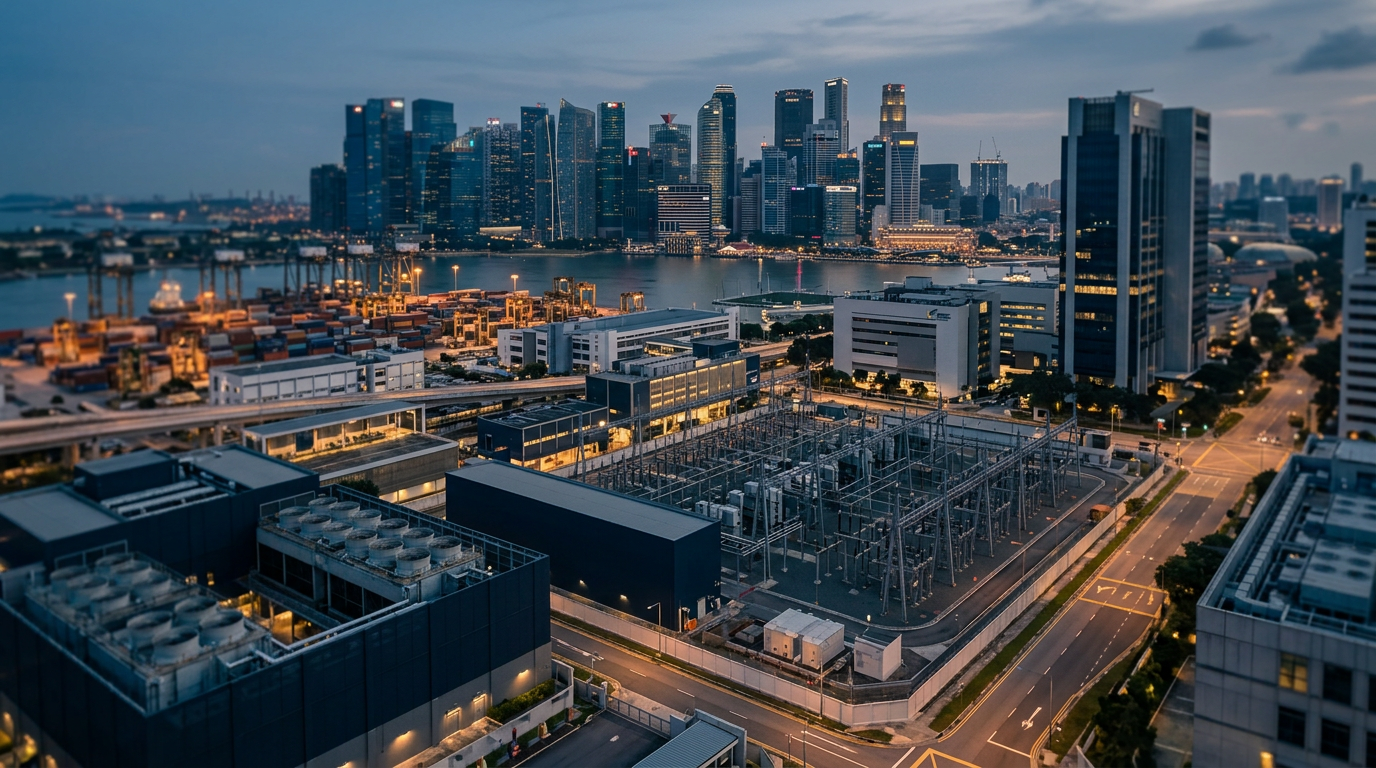
's Power Market Delivers Stability Amid Volatility
Amid global energy price volatility, Singapore's electricity market demonstrates the value of institutional design in delivering reliable services and predictable pricing for consumers and businesses.
 Singapore
, FDI, and the Challenge of Scale
A jump in Singaporean factory output, driven by AI demand, highlights a core ASEAN challenge: converting FDI announcements into realized, on-the-ground investment. For neighbors like Indonesia, the slower work of improving institutions and infrastructure is the real measure of.
 Singapore
, AI, and the FDI Test
Singapore's factory output jump in August, driven by AI demand, is a positive signal. Yet, the work of turning foreign direct investment announcements into long-term economic capacity is just beginning.
 Singapore
, AI, and ASEAN's Manufacturing Future
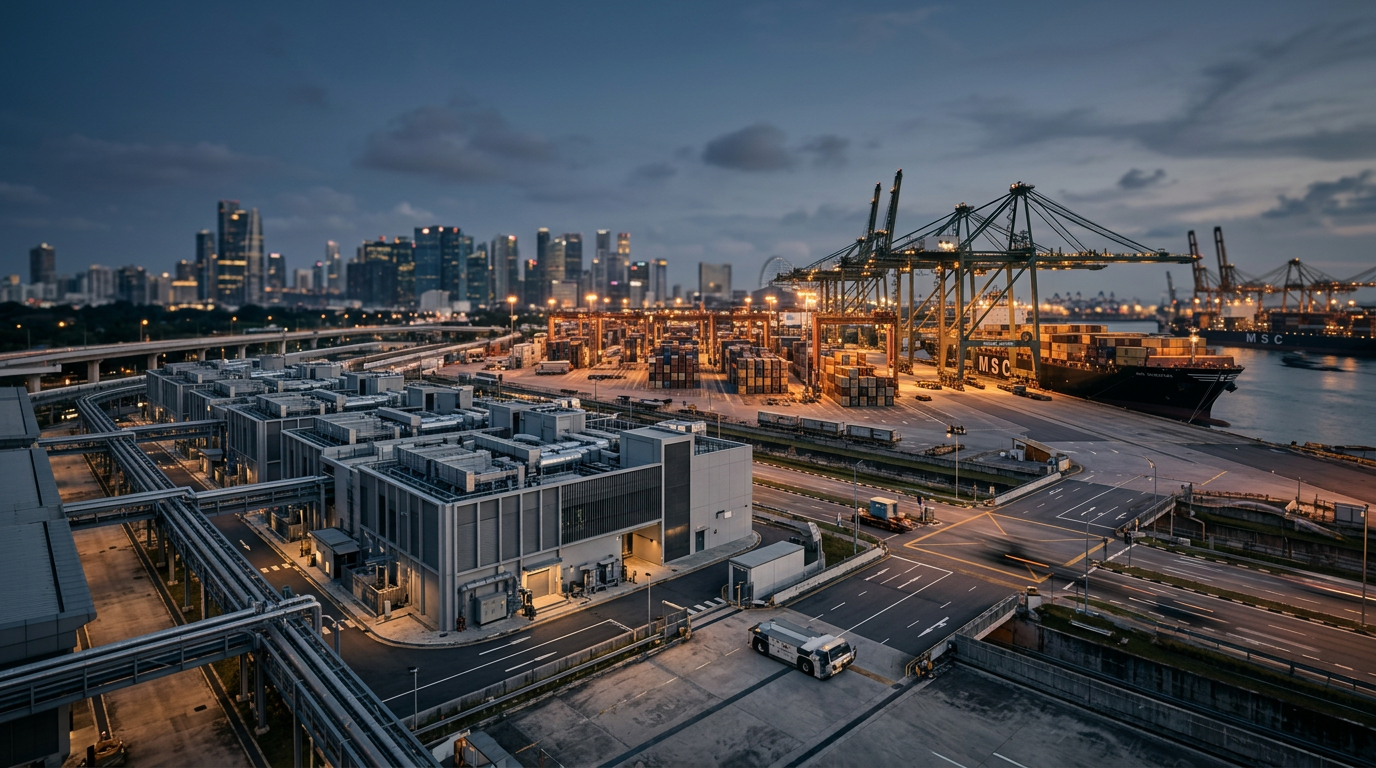
Singapore's recent factory output surge, driven by AI-related demand, highlights a divergence in ASEAN manufacturing. While Singapore attracts high-value investments, its neighbors must focus on institutional capacity to absorb and realize large-scale FDI.
 Singapore
, FDI, and the Enduring Power of Execution
The new AI-driven investment boom is a reminder that in the long run, capital follows capacity, and FDI flows to where the slow work of execution gets done.
 Singapore
, Malaysia, and the Hyperscale Data Centre Surge
PwC forecasts Singapore's yearly data centre investment to hit US$19.2 billion by 2050. This is part of a regional boom, with Malaysia also attracting significant investment. The key to success is not just capital, but the coordination of infrastructure, a theme central to.
 Singapore
, Malaysia, and the data-centre buildout
A recent PwC forecast on data-centre investment shows how Singapore's established ecosystem and Malaysia's emerging scale are shaping Southeast Asia's digital infrastructure. The ability to coordinate capital, utilities, and planning remains the key differentiator.
 Singapore
, Malaysia, and the data-centre buildout
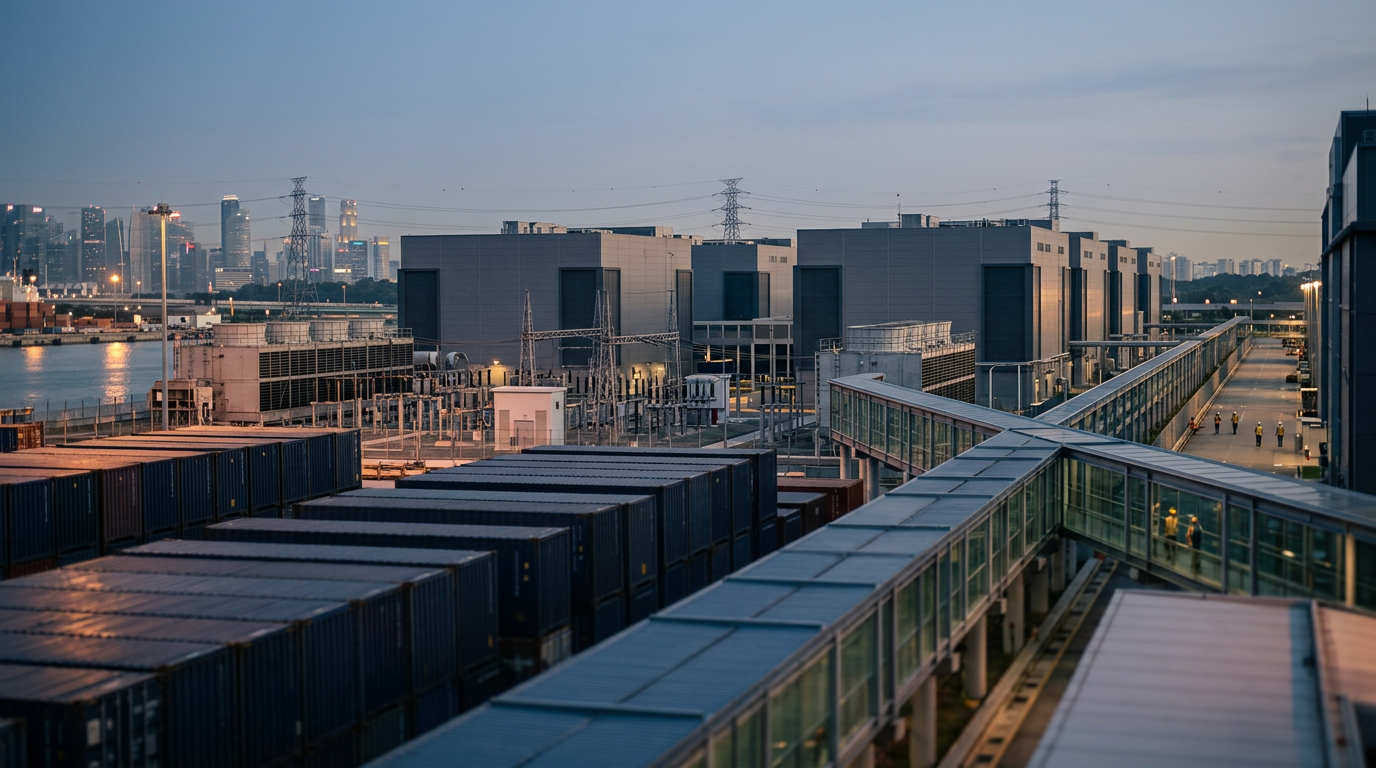
PwC forecasts Singapore's annual data centre investment to reach US$19.2 billion by 2050, up from US$7 billion in 2026. This is part of a US$1.29 trillion regional surge in which Malaysia is also participating. For Singapore, the challenge is not just attracting capital, but.
 Singapore
Aligning Power, Planning, and Capital in ASEAN Data Centres
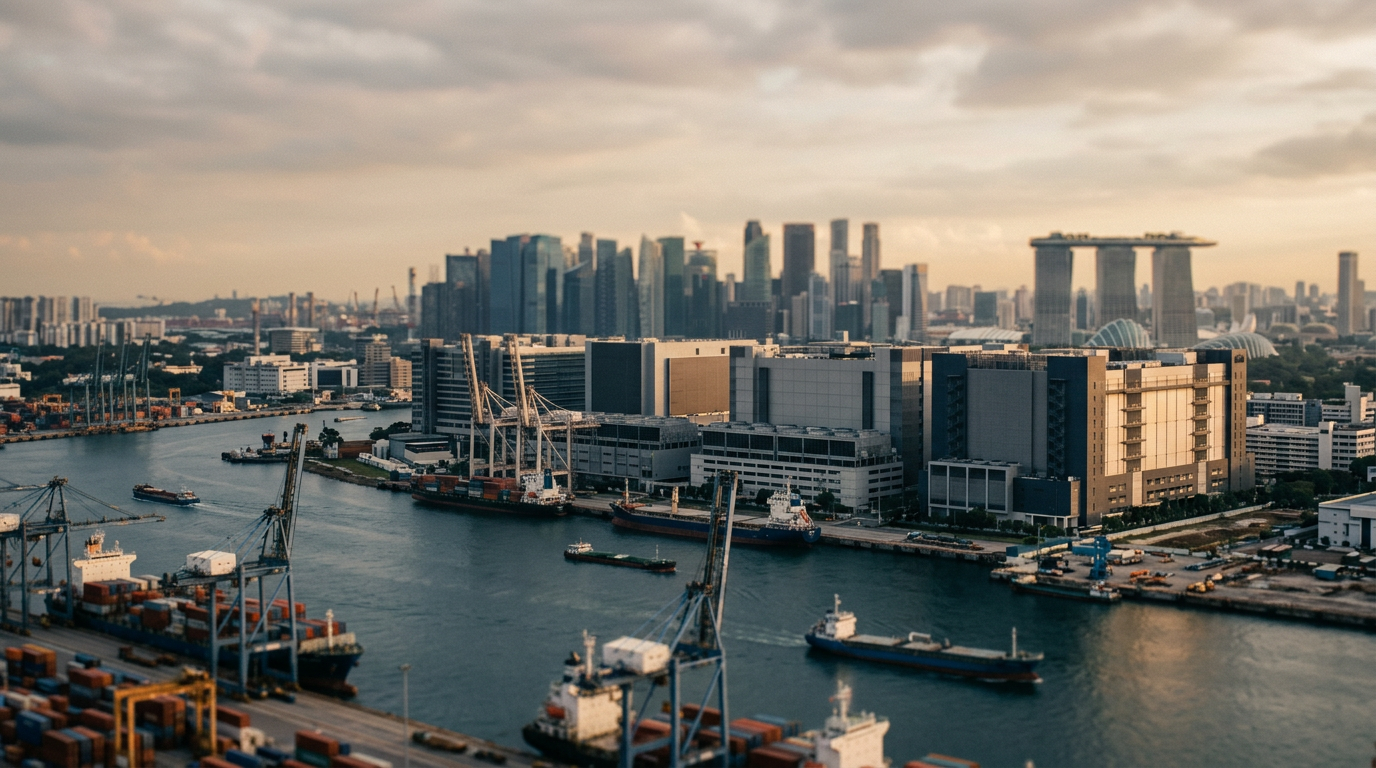
A recent PwC forecast on data centre investment in Singapore and Malaysia highlights the importance of aligning infrastructure, from power grids to network connectivity. Where these elements are coordinated, hyperscale capacity follows.
 Singapore
Data Center Investment Tests ASEAN Integration
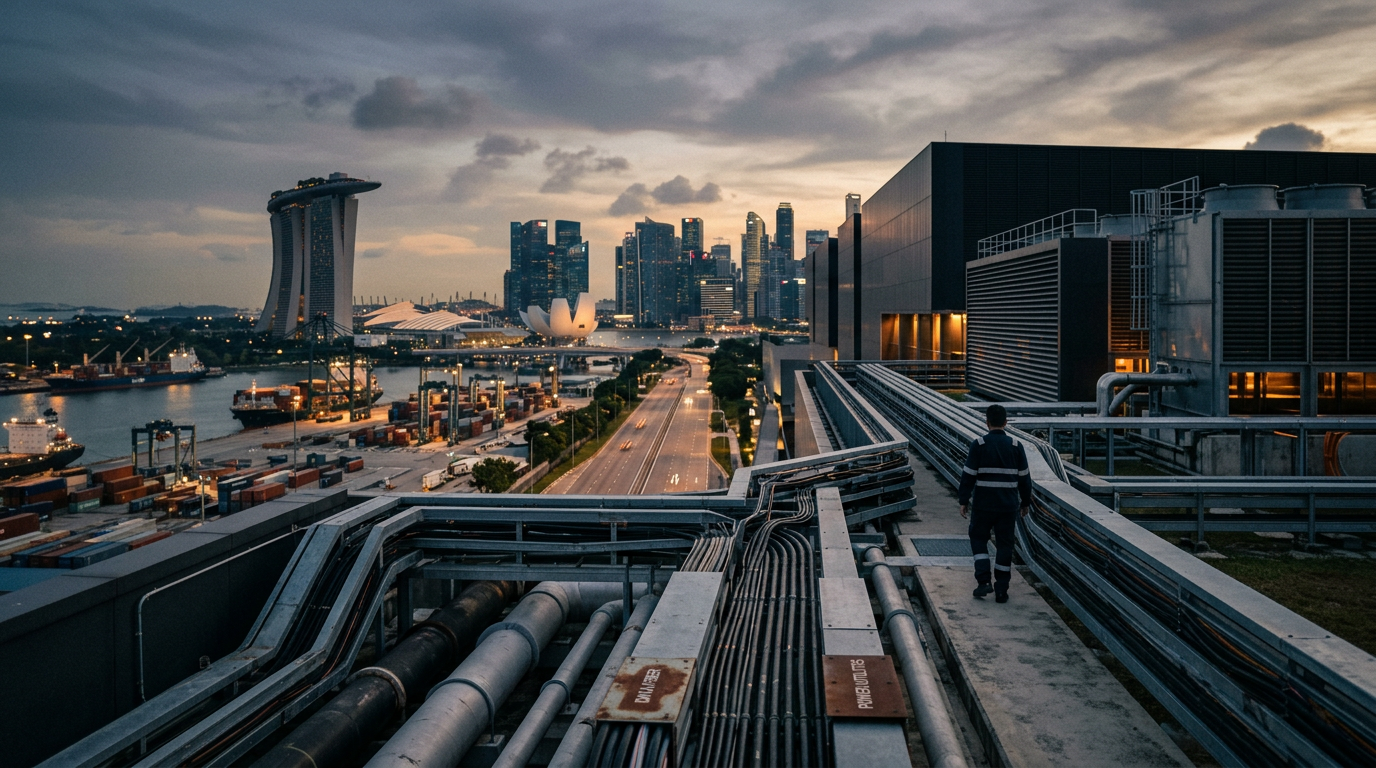
A recent PwC forecast for data center investment in Singapore and Malaysia is a concrete example of a theme from "ASEAN Rising": capital follows coordination. Where utilities, planning, and connectivity align, hyperscale capacity follows.
 Singapore
, Malaysia, and the data-centre buildout: not just about power
PwC projects a data-centre investment surge in Singapore and Malaysia. While power is a necessary input, it is not sufficient. Capital coordination across utilities, planning, and connectivity is what makes hyperscale capacity possible.
 Singapore
 Scales Up: Foreign Talent and the Infrastructure Test
Singapore's reliance on foreign labor for major infrastructure projects like Changi T5 highlights the critical link between talent, capital, and institutional execution in sustaining long-term growth.
 Singapore
's COE System Tests Institutional Reliability
High Certificate of Entitlement premiums in Singapore are a recurring test of the country's institutional capacity. The Land Transport Authority must balance market signals with the long-term needs of a usable state.
 Singapore
 Firms Look North: Capital, Institutions, and Hong Kong Real Estate
Singapore real estate group UOL's reported talks to acquire a Hong Kong hotel show how Singapore's institutional strength and deep capital markets are driving its firms to seek scale abroad.
Data centres: The limits of cheap power
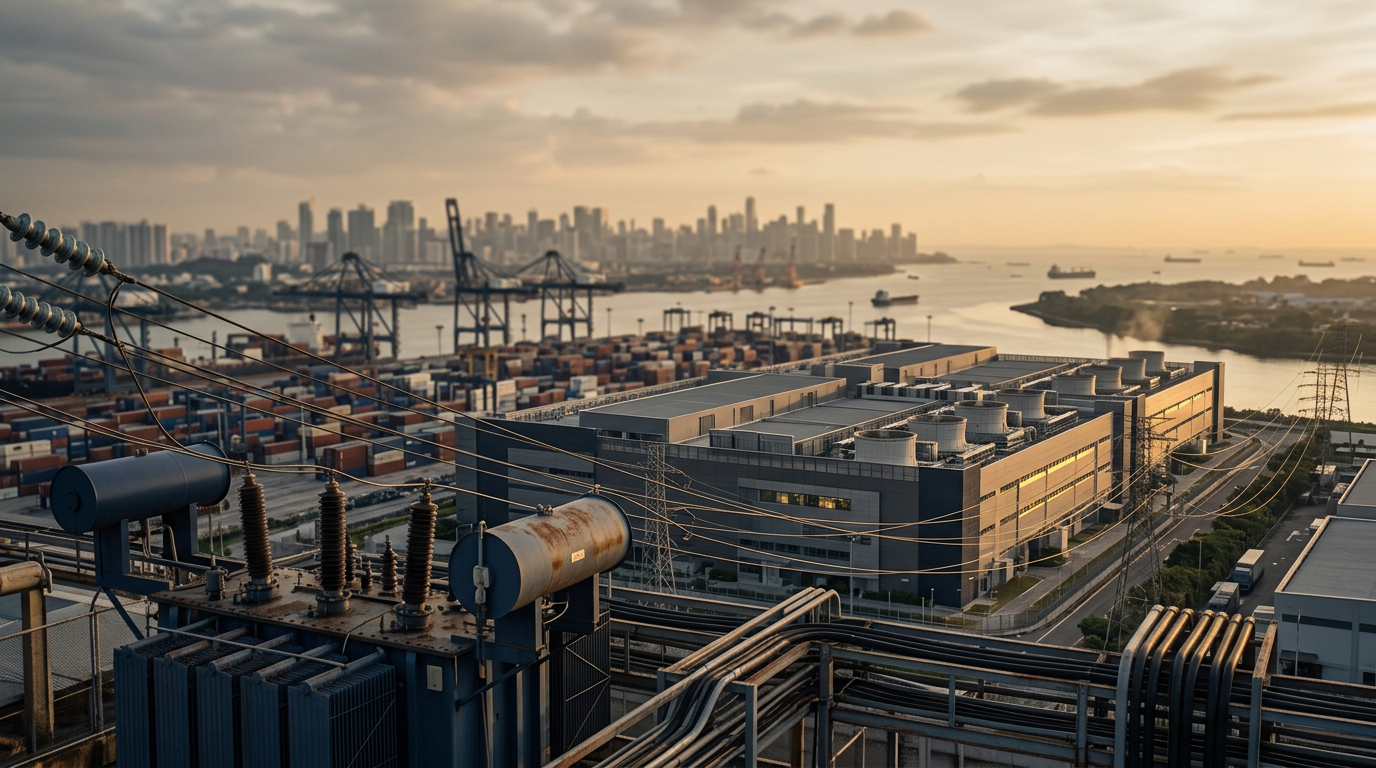
Alibaba's new AI chip is a reminder that data centre investment is not just about computing power. As ASEAN Rising argues, "capital coordination is itself an industrial input." Without coordinated planning, even cheap electricity is not enough.
 Singapore
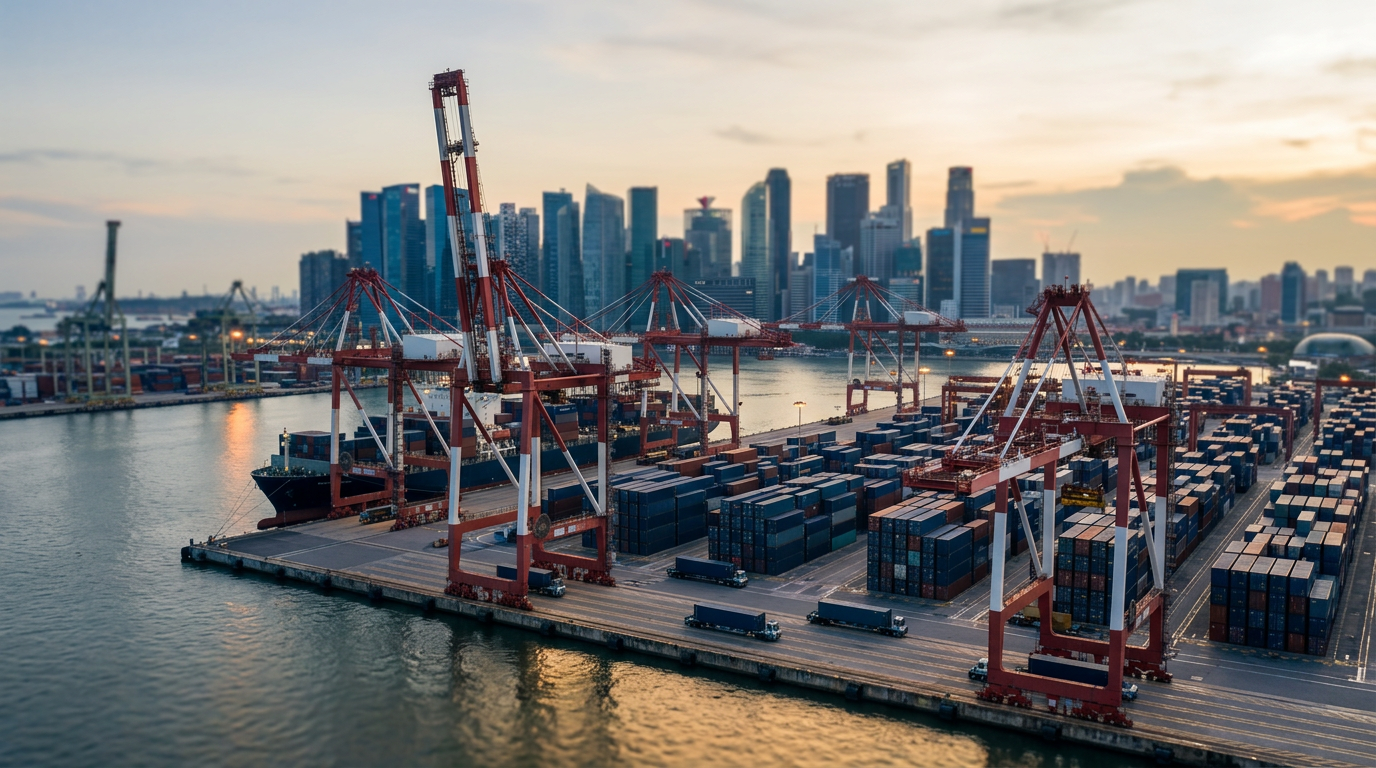
's Logistics Upgrades Are a Regional Lesson
As Singapore upgrades its logistics infrastructure with new technology, it provides a case study in how reliable state institutions and a long-term focus on execution can create a durable competitive advantage for ASEAN members.
 Indonesia
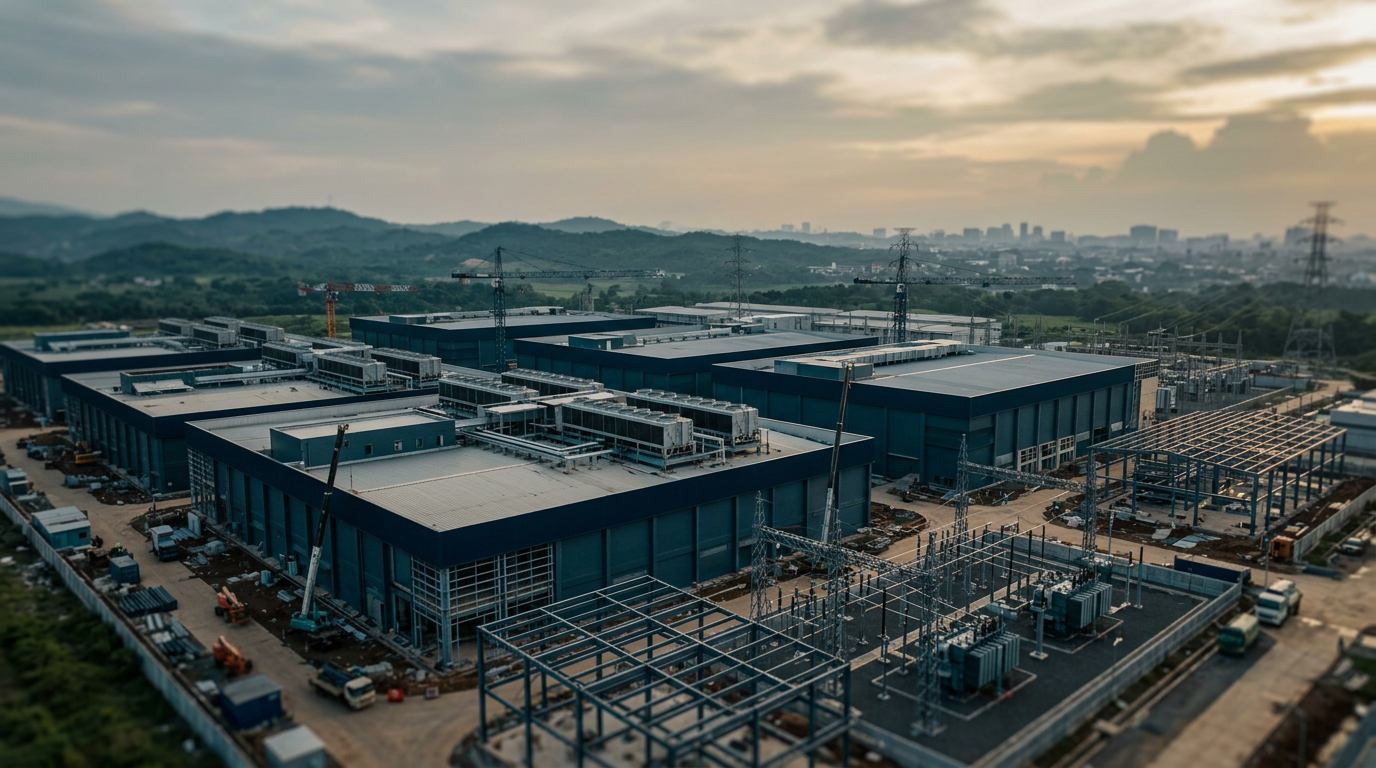
 and the Hyperscale Data Center Buildout
Where utilities, planning and connectivity move together, hyperscale capacity follows. That is the story of a new 640 MW AI data center campus in West Java, Indonesia.
 Singapore
's Property Market: A Tale of Two Realities
A new luxury apartment launch in Singapore highlights the city-state's property market resilience. Yet, it also raises questions about affordability and the long-term sustainability of its value proposition as a regional hub.
 Singapore
 and the Data Governance Gap
Data governance is a critical component of institutional trust. A recent data leak at a national institution in Singapore offers a moment to reflect on the wider ASEAN context.
 Malaysia
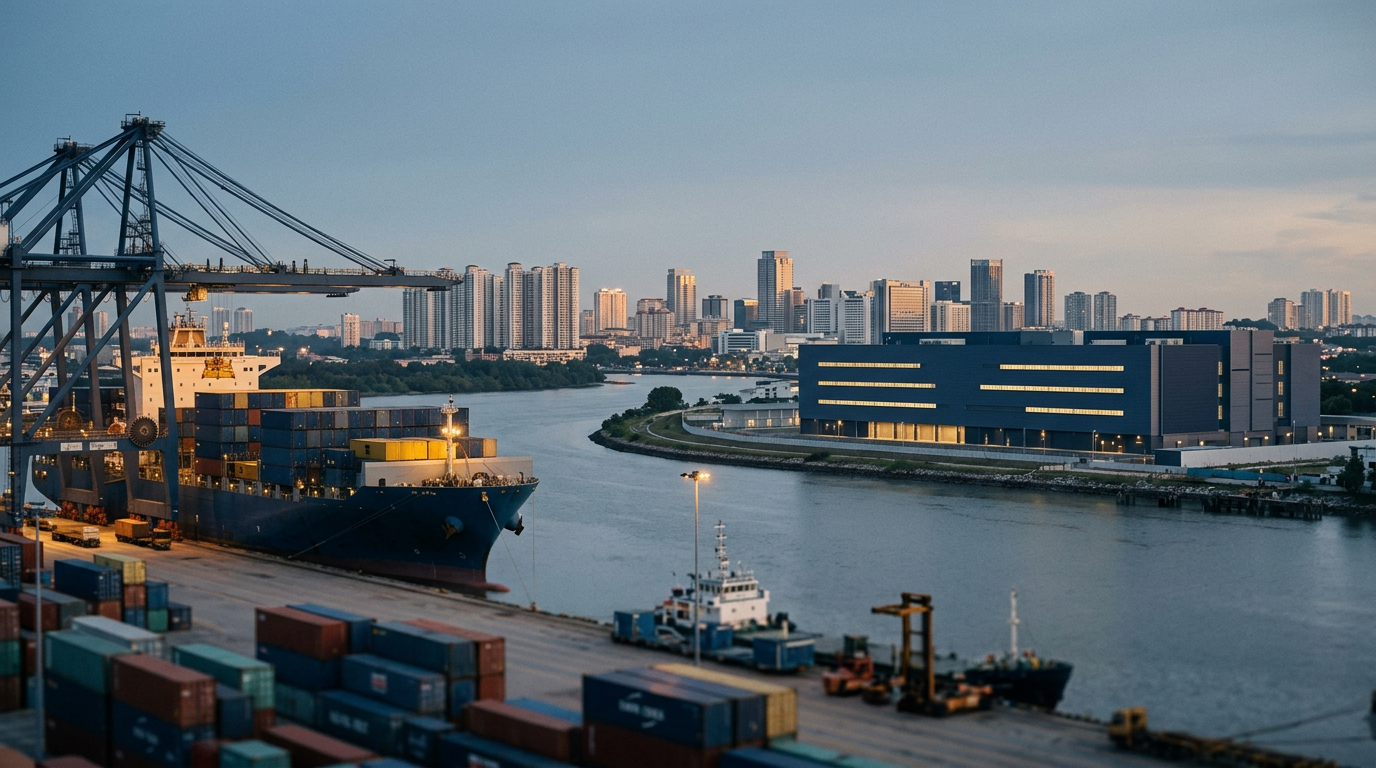
's Data Center Boom Needs More Than Power
Malaysia's data center boom is real. But to compete with Singapore and lead the region, Johor needs more than land and power. It needs to master the complex art of capital coordination.
 Singapore
Capital Flows and Execution Risks in ASEAN
The rise of intra-ASEAN investment is a marker of the bloc's maturing economies. Yet, turning this capital into productive assets depends on the unglamorous work of institutional execution.

The ASEAN Power Grid Needs More Than Announcements
The ASEAN Power Grid is a decades-old idea for regional energy security and decarbonization. A new push by Singapore and Thailand highlights that execution, not just vision, is the core challenge. Reliable institutions and state capacity are the real markers of progress.
 Singapore
's Precision Medicine Push Tests Its Institutional Strength
Singapore's advance into precision medicine is not just a healthcare story. It is a test of the country's core institutional capacity to deliver on complex, long-term initiatives.
 Singapore
 F&B adjusts to new trade realities
The closure of several Crystal Jade outlets in Singapore points to a broader reset in the F&B sector, where operators are re-evaluating their strategies in light of enduring trade shifts and intense domestic competition.
 Malaysia
: Ringgit pressure shows capital is not a captive audience
Malaysia's currency is under pressure, a reminder that capital flows are sensitive to policy execution, not just announcements.
 Singapore
, the US, and the institutional plumbing of FDI
The recent US-Singapore dialogue on trade and investment is a reminder that FDI flows are not automatic. They depend on the slower, harder work of building institutional capacity.
 Singapore
 balances data centre growth and green energy goals
Singapore's proposed energy-efficiency laws for data centres highlight the need for careful coordination of capital, infrastructure, and regulation to support sustainable growth in the digital economy.
 Singapore
Singapore
 Singapore
Sheng Siong's Rise and ASEAN's China Trade
Sheng Siong's recent success, fueled by its robust China supply chain, shows how deeply integrated ASEAN businesses are with China. This integration is a structural reality that regional firms must navigate carefully.

Changi, Jakarta, and the Quiet Problem of State Capacity
A recent volcanic eruption grounded flights between Singapore and Jakarta, creating travel chaos. This incident reveals a deeper truth about ASEAN infrastructure and the hidden friction of institutional capacity.
 Malaysia
Green Financing for Johor Data Centre Campus Highlights Cross-Border Capital Coordination
A recent green financing deal for a Johor data centre, led by a Singaporean firm, shows how capital and infrastructure planning are converging in the region, a key theme of ASEAN Rising.
 Malaysia
Thailand Enters the Hyperscale Data Center Fray
A major pre-lease agreement for a new Bangkok data center highlights the race for hyperscale capacity in Southeast Asia, where capital coordination is a decisive factor.
 Singapore
Foreign Investment and Local Jobs: A Singapore Case Study
CapitaLand Investment's recent retrenchment announcement in Singapore highlights a recurring theme in Southeast Asian economies: the complex relationship between global investment strategies and local employment. While foreign direct investment is often hailed as a primary.
 Singapore
CapitaLand and a China Reset
CapitaLand Investment's recent retrenchment announcement signals a broader shift in how Singaporean firms are recalibrating their China exposure, moving from intensive capital deployment to a more strategic, service-oriented approach. This mirrors a larger trend across ASEAN.