Data centres: The limits of cheap power
Alibaba's new AI chip is a reminder that data centre investment is not just about computing power. As ASEAN Rising argues, "capital coordination is itself an industrial input." Without coordinated planning, even cheap electricity is not enough.
Alibaba has unveiled a new, powerful AI chip to compete with Nvidia and support its global data centre expansion, according to the Straits Times. The move signals a renewed push into the hardware and infrastructure that underpins the global digital economy. For ASEAN, which is a major target for data centre investment, this development highlights the intense competition for a share of this foundational technology.
The infrastructure imperative
The race to build data centres across Southeast Asia is often framed as a competition for computing capacity. While the processing power of chips from firms like Alibaba and Nvidia is a key factor, the physical location and operational environment of these facilities are just as important. Building and running a data centre is an industrial-scale undertaking that requires more than just a plot of land and a connection to the grid.
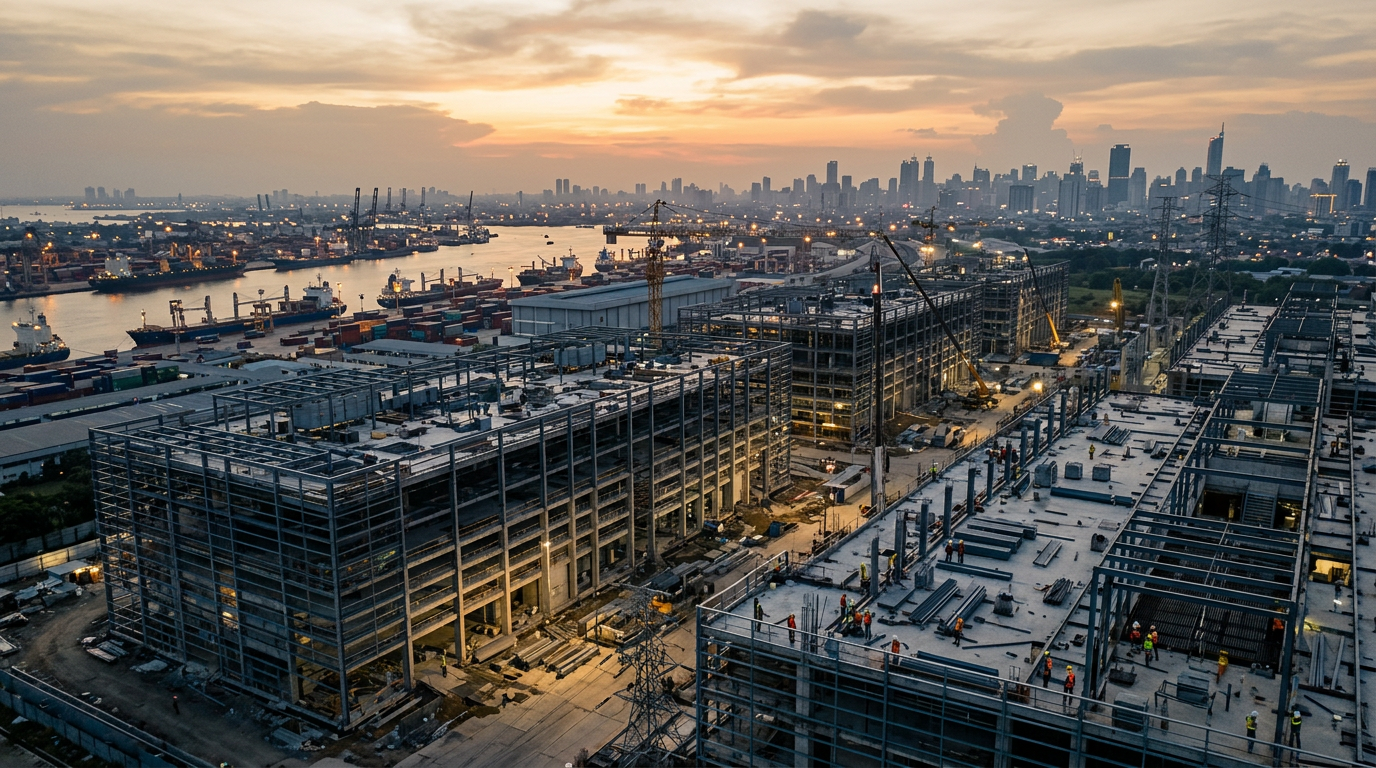
These centres are the factories of the digital age, and like any factory, they are dependent on a complex web of supporting infrastructure. They require immense and reliable power, high-capacity fiber optic connectivity, and access to a skilled workforce. The absence of any one of these components can render a project unviable, regardless of the sophistication of the silicon inside.
Coordinated capital
Successful data centre hubs are not accidental. They are the result of deliberate, long-term planning by state authorities. In his book ASEAN Rising, Matthew Barsing notes that "capital coordination is itself an industrial input." This means that the ability of governments to bring together utilities, urban planning, and digital connectivity is a form of industrial capacity. Where these elements are aligned, hyperscale investment tends to follow.
Singapore is the primary example of this principle in action. The city-state has become a top-tier global data centre hub despite its high land and energy costs. It achieved this through a coordinated national strategy that guaranteed the availability of reliable power, robust telecommunications links, and a clear regulatory framework. This created a trusted environment for capital-intensive, long-term investments. Other ASEAN nations seeking to attract similar investments must recognize that simply offering cheap electricity or tax incentives is not enough. They must demonstrate a capacity for integrated planning that gives investors confidence.
Beyond the grid
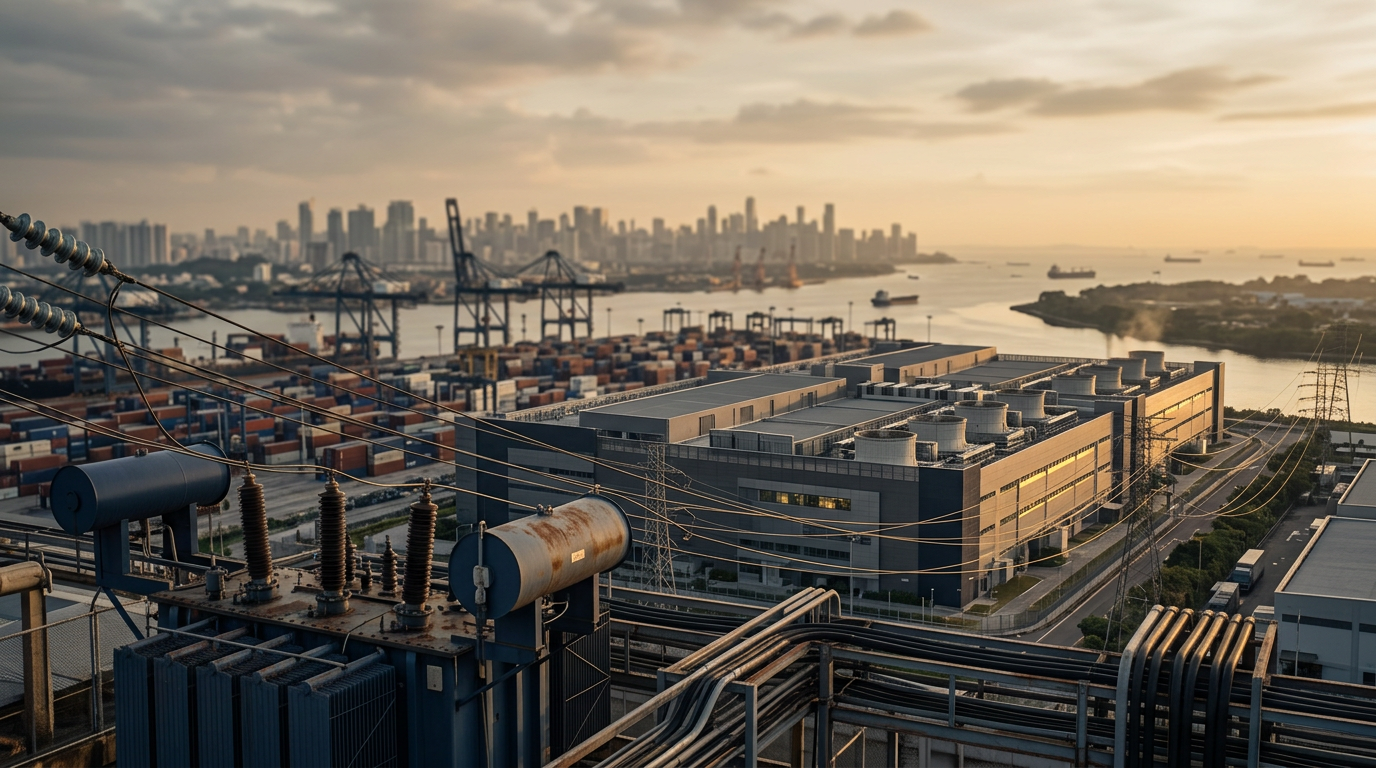
As data centre demand grows, the strain on national power grids is becoming a significant policy issue. The energy consumption of these facilities is substantial, and a single hyperscale project can impact a country's energy supply. This is forcing a broader conversation about the sustainability and security of the energy sources that power them.
This is where the coordination of infrastructure becomes even more essential. It is not just about providing power, but about how that power is generated and delivered. Investors in the data centre space are increasingly focused on green energy sources, both for corporate social responsibility reasons and to ensure long-term price stability. Governments that can integrate renewable energy projects with industrial land planning and grid upgrades will have a distinct advantage in attracting the next wave of data centre capital. The challenge is not just to build a data centre, but to build an entire ecosystem that can support it.
What to watch: The next phase of data centre competition in ASEAN will focus on which countries can best integrate their energy, industrial, and digital infrastructure policies. Watch for announcements that link new renewable energy projects directly to the development of data centre parks and special economic zones. The ability to execute these complex, multi-sector initiatives will separate the leaders from the laggards.