Singapore
Capital Flows and Execution Risks in ASEAN
The rise of intra-ASEAN investment is a marker of the bloc's maturing economies. Yet, turning this capital into productive assets depends on the unglamorous work of institutional execution.
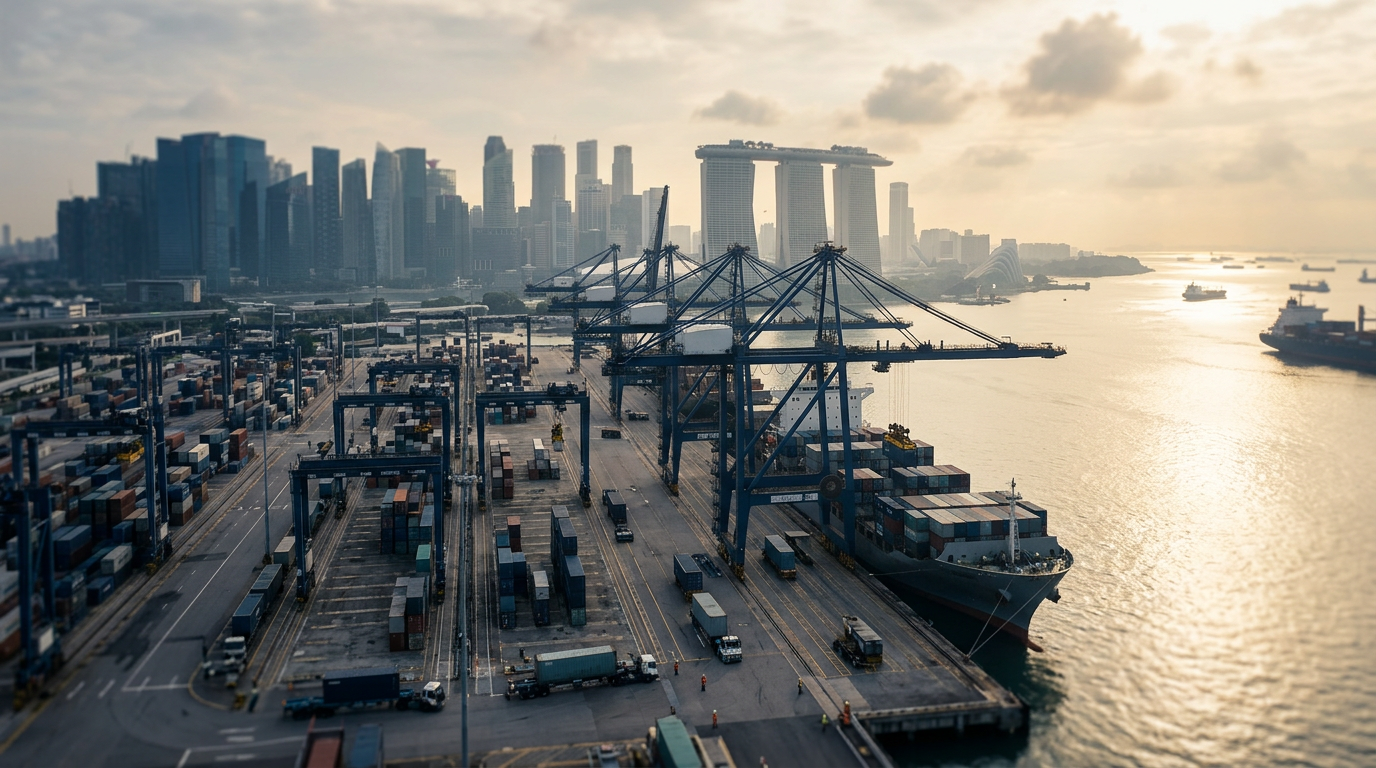
A recent report from VnExpress highlights a notable shift in Asian capital flows, with Southeast Asian investors, led by Singaporean firms, emerging as the dominant foreign buyers in Hong Kong's commercial real estate market. This trend reflects a broader maturing of ASEAN economies, where homegrown capital is increasingly projected across the region and beyond.
While outbound investment signals growing confidence and financial power, it also brings the fundamental challenges of cross-border execution into focus. The success of these ventures, whether in Hong Kong's established market or within ASEAN's diverse economies, rests not just on financial commitment but on the ability to navigate complex local realities. The headline figures are encouraging, but the real work begins after the deal is announced.
From Announcement to Asset
Foreign Direct Investment (FDI) announcements are a common measure of economic attractiveness. They generate positive headlines and signal investor interest. However, the gap between announced and realized FDI is a persistent issue across many markets. As the book "ASEAN Rising" notes, this gap is where ambition meets execution. The conversion of a capital commitment into a functioning factory, a data center, or a productive office tower depends on a series of tangible, often difficult, steps.
These steps involve securing land rights, navigating permitting processes, ensuring reliable power and utility connections, and accessing a skilled local workforce. These are not headline-grabbing activities, but they are the foundation of successful investment. The excerpt from the book puts it plainly: "Realised flows depend on the slower work of land, permits, power and talent reaching the ground." Investors from Singapore or Malaysia may find the institutional frameworks in Hong Kong familiar, but applying the same investment thesis in markets like Indonesia or Vietnam requires a deep understanding of local institutional capacity.
Institutions as Infrastructure
Strong institutions function as a form of essential infrastructure. They provide the predictability and transparency that capital seeks. When regulatory frameworks are clear and administrative processes are efficient, investors can more accurately forecast project timelines and costs. This reduces risk and lowers the friction of turning capital into productive assets.
For ASEAN countries competing for both intra-regional and global investment, strengthening these institutions is paramount. The scale of a market like Indonesia, for example, is immense. Yet, as ASEAN Rising argues, scale only translates to opportunity when backed by robust institutional execution. Without it, large populations and abundant resources do not automatically create "investable depth." For Southeast Asian investors looking to deploy capital within their home region, the same calculus applies. They must assess whether the institutional machinery in a target market is capable of supporting their investment from the initial agreement to final operation.
What to watch: The key metric to monitor is not the volume of outbound ASEAN investment, but the performance of those investments. Pay attention to reports on project completions, operational hurdles, and the returns generated by these cross-border ventures. The success or failure of these projects will provide a clear indication of where institutional execution is strong and where it remains a significant barrier to turning ambitious capital allocations into real economic growth.