Singapore
Singapore F&B adjusts to new trade realities
The closure of several Crystal Jade outlets in Singapore points to a broader reset in the F&B sector, where operators are re-evaluating their strategies in light of enduring trade shifts and intense domestic competition.
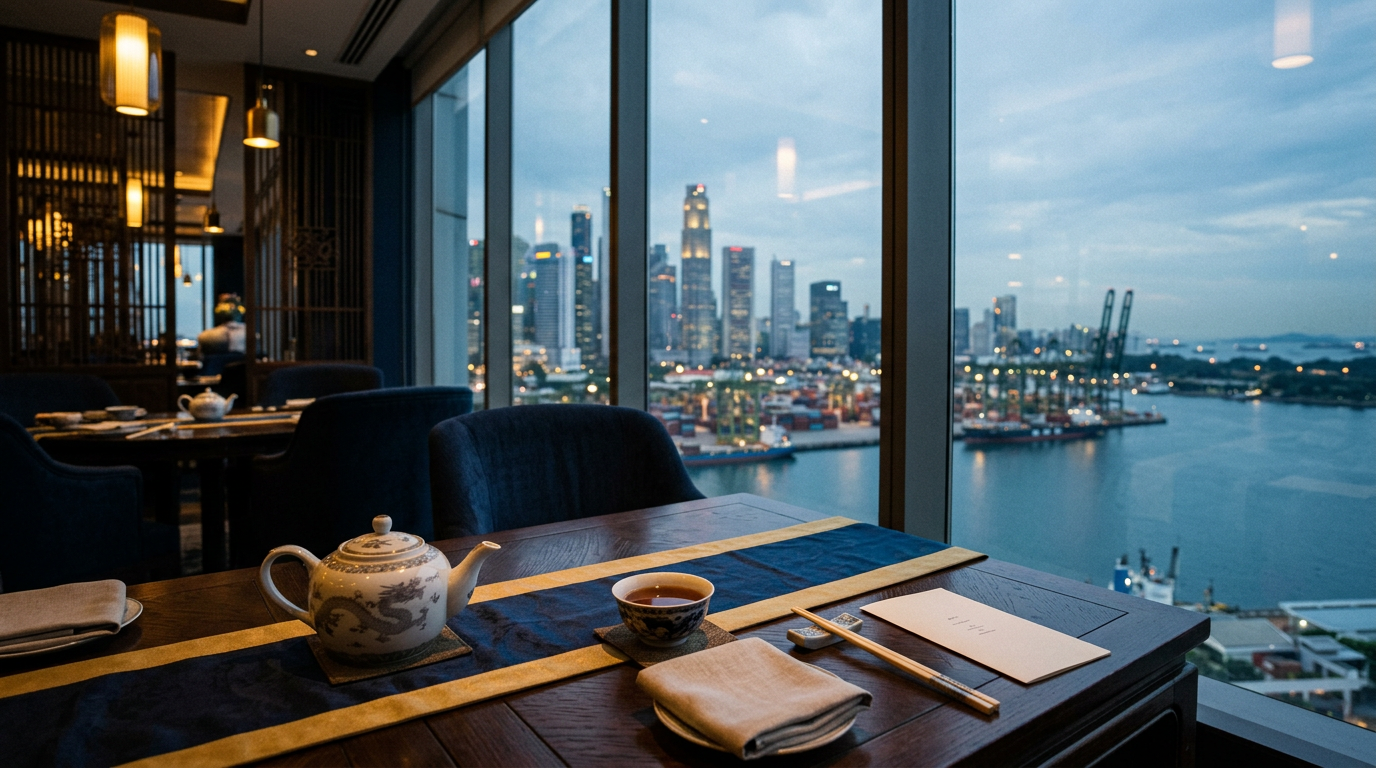
A recent report from Business Times noted that restaurant operator Crystal Jade has closed its third outlet in Singapore in 2026, as part of an ongoing operational review. While specific reasons for the closures were not detailed, the move is indicative of the intense pressures facing Singapore's food and beverage (F&B) sector. These pressures stem from high operating costs, labor shortages, and evolving consumer preferences in a crowded market. More broadly, such adjustments reflect a new economic environment where supply chain dependencies and trade concentrations are forcing businesses to adapt.
Institutions and Infrastructure
Singapore's institutional strengths, including its robust legal framework and efficient logistics, have long made it an attractive hub for F&B businesses. The country's infrastructure supports a high volume of food imports, which are essential for a sector that relies heavily on global supply chains. However, this reliance also creates vulnerabilities. The concentration of sourcing from a few key markets, particularly China, means that any disruption-be it from policy shifts, logistical bottlenecks, or trade tensions-can have an immediate impact on costs and availability. As noted in ASEAN Rising, this deep trade integration is a structural feature of the regional economy. For F&B operators in Singapore, this means the institutional and infrastructural framework must be leveraged to diversify supply sources and build resilience, rather than simply maximizing efficiency from a single dominant trade partner.
Capital and Talent
The F&B sector is capital-intensive, with significant investment required for prime rental locations, kitchen equipment, and skilled staff. The recent closures by an established brand like Crystal Jade suggest that even well-capitalized firms are finding it difficult to generate returns in the current climate. Access to capital is tightening globally, and investors are becoming more selective, demanding clearer paths to profitability. Concurrently, the perennial challenge of attracting and retaining talent in the F&B industry is worsening. Singapore's reliance on foreign labor faces constraints, while the local talent pool is not always drawn to the demanding nature of restaurant work. This talent scarcity drives up labor costs and impacts service quality, further squeezing margins. Businesses must therefore innovate not just in their culinary offerings but also in their business models to attract both capital and talent.
Trust and Execution
For any restaurant, trust is built on consistency in quality, service, and experience. In a competitive market like Singapore, maintaining this trust is paramount. The execution of a restaurant's concept-from the supply chain to the dining table-is a complex daily test. The decision by a major group to shrink its footprint suggests a strategic recalculation of where it can execute effectively and maintain brand trust. It highlights a disciplined approach to capital allocation, focusing resources on outlets that are performing well and can uphold the brand's promise. The core challenge for ASEAN governments and the businesses within their economies, as the book explains, is "how to manage dependency without losing optionality." This applies at the micro level as well, where F&B operators must manage their reliance on specific suppliers, locations, and labor markets to retain the flexibility needed to navigate economic shifts and execute their strategy successfully.
What to watch: Observers should monitor whether other major F&B groups in Singapore follow suit with similar operational reviews and consolidations. The strategic responses of these businesses will be a barometer for the broader retail and service sectors as they grapple with the dual pressures of domestic competition and the structural realities of concentrated global trade. The extent to which firms can use Singapore's institutional advantages to diversify their supply chains and innovate their labor models will determine their long-term viability.