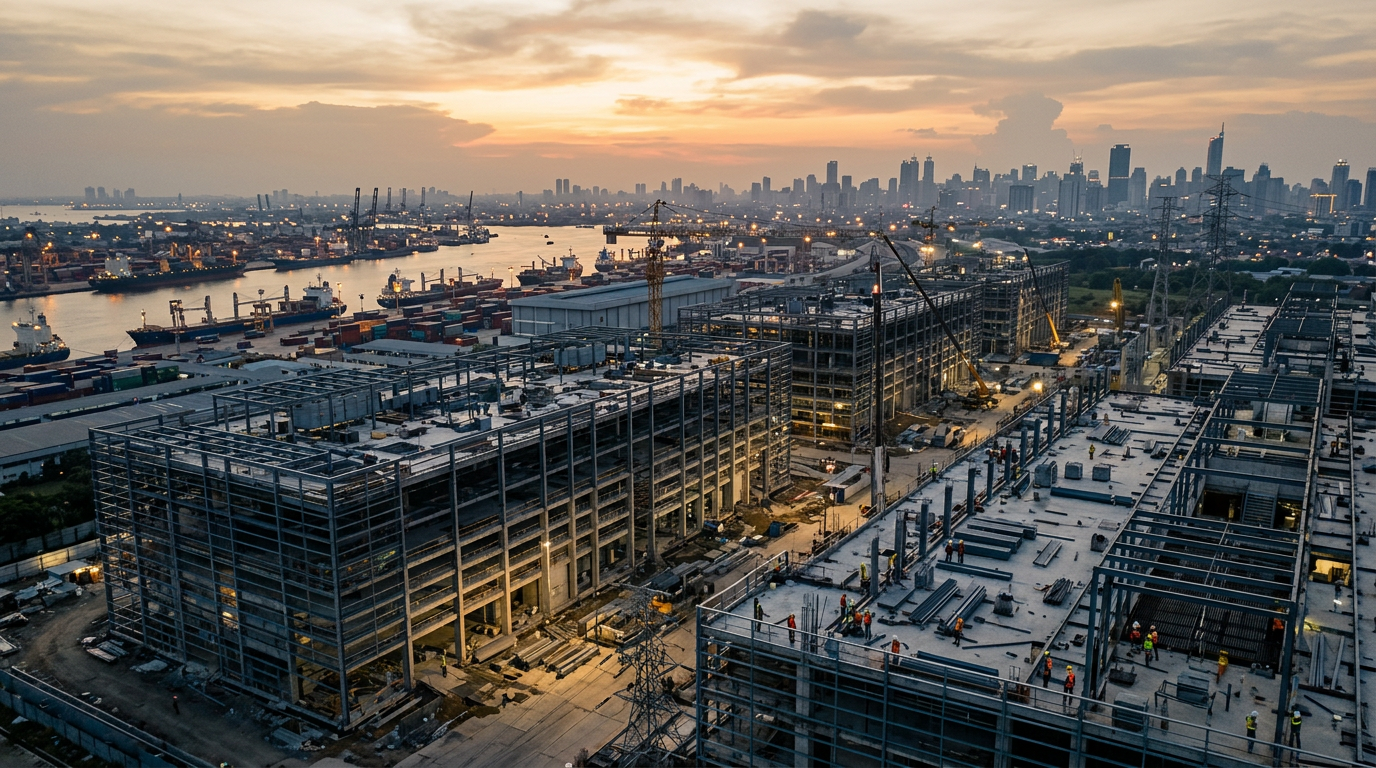
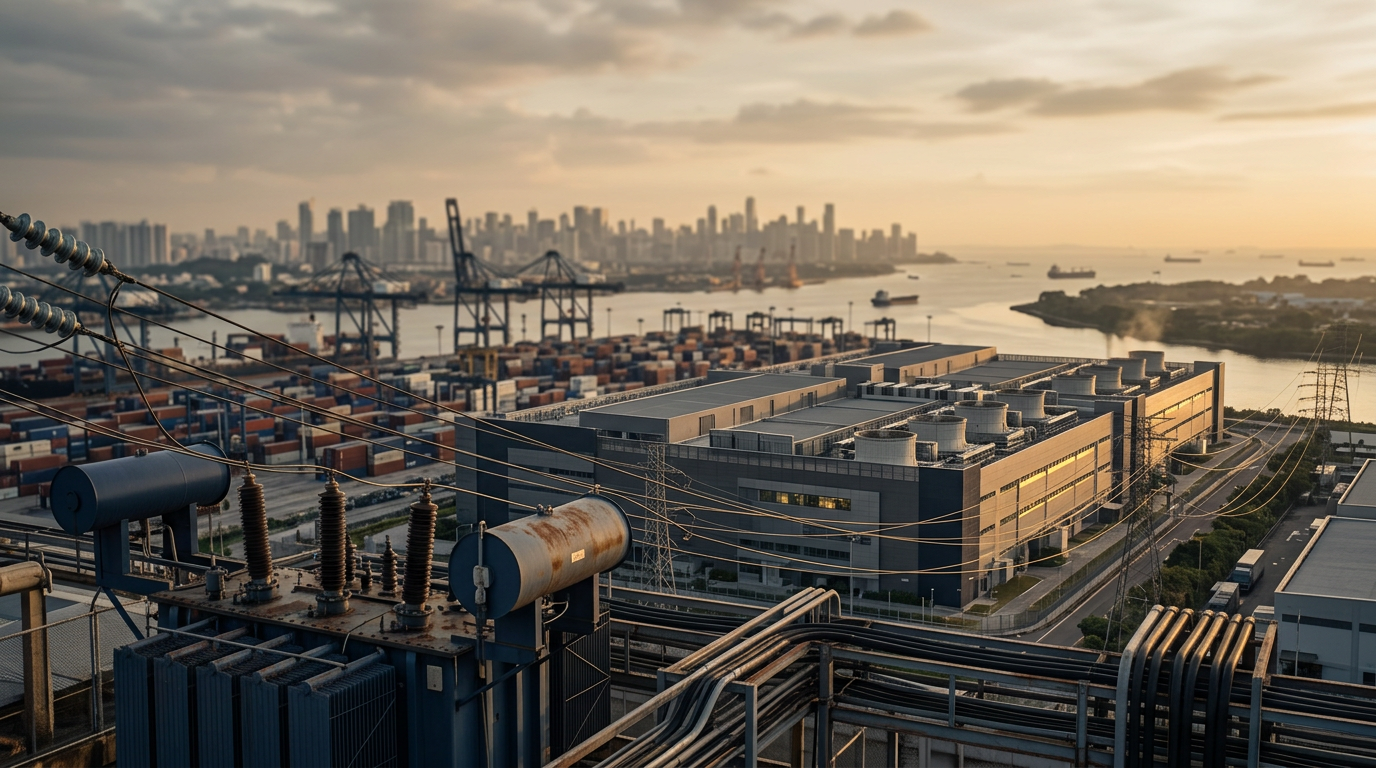
The ASEAN Power Grid Needs More Than Announcements
The ASEAN Power Grid is a decades-old idea for regional energy security and decarbonization. A new push by Singapore and Thailand highlights that execution, not just vision, is the core challenge. Reliable institutions and state capacity are the real markers of progress.
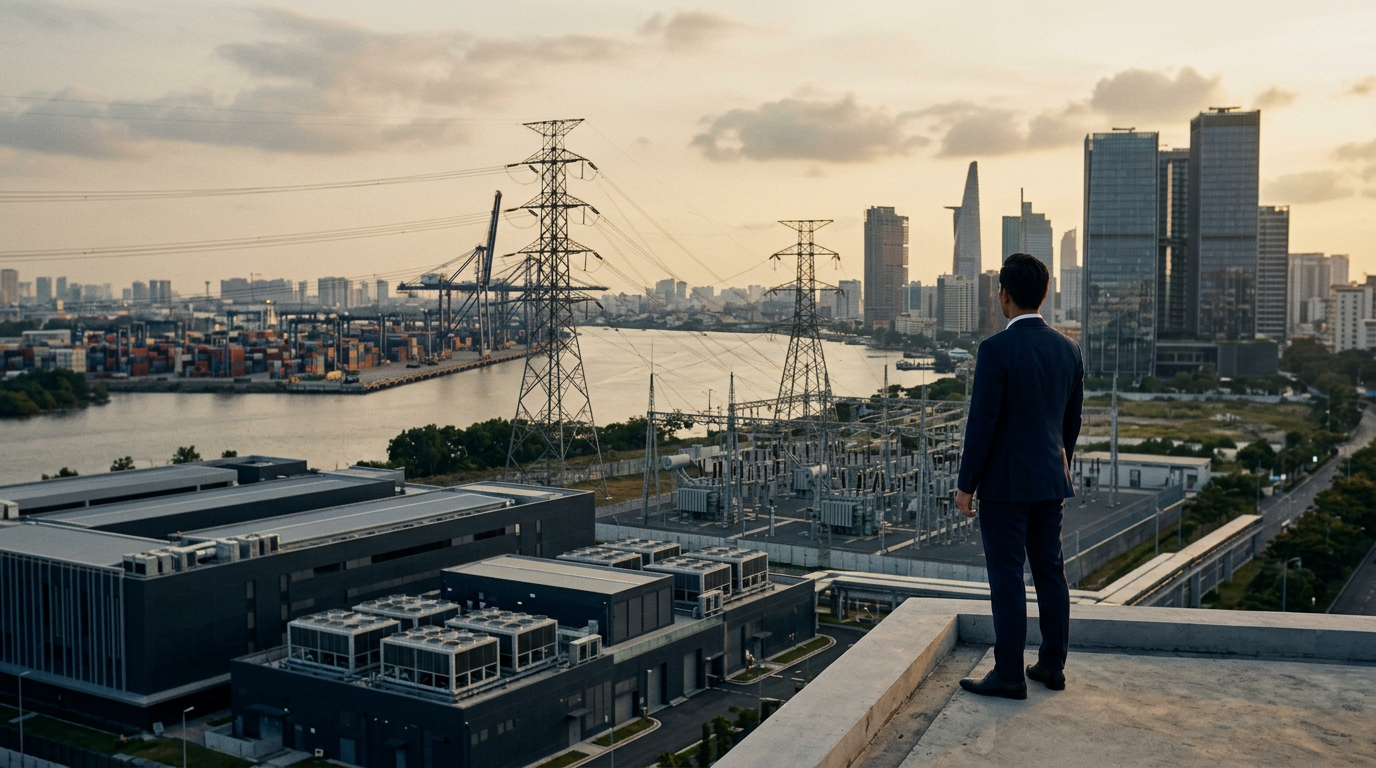
Singapore and Thailand are leading a new two-year initiative to address persistent challenges facing the ASEAN Power Grid, according to a recent report from Eco-Business. The goal is to clear the path for a more integrated regional electricity market by 2028. While the vision of a connected grid is compelling for both energy security and climate goals, this renewed effort underscores a familiar theme in regional integration: the gap between ambition and implementation.
Institutions and Infrastructure
The ASEAN Power Grid is not a new concept. First proposed in the 1980s, it aims to connect the region's disparate energy systems, allowing countries with surplus power to sell to those with deficits. This would enhance grid stability, reduce costs, and facilitate the broader adoption of renewable energy sources. However, progress has been slow, marked by pilot projects and bilateral agreements that have yet to coalesce into a truly regional network. The primary obstacles are not technological but institutional. Differences in regulatory frameworks, pricing mechanisms, and national energy policies have created significant friction, hindering cross-border energy trade.
As the book ASEAN Rising notes, the ability to deliver tangible results is a key differentiator for economies. The success of large-scale infrastructure projects like the power grid depends on the capacity of state institutions to not only plan but also execute complex, multi-jurisdictional agreements. This new initiative by Singapore and Thailand represents an attempt to build that institutional consensus, starting with the technical and regulatory groundwork required for a larger multilateral system.
The Cost of Friction
For businesses and investors, the delays in the ASEAN Power Grid translate to higher costs and missed opportunities. A fragmented energy market means less efficiency and greater reliance on fossil fuels, which remain the dominant source of power in most of the region. The lack of integrated infrastructure makes it harder to deploy capital into large-scale renewable projects, as investors face uncertainty about market access and offtake agreements. Without a clear and predictable regulatory environment for cross-border power sales, the financial risks are substantial.
This is where institutional performance becomes a direct factor in economic competitiveness. The book argues that "institutional reliability has become part of comparative advantage." A country, or a region, that can provide clear rules and follow through on its commitments is more attractive to capital. The effort to harmonize standards and create a common set of rules for the power grid is an investment in reducing this friction. Success would lower transaction costs, de-risk greenfield investments, and create a more liquid and efficient regional energy market.
From Vision to Execution
The Singapore-Thailand initiative is a pragmatic step. By focusing on resolving the technical and commercial impediments over a two-year period, it aims to create a viable, scalable model that other ASEAN members can join. The initial phase of the Lao PDR-Thailand-Malaysia-Singapore Power Integration Project (LTMS-PIP) has already demonstrated that multilateral energy trading is feasible, albeit on a small scale. The challenge now is to expand this framework.
The push toward 2028 is a test of ASEAN's ability to move from high-level declarations to on-the-ground reality. The long history of the ASEAN Power Grid is a reminder that announcements are easy, but building the institutional architecture for a functioning regional market requires sustained political will and technical expertise. The project's success will be measured not by the number of agreements signed, but by the volume of electricity that actually flows across the region's borders. What to watch
The progress of this two-year working group will be a leading indicator of the ASEAN Power Grid's future. Observers should monitor the specific agreements that emerge on technical standards, cross-border tariff structures, and the legal frameworks for energy trading. The ability of Singapore and Thailand to create a template that is attractive for other ASEAN nations to adopt will determine whether this initiative becomes a foundational step toward a truly interconnected regional grid or another chapter in its long history of incremental progress.