Singapore
Singapore, the US, and the institutional plumbing of FDI
The recent US-Singapore dialogue on trade and investment is a reminder that FDI flows are not automatic. They depend on the slower, harder work of building institutional capacity.
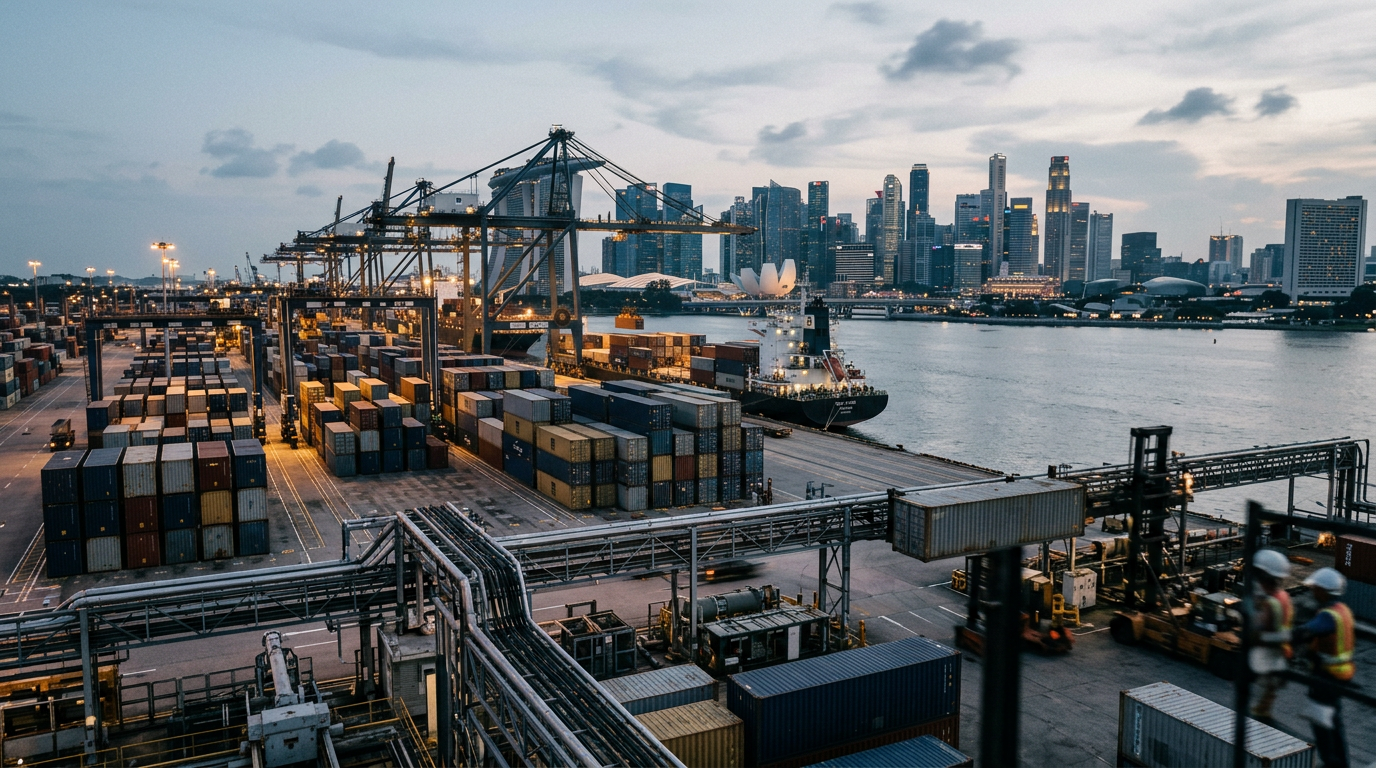
Singapore's Deputy Prime Minister Gan Kim Yong recently emphasized the mutual benefits of trade and investment for job creation in both Singapore and the United States, as reported by the Straits Times. This recurring theme in bilateral relations highlights a deeper truth about foreign direct investment (FDI) in Southeast Asia: announcements are easy, but execution is hard. The successful realization of investment pledges depends on the institutional capacity to deliver.
Institutions as Infrastructure
High-level diplomatic meetings and trade missions are essential for signaling intent and building relationships. They generate headlines and memoranda of understanding. However, the actual flow of capital is contingent on what happens after the delegations depart. As the book "ASEAN Rising" notes, for investment to materialize, the groundwork must be solid. This includes the legal and administrative frameworks that govern business operations.
Singapore has long been a standout performer in this regard. Its reputation is built on a foundation of clear regulations, efficient bureaucracy, and a reliable legal system. For a US firm, investing in Singapore means entering a predictable environment where contracts are enforceable and administrative processes are transparent. This institutional clarity is a form of infrastructure as vital as ports and power grids. It reduces risk and allows businesses to make long-term plans with a high degree of confidence, turning announcements into tangible assets and local jobs.
From Pledges to Projects
The journey from an investment announcement to a functioning factory or a fully staffed office is a multi-year process fraught with potential delays. The core challenge lies in translating large-scale promises into specific, on-the-ground results. This is where institutional execution becomes paramount. It involves the coordination of multiple agencies to handle land acquisition, secure permits, ensure reliable power supply, and connect to transport networks.
As the chapter on Indonesia in the book explores, "realised flows depend on the slower work of land, permits, power and talent reaching the ground." While Singapore's context is different, the principle holds across ASEAN. The ability to navigate these complexities efficiently is what separates successful investment destinations from those that struggle to convert interest into reality. Singapore's public service has developed a strong capacity for this kind of project management, acting as a key partner for foreign investors rather than an obstacle. This hands-on, problem-solving approach is a significant competitive advantage.
The Talent Dimension
Ultimately, capital requires capable people to be productive. DPM Gan's focus on jobs underscores the human element of FDI. An investment is not just a financial transaction; it is an integration of capital, technology, and local talent. Here again, institutions are central. A successful education system, from vocational training to universities, is needed to produce a workforce with the right skills.
Furthermore, labor laws and immigration policies must be clear and consistently applied. For US companies, the ability to hire, train, and sometimes relocate skilled personnel is a key operational consideration. Singapore's focus on workforce development and its structured approach to foreign talent are integral to its value proposition. It ensures that when a company invests, it can also access the human resources needed to run its operations effectively and serve the wider regional market.
What to watch: Observers should monitor not just the headline FDI figures, but the conversion rate of announcements to realized investments across the region. The speed and efficiency of this process are direct indicators of underlying institutional strength. Pay attention to changes in administrative procedures, investments in education, and infrastructure readiness, as these are the foundational elements that will determine where long-term capital ultimately finds a home in Southeast Asia.